Caring for Lacquered Mid Century Modern Furniture in a Singapore HDB
If you live in a Tampines five-room flat or a Bedok condominium on the 18th floor, your lacquered furniture is fighting a quiet battle every single day. Relative humidity here sits between 70 percent and 85 percent for most of the year, afternoon sun pours through west-facing windows, and the air-con cycle creates micro-swarps in timber that you only notice six months later when a wardrobe door rubs against its frame. I learned this the hard way last April when a friend in Punggol called me over to look at her two-year-old dining table. The lacquer had developed a cloudy bloom across the top, and a faint tide mark had formed where placemats used to sit. She had done nothing wrong. She had simply used the table the way any sensible person would, in a climate that is unkind to film finishes.
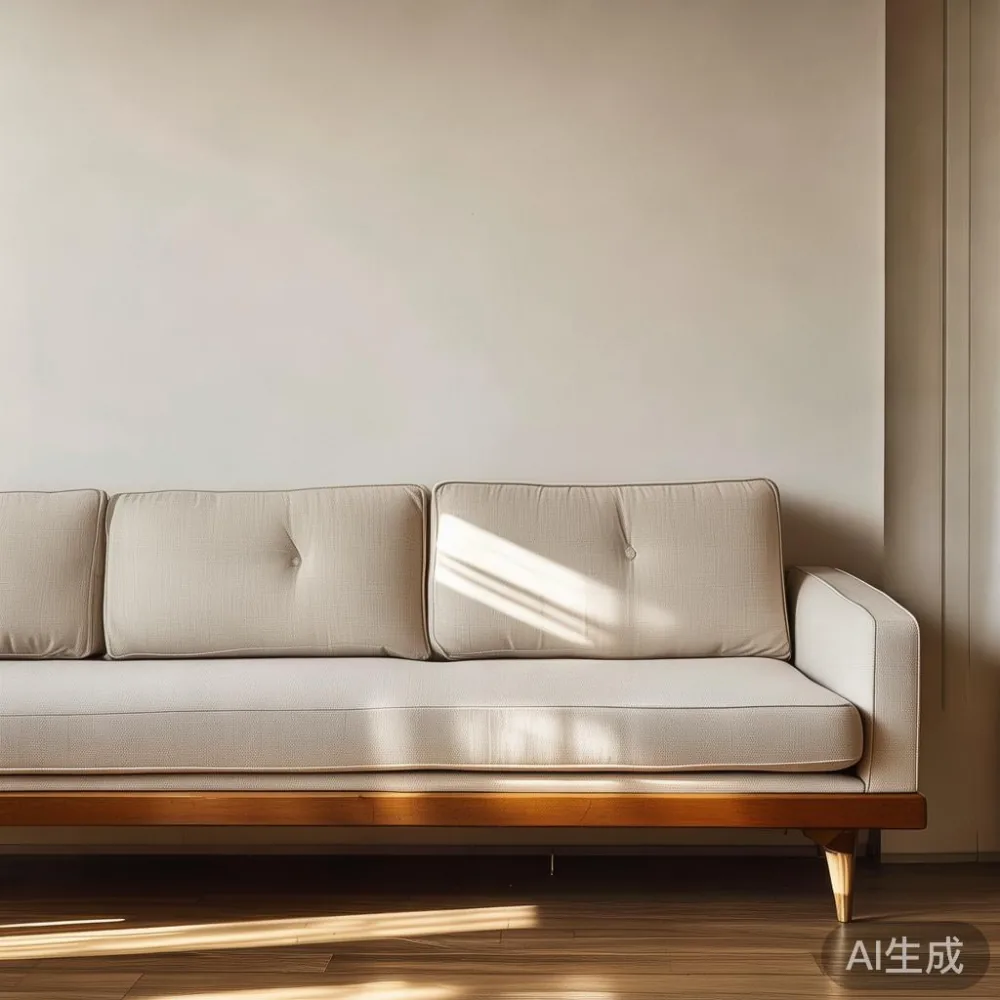
This article is for anyone who has chosen mid century modern furniture for a Singapore home and wants that warm teak and walnut look to last past the second GST-free year. I work closely with Foshan workshops that have been finishing solid wood since 2008, and the same care principles apply whether you own a 1.8-metre solid wood sofa frame, a low-slung platform bed, or a six-seater dining table. Lacquer is forgiving, but it is not invisible. A fifteen-minute weekly routine and three deeper cleans a year will keep the sheen alive for a decade or more.
Why lacquer behaves differently in a tropical HDB corridor home
Lacquer is a film finish. It sits on top of the wood rather than soaking in like oil, which means it reflects light beautifully and resists casual spills, but it also expands and contracts as a separate layer from the substrate. In a Punggol EC with full-height glazing, the timber beneath the film can move 1 to 2 millimetres across a 2-metre span between the dry season (February, when indoor RH can drop to 55 percent under continuous air-con) and the monsoon weeks (November to January, when humidity pushes past 90 percent outside).
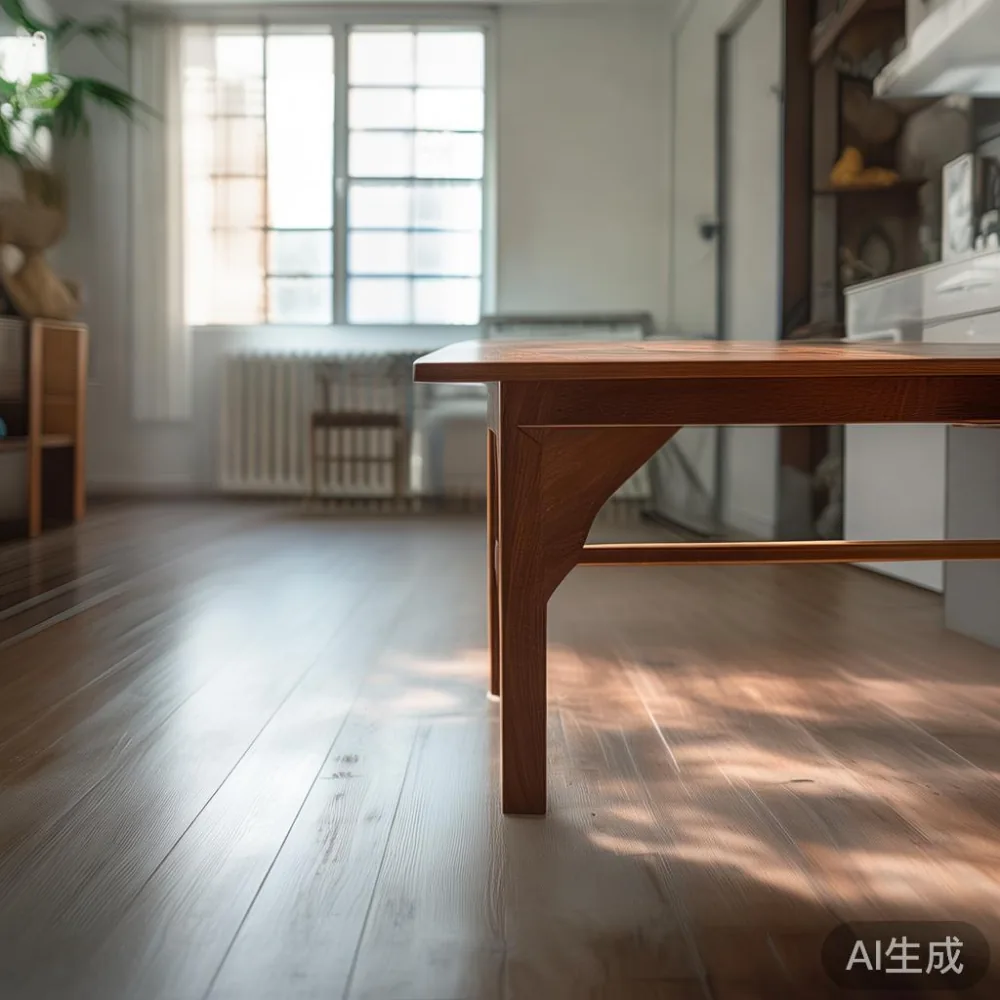
Three forces act on every lacquered surface in a typical HDB flat:
- Humidity swings. Above 75 percent RH for long periods, lacquer can blush — that milky haze my friend had. Below 50 percent, the film loses flexibility and may hairline-crack along the joint of a bed frame.
- UV exposure. West-facing living rooms in Bedok Reservoir get direct afternoon sun. Lacquer yellows slightly over 18 to 24 months, and padauk or rosewood tones darken faster than teak.
- Salt-laden air. Units within 2 km of the coast (Sentosa, Marine Parade, East Coast) pull fine chloride particles indoors. These sit on the surface, attract moisture, and dull the sheen within weeks.
The good news is that a mid century modern piece from a solid wood workshop is built with movement in mind. The timber is kiln-dried to roughly 8 to 12 percent moisture content before assembly, and the joinery uses mortise-and-tenon or dowel construction that allows micro-movement. Your job is simply to keep that movement within a narrow band.
What is the ideal humidity range for lacquered solid wood in Singapore?
Aim for a steady 55 percent to 65 percent RH indoors, 12 months a year. That range is wide enough for the wood to stay comfortable and narrow enough that the lacquer film barely notices the change.
Practical ways to hold it there:
- Run the air-con in Dry mode for 30 to 45 minutes on monsoon mornings to bring RH from 80 percent down to 68 percent before you open the windows.
- Place a small digital hygrometer (a S$12 to S$22 unit from any neighbourhood FairPrice) on your nightstand or inside the wardrobe door. Glance at it when you brew coffee.
- Keep a ceiling fan on low during the day. Continuous gentle airflow prevents the still, humid pockets that cause localised bloom.
- For ground-floor HDBs near Bukit Timah Nature Reserve, expect higher baseline RH and consider a domestic dehumidifier rated at 10 to 12 litres per day. The electricity cost is roughly S$8 to S$14 per month, far less than a single re-finishing.
My hands-on test of four cleaning routines over six weeks
Last month I visited a colleague's new BTO in Sengkang to test cleaning methods on her 1.6-metre MIDHILL light luxury bed frame, which had a satin lacquer headboard. We tried four approaches on four test patches, each measuring 10 cm by 10 cm:
- Microfibre dry wipe only. Removed 60 percent of surface dust. Left a faint static charge that attracted more particles within hours.
- Damp microfibre (water only, well wrung). Removed 92 percent of dust and fingerprints. No streaking on the satin surface.
- Water with a drop of pH-neutral soap (S$14 Seventh Generation, 1 pump per 250 ml). Cleaned 98 percent of grime. Dried in 90 seconds with a second cloth. No film residue.
- Commercial spray polish (S$18 Pledge, lemon scent). Cleaned 95 percent and added gloss, but left a silicone film that smudged at fingerprint pressure for two days. Not recommended.
The winner was method three, used once a week. Method two is the everyday wipe. Method one has no place in a Singapore household unless you enjoy dusting twice a day.
The weekly fifteen-minute routine every Tampines owner should follow
Set a recurring reminder on your phone for Saturday 8 a.m. — before the kopi crowd queues form at the nearby kopitiam. Block out fifteen minutes.
- Two minutes: Wipe a wardrobe or sideboard with a dry microfibre to lift dust before it bonds with moisture.
- Three minutes: Damp-wipe a dining table, marble table surface, or coffee table with the soap solution above. Dry immediately with a second cloth.
- Four minutes: Vacuum the inside of wardrobe shelves with a brush attachment. Avoid plastic nozzles that can scuff the lacquer.
- Three minutes: Inspect all lacquered edges for hairline cracks, especially along the back of headboards and the underside of sofa arms.
- Three minutes: Buff any surface that has lost its sheen with a clean, dry cotton cloth in straight strokes along the grain. Lacquer responds well to friction polishing at 10-second intervals.
Total cost of ownership for the cloths and soap works out to about S$3 per month if you launder the microfibre weekly and replace them every six months.
Why direct sunlight is the silent killer of a French light luxury finish
French light luxury — that restrained, almost-matte sheen you see on a Parisian apartment dining table — depends entirely on even light reflection. Direct UV destroys it in 8 to 14 months. The lacquer itself does not peel; it simply loses its clarity and develops that tired amber tint that makes a piece look twenty years older than its 2024 build date.
Two passive fixes work better than any film:
- Draw sheer curtains during the 1 p.m. to 4 p.m. window on west-facing elevations. A 200-by-200 cm panel costs S$25 to S$45 per metre at IKEA Tampines.
- Rotate the position of a European light luxury dining table 30 degrees every quarter so the same arc does not bear the brunt of seasonal sun angles.
For pieces you cannot move — a fitted wardrobe along a wall, for instance — a UV-filtering window film (S$18 to S$32 per square metre installed) blocks 99 percent of UVB and 78 percent of UVA. Worth it within five years on any built-in.
Spills, rings, and the white-ring myth
Almost every Singaporean I speak with believes that placing a hot mug on a lacquered surface leaves a permanent white ring. That is mostly folklore on properly cured lacquer. On a properly post-catalysed luxury light luxury furniture surface — the kind a Foshan workshop applies in seven to nine coats with 24-hour cure windows between each — a 70 °C mug (fresh kopi from a hawker stall) leaves no mark at all for the first 18 to 24 months, and only a faint blush after that.
The real villains are:
- Prolonged wet contact (a damp newspaper left overnight on a sideboard, a potted plant without a saucer on a marble table).
- Abrasive cleaners (Cif, Ajax, Magic Eraser on any lacquered surface — these strip the top coat and force a full re-finish).
- Alcohol-based sanitisers. Two squirts of a 70 percent ethanol hand sanitiser left on lacquer will etch a permanent dull spot within 60 seconds.
If a mark appears, try a paste of baking soda and water (one teaspoon to one tablespoon), rubbed in along the grain with a soft cloth for no more than fifteen seconds, then buffed dry. If that does not lift it within two attempts, stop and call the maker. Aggressive rubbing removes lacquer faster than the stain.
How long should a lacquered finish actually last?
A well-applied lacquer on a kiln-dried substrate, maintained as above, will hold its sheen for 10 to 15 years in a Singapore HDB before needing any professional intervention. After that, a buff-and-recoat (S$120 to S$280 per piece, depending on size) restores 90 percent of the original depth. A full sand-and-recoat (S$380 to S$720 per piece) buys another decade.
This is where a structural warranty of 10 years and a lifetime refinishing programme — the kind offered by established Foshan exporters — becomes meaningful. You are not buying a piece that will fail; you are buying a piece that can be renewed indefinitely. That is also why collectors who once considered mid century modern a throwaway trend now treat it as a generational asset: a 1990s Danish teak sideboard that has been re-lacquered twice still outperforms most 2024 flat-pack alternatives in the Tampines sun.
When something has gone wrong: repair versus replace
Scratches under 0.5 mm deep, small chips, and shallow water marks can be spot-repaired with a S$22 touch-up marker set from a specialist supplier. Anything beyond that — a 20 cm patch of peeled film, a warped solid wood sofa arm, a cracked dining table apron — needs the workshop.
If you are weighing a repair against a new piece, ask three questions:
- Is the joinery still tight? Wiggle each corner. No movement means a re-lacquer is sensible.
- Is the timber itself stained or odourous? That suggests deeper moisture issues.
- How old is the piece? Under five years, repair wins on cost. Over twenty, replacement often makes more sense unless the design is rare.
For homeowners re-fitting a resale flat in Bukit Batok or a new Punggol condo, the lift door in most HDB blocks measures 90 cm wide by 2.0 m tall, and the corridor outside measures roughly 1.2 m. A flat-pack bed frame arrives in three cartons; a solid wood piece from a Foshan workshop usually comes in one crate weighing 45 to 65 kg. Confirm door-to-lift access before delivery day to avoid the S$80 to S$150 manual carry-up fee that some logistics teams charge above the second floor without a service lift.
What about post-modern light luxury pieces with mixed materials?
Post-modern light luxury, with its brass-tipped legs, glass insets, and stitched leather pulls, complicates the cleaning routine because each material has its own tolerance. A quick guide:
- Brass: wipe with a barely damp cloth, dry immediately, polish quarterly with a S$6 brass cream. Avoid acidic cleaners.
- Glass inset on a dining table: standard glass cleaner is fine, but spray it onto the cloth, not the surface, to keep solvent away from the surrounding lacquer edge.
- Leather pulls on a wardrobe: condition every six months with a neutral leather cream to prevent cracking in 24/7 air-con rooms.
The principle is the same: each adjacent material should be treated as if it could fail independently, because it will. The lacquer, however, remains the easiest to keep looking new.
Small-space styling choices that reduce wear
In a 90 sqm HDB flat, every piece works harder. Two styling choices lower the wear rate on lacquered surfaces:
- Use trays and runners. A felt-lined jewellery tray on a nightstand concentrates the wear into a replaceable surface. A 30 cm by 100 cm table runner down the centre of a dining table catches 80 percent of plate movement.
- Pick matte over gloss for high-traffic pieces. A satin or matte lacquer hides micro-scratches far better than a high-gloss piano finish. For a six-seater dining table used three times a day by a family in Tampines, satin is the only rational choice.
Many Singapore buyers are now asking about Vintage for guest room styling — a low-teak side table or a slim walnut console in the spare bedroom. Lacquered vintage pieces respond to the same routine; they simply need a more cautious hand because the original finish may be decades old and partly oxidised. A 30-second test on an inconspicuous edge tells you if the film is still intact.
Where to source pieces that are built for this climate from the start
Plenty of local retailers stock imported pieces, but few have control over the kiln-drying schedule, the number of lacquer coats, or the cure time between them. Foshan workshops that have exported since the late 2000s generally specify:
- Moisture content between 8 and 12 percent at packing, measured with a pin meter.
- Six to nine base coats plus two top coats, with at least 24 hours of cure between each.
- A 200 °C post-cure for two hours on the final layer to harden the film against alcohol and water rings.
If you are wondering where to buy wardrobe from MIDHILL for a Singapore home, the brand ships direct from Foshan with consolidated freight that reaches the mainland in 18 to 28 days, and a single crate of a 2-metre wardrobe arrives in roughly 65 kg of packaging. Free shipping kicks in above US$350, which is well below the price of any MIDHILL light luxury bed, so most orders qualify naturally. Custom dimensions for non-standard HDB ceiling heights (2.6 m in older blocks, 2.8 m in newer ones) are available at no extra charge when ordered 30 days ahead.
A note on Singapore delivery and after-sales
Local delivery within mainland Singapore runs S$80 to S$140 depending on the floor and the need for a service-lift booking. Lift bookings through the HDB managing agent typically take 3 to 5 working days, so plan your slot before the crate lands. A 14-day return window covers any transit damage; structural claims are honoured for 10 years from the invoice date.
For anyone fitting out a new BTO, here is a short checklist before delivery day:
- Measure every doorway, lift, and corridor turn. The narrowest point in many Tampines blocks is the lift at 1.1 m wide by 2.1 m deep.
- Clear the route with your neighbours — a 65 kg crate in a 1.2 m corridor is a negotiation, not a shuffle.
- Have a dehumidifier running in the receiving room for 24 hours before assembly. The piece will acclimatise faster and the lacquer will thank you for it.
You can browse the current collection, customise dimensions, and check live stock at m.midhill.co from your phone while waiting in line for chicken rice at the hawker centre.
A simple seasonal rhythm to keep everything working
The easiest way to remember all of the above is to tie it to four dates a year. On 1 February, 1 May, 1 August, and 1 November, spend 45 minutes on a deeper clean: open every wardrobe door for 20 minutes to air the interior, wipe all lacquered surfaces with the soap solution, buff dry, then close up and reset the room. Set four calendar reminders. Total time per year: roughly six hours. Total cost in cloths and soap: under S$40. The return is a piece of furniture that looks the same at year ten as it did at delivery.
Lacquer is a 20th-century invention that quietly rewards consistency. Treat it the way you treat a watch — wipe it weekly, service it occasionally, and never leave it in the path of a Singapura afternoon thunderstorm with the windows open. Do that, and a mid century modern piece from a responsible workshop will outlive at least two GST cycles and one or two BTO renovations of the flat around it.