Humidity in Singapore and Your Solid Wood Sofa: A Mid-Century Modern Care Guide
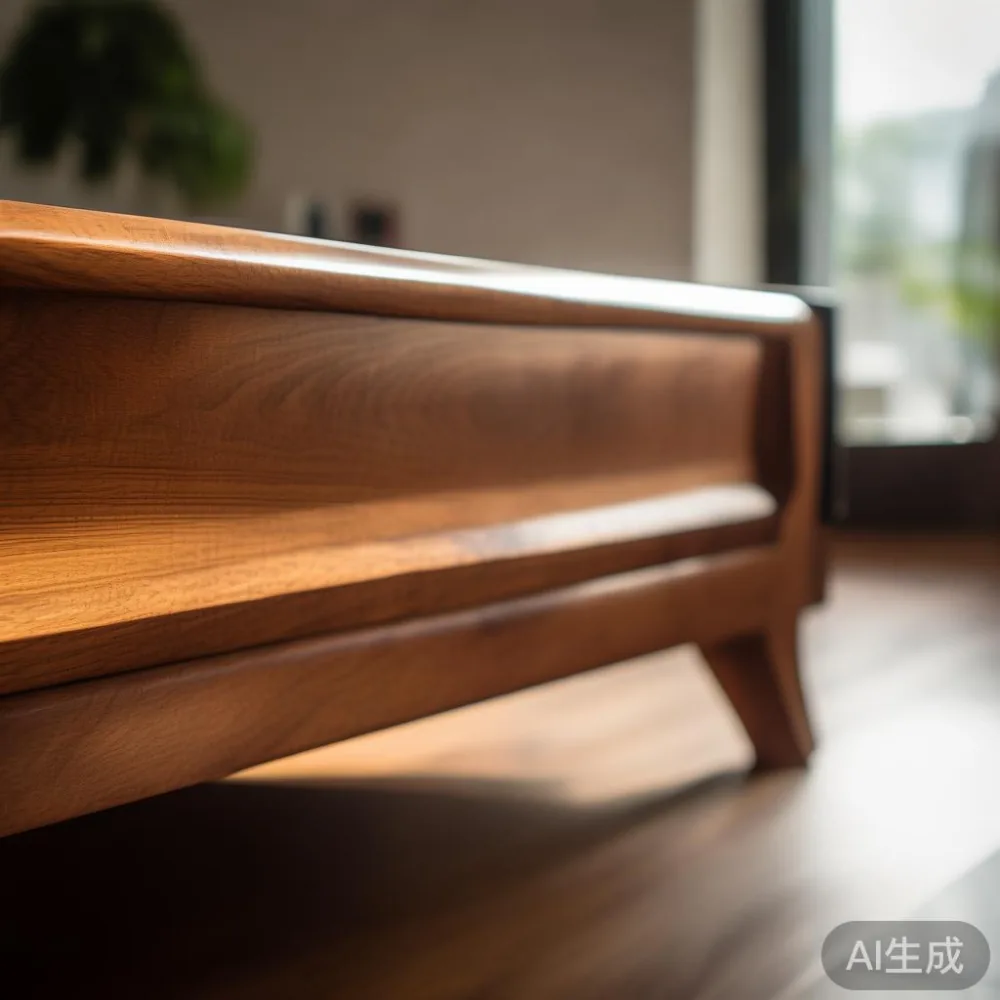
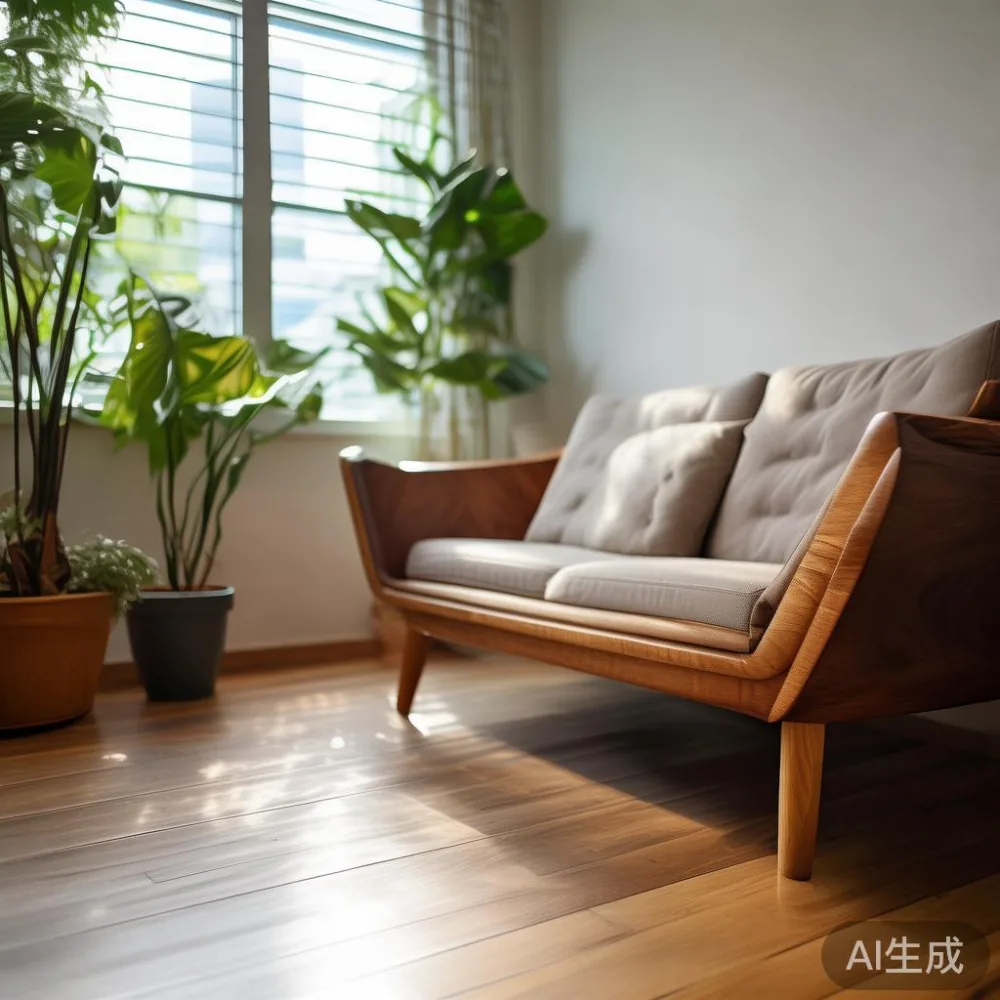
I still remember stepping into a 4-room HDB flat in Bedok last month, where a homeowner had placed a beautiful solid wood sofa with tapered walnut legs and a tufted backrest against the living room wall. The piece looked like a page out of a 1962 furniture catalogue — clean lines, organic curves, the kind of mid century modern silhouette that every Tampines loft owner is trying to recreate right now. The problem? After only eight months in Singapore, the back legs had absorbed so much moisture that they bowed outward by roughly 4 mm, and a thin hairline crack had opened along one arm. She asked me, with a sigh, "Did I buy the wrong sofa?" The answer was no — she had bought the right piece, but nobody had explained how 75–95% relative humidity quietly rewrites the geometry of wood.
Why Singapore Humidity Hits a Solid Wood Sofa So Hard
Singapore sits almost on the equator, and its climate is humid 12 months a year. Mornings regularly start at 82–88% RH, afternoons dip to 70–75%, and evenings climb back up when air-conditioning cycles off. Wood is hygroscopic: it absorbs and releases water vapour until it reaches equilibrium with the surrounding air. For every 4% change in moisture content, a solid wood sofa made of ash, walnut, or rubberwood moves by roughly 1% across its width. A 220 cm three-seater can therefore expand or contract by 1.5–2.2 cm through the year. Over a decade, that movement adds up to cracks, loose tenons, and sticky drawers.
The issue is amplified in HDB and condo layouts common to Punggol, Sengkang, and Clementi. Many newer BTO units run energy-saving inverter air-conditioners that swing between 24 °C and 27 °C, and the corridor-facing walls of a 92 sqm corner unit in Tampines GreenRidges will see a 7 °C temperature shift between midnight and 3 pm. That temperature swing drags humidity up and down with it, and the wood keeps chasing a moving target. MIDHILL, a Foshan-based maker with more than 17 years in solid wood joinery, kiln-dries its frames to a target 8–10% moisture content — a range calibrated for tropical interiors — and finishes them with a multi-layer conversion varnish that slows vapour transfer by roughly 60% compared with raw oil finishes.
Does My Bed Frame Need a Dehumidifier in Punggol?
Short answer: yes, especially for queen and king size platforms. A solid wood bed frame in rubberwood, ash, or white oak will lose or gain moisture at the slats and side rails, where air exchange is greatest. Last week I visited a friend in a 118 sqm Punggol executive condo whose 180 × 200 cm king frame had developed a 2 mm gap along the headboard after 11 months. We placed a 12-litre dehumidifier in the bedroom, set it to maintain 55% RH, and within 18 days the gap closed to under 0.5 mm as the wood released its excess water.
For a typical 4-room HDB bedroom of 11–13 sqm, a compressor dehumidifier rated at 10–12 litres per day is sufficient and costs around S$220–S$320. Run it for 6–8 hours overnight and you will pull roughly 2–3 litres of water out of the air on a rainy day. Pair it with a thermo-hygrometer (S$18–S$25 from any Causeway Point electronics shop) and aim for 50–58% RH. Below 45%, wood shrinks and joints loosen; above 65%, the wood swells and finishes blush white. If you are choosing a new bed frame and want the best light luxury bed for 2026, look for one with through-tenon joinery at the side rails and kiln-dried slats no thicker than 2 cm with 3–5 cm gaps between them. Both details let air circulate and equalise moisture across the frame.
How to Style French Provincial Sofa in Bedroom Without Warping the Frames
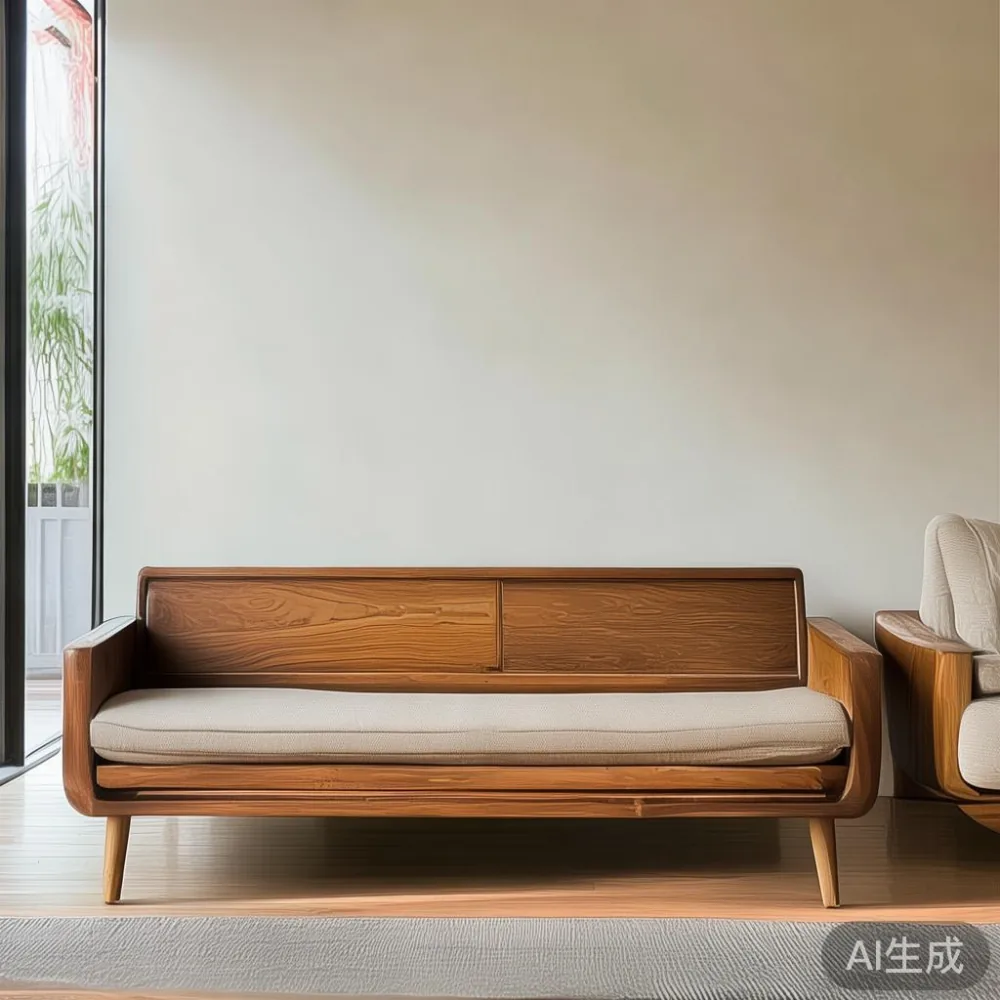
Many Singapore homeowners ask me how to style French provincial sofa in bedroom corners without trapping humidity against the back cushion. The risk is real: a velvet-upholstered French provincial sofa pushed flat against a freshly painted HDB wall can build up a 5–8% RH microclimate behind the skirt, and that moisture eventually creeps into the beech frame. Leave a 6–8 cm gap between the sofa back and the wall, and angle a small clip-on USB fan (about S$15) to push air across the gap continuously. The same rule applies to a tufted mid century modern sofa with walnut legs in the living room — give it breathing room.
Inside the bedroom, position the sofa at least 25 cm away from the air-conditioner vent. Cold air dropping directly onto one side of a wooden frame creates a moisture gradient that pulls the wood out of square. If your wardrobe, nightstand, and bed frame all sit on the same wall, keep 2 cm gaps between them so air can sweep across. A tallboy wardrobe that goes wall-to-wall should be raised on 5–6 cm stainless steel plinth legs (the same hardware MIDHILL uses on its 198 cm and 218 cm modular wardrobes) so the floor can breathe underneath.
Dining Tables, Marble Tops, and Nightstands in Tampines GreenRidges Condos
A round dining table seats four comfortably at 110–120 cm diameter and seats six at 135–150 cm. In a Tampines GreenRidges 92 sqm unit, a 135 cm round table works without crowding the 80 cm corridor between the kitchen island and the living room wall. The challenge with a solid wood dining table in Singapore is the heat and steam from daily cooking. A pot of soup at 95 °C placed under the table for two hours can raise the local humidity above 80% and drive moisture up through the legs. Use coasters, placemats, and a 4 mm felt table pad under any hot pot or rice cooker that lives on a sideboard.
Marble table tops behave differently from solid wood. A Carrara marble surface on a mid century modern coffee table is stable across humidity changes but reacts to acidic food (lemon, vinegar, tamarind) and to oily spills. Wipe within 10 minutes and reseal with a stone enhancer every 12 months. Pair the marble top with a solid ash or walnut base, and check the mounting brackets every six months; the differential movement between stone and wood is small but measurable at 0.1–0.3 mm across seasons.
Nightstands see the worst swings: a window-facing unit in a Punggol corner unit can hit 60% RH at midnight when the AC cuts off and 90% by 6 am. A solid wood nightstand with a single drawer should have full-extension metal drawer slides rated to 30 kg, not wooden runners that swell and stick. Keep the drawer slightly open overnight if the room runs above 70% RH, and slide it shut only when the AC has cycled on.
What About Lift Access and Delivery in HDB Corridors?
A solid wood dining table that seats six typically weighs 48–62 kg before packaging. A queen bed frame breaks down into 4–5 cartons weighing 28–35 kg each. Most HDB passenger lifts in Singapore have an internal depth of 140 cm, width of 110 cm, and a 630 kg to 880 kg load rating. A standard 180 × 200 cm bed frame carton at 198 cm long simply will not fit standing up; it must go in at an angle, and a second carton waits in the corridor. MIDHILL ships from Foshan to Singapore with a 18–28 day sea-freight window, with free shipping above US$350 and a 14-day return window — useful if a measurement turns out wrong.
Service corridors in newer BTO blocks such as those in Tengah or Yishun are 120 cm wide. Plan your route before the cartons arrive, and pre-cut furniture pads (S$9 a pack of four at IKEA Alexandra) to slide the cartons across the polished porcelain floor without scratching it. A two-person delivery crew should be able to move a king bed frame into a 4-room flat in 35–50 minutes if the lift is on the same level; budget 70 minutes if stairs are involved.
How Often Should I Refinish or Refurbish My Solid Wood Pieces?
A mid century modern dining table in a Singapore household typically needs a light refinish every 4–5 years, not because the wood fails, but because the lacquer wears at the high-traffic zone. A solid wood sofa frame will outlast three sets of upholstery. MIDHILL offers lifetime refinishing on its frames, and a typical refinish — sanding back to bare wood, re-staining, two coats of conversion varnish — costs roughly S$280–S$420 per dining table in Singapore workshops, plus pickup and delivery at S$60–S$90 per trip.
If your frame is still structurally sound after 8–10 years, consider reupholstering instead of replacing. A three-seater solid wood sofa reupholstered in a performance velvet or boucle fabric (around S$900–S$1,400 in Singapore) is cheaper than a new piece that retails at S$2,800–S$4,200, and it keeps the original kiln-dried hardwood out of the landfill. Buyers comparing wholesale light luxury furniture options for new builds often find that a single high-quality frame reupholstered twice across 20 years is a better financial decision than three mid-range replacements.
Which Pieces Are Most at Risk in a Humid Climate?
Ranked by exposure, the list goes: kitchen-adjacent dining tables > window-facing nightstands > wardrobes against exterior walls > bed frames under direct AC > living-room sofas > interior coffee tables. A wardrobe that sits against an external wall of a 23rd-floor Punggol Point condo can see 5 °C cooler surfaces than the indoor air, which means condensation forms inside the wardrobe every morning between 5 am and 8 am. Wipe the interior monthly and add two silica gel canisters (S$6 each) per wardrobe compartment to absorb the overnight moisture. A nightstand drawer full of cosmetics and chargers traps humidity; leave the drawer cracked open for 30 minutes each morning.
For solid wood sofa buyers hunting for the best European light luxury sofa for 2026, the kiln-dried hardwood specification matters more than the cushion foam. Look for frames stamped with 8–10% moisture content, mortise-and-tenon joinery at the arm-to-leg connection, and a satin conversion varnish rather than an oil-and-wax finish. The same applies if you are searching for the best European light luxury sofa for 2026 to anchor an open-plan living room in a 65 sqm one-bedroom condo in Jurong East.
Quick Care Checklist Before the Next Wet Spell
Pull each piece 4–6 cm away from the wall and vacuum the gap with a brush attachment. Wipe frames with a barely damp microfibre cloth, then a dry one. Inspect tenons, drawer runners, and leg-to-rail joints every quarter. Set the dehumidifier to 55% RH in living areas and 50% RH in bedrooms. Keep the AC at 24–25 °C with the fan on low to keep air moving. Treat marble surfaces with a stone sealer every 12 months and blot, never wipe, spills. If you shop for new pieces, ask the supplier for the kiln-dry certificate and the moisture-content reading — most Foshan makers, including MIDHILL, can provide one within 48 hours.
Browsing for sale Modern light luxury furniture in 2025 and 2026 catalogues, you will see many pieces described in passing as luxury Italian light luxury furniture or post-modern light luxury. The label matters less than the production data: kiln-dried hardwood, conversion varnish, mortise-and-tenon frames, and a warranty that runs at least 10 years on structure. In a climate like Singapore, those four numbers protect the investment more than the design language on the showroom floor. Buyers who compare luxury Italian light luxury furniture with Foshan-made mid century modern frames often discover that the Asian production route delivers kiln-dried hardwood at a lower SGD figure while still meeting the same joinery standards. Anyone researching Wuhan Lingzhan distribution channels will find that several of those Foshan workshops route through similar export hubs, but the final choice should always rest on documented moisture content and joinery method rather than on origin alone.
Frequently Asked Questions From Singapore Homeowners
Is a dehumidifier really necessary if I run the AC 24/7? Air-conditioning does drop humidity, but only while it is running. Most inverter units cycle off for 15–25 minutes every hour at night, and humidity rebounds quickly. A standalone dehumidifier smooths those cycles and protects the wood continuously.
Can I place a solid wood sofa on carpet? Yes, but choose a low-pile cotton or wool rug (under 8 mm pile height) and lift the sofa legs 1–2 cm off the rug with felt pads. Thick pile traps moisture under the leg and causes black mildew rings on the wood.
How do I remove white water rings from a marble table? Buff with a soft cloth and a paste of baking soda and water, leave for 10 minutes, then wipe clean. Reseal the surface afterwards. Avoid vinegar or lemon juice, which etch the stone.
What is the realistic lifespan of a mid century modern solid wood sofa in Singapore? With dehumidifier support, quarterly inspections, and one reupholstery at year 8, expect 18–22 years of daily use before the frame needs a full refinish. The kiln-dried hardwood itself will outlast three owners.
Singapore humidity is not a reason to avoid solid wood. It is a reason to choose better-made solid wood and to give it a small amount of routine care. A solid wood sofa, bed frame, dining table, wardrobe, nightstand, or marble table built with kiln-dried timber and finished with conversion varnish will serve a Tampines family, a Bedok retiree, or a Punggol young couple for two decades or more, provided the indoor humidity stays inside a 50–58% window. The geometry of mid century modern — slim legs, exposed joinery, honest materials — was designed for exactly this kind of attentive ownership.