Mid-Century Modern in a Small Singapore Flat: How to Style Without the Crowded Look
Walk into most four-room HDB flats in Tampines or Bedok and you will find the same scene: a compact living room of roughly 18 to 22 square metres, a galley kitchen, and bedrooms built around 9 to 11 square metres each. The lift in my Punggol block measures 1.4 m wide by 1.8 m deep, and the corridor on level 12 is 1.5 m wall to wall. Those numbers quietly decide everything you can bring home. Last month I helped a friend carry a 2.4 m solid wood dining table up a service lift because the regular lift door, at 0.9 m wide, would not have let the unboxed top past the threshold. She had measured twice but trusted the product page, not the lift. We turned the table upright, tilted the top at 60 degrees, and made it in three minutes. The lesson stuck: in a Singapore apartment, every centimetre and every kilogram is a planning decision, not a styling afterthought.
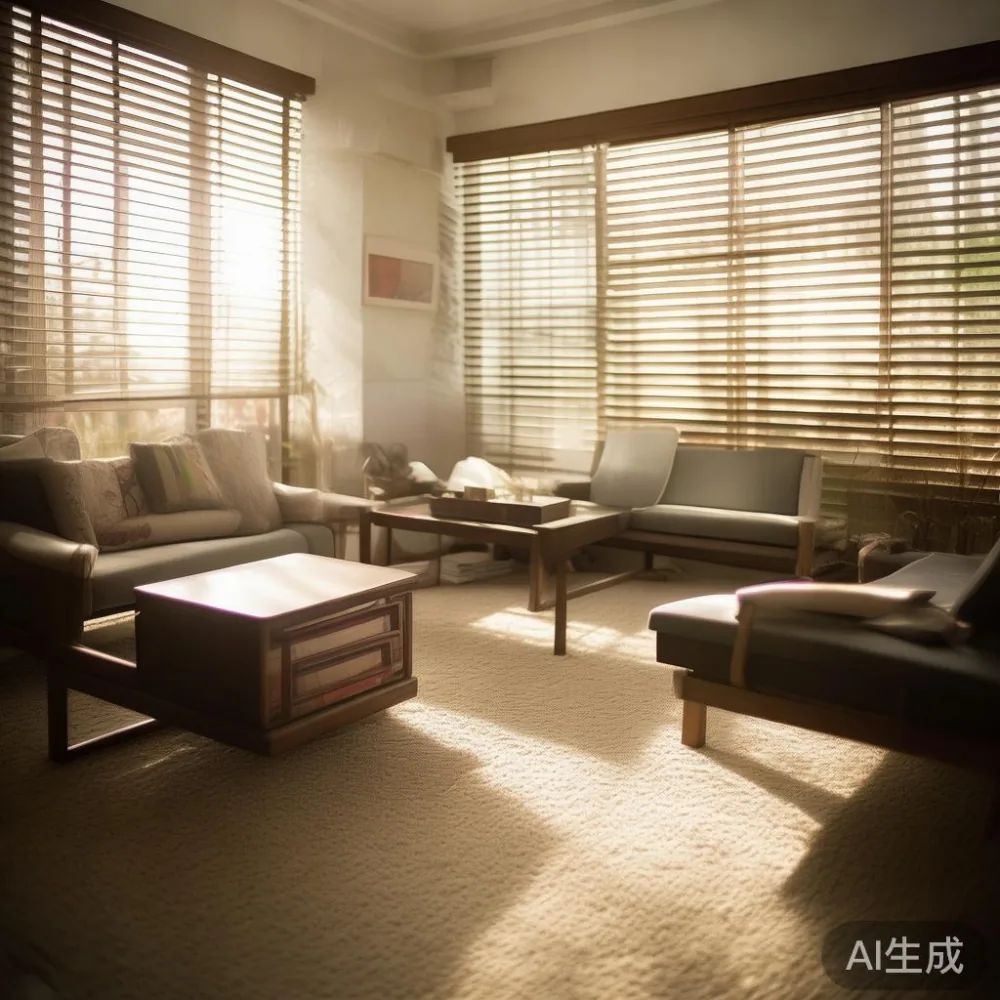
This guide is written for people who want a calm, mid century modern room but live with HDB-sized rooms, lift door widths of 0.8 to 0.9 m, ceiling heights of 2.4 to 2.8 m, and a 9% GST layered on top of the SGD ticket price. It is also written for people who would rather think of their home as a small piece of light luxury than as a space to fill. A brand like MIDHILL, which has shipped solid wood sofa, bed frame, dining table, wardrobe, and nightstand sets out of Foshan since 2008 to buyers in 15 or more markets, has had to solve exactly this puzzle for thousands of customers. Their pieces tend to share a vocabulary: tapered legs, low profiles, warm walnut or white oak veneer, and marble table tops kept under 12 mm to manage weight. The vocabulary below borrows heavily from that approach.
What does mid century modern actually mean in a 18 m² living room?
Mid century modern is a design movement that runs roughly from 1945 to 1969, rooted in the post-war American and Scandinavian belief that good design should be available to everyone. The vocabulary is visual: tan lines, sorry, the vocabulary is short. Clean horizontal lines, four slender tapered legs on every piece, low backs on seating, organic curves on lounge chairs, and wood tones that sit between honey and walnut. In a Singapore HDB, the movement works almost by accident. HDB rooms are rectangular, ceiling heights are 2.4 to 2.8 m, and natural light enters from one side. A low, horizontal solid wood sofa at 82 cm back height sits comfortably under a 2.5 m ceiling without crowding the eye. A bed frame at 35 cm floor clearance gives you a 10 to 15 cm under-bed zone for flat storage boxes, which matters when your wardrobe cannot grow beyond 1.2 m wide.
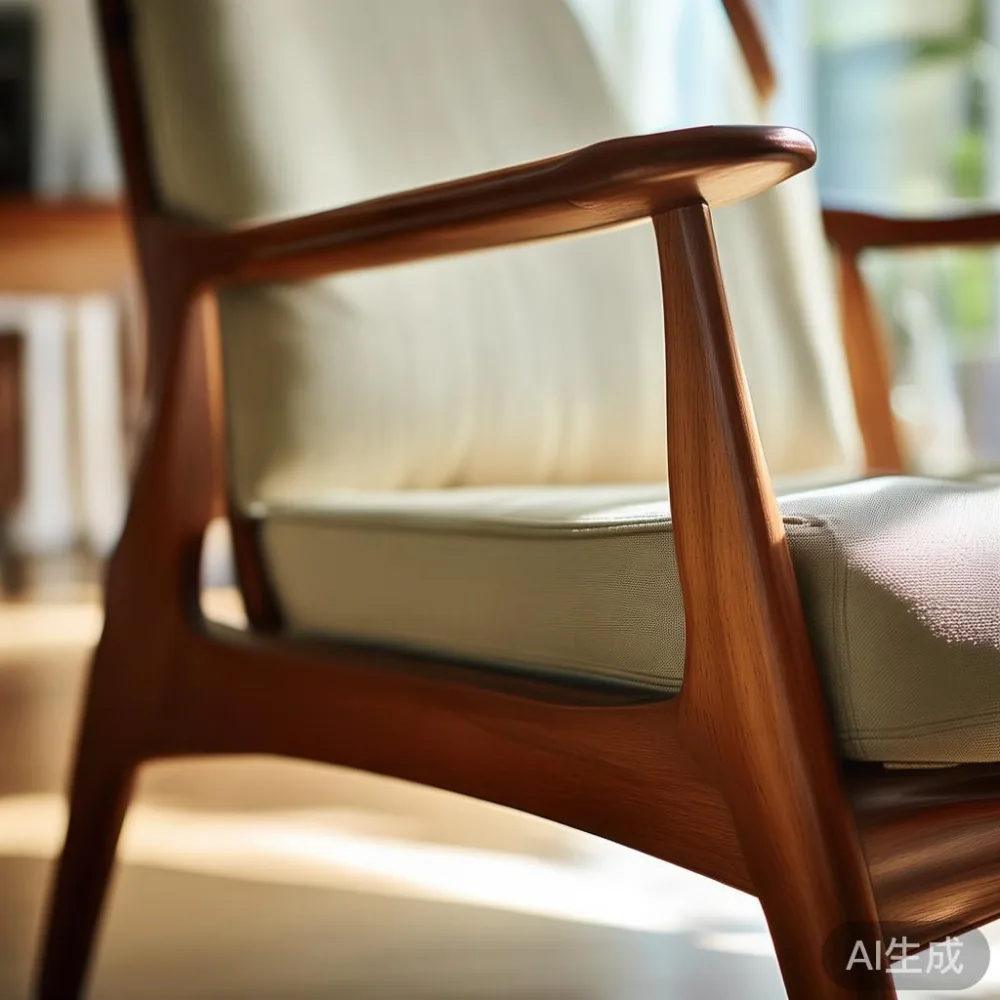
For small apartments, the practical rules are simple. Keep the tallest piece in the room at or below 90 cm if the ceiling is under 2.6 m. Pick legs that lift the body 18 to 22 cm off the floor so the eye sees floor, not bulk. Use two wood tones, not four: a warmer tone for large case goods and a cooler tone for small accents. Limit metal finishes to two as well. And budget the SGD spend by area, not by piece: in a 22 m² living room I would put roughly 45% of the budget into the solid wood sofa, 20% into a marble table or coffee table, 15% into a media console, and the remaining 20% into lighting, art, and a rug. A small bedroom under 10 m² usually flips that ratio: 50% to the bed frame, 20% to the wardrobe, 15% to the nightstand pair, and 15% to a reading chair or bench.
How do I keep a small apartment from feeling crowded?
Crowding is rarely about the number of pieces. It is about negative space, sight lines, and the way a room reads from the doorway. Three rules do most of the work.
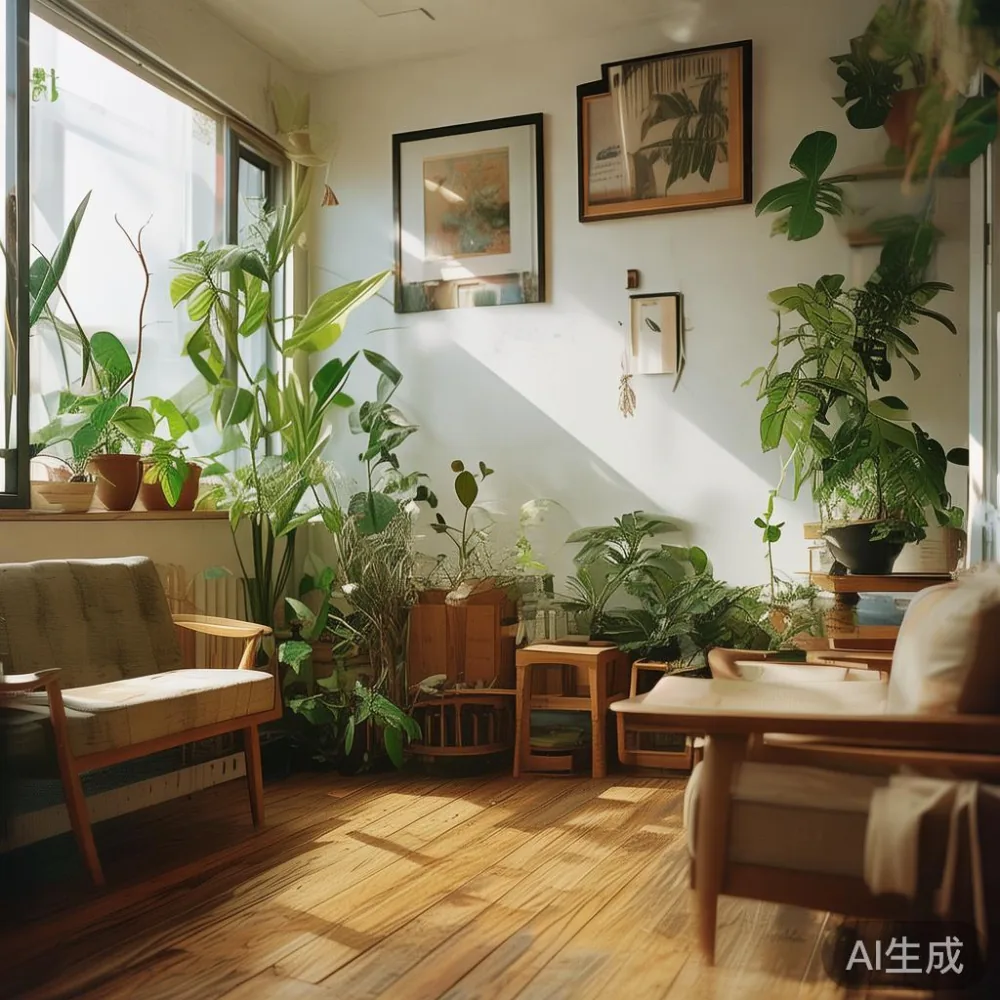
1. The 60 cm walking corridor. In HDB living rooms of 3.2 to 3.6 m wide, keep at least one clear path of 60 to 75 cm between the solid wood sofa and the marble table. Below 60 cm the room starts to feel like a corridor. Above 90 cm the seating feels stranded. A 70 cm gap lets two adults pass without turning sideways.
2. Two-thirds coverage on rugs. A 200 cm by 280 cm rug anchors a standard three-seat sofa. Anything smaller floats and visually doubles the floor footprint. If your sofa is 220 cm wide and the rug is 200 cm wide, the front legs of the sofa should sit on the rug, never just behind it.
3. One hero, two supporting pieces, one accent. In a small living room, pick one statement item, typically the marble table or a pendant lamp, two supporting pieces, usually the sofa and the largest case good, and one accent, often a single lounge chair or a tall plant in a 40 cm planter. More than that and the room starts talking over itself.
I tested this last quarter in a 21 m² flat in Bedok with my colleague's sister. We removed three pieces of furniture she had bought during a 2023 sale, kept the solid wood sofa, swapped a heavy teak sideboard for a 150 cm by 35 cm by 75 cm low console in light walnut, and replaced a 100 cm round marble table with a 110 cm by 60 cm oval marble table on slim black legs. The room shrank in square-metre count by exactly zero but expanded visually by what felt like 4 m². The walk-through corridor went from 52 cm to 68 cm. The ceiling-to-table clearance opened up because the new marble top is 8 mm thick versus 18 mm on the old one. That 10 mm change matters more than it sounds.
How to choose Japandi sofa options that fit a HDB lift?
Japandi is the quiet sibling of mid century modern: Scandinavian shape, Japanese restraint. If you are searching for how to choose Japandi sofa pieces for a small flat, the decision tree is mostly about lift clearance and seat depth, not aesthetics. Measure the lift door at your block before you order. Most Singapore lift doors run 0.8 to 0.9 m wide. A standard three-seat sofa frame, unboxed, is often 200 to 220 cm wide. The frame will not fit through the door flat. Two solutions: pick a sofa that ships in two or three modules under 85 cm each, or pick one with detachable legs that bring the frame under 78 cm tall. MIDHILL's sofas tend to ship as three pieces, each under 80 cm, with legs that unscrew by hand. That detail is not marketing. It is the difference between a delivery day and a return trip.
Seat depth is the second decision. A standard 60 cm seat depth is fine for a 1.75 m adult. If the sofa will sit against a wall in a 3.2 m wide living room, drop to 55 cm so the front edge leaves a 70 cm walking corridor. Cushion density also matters more than brand. A 35 kg per cubic metre foam will soften visibly within 18 months in Singapore humidity. A 45 kg per cubic metre foam wrapped in a 200 gsm down-feather jacket holds shape closer to five years. Heavier cushions add 8 to 12 kg per seat, which the lift and your floor load rating both need to support. A 2.4 m sofa at 95 kg total puts around 40 kg per square metre on a HDB floor, well within the 1.5 kN per square metre design load, but worth knowing.
Fabric choice closes the loop. In Singapore, anything above 80% polyester will feel warm after a 32°C day. Linen-cotton blends at 280 to 380 gsm feel cooler and age into a softer hand. For a small HDB room, I would avoid white or cream and pick a warm grey, a muted clay, or a sage green. Each hides the humidity-driven dust that builds up before your weekly clean.
How to style Japanese bed in bedroom layouts under 10 m²?
A small HDB bedroom in Punggol or Sengkang is usually 9 to 10 m² after the built-in wardrobe eats one wall. For a calm Japanese bed setup, the rules are simple: floor clearance of 30 to 38 cm, a headboard no taller than 90 cm, and a width that respects a 50 cm side clearance on at least one side. If you want a deeper guide on how to style Japanese bed in bedroom setups, treat the bed as the only horizontal anchor in the room and let everything else rise around it.
Concretely, for a queen-size bed at 152 cm by 188 cm, leave 60 to 70 cm of walking space on the entry side and 50 cm on the other. Place a 180 cm by 230 cm rug with the bed sitting two-thirds on it. Keep the nightstand at 45 to 50 cm wide so it does not crowd the side clearance. Height of the nightstand should match the top of the mattress, usually 55 to 60 cm from the floor. A walnut nightstand at SGD 1,200 to SGD 2,400 will pair more quietly with a light oak bed frame than another oak piece will. Two tones of the same wood family read as intentional, while two identical tones read as a set bought on the same day.
For a queen bed, the mattress thickness should sit between 20 and 28 cm. Thicker mattresses push the sleep surface above 60 cm, which forces taller nightstands and breaks the low horizontal line that defines mid century modern. A 22 cm pocket-spring mattress on a 35 cm clearance bed frame puts the sleep surface at 57 cm, exactly where the room starts to feel balanced.
How to style Japandi bed in room without losing floor space?
Japandi bedrooms lean a touch warmer than pure Japanese, a touch cleaner than pure Scandinavian. If you are working out how to style Japandi bed in room settings, the trick is to give the bed one quiet accessory and resist the urge to dress it like a hotel suite. One lumbar cushion, one throw folded at the foot, and a single reading light on a swing arm. Anything more and the bed starts to compete with the wardrobe.
For storage, use the under-bed zone. A 35 cm clearance bed frame on queen legs gives a 30 cm internal height for flat storage. Two rigid boxes at 80 cm by 60 cm by 28 cm slide in from the side and hold roughly 30 kg each. In Singapore humidity, avoid fabric baskets on the floor; they wick moisture and grow mildew within six months. Solid wood under-bed drawers with metal runners handle the 30 kg load better and last longer than the bed itself.
Lighting in a small Japandi bedroom is a small circle of warm light, not a flood. A 12 W LED at 2700 K on a swing arm, mounted 110 cm above the floor beside the headboard, casts a 60 cm reading pool without lighting the wardrobe wall. That single decision keeps the room calm at night and lets the wardrobe handle the daytime storage.
How to style light luxury wardrobe in apartment corridors that are only 1.2 m wide?
Wardrobes are the trickiest piece in a small flat because they are tall, heavy, and rarely come in lift-friendly parts. If you are working through how to style light luxury wardrobe in apartment settings where the corridor is only 1.1 to 1.3 m wide, the wardrobe should never stand proud of the wall. Flush to the wall, with a 2 to 3 cm shadow gap at the top and side, reads as built-in even when it is freestanding. Doors should be sliding, not hinged, because a 60 cm hinged door needs 60 cm of arc space that the corridor does not have.
For dimensions, a two-door sliding wardrobe at 150 cm wide by 60 cm deep by 220 cm tall fits a standard HDB bedroom recess. Three-door units at 180 to 210 cm wide need a 2.4 m wall. Anything above 220 cm tall will press against the ceiling cornice in older HDB blocks. Keep the wardrobe to the height of the door frame, usually 205 to 210 cm, and let the cornice breathe.
Interior layout is where light luxury lives. A two-door wardrobe at 150 cm wide can carry one 60 cm hanging zone, four shelves at 32 cm clear height, and two drawers at 18 cm deep. That covers roughly 80% of a single person's wardrobe. Add a 30 cm shoe zone at the bottom with a tilt-out rack and you cover 90%. Lighting inside the wardrobe matters more than people expect. A 5 W LED strip at 4000 K on the ceiling of the wardrobe, tied to a door sensor, costs around SGD 45 and saves you from the daily rummage that crowds the bedroom floor.
What light luxury details make a mid century modern flat feel expensive?
Light luxury, in the French light luxury and American light luxury traditions, is a restraint rather than an excess. French light luxury leans on material honesty: a thin marble table top, brushed brass, one curved edge on a sofa arm, a single statement chair. American light luxury leans on comfort: deeper seats, heavier fabrics, larger rugs, one oversized light. Both work in a HDB flat if you stay honest about the square metres.
Three details do most of the work:
1. A thin marble table. An 8 mm sintered stone or marble table top on a slim black steel base reads as expensive and weighs under 22 kg for a 110 cm by 60 cm piece. Heavier 18 mm tops feel clunky in a small room and need two people to lift.
2. One piece of warm metal. A brushed brass lamp base or a brass handle on a side table is enough. Two is the ceiling. Mixing brass with black and walnut is the safest palette for mid century modern in Singapore humidity, where chrome starts to pit within 18 months.
3. A real rug. A wool or wool-blend rug at 200 cm by 280 cm costs between SGD 600 and SGD 1,400, which feels like a lot until you see how a 80 cm by 150 cm synthetic rug floats and makes the room feel smaller. A larger rug is the cheapest square metre you can add visually.
For a complete look, MIDHILL often pairs their solid wood sofa with a separate marble table in the same delivery order, and the two pieces arrive on the same lorry so the SGD 350 free-shipping threshold is met once rather than twice. That kind of practical detail is the unglamorous side of light luxury, and it matters when you are paying 9% GST on top of the ticket price.
Which solid wood pieces should I buy first in a small apartment?
Order matters in a small apartment because every delivery is a lift trip, a corridor trip, and a half-day of clearing other furniture. The order I would recommend: bed frame and mattress first, then the wardrobe, then the dining table, then the solid wood sofa, then the marble table and nightstands last. The reason is clearance. A queen bed frame in three boxes under 80 cm each goes up any lift. A wardrobe in two boxes at 60 kg each needs the service lift on quieter hours. A dining table at 140 to 160 cm long, unboxed, often needs the service lift because it will not tilt through the 0.9 m door. A sofa in three modules under 80 cm each goes up any lift. The marble table and nightstands are small enough to ride up in the passenger lift at any time.
For budget, assume the following SGD bands after 9% GST and delivery:
- Queen solid wood bed frame: SGD 1,800 to SGD 3,200
- Queen mattress, pocket spring: SGD 1,200 to SGD 2,400
- Two-door sliding wardrobe: SGD 2,400 to SGD 4,200
- Four-seat dining table, solid wood top: SGD 1,600 to SGD 3,000
- Three-seat solid wood sofa: SGD 2,800 to SGD 5,200
- Marble table, 110 cm: SGD 900 to SGD 1,800
- Pair of nightstands: SGD 600 to SGD 1,200
A full primary bedroom and living room set runs between SGD 11,000 and SGD 21,000 before promos. MIDHILL's 10-year structural warranty and lifetime refinishing offer fits this kind of long-term ownership better than a fast-fashion brand, and their pieces tend to arrive in 18 to 35 days from Foshan with tracking. The 14-day return window is enough time to unbox, assemble, and decide. For small apartments, that delivery window also matters because storage in a HDB is rarely free.
How do I keep a mid century modern room calm after the styling is done?
The last 10% of any room is maintenance. In a Singapore HDB, that means humidity, sun, and the slow drift of clutter. Three habits keep a mid century modern flat looking intentional rather than accidental.
1. Rotate cushions monthly. Foam softens unevenly. Rotating cushions front-to-back and flipping them extends seat life by roughly a year and keeps the silhouette sharp.
2. Wipe solid wood every two weeks. A damp microfiber cloth, dried immediately, removes the humidity-driven film that builds up on walnut and oak. Avoid silicone sprays. They soften the wood over a year.
3. Refinish every five to seven years. A light sand and a fresh coat of hard wax oil on dining tables and wardrobes resets the colour and protects against ring marks. This is where lifetime refinishing from a maker like MIDHILL pays for itself, since the work is done in-house rather than outsourced.
If you are still browsing, a sensible shortcut is to read their catalogue by collection rather than by piece. The mid century modern collection will share a wood tone across the bed frame, the wardrobe, the nightstand, and the dining table, which means you can stage a small HDB flat with two deliveries and have everything match. The Japandi collection leans lighter, with white oak tones and lower profiles, which works in a north-facing HDB room that gets less direct sun. The light luxury collection carries the marble table and the brushed brass details that finish the look.
Browse the full catalogue and current SGD pricing at m.midhill.co, and use the lift-friendly dimensions listed on each product page to plan the corridor trip before you check the SGD total. A small flat is not a constraint. It is a brief. Measure the lift door, keep the legs slim, hold two-thirds coverage for rooms, and let the negative space do the work that more furniture cannot.