Price Dynamics of Solid Wood Furniture in Singapore Explained
Last month I visited a friend's new BTO in Tampines and watched him unbox a flat-pack bed frame that cost him SGD 489 online. The slats were hollow, the screws rounded out after three weeks, and his spare bedroom started smelling like a paper mill in the afternoon heat. Two weekends later, he drove to a showroom in the Eunos area and put a deposit card on a different solid wood bed frame for SGD 1,680. Two beds, both "wood," a gap in product reality that most Singapore shoppers never get explained to them. After spending three weeks comparing factories in Foshan, talking to carpenters in Bedok, and measuring lift openings in Punggol HDB blocks, I want to walk you through what actually drives the price of solid wood furniture, so the next piece you bring home is one you keep for a decade, not one you replace by next Chinese New Year.
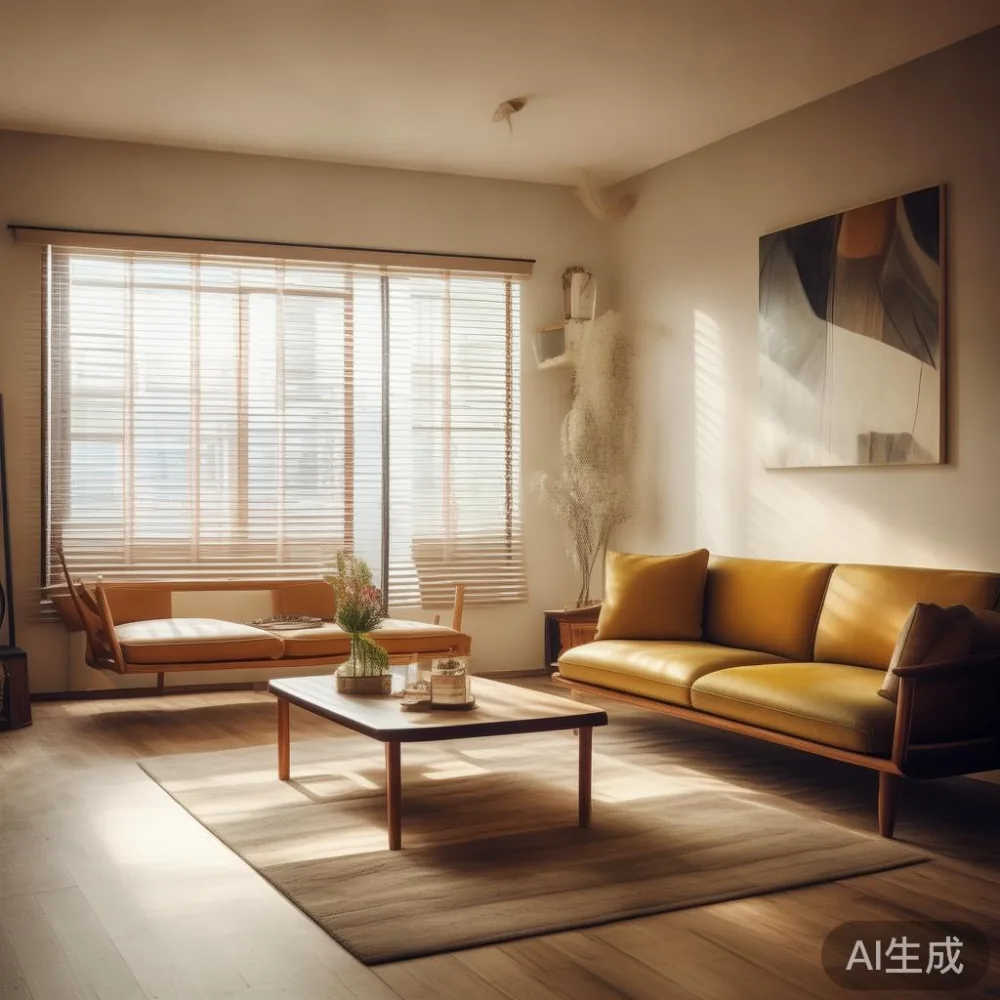
Wood Species, Density, and Why "Solid Wood" Is Not One Thing
The single largest driver of price on a solid wood sofa, dining table, or wardrobe is the species of timber inside it. In Foshan factories, three buckets dominate the mid century modern catalogue: rubberwood (hevea), ash, and walnut. Rubberwood is the workhorse. A six-seat rubberwood dining table runs about SGD 950 to SGD 1,400, the tree matures in roughly 25 to 30 years, and the timber is plantation-grown across Malaysia, Thailand, and southern China. Density sits around 560 to 650 kg/m3, which is firm enough for everyday family meals but soft enough that knife marks show after a year of careless chopping. Ash is the middle child, harder (around 670 kg/m3), paler in tone, and the favourite of mid century modern designers since the 1950s because it bends cleanly into tapered legs. An ash dining table in Singapore retails for SGD 1,800 to SGD 2,600 depending on the top thickness, which usually runs from 3 cm to 4 cm. Walnut sits at the top: 600 to 700 kg/m3 but darker, with a tight pore structure that resists dents. A solid walnut 200 cm dining table crosses SGD 3,200 at almost every price point I checked, and that is before you add a marble inlay.
The species question also explains why two "solid wood" pieces at a Singapore furniture fair can be priced 80% apart without either store lying to you. One uses rubberwood with a 2.5 cm top, the other uses ash with a 4 cm top and through-tenon joinery. Same category, very different product. When a salesperson tells you "solid wood," ask which species, what thickness in cm, and whether the drawer boxes and shelves are also solid timber or have been swapped for plywood. The honest answer usually tells you more than the price tag.
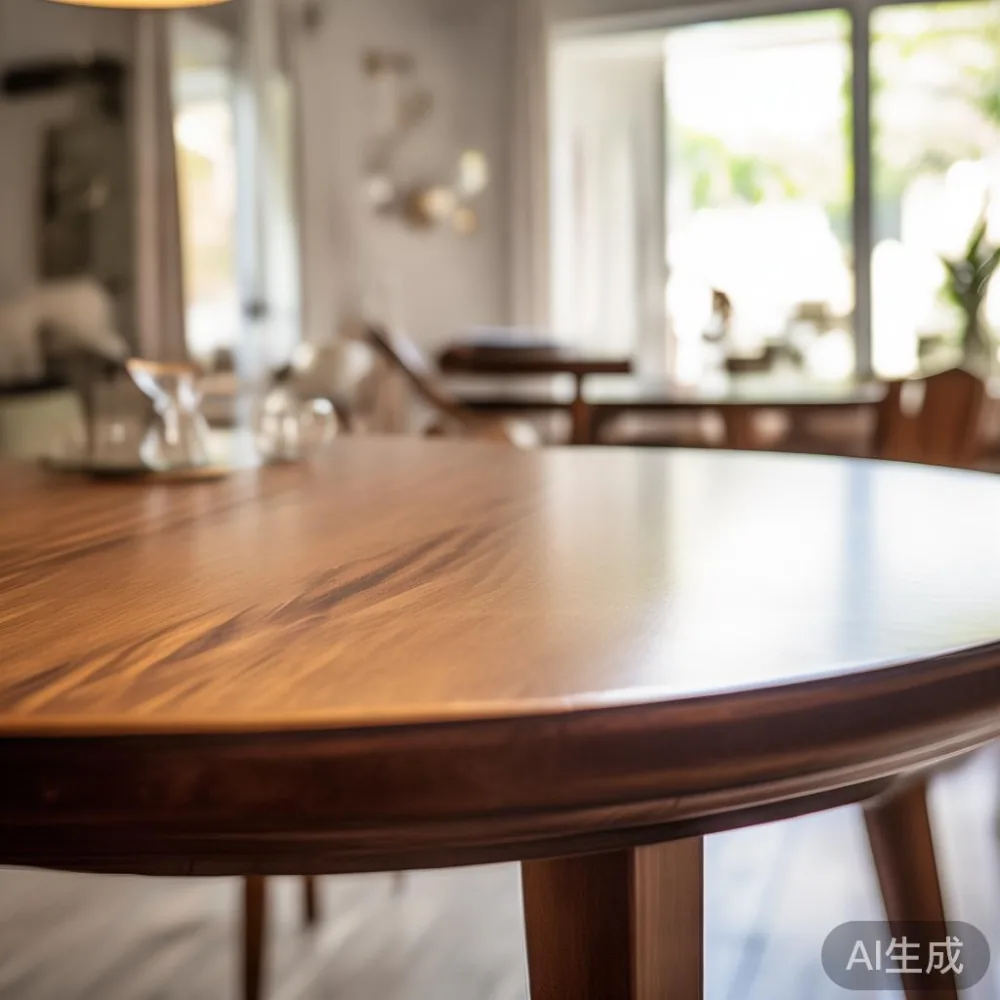
Joinery, Hardware, and the Quiet Details You Don't See
Species is the headline. Joinery is the story that quietly doubles or halves the lifespan. The cheapest solid wood nightstand in a Bedok shop lot will likely use dowels, a few cam locks, and a thin back panel stapled into a routed groove. It will hold your lamp and a paperback for a season. The more carefully built alternative uses mortise-and-tenon corners, dovetailed drawer boxes, and a back panel that floats in a 1 cm rabbet so the timber can breathe through Singapore's 80% humidity swings. On a 45 cm three-drawer nightstand, that joinery upgrade moves the price from roughly SGD 320 to SGD 560 without changing the wood species at all.
Hardware tells a similar story. Soft-close drawer slides from brands like Blum or Hettich add about SGD 18 to SGD 35 per drawer but change how a wardrobe or bedside cabinet feels for the next ten years. Cabinet hinges that close on a magnetic catch cost SGD 1.20 each; the soft-close equivalents cost SGD 4.50 to SGD 8.00. On a four-door wardrobe with six drawers and eight doors, that is the difference between a SGD 2,200 product and a SGD 2,700 product, and the latter is the one you will still want in your Tampines resale flat in 2034.
My colleague who sources for a Punggol condo staging company told me she can spot a plywood back panel from across a showroom in roughly three seconds. "If the back panel flexes when I push it," she said, "I walk away. A proper solid wood wardrobe back is 1.2 cm thick and doesn't move." That single test, she added, separates the SGD 1,400 wardrobes from the SGD 2,800 ones more reliably than any spec sheet.
Origin, Shipping, and the Singapore-Specific Cost Stack
Geography quietly adds 18% to 32% to the landed cost of a piece before you even touch GST. A 14-cubic-metre container from Foshan to Singapore costs roughly SGD 3,800 to SGD 4,600 in 2025, depending on fuel surcharges, and that container typically holds 18 to 24 dining tables or 35 to 50 smaller items like nightstands and side chairs. If a brand ships air-freighted samples or pays for white-glove last-mile delivery into a Punggol HDB corridor that is only 1.2 m wide and a lift opening at 1.0 m, those line items get folded into the price too.
Customs duty in Singapore on finished wood furniture is 0%, but the 9% GST (as of 2025) is non-negotiable on CIF value, and most direct-from-Factory brands in the SGD 1,500 to SGD 3,000 range will be GST-registered, so the receipt shows the tax line clearly. After GST, delivery into a HDB block usually runs SGD 80 to SGD 180 for a single item, free above a threshold that ranges from SGD 350 to SGD 800 depending on the retailer. Marble table pieces, which can weigh 60 kg to 110 kg for a 120 cm round top, often carry a surcharge of SGD 120 to SGD 250 because they require two men and a stair-climber for third-floor walk-ups without a lift.
This is also where light luxury positioning earns its price tag. The French light luxury aesthetic, with its restrained profiles and warm walnut tones, costs more because the factories that specialise in it use shorter production runs, hand-finished French polishing, and brass-plated hardware rather than zinc. American light luxury leans on thicker tops, often 4 cm to 5 cm ash or white oak, and oversized proportions that simply use more timber per piece. Post-modern light luxury mixes both, layering curved corners, fluted panels, and marble accents on solid wood frames. Each style costs roughly 15% to 35% more than a plain Scandinavian build of the same species, and you can see the difference in the corner radius, the finish sheen, and the weight in kilograms.
How Do I Style a Nordic Queen Bed in a Small Apartment?
A Nordic queen bed frame looks best in a Singapore one- or two-bedder when you keep the surrounding pieces quiet: a 50 cm ash or rubberwood nightstand, a single 90 cm solid wood armchair in oat boucle, and one statement piece (a marble table side console, perhaps) to anchor the eye. Skipped: heavy drapes, dark wall colours, and rugs wider than 200 cm, all of which shrink a 38 sqm Punggol unit visually.
Now the longer answer. A standard queen mattress in Singapore is 152 cm by 190 cm, which means the bed frame itself will measure roughly 160 cm by 210 cm, plus another 15 cm on each side for a headboard that breathes. In a 38 sqm one-bedder, that leaves you with a corridor of about 60 cm to 70 cm between the bed frame and the opposite wall, which is exactly the width needed to walk past without bumping your hip on the nightstand. Keep your nightstands under 45 cm deep and your wardrobe under 60 cm deep, and the room will hold its shape. Add a 90 cm by 40 cm wall-mounted floating shelf above the headboard for books and a reading lamp, and you have reclaimed the square footage that a traditional bedside lamp would have eaten on the nightstand. Skip a six-drawer dresser in the bedroom and let the wardrobe carry the load; mid century modern wardrobes in solid ash at 180 cm tall by 120 cm wide hold a surprising amount, including the vacuum cleaner if you tilt it sideways on the floor.
Does Solid Wood Furniture Last Longer in Singapore's Humidity?
Yes, but only if the timber is dried correctly before it reaches your flat. The target moisture content for solid wood furniture in Singapore is 10% to 12%, anything above 14% and you will see cupping, joint gaps, and mould spots within the first six months. Responsible exporters store the wood in climate-controlled warehouses for 60 to 90 days before finishing, then acclimatise it again in Singapore for another 7 to 14 days. A brand that skips that step will sell you a 200 cm dining table at SGD 200 less, and you will pay for it in cracks by Chinese New Year.
Two practical checks before you pay. First, weigh the piece. A real solid wood 200 cm dining table with a 4 cm top weighs between 75 kg and 110 kg depending on species. If the showroom sample weighs 45 kg, something hollow is hiding under the veneer. Second, look at the underside. Factories that cut corners use a different timber on the underside (often a cheaper species) or a thin plywood backer. A proper piece will have the same species on all visible and hidden faces. These two tests will save you from the most common Singapore furniture complaint: a dining table that cups within a year because the underside and top dried at different speeds in your air-conditioned living room.
Finish, Upholstery, and the Light-Luxury Surface Story
Finish is the line item that separates mid century modern staples from full light-luxury pieces, and it accounts for roughly 8% to 14% of the retail price on a solid wood sofa or upholstered bed frame. The three finishes I see most often in Foshan showrooms are matte open-grain (rubbed with natural oils), satin lacquer (sprayed polyurethane, two to four coats), and hand-rubbed French polish (eight to fourteen coats of shellac, each rubbed by hand). Open-grain is the most "natural" feeling but offers the least stain resistance, which matters if your Tampines toddler eats nasi lemak on the dining table every weekend. French polish looks the most refined, costs roughly 30% more, and wears through slowly over twelve to twenty years of normal use.
Upholstery on a solid wood sofa adds another layer. A three-seater with solid ash frame, sinuous springs, high-density foam at 32 kg/m3, and a washable linen-blend cover starts at SGD 1,800. Swap to full aniline leather, goose-down wrap on the foam, and a solid walnut frame, and the same sofa crosses SGD 3,800. The frame is still solid wood in both cases; the price gap is the leather grade, the foam density, and the labour hours of the upholsterer.
Warranty, Refinishing, and What Happens in Year Eleven
Warranty length is the easiest signal of manufacturer confidence. A two-year warranty on a solid wood dining table is the industry floor. A five-year warranty on joinery is respectable. A ten-year structural warranty, paired with lifetime refinishing services, is the kind of offer you only see from factories that have been around long enough to stand behind the timber they ship. MIDHILL, the Foshan solid wood maker behind the catalogues you will see in several Tampines and Punggol home staging projects, has run that exact policy since 2008 and exports to more than fifteen countries. I mention them only as a data point in the warranty conversation, since the policy itself tells you more about the company than any showroom sample can.
Lifetime refinishing is the underrated line item. A solid ash dining table that has been in your Punggol condo for fifteen years can be sanded back, re-stained, and re-sealed for roughly SGD 280 to SGD 450, which is a fraction of replacement cost. A solid wood sofa frame can be re-upholstered for SGD 600 to SGD 1,200 and look brand new. That arithmetic is what makes solid wood furniture cheaper in year ten than the flat-pack alternative you would have replaced three times by then. MIDHILL's lifetime refinishing service is one of the practical reasons a Singapore buyer pays a little more up front: the piece ages, then resets, then ages again.
Putting It Together: Reading a Price Tag Like a Carpent
When you walk into a showroom, ask four questions and you can decode 80% of the price difference between two pieces. What is the species, and what is the top thickness in cm? Is the back panel and drawer box also solid wood? What is the joinery, and which hardware brands are used? What is the warranty in years, and what refinishing services are included? A solid wood sofa or bed frame in the SGD 1,800 to SGD 3,500 range, in a style you actually like, with a ten-year warranty and a refinishing policy, will outlast three cheaper replacements and likely cost you less by year seven. Spend the afternoon measuring your HDB lift opening, your corridor width, and the doorway swing at your Tampines or Bedok unit, then bring those numbers with you. The right piece for a French wardrobe sg korea inspired layout, with a Korean-influenced low profile and a French-polished walnut face, will arrive in your flat, fit through the door, and still look right when your friends come over for the next ten New Years.