Price Influences on Solid Wood Furniture in Singapore's Market
I bought my first solid wood dining table eight years ago in a Tampines HDB furniture shop, and it lasted exactly eleven months before the top started cupping. The shop had called it "solid wood" on the price tag, and I paid SGD 1,480 for what turned out to be a veneered MDF core with a 2mm ash overlay. That mistake cost me a disposal fee, a strained relationship with my in-laws, and a quiet obsession with figuring out what actually drives the price of solid wood furniture. This article is the result — written from a Foshan factory floor perspective, since I now spend a week or two each quarter visiting workshops in China and Southeast Asia, including suppliers that work with brands like MIDHILL on mid-century-modern pieces for export to Singapore, Australia, and the Middle East.
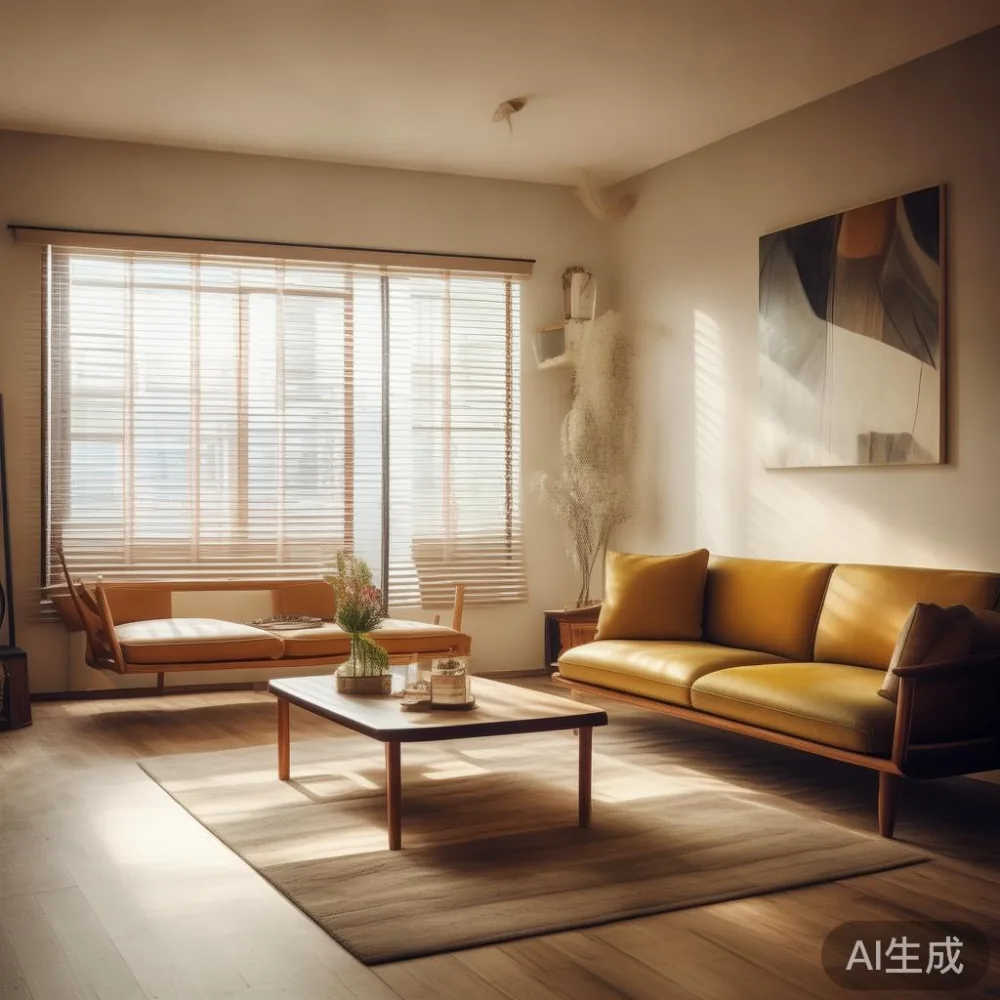
Solid wood furniture in Singapore looks expensive when you compare it to the flat-pack options at the Causeway Point furniture mall. A mid-century-modern solid wood sofa frame from a Foshan workshop can land at SGD 2,200 to SGD 3,800 before upholstery. A four-seater dining table in the same style runs SGD 1,800 to SGD 4,500. A queen-size bed frame sits at SGD 1,400 to SGD 3,200. A two-door wardrobe lands anywhere from SGD 2,600 to SGD 6,500 depending on species. Those numbers look high, but they are honest: each one reflects a chain of decisions, from the tree in the forest to the lift in your Bedok condo.
1. Wood Species and Grade: Where Half the Price Comes From
The single biggest driver is species. Ash, white oak, walnut, beech, and rubberwood each have a different price floor, and that floor flows straight through to the retail number. In Foshan's furniture cluster (more than 200 sqkm of workshops, laminating lines, and finishing rooms), the wholesale spread looks roughly like this:
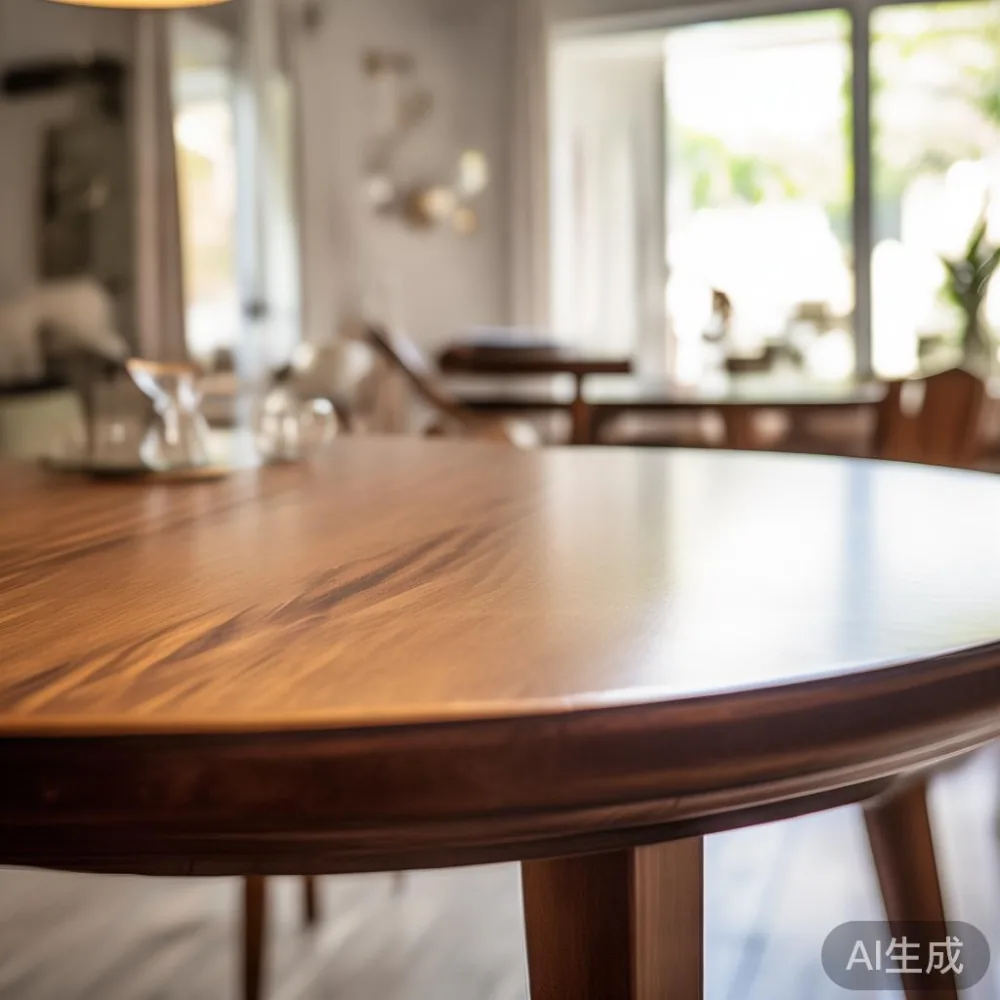
Rubberwood (Hevea brasiliensis), plantation-grown across Malaysia, Thailand, and Vietnam: SGD 450 to SGD 700 per cubic metre landed in China. Common in light-luxury pieces because it takes stain evenly and costs less than oak. A rubberwood dining table for six retails at SGD 1,200 to SGD 2,000 in Singapore.
Ash (Fraxinus mandshurica, mostly from Heilongjiang and Jilin in northeast China): SGD 1,400 to SGD 2,200 per cubic metre. The standard bearer for mid-century-modern frames because of its straight grain and shock resistance. A solid wood sofa with ash internal frame: SGD 2,400 to SGD 3,600.
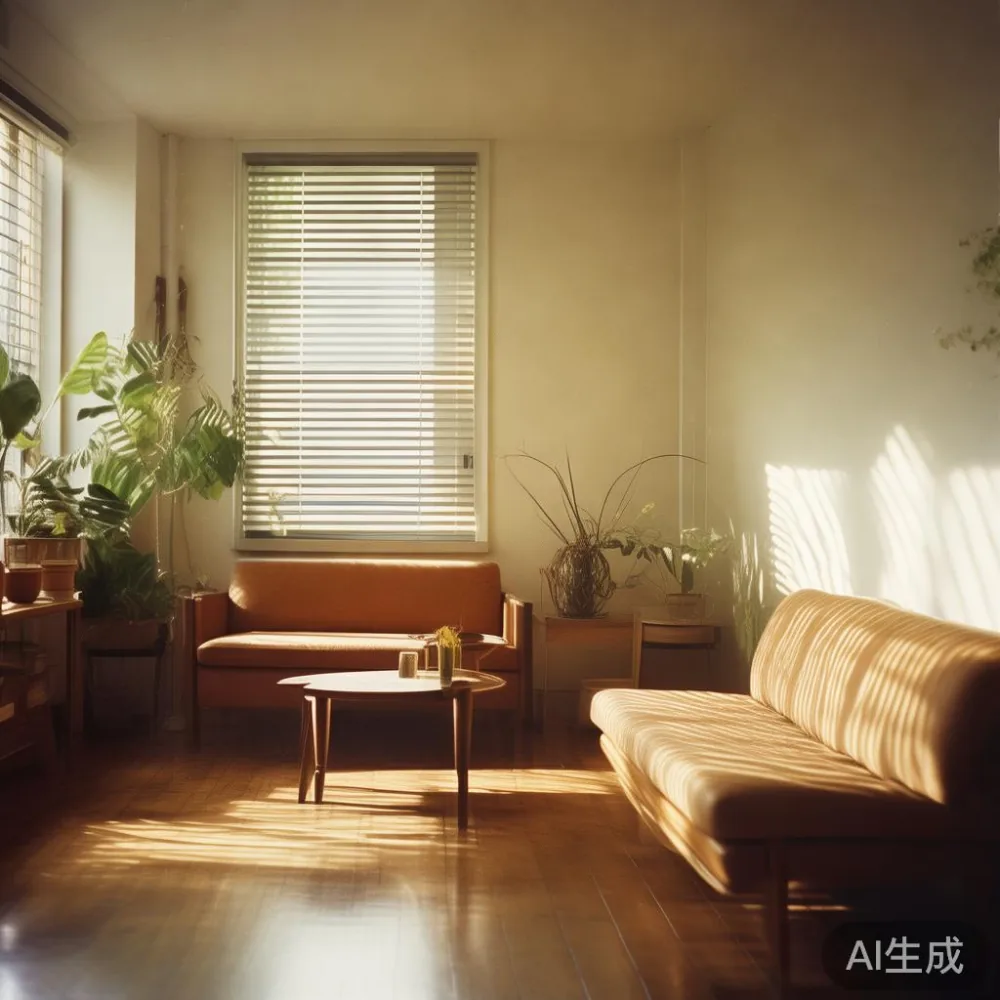
White oak (Quercus mongolica, Russian Far East, or American white oak imported via Tianjin): SGD 2,800 to SGD 4,500 per cubic metre. The American light luxury codes heavily on oak — wider planks, quarter-sawn tops, oil finishes. A four-seater oak dining table: SGD 3,200 to SGD 5,200.
Black walnut (Juglans nigra, American): SGD 6,000 to SGD 9,500 per cubic metre. The French light luxury codes favour walnut for its chocolate tone and tight grain. A walnut bed frame in a Punggol EC master bedroom: SGD 4,800 to SGD 7,500.
Grade is the second layer. FAS (First and Seconds) timber gives you long, clear boards with few knots. #1 Common and #2 Common allow shorter cuttings and more knots, which a skilled workshop uses for the internal frame and the back of a wardrobe. A dining table top made from FAS ash versus #1 Common ash can swing 18% to 30% on the same design.
2. Moisture Content, Kiln-Drying, and Singapore's Climate
Singapore sits at 1° north of the equator. Year-round relative humidity averages 78% to 82%, with afternoon peaks of 90% during the monsoon transition months. Wood is hygroscopic: it swells when humidity rises and shrinks when it drops. The window the manufacturer targets is 8% to 12% moisture content for furniture that ships to and lives in Singapore. Each kiln cycle runs 30 to 60 days depending on thickness, and a 35mm-thick ash plank needs roughly 45 days in a dehumidification kiln.
A workshop that skips the second conditioning chamber, or that ships at 14% moisture content to save on kiln time, will produce a piece that cups within six months in a Punggol corner unit. Last month I visited a Foshan workshop that had rejected 14% of an incoming ash batch because the supplier skipped the equalising step. The workshop owner told me the reject cost (about SGD 9,800 on that single container) was cheaper than one Singapore warranty claim, which would have run SGD 600 to SGD 1,800 in shipping, rework labour, and reputational damage.
For Singapore households, the practical implication is simple: ask whether the piece is kiln-dried to local-equivalent moisture content, and ask whether the workshop acclimatises the boards in the workshop for another 7 to 14 days before cutting. MIDHILL, for example, runs a two-stage drying protocol (kiln plus workshop conditioning) on every mid-century-modern bed frame and dining table bound for Southeast Asia.
3. Joinery and Hardware: Why a Dovetail Costs More Than a Dowel
Joinery is where solid wood furniture earns its keep — or where it quietly becomes engineered wood dressed up as solid. The four joinery tiers I see in Foshan, from cheapest to most expensive, are:
Cam-lock and dowel only: the classic flat-pack approach. Particleboard or MDF core, dowels at stress points. Cheap, fast, and not what we are discussing here.
Doweled mortise and tenon with pocket screws: common in entry-level solid wood sofa frames. Acceptable if the dowels are 10mm hardwood and the tenon walls are at least 12mm thick.
Through-tenon with wedges, plus glue: the standard for a serious dining table or bed frame. The tenon passes all the way through the apron and is locked with a contrasting wedge. Cost adds about SGD 120 to SGD 280 per dining table.
Hand-cut dovetail on drawers, mortise and tenon on cases, through-tenon on chairs and tables: the upper bound. A hand-cut dovetail drawer takes 20 to 35 minutes from a skilled cabinetmaker. At a Foshan bench rate of SGD 6 to SGD 10 per hour fully loaded, that drawer is roughly SGD 3 to SGD 6 of labour. A 6-drawer wardrobe then carries SGD 100 to SGD 180 in drawer joinery alone.
Hardware follows the same logic. Soft-close drawer slides run SGD 18 to SGD 45 per pair at the Foshan component market; European hinges with three-way adjustment run SGD 12 to SGD 25 each. A wardrobe with six doors and three drawers needs 12 hinges and three pairs of slides, which adds SGD 220 to SGD 510 to the BOM (bill of materials) before any wood touches a saw. When you see a wardrobe retailing at SGD 1,200, that hardware line is the first thing that got cut.
4. Upholstery, Padding, and the Hidden 40% on a Solid Wood Sofa
A solid wood sofa carries a hidden 40% of its price in the seat and back. The kiln-dried ash frame is the visible backbone, but the cost stack reads roughly: frame and joinery 25%, webbing and serpentine springs 8%, foam and fibre 20%, fabric or leather 35%, labour 12%. Last quarter I sat on a mid-century-modern sofa in a Punggol showroom where the frame was solid ash, the webbing was 50mm black-and-white elastic, the seat foam was 38kg/m³ high-resilience, and the cover was a woven boucle from a Zhejiang mill. Total factory cost: SGD 1,180. Retail in Singapore: SGD 3,490, which tracks with the spread I see across Tampines and Bedok furniture shops.
The variables that swing that number are foam density (28kg/m³ feels soft and degrades in 18 months; 38kg/m³ to 45kg/m³ keeps its shape for 6 to 8 years), fabric content (a 100% polyester boucle at SGD 9 per metre versus a wool-cotton blend at SGD 28 per metre), and leather grade (corrected-grain at SGD 18 per square metre versus full-grain aniline at SGD 38 to SGD 55). A two-seater sofa uses about 7 to 9 metres of fabric. That single line is the difference between SGD 2,800 and SGD 4,200 at retail.
5. Surface Finish, Marble, and the Details You Can Actually Inspect
Finish is where a piece earns its tactile identity, and where a low-cost workshop hides sins. Lacquer (NC or PU) applied in a dust-controlled spray room reads smooth and even. A hand-rubbed oil finish reads warmer and softer but shows every fingerprint. The cost gap between a five-coat PU finish and a hand-oiled wax finish on a dining table top is roughly SGD 180 to SGD 420 at the factory gate. Marble tables follow a similar rule: a sintered stone top (12mm to 15mm) costs SGD 180 to SGD 360 per square metre at the Foshan stone market, while a natural Carrara marble slab of the same thickness runs SGD 380 to SGD 720 per square metre before cutting and sealing.
What you can actually inspect at a Singapore showroom, before the GST 9% line item and the delivery surcharge:
Run your palm across the underside of a dining table. It should feel as smooth as the top, not rough-sawn.
Open every drawer on a wardrobe or nightstand. The slides should engage with a soft pull, not a slam. The drawer bottom should sit in a groove, not float on staples.
Look at the back of a wardrobe. Solid wood back panels (8mm to 12mm tongued-and-grooved) are heavier and quieter than 3mm plywood backs.
On a marble table, check the underside for a fibre mesh and resin back-coat. Skipping the back-coat is a common cost-cut that causes crack propagation in Singapore's humidity.
6. Logistics, GST, and the Last 10% That Hits Your Invoice
Singapore geography shapes the final number. A 40HC container out of Yantian or Nansha runs roughly USD 1,400 to USD 2,400 to Singapore Port depending on the season, and the inland haul from PSA to a warehouse in Tampines or Jurong adds another SGD 280 to SGD 460. A dining table plus four chairs in one carton typically grosses 85kg to 110kg; a bed frame in two cartons runs 60kg to 75kg. Air freight is reserved for samples and replacement parts, at roughly USD 6 to USD 9 per kilogram.
Once the container clears, GST at 9% applies to the landed value, and delivery to an HDB flat on, say, the 12th floor at Block 642A Punggol Way involves a stair climb if the lift opening is under 2.1m wide. Most lift openings in Singapore HDB blocks measure 0.9m to 1.1m wide by 2.0m to 2.3m tall, which is why dining table tops and wardrobe side panels are usually kept under 95cm wide for HDB delivery. Condos are more permissive — many lift cars in Punggol and Bedok new launches measure 1.2m to 1.5m wide by 2.4m tall — but a king-size bed frame still breaks down into headboard, footboard, and side rails for the lift.
The practical threshold many Singapore shoppers use is the free-shipping line. MIDHILL, for instance, waives delivery above US$350 (roughly SGD 470 at current rates), which conveniently clears most single-piece orders like a dining table or a bed frame. Below that, a SGD 80 to SGD 180 delivery surcharge typically applies for HDB and a SGD 120 to SGD 280 surcharge for landed or multi-stop deliveries.
How do I choose a color mismatch for a study?
Pick the lighter wood as the dominant surface and the darker wood as the accent, so the room reads calm rather than busy — for a Singapore study, pair a light oak desk top with a walnut bookshelf and a black metal leg in a 70 / 20 / 10 ratio to keep the mid-century-modern lines clean.
Now to the question itself: a deliberate colour mismatch in a study is one of the cheapest ways to give a small room some character, but the rule of thumb is restraint. The dominant surface — usually the desk top or the wall shelving — should be the lighter of the two woods, because darker tones absorb light and a Singapore study rarely has more than 1,500 to 2,200 lumens of overhead lighting in a 9 sqm to 12 sqm room. A walnut bookshelf against a white wall, with an ash desk top and matte black steel legs, gives you three tones that read as intentional rather than accidental. If the floor is already a dark walnut (a common choice in Punggol ECs), flip the rule and let the desk top go walnut while the shelves go ash — that way the eye lands on the work surface, not the wall.
7. Warranty, Refinishing, and the Lifetime Maths of a Piece
The last price driver is the warranty behind the wood. A 10-year structural warranty on a bed frame or dining table is a proxy for joinery confidence: it tells you the workshop is willing to bet on its mortise-and-tenon work, its dowels, and its glue lines. A lifetime refinishing offer (sanding, re-staining, re-oiling) is a different bet — it tells you the top is thick enough to refinish. A 25mm to 30mm top can take three to five refinishings across 30 to 50 years; an 18mm top can take one before you hit the substrate.
The maths on lifetime cost is straightforward. A SGD 3,200 dining table that lasts 30 years costs SGD 107 per year. A SGD 1,200 flat-pack that lasts 7 years costs SGD 171 per year. A SGD 5,500 bed frame that lasts 25 years costs SGD 220 per year. A SGD 900 flat-pack bed frame that lasts 6 years costs SGD 150 per year. The break-even usually lands at year 8 to year 12 depending on the piece and the household — which is why a 14-day return window is more useful as a defect check than a value check. Inspect joints, slide drawers, smell the inside of a wardrobe for chemical off-gassing, and sit on the sofa for at least ten minutes before you sign the delivery order.
What Should You Actually Pay For?
Pay for kiln-dried boards at the right moisture content, hand-cut or through-tenon joinery at stress points, soft-close hardware on every drawer and door, and a finish thick enough to refinish. Pay less for trend-driven shapes that will look dated by 2032, and pay less for any piece labelled "solid wood" that you cannot inspect on the underside, inside the drawer, and at the back panel. Pay attention to lift dimensions in your block (a 0.9m-wide lift opening will not accept a 1.2m-wide wardrobe side panel without a risky diagonal), and budget 9% GST plus SGD 80 to SGD 280 delivery into your total. The cheapest solid wood piece is rarely the most affordable piece over a 20-year horizon, and the most expensive piece is not always the best-built — the spread is real, and it sits in the species, the joinery, the finish, and the warranty behind the workshop that cut the wood.