Buying Solid Wood Furniture Online in Singapore: What Delivery and Assembly Actually Look Like
Most Singaporeans have measured a hallway at least once. I certainly have. Last month I visited a friend in a 1990s-era HDB block in Tampines to help her receive a 2.4-metre solid wood dining table she had bought online. The corridor was 1.2 m wide, the lift opening was 0.9 m by 2.1 m, and the table top alone weighed 62 kg. We spent an honest forty minutes deciding whether to tip the top vertically or remove the legs first. That afternoon is exactly why I want to write this guide — because the photos on a website rarely match the lift lobby, and small mistakes become expensive ones when GST and redelivery fees are involved.
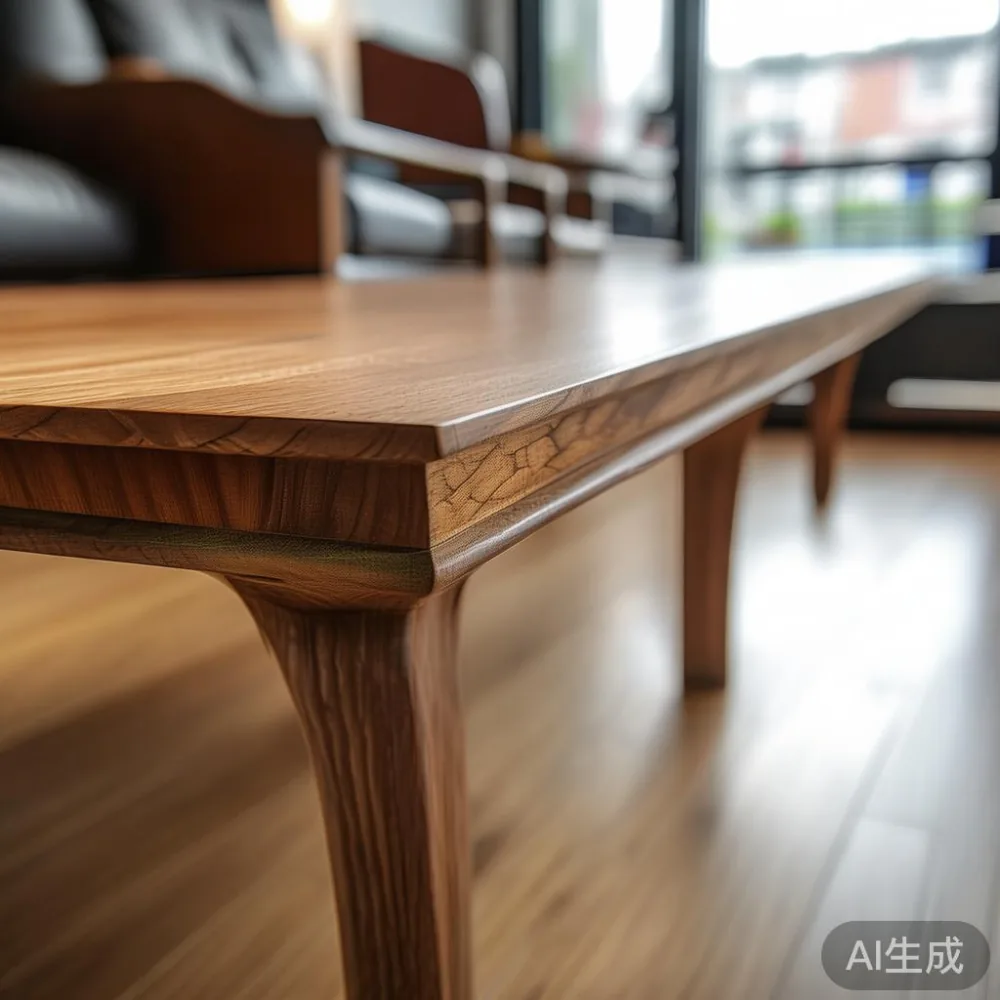
Solid wood furniture is heavier, longer, and more awkward than the flat-pack chipboard most people grew up assembling. A 1.8 m bed frame in oak or ash typically weighs between 55 kg and 75 kg. A three-seater solid wood sofa with a proper hardwood base can hit 90 kg. A six-door wardrobe in walnut easily clears 160 kg. None of this is a deal-breaker, but it changes how you should plan the purchase. Below is the on-the-ground reality of delivering and assembling mid-century-modern pieces in Singapore, written for HDB flats in Bedok, condos in Punggol, and landed houses alike.
Why solid wood changes the delivery equation
Chipboard furniture weighs about 12 kg per square metre at 18 mm thickness. The same panel in solid rubberwood or beech comes in closer to 18 kg to 22 kg per square metre. Multiply that across a wardrobe or an extended dining table and the total package weight can be three to four times higher. Carriers in Singapore price by weight brackets: anything above 50 kg usually moves into a two-man handling tier, and pieces above 100 kg often need three handlers plus a tail-lift lorry. Expect delivery fees between S$60 and S$180 per trip for HDB, and S$120 to S$300 for landed property or addresses above the 4th floor without a serviced lift.
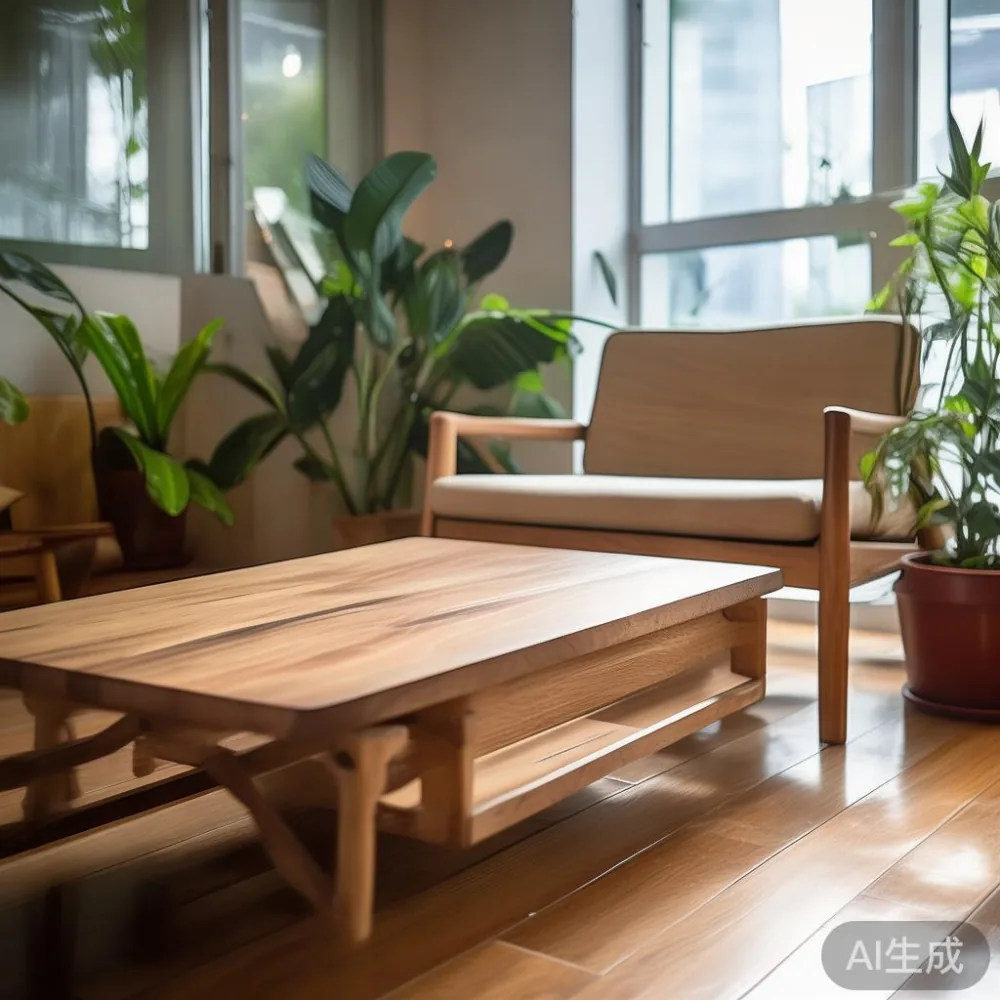
Buyers sometimes worry that a heavier piece automatically means a worse experience. In my experience, the opposite is true — solid wood tolerates disassembly and reassembly far better than engineered panels. The joints in a well-made mid century modern bed frame are usually dowelled, mortise-and-tenon, or locking wooden wedges. You can take it apart at a corridor pinch point and put it back together without weakening the structure. Engineered boards with glued edges tend to blow out on the second disassembly. This is one reason craftsmen in Foshan still insist on solid timber for export-grade furniture, and one reason MIDHILL continues to build in solid rubberwood, ash, and walnut rather than switching to lighter substrates.
What actually fits inside a Singapore HDB lift?
Older HDB blocks in Bedok, Toa Payoh, and Queenstown were built with lift cabins measuring roughly 1.1 m deep by 1.4 m wide, with doors around 0.8 m wide. Newer BTOs in Punggol and Tengah are slightly more generous, around 1.3 m by 1.6 m. A queen-size bed frame at standard dimensions (152 cm by 203 cm outer) will not enter a lift lying flat. It must go in diagonally, which means the diagonal of the cabin must exceed the longest dimension of the part. Measure your lift cabin diagonally, corner to corner, and write it down before ordering.
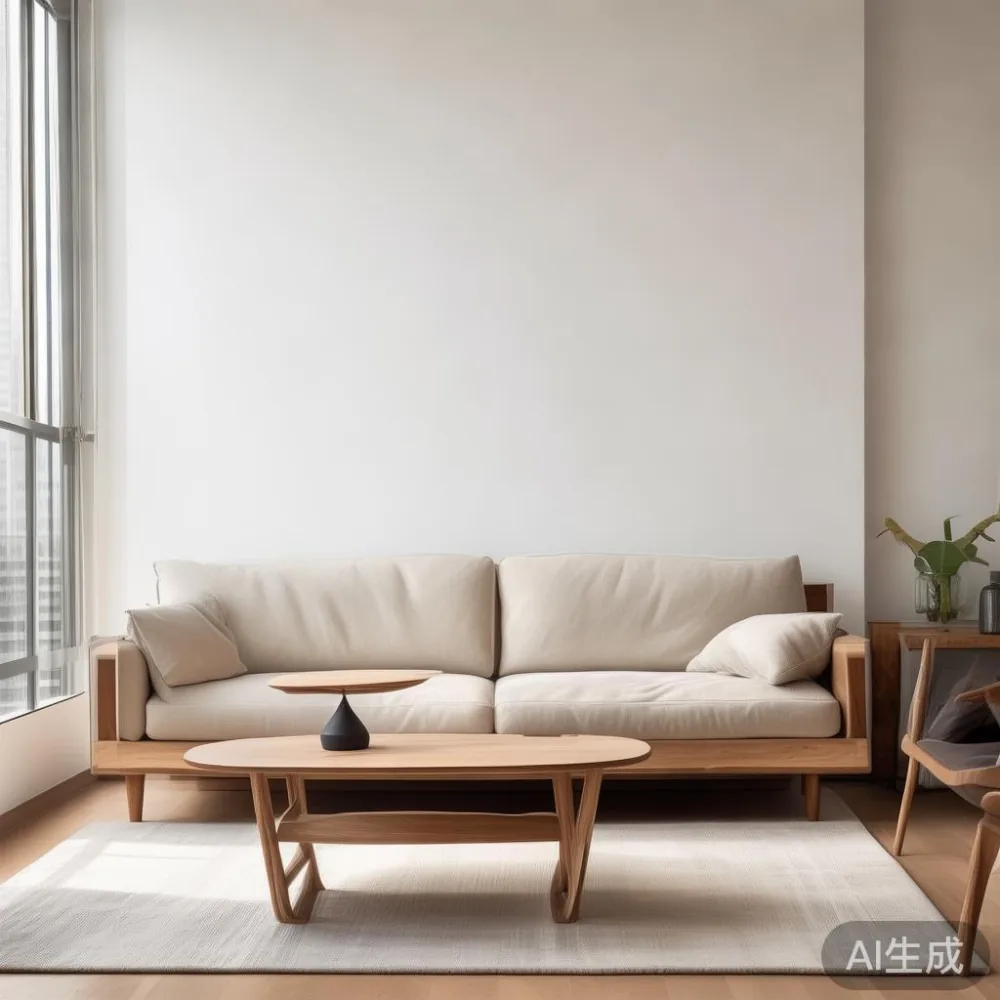
For long items like a 2.4 m dining table or a 2.0 m wardrobe, you generally have three options: (a) request partial disassembly at the factory so the top, sides, and base ship separately, (b) schedule a delivery during off-peak hours and use the cargo lift if your block has one, or (c) crane large items through a service window. Option (c) can cost S$400 to S$900 and requires a permit from your MCST or Town Council, so plan two to three weeks ahead. A practical trick is to keep the longest single component of any piece under 200 cm if your home has tight access — and most online stores will list the package dimensions in centimetres for exactly this reason.
How long does delivery actually take when you order from overseas?
Lead times for solid wood furniture manufactured in Guangdong and shipped to Singapore fall into three rough bands. Stock items, including most dining chairs, nightstands, and smaller side tables, usually leave the warehouse within three to seven working days and arrive in Singapore by sea in another 18 to 25 days. Made-to-order pieces, including most wardrobes over 1.8 m, custom-upholstered sofas, and beds with non-standard sizes, take 25 to 45 days to produce plus 20 to 35 days at sea. Special finishes such as smoked oak or matte lacquer add another 7 to 14 days.
Customs clearance in Singapore is normally smooth for furniture classified under HS code 9403 (wooden furniture) and 9401 (seating), but GST at 9% applies to the CIF value plus shipping. There is no duty on most wooden furniture imported for personal use, although the GST bill is unavoidable and is calculated on the full landed cost. Budget roughly 9% of the item price for GST on top of the advertised SGD figure. In the Tampines delivery I mentioned earlier, my friend paid about S$238 in GST on a S$2,650 dining set. Knowing this number ahead of time is the difference between a smooth delivery day and an awkward scramble for extra cash at the door.
Do I really need to pay for assembly, or can I do it myself?
For a single nightstand, a small coffee table, or a marble table under 30 kg, a confident DIYer with an electric drill, a 4 mm and 5 mm hex set, and a rubber mallet can usually finish in 20 to 40 minutes. Most mid century modern side tables bolt together with eight to twelve screws, a few wooden dowels, and a single cam lock per corner. The instructions from a serious maker will show part numbers, torque settings, and a printed exploded diagram. Read them once end to end before you open the first plastic bag.
For a three-seater solid wood sofa, a bed frame with a slatted base, or anything involving drawer runners and soft-close hinges, the smart move is to add professional assembly at the checkout. In Singapore, third-party assembly services charge between S$40 and S$90 per hour with a one-hour minimum, and most pieces of living-room or dining-room furniture take 60 to 120 minutes. A full 2.4 m wardrobe can run 3.5 to 5 hours and may require two assemblers. If the item came in fewer than four packages, expect the lower end of those time ranges; if it came in eight or more packages, expect the higher end.
Will the delivery team take the packaging away?
This varies far more than people expect. Some online retailers include disposal in the delivery fee, others charge S$20 to S$60 per trip, and a few expect you to handle the cardboard yourself. A solid wood wardrobe can produce 1.8 m of cardboard, half a kilogram of foam wrap, and a pallet. In an HDB corridor that is awkward to store overnight, so clarify the policy before you confirm the order. Reputable sellers will arrange cardboard removal on the same visit, often for free, because a clean corridor is part of the job. MIDHILL, for example, includes debris removal on every Singapore delivery over S$350, which removes one of the most common post-delivery headaches for neighbours in stacked HDB blocks.
What about the 14-day return window and warranty claims?
Singapore's Consumer Protection (Fair Trading) Act gives broad rights, but for online cross-border furniture, the practical return window is set by the seller. A 14-day return policy is standard among serious makers because sea freight moves both ways in roughly the same time and the cost of a return has already been priced into the margin. Read what counts as a returnable defect: a misaligned door, a cracked panel on arrival, or a finish blemish larger than 2 cm are typical grounds. A small dent from dropping the box in your corridor is almost never covered, which is why I always tell people to photograph the packaging before opening.
Structural warranties on solid wood furniture from established makers commonly run 5 to 10 years. A 10-year structural warranty covers joint failure, frame cracking, and excessive warping under normal indoor conditions (18 to 26 °C, 40 to 65 % relative humidity — Singapore sits at the upper end of that range, which is fine for rubberwood, ash, and walnut). Surface finishes, including paint, lacquer, and fabric, are usually covered for a shorter 1 to 3 year window. Lifetime refinishing services are rarer but exist — they let you sand and re-oil a dining table top after ten or fifteen years of family use, which is genuinely useful in tropical humidity.
How do I plan the room before the truck arrives?
Sketch a top-down floor plan of the living room or bedroom at a 1:50 scale (1 cm on paper = 50 cm in real life). Mark the door swings, the windows, any aircon ledges, and the switch heights. Then mark the proposed position of each piece. A 2.0 m wardrobe needs at least 60 cm of clearance in front to open the doors comfortably. A queen bed frame needs at least 70 cm on both sides for bedside access. A six-seater dining table needs at least 90 cm of pull-back space for chairs to be used without bumping the wall.
For smaller HDB living rooms of around 18 to 24 sqm, the styling vocabulary known as Japanese for small living room is genuinely useful — low-profile pieces, light ash or beech finishes, and raised legs that let the eye see floor underneath. Pair that approach with a compact two-seater solid wood sofa in a light fabric, a round marble table instead of a rectangular one (a 90 cm round table seats four without sharp corners near a corridor), and a slim 140 cm sideboard for storage. The result reads calm and uncluttered, and it photographs well for a future listing if you ever sell the flat.
Are there styling directions worth considering for new buyers?
Singapore buyers in 2026 are unusually open to mixing styles. A solid wood bed frame in a clean Scandinavian silhouette sits happily next to a Boho for small living room corner with rattan pendants and a jute rug, provided the wood tones stay in the same family. The market in 2026 Modern light luxury furniture leans toward warm neutrals, brushed brass, and unfussy joinery — closer to American light luxury than to heavily carved French pieces. If you are considering how to choose Italian light luxury sofa options for a condo, focus on three things: a kiln-dried hardwood frame, eight-way hand-tied springs or high-density foam above 35 kg per cubic metre, and a removable, washable cover. Italian light luxury does not need to feel stiff or formal; modern Modern light luxury furniture often pares back the ornament and lets the fabric and the joinery speak.
Within that wider scene, mid-century-modern remains the safest long-term aesthetic for resale-friendly HDBs because the silhouettes have aged well and the proportions suit small rooms. A 1.6 m walnut TV console with tapered legs, a 1.8 m ash dining table with rounded corners, and a low-profile wardrobe in white oak will look correct for the next decade at minimum. If you ever browse for sale Rustic furniture, you will find heavier, hand-hewn pieces that suit a semi-detached or landed house; in a 60 sqm HDB, those visual weights quickly crowd the room.
Will the piece survive Singapore's humidity year after year?
Solid wood does move with humidity, and any honest maker will tell you that. Expect boards to expand by 1 to 3 mm across their width over a year in Singapore. Quality furniture accommodates this with floating tenons, slotted screw holes, and panels that are deliberately undersize inside their frames. Cheap furniture fights the movement with rigid glue joints, and the joints eventually crack. Look for a kiln-drying certification or a moisture content reading between 8 % and 12 % on the spec sheet.
For daily care, keep pieces away from direct afternoon sun, run the aircon or a dehumidifier during the wetter months from November to February, and wipe spills immediately. A coat of hard wax oil every 12 to 18 months keeps a dining table looking fresh and is a thirty-minute job for most owners. A wardrobe benefits from a small dehumidifier bar inside, and bed frames can be left alone apart from checking the corner bolts once a year. Treat solid wood as a living material and it will outlast every flat you live in.
What if my delivery arrives damaged or with missing parts?
Photograph the outer carton on the pallet before opening it. Photograph any internal foam, corner protectors, and the part itself if damage is visible. Email the seller the same day — within 24 hours is the realistic window for replacement parts to ship with the original sea freight container rather than as a small parcel. Most established makers stock spare dowels, cam locks, hinges, and drawer runners as standard service parts and will air-freight them from Guangzhou to Singapore in three to five days when needed, at a typical cost of S$25 to S$60 covered by the maker.
For larger damage — a cracked marble top, a shattered lacquered panel — the seller will typically dispatch a full replacement. The wait is roughly three to six weeks because the piece usually travels by sea. Keep the original packaging through this period; the maker will tell you how and where to dispose of it if a replacement is on its way and the old part cannot be reused. In practice, damage rates on properly crated solid wood furniture sit between 0.5 % and 1.5 %, which is why the warranty exists in the first place.
Quick checklist before you click pay
Measure the lift cabin diagonally. Measure the corridor at its tightest point. Note ceiling height if you plan to crane anything over the service window. Decide where each piece will live and sketch the room. Confirm total weight, number of packages, and longest single dimension. Confirm GST line on the invoice. Confirm whether assembly, debris removal, and disposal of packaging are included. Confirm the structural warranty, the surface warranty, and the return window in writing. Save the seller’s local Singapore contact if they have one. With these answers in front of you, the online buying experience for solid wood furniture becomes predictable, measurable, and far less stressful than the Tampines corridor experience — and that, in the end, is the only metric that matters.