How to Care for a Lacquered Surface in a Tropical Climate — Without Losing the Mid-Century Modern Glow
I still remember standing in a Tampines HDB corridor last month, watching two movers angle a 198 cm solid wood dining table through a 90 cm doorway. The lift was even tighter — 1.1 m wide, 2.1 m deep — and the lacquered top caught the fluorescent light like a sheet of warm honey. The owner, a teacher named Priya, told me she had chosen that exact table because the finish reminded her of her grandmother's teak sideboard in Bedok. Then she asked the question that brought this whole guide into being: "How do I keep it looking like this when my flat feels like a sauna nine months a year?" That question is the spine of everything below.
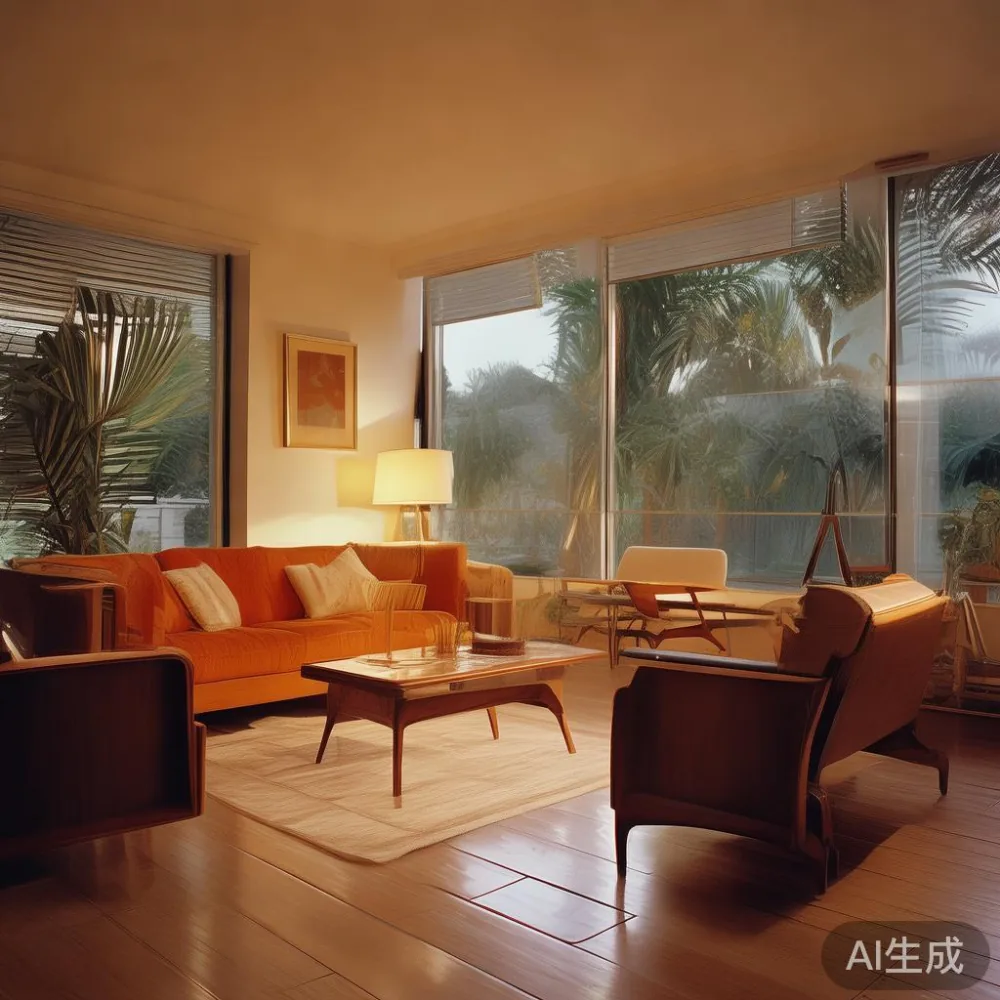
Mid-century modern furniture, with its warm walnut tones, tapered legs, and gently arched silhouettes, depends on lacquer to deliver that quiet glow. In Foshan, where our workshop has been finishing solid wood sofa frames, bed frames, dining tables, wardrobes, and nightstands since 2008, we see exactly what humidity, salt air, and air-conditioning cycles do to lacquer over time. This is a working guide — not a brochure — written from the workshop floor and from Singapore living rooms.
Why Tropical Climates Are Tough on Lacquer
Lacquer is a film. It breathes with the wood underneath, swells when humidity climbs, and contracts when the air-con drops the room to 22 °C for eight straight hours. In Singapore, indoor relative humidity commonly sits between 65 % and 80 % from May to September, then drops to 50–55 % during the dry inter-monsoon months. That 25-point swing, repeated daily for years, is the real enemy of a French light luxury dining table or a post-modern light luxury marble table. The finish does not peel in a dramatic sheet; it loses its gloss first, then shows micro-cracks, then begins to amber or cloud.
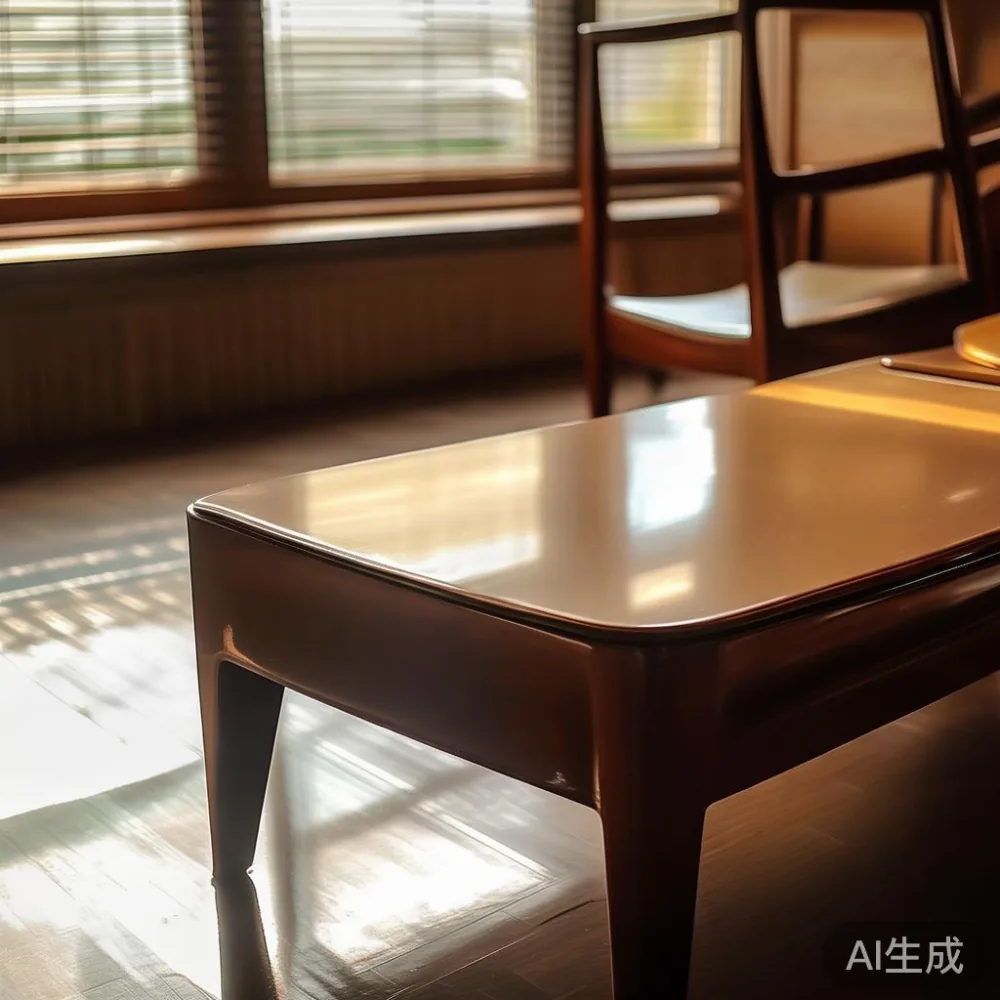
Three local factors make Singapore harder than, say, Tokyo or Berlin:
1. Salt-laden air. Homes within 1 km of the coast at East Coast or Punggol get a faint salty film on every horizontal surface. Salt is hygroscopic — it pulls moisture from the air and holds it against the lacquer, which speeds up micro-checking.
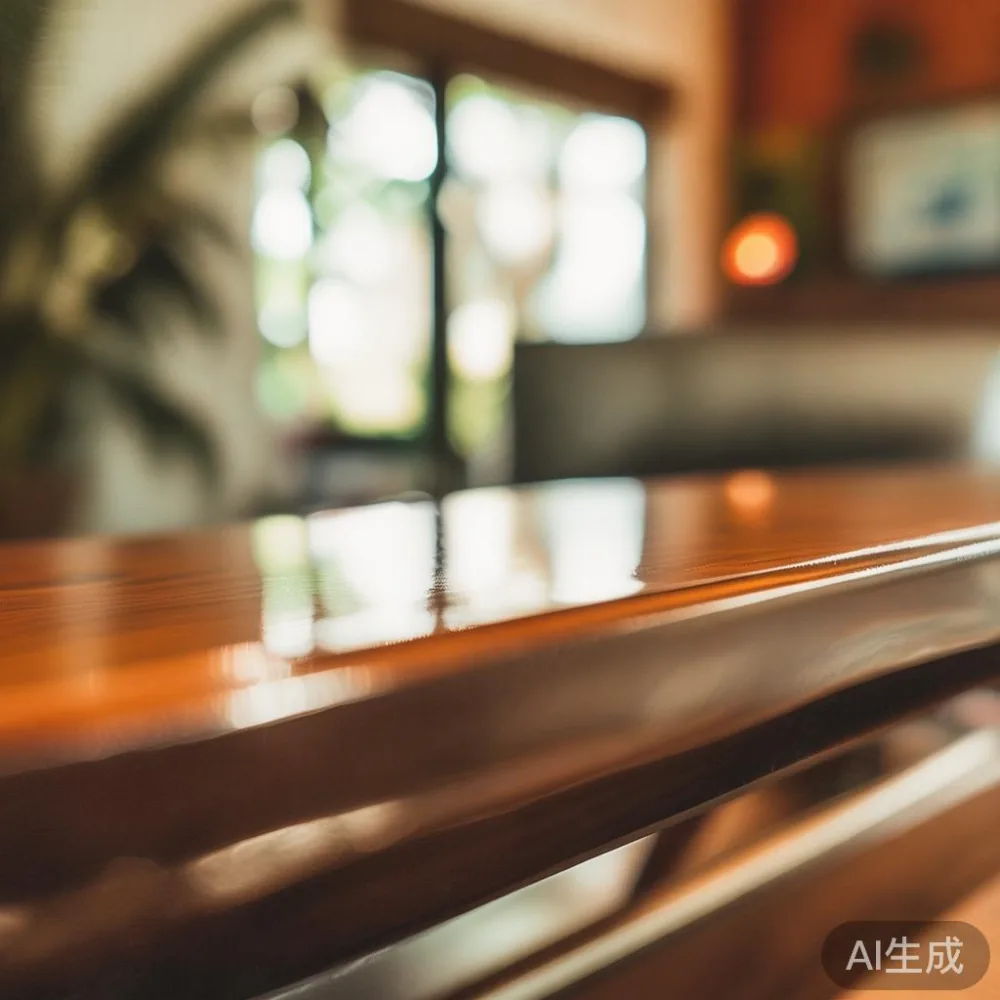
2. Constant air-conditioning. Most HDB and condo owners run the AC from 11 pm to 7 am. The repeated 8–10 °C swing overnight is harder on a mid-century modern sideboard than steady heat would be.
3. Tight corridors and small lifts. Moving a 220 cm wardrobe through a 1.2 m corridor scrape at the lacquer long before you ever start cleaning it. That is a care problem too — see the moving section below.
What Kind of Lacquer Are We Talking About?
Not all lacquer behaves the same way in 80 % humidity. At MIDHILL we use two finishes on our solid wood collections:
Conversion lacquer (acid-catalysed). Hard, water-resistant, and the standard for high-end mid-century modern dining tables. It tolerates a cold glass of iced tea but not a wet ring left overnight.
Open-pore matte lacquer. Slightly softer, designed to let the walnut or ash grain read through. Beautiful on a bed frame headboard, but it drinks up fingerprints and humidity marks more readily.
If you already own a piece and are unsure which finish you have, press a fingertip into an inconspicuous spot for five seconds, then release. A glossy, slick feel with no fingerprint ghosting is conversion lacquer. A faint, slightly waxy feel with a visible print means matte or oil-blend.
Knowing this matters because cleaning products that are safe on conversion lacquer can cloud an open-pore finish. Never assume — always test in a corner near the floor.
The 7-Day Care Routine That Actually Works
Most owners over-clean. Lacquer in Singapore wants less contact, not more. Here is the rhythm I recommend to every client I visit in Bedok, Clementi, or Punggol:
Daily (60 seconds). Wipe with a dry, lint-free microfibre cloth in the direction of the grain. Never circular motions — they leave swirl marks on gloss.
Weekly (5 minutes). Lightly dampen a second microfibre cloth with plain filtered water, wring until it is almost dry, then pass over the surface. Follow immediately with a dry cloth. No detergent.
Monthly (15 minutes). Use a dedicated lacquer-safe cleaner such as a small amount of diluted mild soap (pH neutral, no silicone). Apply to the cloth, never directly to the wood. Buff dry.
Quarterly (30 minutes). Inspect under-side edges, the underside of a dining table, the back of a nightstand. Humidity settles where air does not move. Wipe those zones with a barely damp cloth and let them air-dry before pushing the piece back.
If you ask any of our refinishing specialists at MIDHILL what destroys lacquer fastest, the answer is almost always silicone-based polishes — the kind sold in aerosol cans for a "French polish" look. They leave a film that cannot be re-lacquered over later. Skip them.
How Much Humidity Is Too Much? The Numbers for Singapore
Lacquered solid wood performs best in 40–60 % relative humidity. Buy a hygrometer — a reliable one costs S$18–S$28 at any Tampines Mall electronics shop and will pay for itself within a year. Place it on the same wall as your wardrobe or bed frame, away from direct sunlight.
If the reading climbs above 65 % for more than a week:
• Run the air-conditioning for two extra hours overnight. • Crack a window 5 cm for 30 minutes during the coolest part of the day (usually 5–6 am). • Point a small dehumidifier (a 12 L/day unit runs about S$0.18 per hour in Singapore) at the room for four hours.
If the reading drops below 45 %:
• Place a shallow ceramic water dish on a marble table or shelf. • Avoid direct airflow from the AC vent — rotate the louvre away from the bed headboard. • A small bowl of water on top of the wardrobe is a cheap, effective humidifier for the wood.
Can I Put a Lacquered Dining Table Near the Balcony?
Yes, with a 1.5 m buffer from any glass door that gets afternoon sun. UV is the silent killer of mid-century modern walnut — it bleaches the wood and yellows the lacquer unevenly. In a typical Punggol EC or a Tampines condo with full-height glazing, the strongest UV hits between 1 pm and 4 pm. Sheer curtains cut roughly 70 % of UV; tinted glass cuts about 99 %. If you cannot filter the light, rotate the table 90° every two months so the bleaching is even — owners often miss this step and end up with a two-tone finish that no amount of cleaning will fix.
Stains, Rings, and the Dreaded White Water Mark
The white ring on a lacquered table is not the wood — it is moisture trapped under the lacquer film. Three methods, in order of escalation:
Method 1 (0–30 minutes after spill). Dry microfibre, gentle pressure, 30 seconds. Often enough.
Method 2 (a few hours old). Place a folded dry cotton cloth over the mark and press a warm — not hot — iron on it for five seconds. The heat draws the trapped moisture back into the cloth. Repeat with a fresh dry section of the cloth. Stop the moment the white disappears.
Method 3 (set in). Use a paste of baking soda and water, apply with a soft cloth, rub with the grain, wipe clean, dry. If the mark is still there after two passes, stop and call a refinisher. Further rubbing will burn through the lacquer into the stain, and the repair becomes a S$120–S$220 strip-and-relacquer rather than a touch-up.
For ink, soy sauce, or chili oil — common in a Singapore kitchen-dining layout — dab, do not wipe. Wiping drives the stain sideways into the grain. Blot with a barely damp cloth, then dry.
Can I Use the Same Products on a Marble Table?
No. Marble is calcium carbonate. Anything acidic — vinegar, lemon juice, even some "natural" wood polishes — etches it. For a Modern light luxury sofa pairing with a marble-top coffee table, keep two cloths in separate drawers, label them, and never cross them. A pH-neutral stone cleaner is safe for the marble and is gentle enough that, in a pinch, it can be used on lacquer too. That crossover is rare and very useful.
Is Mid-Century Modern Bed Worth It in a Humid Climate?
I get asked this almost weekly, especially from owners in Punggol who have just collected keys. The honest answer: yes, if the bed frame is solid wood with a proper sealed lacquer, and the bedroom is air-conditioned for at least six hours a night. A mid-century modern bed frame uses exposed joinery and tapered legs — designs that hide swelling cracks better than ornate carvings. The lacquer protects the visible surfaces, and the bed sits high enough off the floor for air to circulate underneath, which is exactly what you want in a 28–32 °C Singapore night. The risk only climbs if you keep the bed in a service yard, a sheltered corridor, or any room without AC. If you need a fair comparison while browsing our top 10 Modern furniture lists, focus on pieces marked "conversion lacquer" rather than "matte wax-oil."
How Do I Move a Lacquered Piece Through a Tight HDB?
Three numbers matter before the movers arrive: corridor width (typically 1.2–1.5 m in newer BTOs, 0.9–1.1 m in older resale flats), lift opening (about 0.9 m wide and 2.1 m tall in most HDB blocks), and the diagonal of the furniture (a 220 cm wardrobe needs a 220 cm diagonal clear path if it cannot be tilted).
Practical rules from our delivery team:
• Remove legs, drawers, and shelves before moving. A nightstand with its drawer in place will rack the carcass and crack the lacquer at the dovetail. • Wrap the lacquered faces in clean cotton blankets — not bubble wrap against the surface, because trapped plastic + sweat = a milky bloom on the finish within hours. • Lift, do not drag. A 35 kg dining table on a carpet feels harmless; on vinyl, one careless tug scratches through to the wood in a single stroke. • Once inside, let the piece acclimatise for 24 hours before placing it against the wall. The wood needs to find its new humidity equilibrium first.
Storage, Refinishing, and the MIDHILL Lifetime Promise
If a piece is going into long-term storage — a Punggol EC during a sublet, for example — wrap it in breathable cotton, never plastic. Store it flat, never on end, and put a 5 cm foam spacer under each leg. Keep the room at 22–25 °C and 50–55 % humidity if possible.
Refinishing is a normal part of owning solid wood furniture in the tropics. Lacquer does not last forever — it lasts 8–15 years in Singapore depending on exposure, after which a clean, light re-sand and re-coat restores the surface completely. At MIDHILL, every piece we have shipped since 2008 carries lifetime refinishing access for owners in our 15+ export markets, including Singapore. You ship or truck the piece back to our Foshan workshop, and our finishing team strips the old lacquer, repairs any checking, and re-coats in the original sheen — matte, satin, or gloss. For a 200 cm dining table the turnaround is typically 18 working days; for a nightstand, around 9.
While the piece is away, many clients use the moment to swap hardware — new brass pulls on a wardrobe, for instance — which costs another S$40–S$90 per piece and makes the furniture feel new again. That is one of the quiet advantages of buying solid wood over veneer: the piece survives the refinish, so the value compounds.
Light Luxury Sofa vs French Provincial Sofa — Which Holds Up Better Here?
This is a fair question from anyone weighing a solid wood sofa frame in our French light luxury or American light luxury ranges. French provincial sofas carry carved details, deeper skirts, and often a softer wax finish — beautiful, but the crevices collect humidity and the wax softens above 30 °C. A light luxury sofa with clean mid-century modern lines, exposed legs, and a sealed lacquer frame handles Singapore far better. Pair either with our marble side tables and you have a room that reads warm, not fragile. The same logic applies if you are comparing a Japanese-style low wardrobe against a Western tallboy — both can work, but only the sealed-lacquer versions survive the climate without warping.
How to Style Japanese Wardrobe in Bedroom Without Damaging the Lacquer
Japanese wardrobes — known as tansu — are typically built from cedar or paulownia with a thinner matte finish. If you are bringing one into a Singapore bedroom, keep it 10 cm off the back wall so air can move behind it, and never push it against a wall that faces afternoon sun. Inside, line the shelves with unbleached cotton — not plastic bins, which trap moisture against the lacquer. For owners reading guides on how to style Japanese wardrobe in bedroom layouts, the key rule is simple: airflow first, aesthetics second. A styled wardrobe that mildews behind a row of books is not a styled wardrobe.
A Quick Note on Buying Choices
If you are still choosing pieces and find yourself scrolling through a top 10 Japanese furniture round-up, or the broader top 10 Modern furniture shortlists, use one filter: ask which pieces are built from solid wood and finished in conversion lacquer, not wax or oil. In Singapore's climate, that single specification saves more lacquer than any cleaner ever will.
What Does "Light Luxury" Actually Mean for a Singapore Home?
Light luxury, in any of its three common expressions — French light luxury, American light luxury, or post-modern light luxury — is a design language of restraint. It avoids the heavy gilding of full classical luxury and the cold minimalism of pure Scandinavian. On a mid-century modern bed frame, light luxury shows up as fluted headboards, soft brass feet, walnut with a 10 % sheen rather than full gloss, and marble accents that are book-matched rather than patterned. In a 90 sqm HDB flat in Tampines, that combination reads as grown-up without feeling cluttered. It also ages well: a light luxury finish does not date the way high-gloss fashion finishes do.
The One Mistake That Wrecks Lacquer Overnight
Putting a hot pot, a freshly steamed claypot, or a slow-cooker directly on the dining table. Even with a trivet, the trapped steam can cloud a satin finish in a single evening. Always use a cork or wood trivet, and let the cookware cool for ten minutes before setting it down. This is the rule that, more than any other, separates a five-year-old table from a fifteen-year-old table.
Closing Thoughts From the Workshop
Lacquer is forgiving if you give it what it needs: stable humidity, mild cleaners, protection from UV, and patience during spills. Singapore is a demanding climate, but it is not hostile to solid wood — it is hostile to shortcuts. A solid wood bed frame, dining table, or wardrobe finished properly will outlive three sofa reupholsterings and still look like the piece you fell in love with. That is the quiet promise of well-made mid-century modern furniture, and it is the standard we keep on the finishing line every day at MIDHILL — the same standard we have kept since the first piece left our Foshan workshop for an overseas customer back in 2008. Browse the care tips above, keep that hygrometer within reach, and your lacquered surfaces will glow through every monsoon season Singapore throws at them.