Lacquered Solid Wood in a Tropical Home: Care Without Guesswork
Singapore’s warmth and humidity make every furniture finish work harder. A lacquered solid wood sofa, bed frame, dining table, wardrobe, nightstand, or marble table can remain handsome for years when its surface is protected from ultraviolet light, standing moisture, wiped water, and abrasive pads. In a compact HDB flat in Tampines or a high-rise condo in Bedok or Punggol, the distance between the living room and balcony may be only a few metres, yet a lacquered finish can still encounter strong afternoon sun, air-conditioning condensation, salt-rich coastal air, and frequent hand contact.
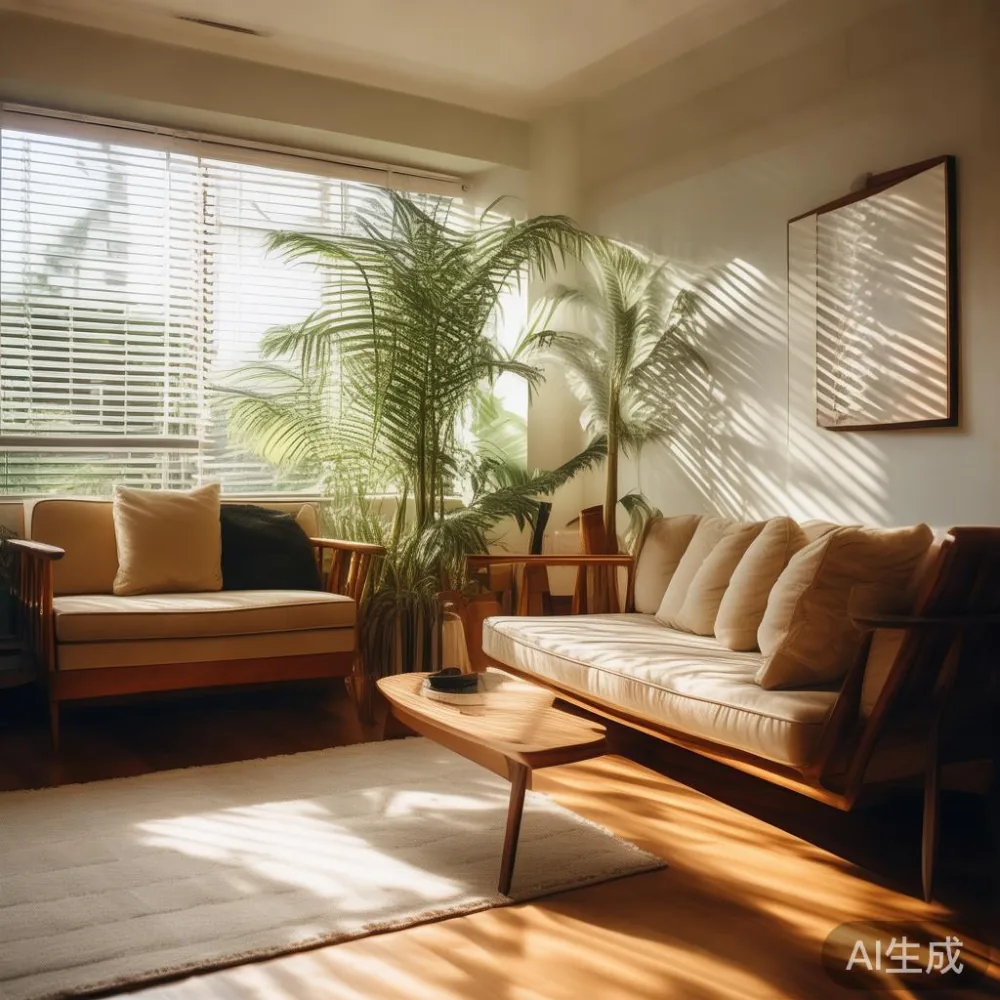
MIDHILL designs its mid century modern collection with practical longevity in mind. The company has manufactured solid wood furniture since 2008, exports to more than 15 countries, provides a 10-year structural warranty, and offers lifetime refinishing. Free delivery applies to orders above US$350, with a 14-day return window; prices shown in Singapore dollars would include GST when displayed as final local checkout prices. These details matter because lacquer care is not about rescuing a neglected finish. It is about preserving a dry, stable surface through ordinary Singapore life.
Why does lacquer behave differently in Singapore?
Lacquer creates a decorative, usually glossy or satin layer over the wood. It looks reassuringly sealed, but the film can still react to heat, moisture, chemicals, and mechanical abrasion. The underlying timber may move slightly as humidity changes, while the lacquer remains comparatively rigid. That difference can eventually create fine surface marks, particularly around edges and joints.
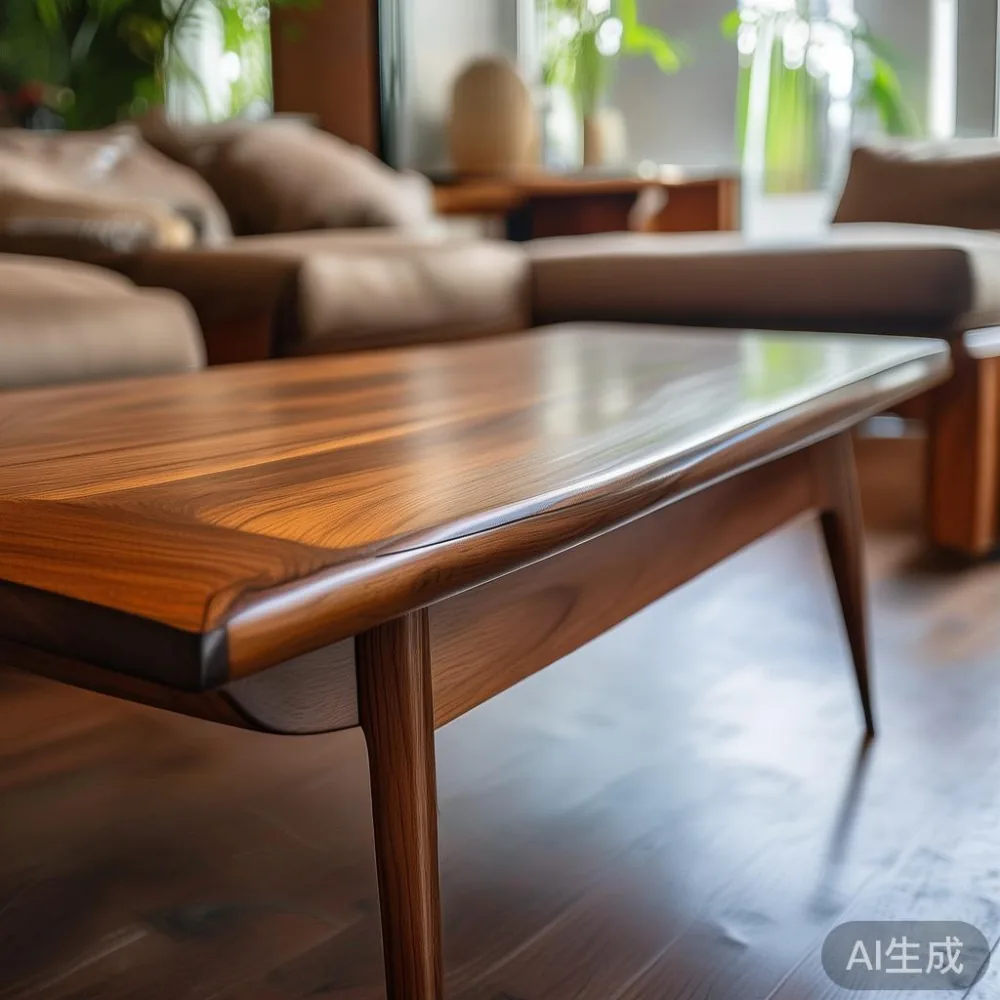
Annual relative humidity in Singapore commonly ranges from roughly 65% to 85%, and daytime temperatures can reach 32°C. A west-facing Tampines living room may receive direct sun for 3 hours on a clear afternoon. A Bedok balcony can introduce damp air that settles on a dining table, and Punggol lift lobbies can be breezy but still brightly lit. Air-conditioning helps by lowering temperature and moisture indoors, but vents can deposit fine dust onto lacquer, while quick transitions from a cool room to a warm corridor add another environmental variable.
None of this means lacquer is unsuitable for the tropics. It means that a disciplined care routine should include controlled wiping, sensible placement, and immediate attention to spills. A solid wood bed frame near an open window, for example, benefits from stable indoor conditions more than constant chemical treatment.
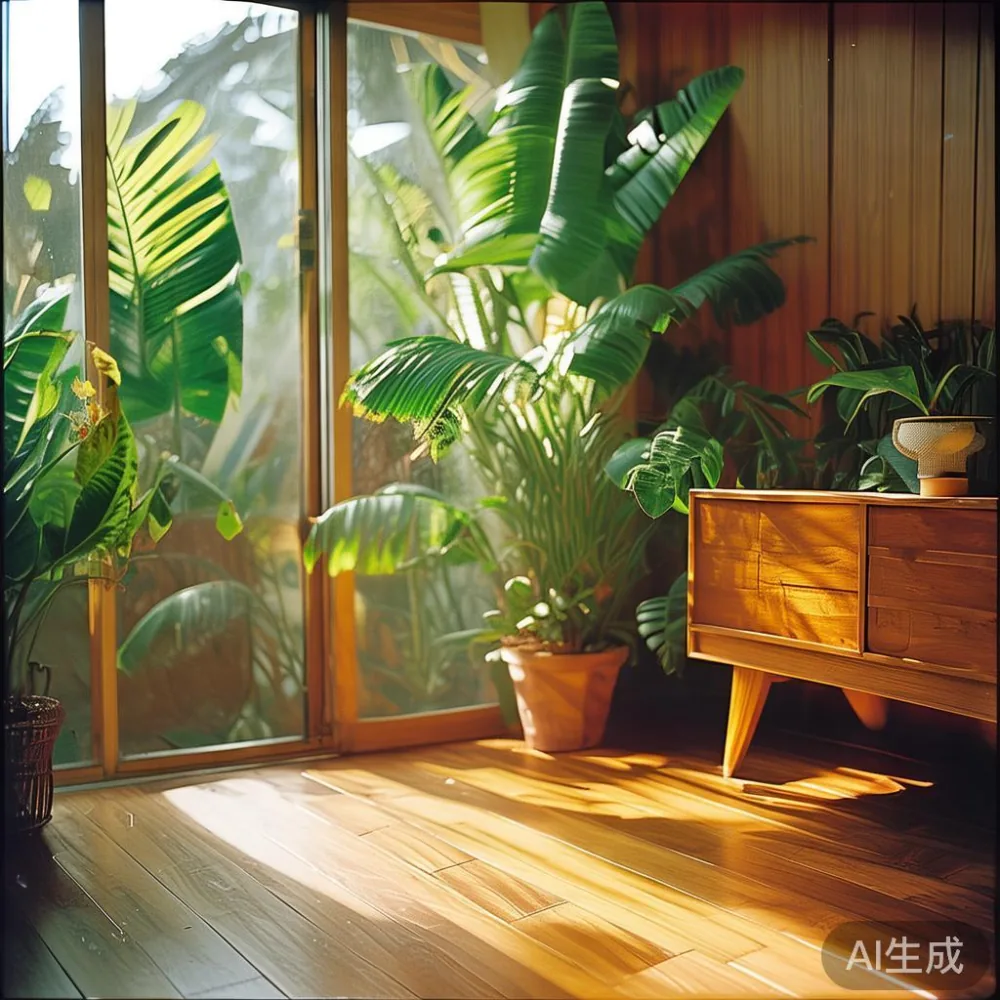
What should I do before placing lacquered furniture in a humid home?
Allow new lacquered furniture to acclimatise in its intended room before loading it with books, clothing, tableware, or bedding. Keep the piece away from direct sunlight and damp walls for at least 72 hours. If the furniture has arrived from a cooler country, leave the wrapping in place for 24 hours if the supplier permits it, then unwrap gradually. This reduces the chance that condensation forms against the finish.
Check the movement of a wardrobe door, the alignment of a solid wood sofa cushion, and the stability of a dining table after positioning. Confirm that at least 5 cm remains between the back of the wardrobe and a wall so air can circulate. A nightstand should sit at least 10 cm from a window ledge where rain or condensation is possible. For a lacquered or marble table, use coasters and felt pads rather than relying on the finish alone.
Consider the route from the delivery vehicle to the flat. A common HDB lift door measures about 90 cm wide and 210 cm high, although older blocks vary. A condo freight lift may offer a 140 cm door and a 210 cm cabin depth. Measure the narrowest corridor turn, staircase, and lift entrance before accepting a large solid wood sofa or wardrobe. MIDHILL’s delivery team should be asked to confirm the packed dimensions, while the customer confirms lift booking rules, protective floor covering, and the permitted delivery window.
How should I clean a lacquered surface without damaging it?
Use a soft, lint-free microfibre cloth and plain lukewarm water. Wring the cloth until it is merely damp, then wipe in small sections. Follow with a second dry cloth. Never soak an edge, flood a joint, or spray cleaner directly onto a solid wood sofa, bed frame, dining table, wardrobe, or nightstand.
Clean a small hidden area first, especially for newly delivered lacquer. If the product label specifies a mild cleaner, follow those instructions rather than assuming any available product is safe. A practical test area of 5 cm by 5 cm should reveal dulling or colour change within 24 hours.
For routine care, cleaning once every 2 weeks is sensible for visible furniture in an open living room. Increase this to weekly during the 4 to 6 months when coastal air or construction dust is heavier. Wipe high-touch areas such as wardrobe handles and dining table edges after use. Use approximately 2 ml of mild dish soap in a 500 ml spray bottle of water, apply it to the cloth rather than the furniture, and avoid leaving soap residue.
Immediately blot drinks, sauces, ink, and oil. A ring left by a wet mug can become a dull patch within 15 minutes, while a sugary spill may penetrate a micro-scratch in 1 hour. Blot from the outside toward the centre, then wipe the area with a clean damp cloth. Do not use steel wool, scouring powder, magic erasers, nail-polish remover, acetone, alcohol-based products, or abrasive kitchen pads.
How can I keep lacquer away from sunlight, heat, and dampness?
Position lacquered furniture so it receives bright light without prolonged direct exposure. Curtains or UV-filtering film with a visible transmittance below 50% can reduce ultraviolet exposure at a window. In a Tampines flat with west-facing glazing, close blinds from about 11 a.m. to 4 p.m. during clear months. In a Punggol condo, consider sheer curtains combined with blackout lining if the balcony doors are exposed to strong afternoon light.
Keep lacquer at least 30 cm from a humid wall and 20 cm from a floor-level air-conditioning vent where practical. Do not place it beside a hot halogen lamp, radiator, or air fryer. Warm air rising from a kitchen can affect a nearby dining table, and a microwave should remain at least 60 cm above a marble table or other surface.
Use coasters measuring at least 8 cm by 8 cm and placemats with a moisture-resistant backing. Felt pads under table legs protect floors, but they should not be trapped under lacquered feet. For a solid wood bed frame, position it away from open windows and leave 10 cm of ventilation space behind the headboard. Furniture should not touch exterior walls, where condensation and temperature swings can be greater.
What if scratches, dull patches, or bubbles appear?
Minor surface marks often require correction rather than replacement. Hairline scratches under 1 mm can sometimes be treated with a lacquer-safe polishing compound recommended by the manufacturer. Test it on a 5 cm square at the back of a nightstand. Apply less than a pea-sized amount, work with a clean microfibre cloth, and stop if the surface becomes hazy.
Do not polish a lacquered finish indiscriminately. Some lacquers are high-gloss, some are low-sheen, and an abrasive compound can permanently reduce gloss in 1 pass. If the furniture is still under warranty, document the issue with a photograph, note the date, and contact MIDHILL before applying corrective products. A 10-year structural warranty addresses structural concerns, whereas finish-related service can be assessed under the company’s lifetime refinishing service.
Small bubbles of 2 mm or less may be associated with moisture entering a damaged seam. Do not pierce them with a needle. Keep the area dry and seek advice. Larger blisters, lifting over 20 mm, widespread whitening, or a soft-feeling film need professional assessment. Repeated DIY repair can turn a local issue into a much larger refinishing job.
How often should a lacquered dining table or wardrobe be maintained?
Create a simple schedule after the furniture has settled into the home. Check lacquer once every 2 months for fingerprints, dull areas, edge wear, and moisture marks. Wipe the dining table after meals and use coasters every time. Inspect wardrobe tracks every 6 months, because grit can cause a drawer or door to rub against the lacquered carcass.
For a solid wood sofa, vacuum or dust upholstery weekly and wipe the lacquered arms and frame every 2 weeks. Avoid pressing keys, zips, or belts directly against the finish. A lacquered bed frame can be wiped monthly, with checks around the headboard and footboard every 3 months. Keep bedding slightly away from an exterior wall so moisture does not become trapped behind the frame.
Nightstands collect more contact than their small size suggests. Keep pens, watches, keys, and skincare products on a tray, and remove them before cleaning. For a marble table, follow the stone supplier’s pH guidance as well: acidic liquids such as wine, citrus juice, and vinegar can etch calcium-based marble even when the surface feels smooth.
Is light luxury furniture practical for a Singapore apartment?
Light luxury can work well in local interiors when scale and material restraint are handled carefully. French light luxury often suggests pale upholstery, refined profiles, and decorative details; American light luxury tends toward generous proportions and relaxed comfort. Post-modern light luxury may pair clean geometric forms with warmer natural textures. The aim need not be a formal show home. It can be a comfortable, durable apartment with fewer objects and stronger proportions.
For compact rooms, a solid wood sofa with a depth of 90 cm to 95 cm is usually more manageable than a 105 cm model. Leave 75 cm for a primary circulation route and aim for 90 cm near a dining table. A 45 cm gap between a dining chair and the nearest wall gives enough space to sit down, while a 60 cm gap is preferable when a walkway passes behind the chair.
A round dining table with a 120 cm diameter can seat 4 people and may ease movement in a narrow dining zone. A 150 cm round table can seat 5 or 6 but needs more clearance. For wardrobes, a depth of 55 cm to 60 cm is common, with sliding doors useful when floor space is limited. A 120 cm-wide bed frame suits many HDB bedrooms, but the mattress and side access still need to be measured.
Anyone comparing light luxury sofa vs Italian light luxury sofa options should look beyond the name and inspect lacquer quality, timber construction, joint details, and after-sales care. The same discipline applies when researching how to choose French wardrobe: confirm internal dimensions, hanging space, door movement, and service terms. A useful online shortlist of top 10 light luxury furniture pieces should be treated as a starting point rather than a purchasing conclusion. Readers searching for french sofa gallery photos can gain an impression of proportion, but should request material samples and clear drawings before ordering.
The phrase American sofa vs Modern sofa is useful when sorting styles, yet it should not distract from fit. For a mid century modern interior, tapered legs, warm timber, restrained ornament, and practical upholstery often work together without making a small flat feel crowded. Anyone learning how to style light luxury bed in apartment can begin with a 120 cm bed frame, 2 bedside tables, wall-mounted reading lights, and curtains that leave the floor visually clear.
For local reference and current specifications, MIDHILL.co is a practical place to review relevant dimensions and finishes before making a decision. The full collection should remain coherent: a solid wood sofa, bed frame, dining table, wardrobe, nightstand, and marble table can all sit within one mid century modern home when their colours, edge profiles, and hardware share a clear visual language.
What should I check when a lacquered piece arrives?
Inspect the furniture within 24 hours of delivery. Photograph the piece, each lacquered face, corners, joints, and packaging. Look for colour variation, dents, scratches, bubbles, lifting, or chips. Compare the finish direction under daylight and indoor lighting, since gloss can reveal differences that diffused room light hides.
Keep a record of the product name, finish code, delivery date, and care instructions. The care label should be stored with the receipt, because the furniture may move between the bedroom, study, or living area over its lifetime. Do not remove a protective film until the surface is ready for use and the adhesive has had at least 14 days to stabilise where the supplier permits.
Confirm the 14-day return window and delivery terms before installation. Any alteration, accepted delivery, or damage not recorded at arrival may affect how a return is assessed. Customers should ask for written confirmation rather than relying on verbal assurances. Questions about GST, local delivery timing, lift access, and refinishing should be resolved before the wardrobe or solid wood sofa is moved into position.
Can lacquered furniture last in a tropical climate?
Yes, with sensible care. Lacquered solid wood furniture can perform well in Singapore when it is kept dry, shaded, and free from abrasive contact. A routine based on a soft cloth, immediate spill removal, regular inspections, and careful placement is more reliable than harsh chemical cleaning.
Think of maintenance as a set of small habits measured in minutes. Wipe a dining table after dinner, check a wardrobe track every 6 months, inspect a sofa frame each month, and keep sunlight off the lacquer between 11 a.m. and 4 p.m. During a 10-year period, those routines amount to only a few hours of attention while helping protect the finish and the furniture beneath it.
When a piece does develop wear, document it early. MIDHILL’s lifetime refinishing service and 10-year structural warranty provide a clear route for assessment, while the company’s export experience and 15-plus-country distribution give it practical knowledge of furniture use in different climates. The strongest protection remains the simplest: keep water off the surface, keep strong sun away from it, and clean gently before a mark becomes difficult to remove.