Preserving Your Mid Century Modern Wood Furniture in Singapore
Singapore’s warmth and humidity can make a lacquered surface look dull faster than expected. A solid wood coffee table near an east-facing window in Tampines may collect fine dust, condensation marks and traces of sunscreen or cooking oil. In a Bedok condo, a lacquered dining table can also receive constant air-conditioning condensation during the evening, followed by warm, humid air the next morning. Good care is less about constant polishing and more about controlling moisture, heat and contact.
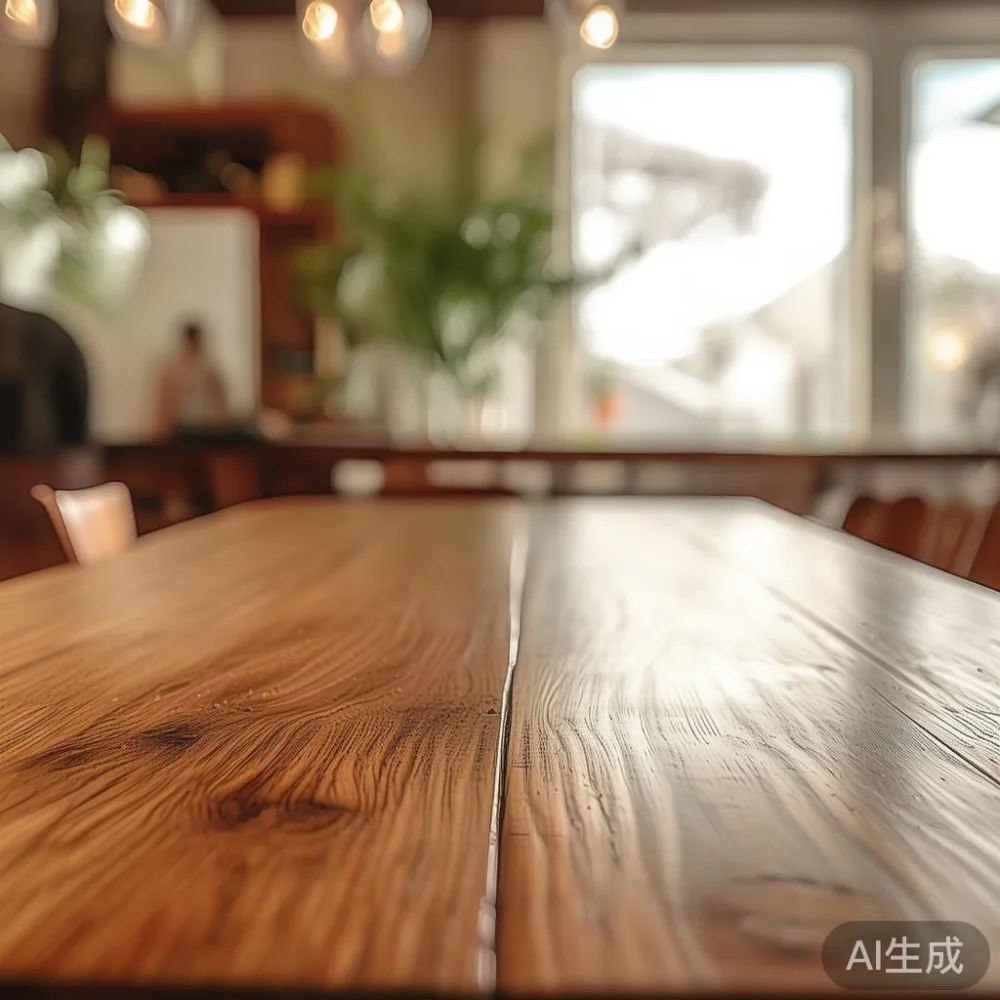
MIDHILL builds mid century modern furniture with practical proportions for apartments, corridors and lifts. That matters when choosing care equipment: a 120 cm polishing cloth needs a clear place to dry, while a compact humidifier should not sit beside a lacquered wardrobe. The same discipline applies to the finished surface as it does to product selection.
What does humidity do to lacquered wood furniture?
Lacquer is a thin, cured finish applied over wood. It can develop a hard sheen, but moisture, ultraviolet light, heat and abrupt temperature changes may affect the wood beneath it or leave the finish with a cloudy appearance. Relative humidity above roughly 70% for long periods is a warning zone for many finished timber products. Singapore frequently reaches 80% relative humidity, and an unventilated HDB flat can remain humid even when the air conditioner is running.
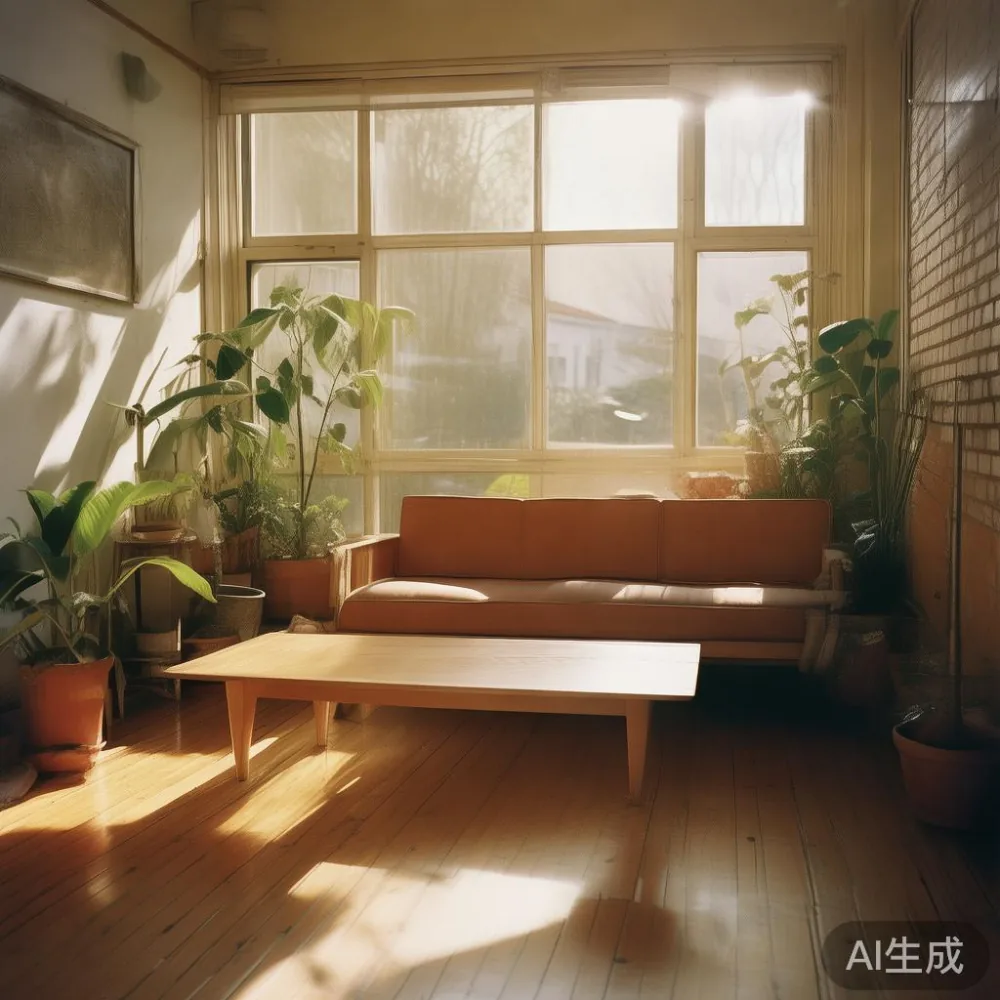
Check the surface at least once a week. Look for haze, lifting edges, tiny bubbles, tackiness or a musty smell. Wipe a hidden 5 cm area with a damp cloth and allow it to dry for 30 minutes. If the mark remains, avoid applying more polish immediately. Grit trapped beneath a cloth can scratch lacquer, while an incompatible oil can create a patchy finish.
Keep lacquered pieces at least 30 cm from windows with direct morning sun, and at least 45 cm from a kitchen stove or hot-air vent. Do not place a chilled drink directly onto a lacquered nightstand. Use a coaster with a base of at least 8 cm, and a felt or cork underside. If a cold glass leaves 10 mm of moisture, wipe it after 2 minutes rather than letting it sit overnight.
How should I clean a lacquered surface without scratching it?
Start with a soft, clean microfibre cloth, preferably 30–40 cm square. Add warm water and one small drop of mild dishwashing liquid to a bowl holding about 500 ml. Dip the cloth, wring it until it is merely damp and wipe in the direction of the grain. A lacquered dining table should not be flooded: moisture should remain on the cloth, not visibly on the timber. Dry with a second clean cloth within 1 minute.
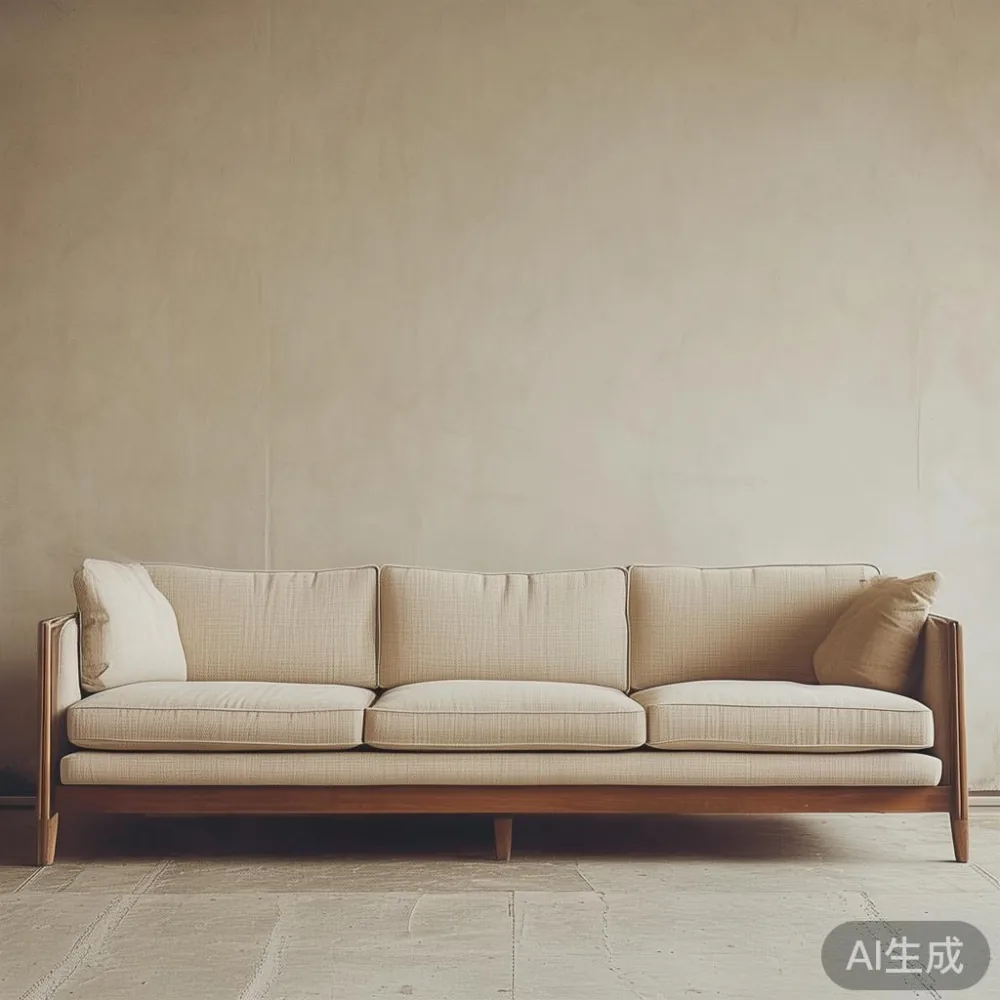
Do not use abrasive pads, steel wool, alcohol, ammonia, bleach, vinegar, furniture polish containing silicone or solvent-based cleaner. For a French-style solid wood sofa or a lacquered bed frame, use the product care label supplied with the item. Most lacquered seating should be dusted with a dry cloth rather than soaked with a wet one.
Clean spills promptly. Ring marks from a cup of water can be addressed with a barely damp cloth, but repeated soaking may raise the lacquer’s sheen. If the surface has already dulled, test a manufacturer-approved cleaner on a 5 cm section and wait 24 hours before treating the full panel.
How often should I polish lacquer, and when should I avoid it?
Polishing is useful on a compatible, lightly soiled finish, but it is not a substitute for cleaning. Use only a cleaner intended for lacquer, following its dilution ratio. Apply about 5 ml to a 30 cm cloth rather than directly onto the wood. Work over no more than a 30 × 30 cm section, then wipe off residue before it dries. If the finish begins to smear, stop and remove the product with a clean, slightly damp cloth.
Avoid polish if the lacquer is already sticky, flaking, deeply scratched or separated from the wood. These signs call for inspection or refinishing rather than repeated surface treatment. At MIDHILL, lacquer care advice should be matched to the exact finish and construction of the piece, because a gloss lacquer and a soft-touch lacquer do not respond in the same way.
For customers comparing a French bed vs Modern bed, consider the finish as well as the silhouette. A slim solid wood bed frame may have exposed edges and corners that need careful dusting, while a fully upholstered frame introduces fabric-care requirements. The wording used for luxury Modern light luxury furniture should not obscure the practical maintenance instructions included with the product.
Can I reduce humidity around a wardrobe or sideboard?
Yes, with measured airflow and stable placement. In an HDB flat, position a wardrobe away from bathroom doors and shared corridor walls that can transmit moisture. Leave at least 5 cm behind it if the manufacturer permits installation against a wall; more space allows inspection and airflow. In a Punggol condo, keep sideboards 20 cm from curtains that may brush the lacquer.
Use a hygrometer, which commonly costs SGD 25–60, and check the bedroom or living area at 8 a.m. and 8 p.m. for several days. Aim for about 45–60% relative humidity where feasible. A compact dehumidifier may help in a persistently damp room, but measure its output and keep it at least 60 cm from lacquered furniture so that directed airflow does not create rapid moisture changes.
Do not install an electric appliance inside a wardrobe without checking the maker’s safety guidance. For a lacquered dining table or marble table, use a broad mat rather than a narrow runner that traps moisture beneath one edge. Luxury Italian light luxury furniture can suit a refined interior, but no finish removes the need for sensible humidity control.
How do Singapore lift and corridor widths affect furniture care?
Before delivery, measure the item, packaging, lift doors and turning space—not just the doorway. A standard HDB lift door may be around 80–90 cm wide, while the lift car can be about 100–140 cm wide and 130–140 cm deep. Furniture can fit vertically but still be difficult to turn if the diagonal is larger than the car’s usable depth. Measure the widest solid wood sofa section, bed frame or wardrobe panel, including any protection rail.
Corridor corners, fire doors and the last stretch to the flat entrance deserve equal attention. Record the narrowest point and add 5 cm of working margin. If a piece must be tilted, protect lacquered corners with 10 mm foam or soft blankets. Never drag a lacquered nightstand or dining table across a tiled floor; lift it with two people and padded supports.
Check whether the building requires a booked service lift or protective floor covering. Delivery timing matters because furniture moved during the 11 a.m.–4 p.m. heat may arrive with warm surfaces that should acclimatise for 12–24 hours before cleaning. GST is normally already included in a displayed SGD price, but delivery charges outside the stated free-shipping threshold should be confirmed before the appointment.
How do I protect lacquer from heat, sunlight and everyday objects?
Use window films or light-filtering blinds that block a substantial share of ultraviolet radiation. Keep the dining table away from a west-facing window during the 2–5 p.m. period, when Singapore sunlight is strongest. A table lamp should also remain at least 30 cm away. Heat can soften some finishes or make adhesives inside joints more vulnerable to movement as humidity changes.
Provide separate protective items for each use: coasters for cups, placemats for warm dishes, felt pads for décor and a key tray for pockets. The European light luxury accent chair may look sculptural beside a lacquered sideboard, yet should not repeatedly receive sunscreen, hand sanitiser or fly repellent. Wipe such marks with a slightly damp cloth within 5 minutes.
For hard-water marks, use a soft cloth and a small amount of distilled water. For sticky residue, check whether the manufacturer permits a specific cleaner. Never scrape with a knife or nail; a 1 mm scratch can become a visible flaw under angled light.
Can outdoor humidity reach furniture on a balcony?
Possibly, especially on a sheltered but unconditioned balcony. A lacquered console or dining table should not be treated as an outdoor product. Keep it at least 1 metre from balcony doors if possible, and protect it from wind-driven rain. In a unit near the coast, salt particles in the air can combine with humidity and leave a film on glass, metal and lacquer.
Inspect balcony-facing furniture every 2 weeks during wet periods. Bring indoor pieces inside if condensation forms; do not move a heavy wardrobe or solid wood sofa into an already humid landing area merely to dry it. If a European light luxury accent chair has a lacquered timber frame, its feet should not be placed on wet tiles.
Design details still matter when thinking about how to style Japanese sofa in room layouts. Low seating can create a calm composition, but it should not sit directly against a damp balcony wall or beneath an open window. Leave roughly 10 cm between timber feet and fabric where cleaning access is needed, and avoid placing lacquered elements where floor condensation repeatedly reaches them.
How should I move, repair and restore a lacquered piece?
Before moving any lacquered item, empty drawers, remove doors where the instructions allow and protect the finish. Photograph the piece from 4 sides. Label removable panels with masking tape, but do not write directly on lacquer. For a wardrobe, remove shelves and check whether the unit is anchored. For a bed frame, disassemble it where designed to be dismantled.
Use furniture sliders rated for the actual weight. A dining table may weigh 65–110 kg, and a solid wood sofa can exceed 90 kg, so sliders are not a substitute for adequate people. Lift from structural points rather than pulling by the rail, arm or backrest. Two trained movers should handle most medium pieces; heavier components may require 3 or 4 people.
If the finish is scratched, identify the depth before choosing a repair product. A superficial mark may respond to a compatible lacquer repair pen, while a chip exposing 1–2 mm of wood may need filling and refinishing. Deep moisture damage should not be masked with polish. For valuable pieces, seek advice from a finishing specialist and retain before-and-after photographs for 1 year.
What should I do if the lacquer has already dulled?
Start with the least intensive method: dust with a clean microfibre cloth, then test a compatible cleaner on a hidden 5 cm area. If the result is uneven after 24 hours, stop. More aggressive polishing can remove a thin layer and expose a different sheen level, making the repaired area visible.
For widespread dulling, contact the furniture maker with the finish name, photographs and details of the room’s humidity. MIDHILL offers lifetime refinishing on eligible products, which can be more dependable than layering several household cleaners over the surface. The available service and any transport, repair or GST terms should be confirmed for the individual item.
What is a practical lacquer-care routine for Singapore households?
A 10-minute weekly routine is usually enough for an actively used living room. Check the hygrometer, dust with a dry cloth and inspect drinks, dishes and sunlight exposure. Clean marks immediately, keep furniture away from damp walls and move coasters rather than wiping residue repeatedly. Once a month, inspect corners, drawer runners, under-table areas and places where fabric meets lacquer.
At the start of each humid season, inspect window seals, air-conditioner drip edges and balcony doors. Keep 30–45 cm between vulnerable furniture and heat or moisture sources. If damage appears, document it early: 4 photographs, 1 humidity reading and a note of the last cleaning product used can prevent a minor issue from becoming an expensive repair.
This routine supports mid century modern interiors built around clean lines, warm timber and restrained detailing. It also protects the broader collection of solid wood sofa, bed frame, dining table, wardrobe, nightstand and marble table pieces from preventable wear. When choosing luxury Italian light luxury furniture for a compact Singapore home, factor in finish care, delivery access and long-term service as carefully as appearance.
Use the care instructions for the exact product, keep moisture and heat within sensible limits, and arrange professional assessment before attempting to correct lifting, flaking or deep scratches. Careful ownership begins on delivery day and continues through every seasonal change.