How to Care for Lacquered Furniture in a Tropical Home
Lacquer can give a mid century modern dining table, solid wood sofa, or bed frame a polished architectural finish, but Singapore’s heat, humidity, UV exposure, and salt-laden air demand a considered care routine. In an HDB flat, furniture may also pass through compact corridors and common-area lifts before reaching its final room. At MIDHILL, our approach combines practical material knowledge with refined American light luxury and French light restraint: protect the finish, respect the timber, and keep maintenance realistic.
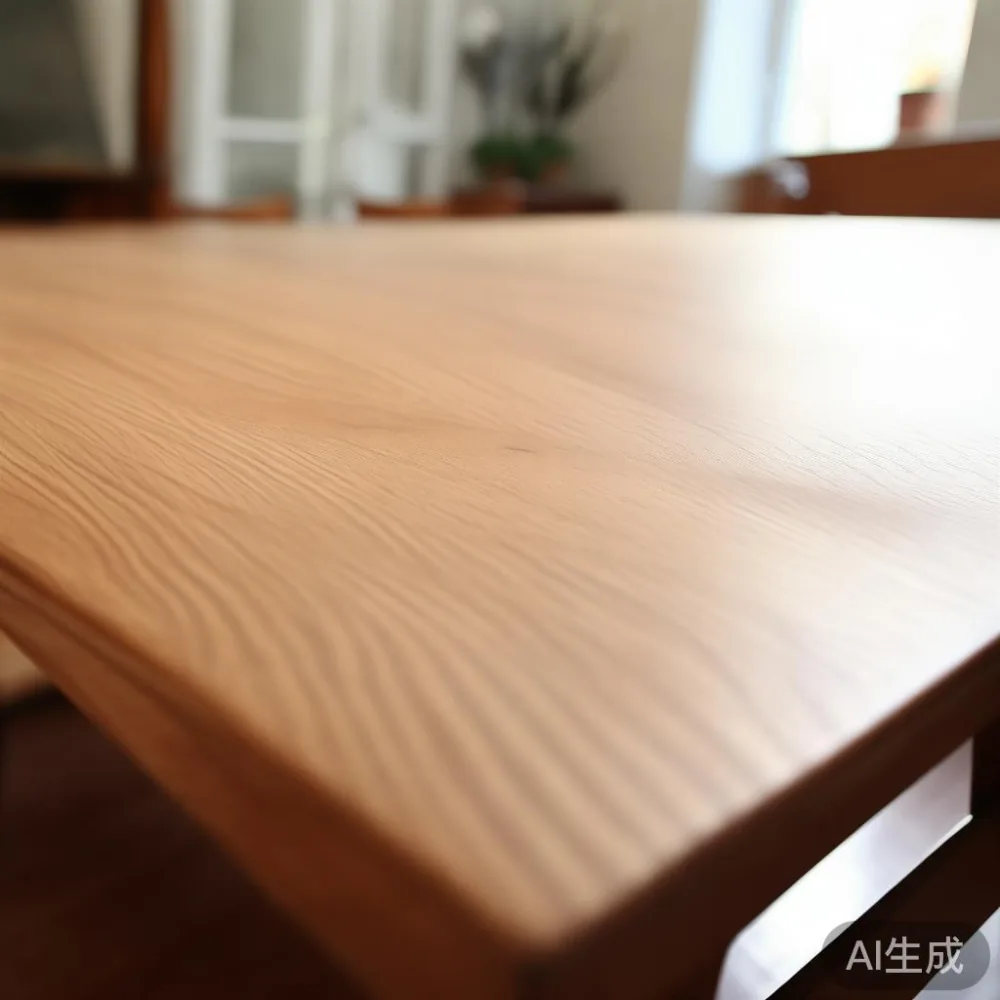
This guide focuses on lacquered indoor furniture, including solid wood dining tables, bed frames, wardrobes, nightstands, and occasional tables. Marble table tops require a different care system, so their sealing and cleaning needs should be confirmed separately. Singapore’s relative humidity commonly ranges from about 60% to 85%, while daytime temperatures can approach 32°C. Those numbers explain why a beautiful lacquered surface should not be treated as if it were immune to its environment.
What makes lacquer different in Singapore?
Lacquer is a cured surface coating, often made from resin, pigment, solvents, and additives. It creates a hard, attractive layer over wood or another prepared base. The film may feel smooth to the touch, but it can still react to heat, moisture, sunlight, abrasive particles, and cleaning chemicals. A UV-stabilised lacquer may resist fading better than an untreated finish, yet it should not be placed beside a west-facing window without sensible daily precautions.
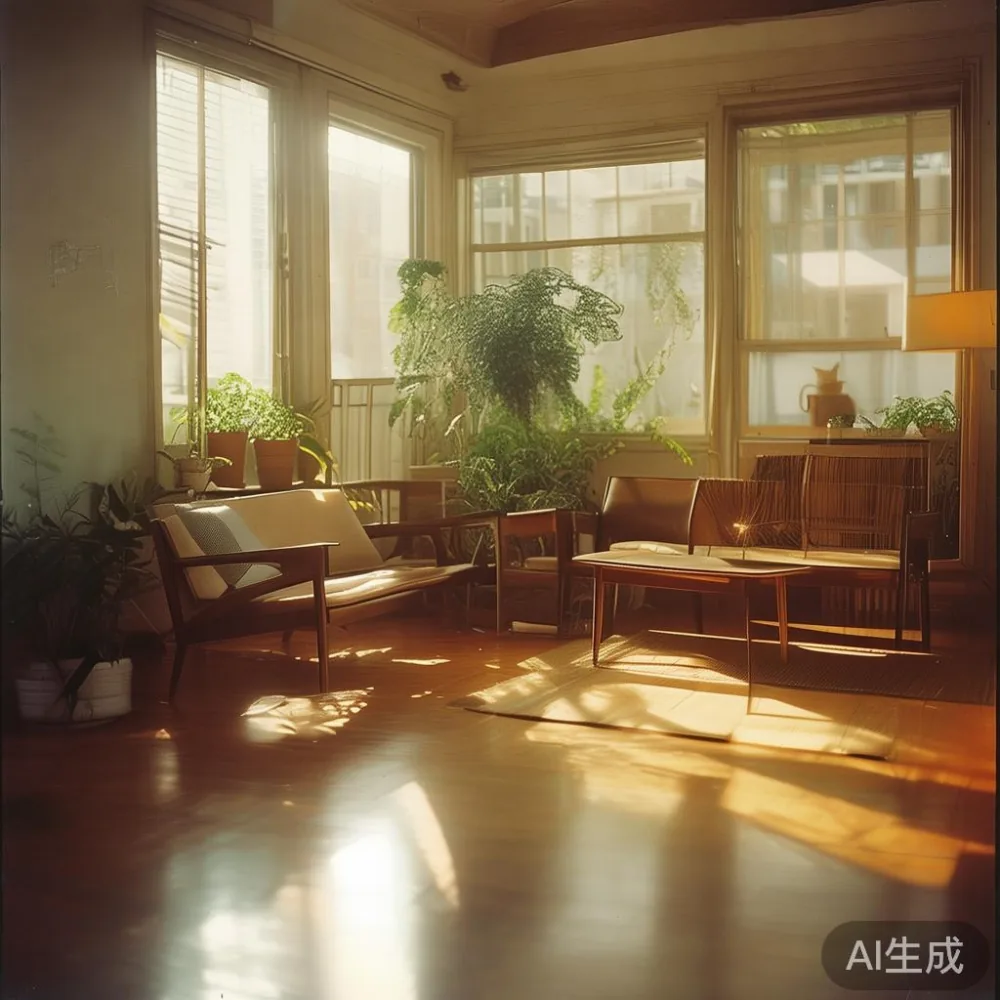
For solid wood furniture, dimensional movement remains part of the design. A 200 cm dining table may expand by several millimetres as its environment changes. Lacquer normally controls the appearance of the surface; it does not turn timber into an inert material. Good care preserves both the coating and the wood beneath it.
The storage target should be around 40% to 60% relative humidity where practical, with room temperatures kept near 24–28°C. These are helpful reference ranges rather than substitute measurements for a product-specific care sheet. Avoid abrupt changes greater than about 5°C, such as moving a nightstand from an air-conditioned bedroom to a hot balcony.
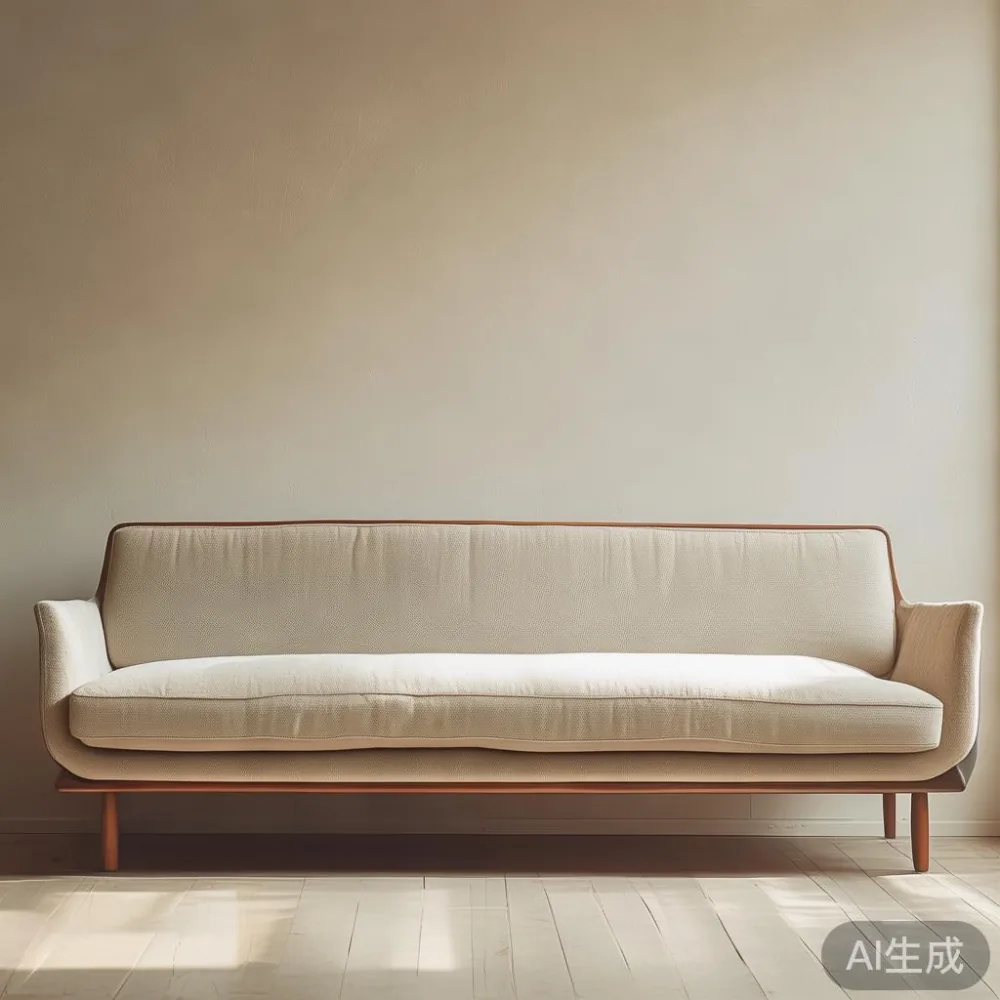
How do you clean a lacquered surface without damaging the finish?
Begin with the mildest method. Dust with a clean, dry microfibre cloth every 1–2 days in a busy home. A folded cloth about 30 × 30 cm gives enough control for a dining tabletop without scratching it with grit trapped inside a rough cloth. For routine cleaning, dampen another microfibre cloth with lukewarm water, wring it until no droplets emerge, and wipe gently. Dry immediately with a separate soft cloth.
Do not spray cleaner directly onto lacquer. A 30 cm spray bottle filled with water is useful for keeping distance, but spray the cloth rather than the furniture. This prevents liquid from entering joints, routed edges, drawer runners, or hairline openings. A mild pH-neutral cleaner may be used if the manufacturer permits it; dilute it precisely according to its label.
Wipe spills within about 5 minutes. Water rings should be addressed before they become dull patches. Keep pens, nail polish remover, adhesives, oil, and alkaline cleaners away from the surface. Coffee, tea, red wine, and sauces are especially relevant around a dining table in Tampines, Bedok, or Punggol homes where meals may happen in an open-plan living area.
After wiping a cleaner, wait 10 minutes and inspect the surface under oblique daylight. A slight temporary haze may disappear as moisture evaporates. Persistent dullness is not a cue to scrub harder. Aggressive pads and household bleach can permanently scar the lacquer. If a mark remains, contact the maker before attempting restoration.
Should I place coasters, placemats, and felt pads under lacquered furniture?
Yes. Heat is one of the simplest preventable risks. A mug containing 65°C coffee can leave a ring or soften a local area of lacquer when the drink sits for 30 minutes. A cork coaster about 9 cm in diameter or a heat-resistant mat about 45 × 30 cm creates a useful buffer. Do not use newspaper under a hot object; ink can transfer and newspaper itself offers uncertain heat resistance.
For a solid wood sofa, solid wood bed frame, wardrobe, or nightstand, use felt pads under the feet or beneath items that may slide. Keep them around 2–3 mm thick for compatibility with existing levellers. Do not attach adhesive felt directly to a visible lacquer face unless the manufacturer approves it. Adhesive can remain after removal and pull up the finish.
Keep table runners and protective mats flat rather than folded, since trapped grit can act like sandpaper. Dust the covering itself every 3–5 days. Check coasters monthly for moisture rings and clean them before returning them to the tabletop. These small habits are less damaging than repeated stain removal.
How far should lacquered furniture stay from windows and air-conditioning vents?
Keep lacquered pieces at least 60–100 cm away from direct sun where possible. A west-facing HDB living room can receive harsh afternoon light, particularly between 1 pm and 5 pm. Curtains with a light-filtering or blackout layer reduce UV exposure and heat gain. If a sofa must sit near the window, rotate cushions where practical and avoid leaving one side continuously exposed.
Position the furniture away from air-conditioning vents by at least 30–45 cm. Cold air alone does not usually harm cured lacquer, but strong airflow accelerates surface drying and can contribute to joint movement in solid wood. The greater risk is a rapid temperature swing: a cabinet exposed to cool air for 8 hours may then experience a warm, humid afternoon at 31°C.
Good ventilation helps moderate moisture throughout the flat, but fans should never blow dust directly at lacquered panels. A relative-humidity meter costing roughly SGD 20–40 gives occupants a better picture than weather forecasts alone. Place it in the living room or bedroom at about waist height, away from vents and exterior walls.
How often should lacquer be inspected, and what should I look for?
Carry out a visual inspection every 3 months. Look for a cloudy haze, tiny adhesive marks, lifted edges, colour shifts, or changes around handles and drawer gaps. A simple daylight check is more revealing than a bright ceiling light. For dark lacquer, view the surface at a low angle under 2 minutes; pooled light can expose shallow scratches that are difficult to see from above.
Check moving parts monthly. Apply product-compatible lubricant to a solid wood bed frame hinge only when the mechanism begins to squeak, following the hardware maker’s directions. Wipe away surplus oil immediately because lubricant stains lacquer. For a wardrobe, inspect hinges every 6 months and confirm that doors do not strike one another when humidity causes slight dimensional movement.
Minor finish defects should be treated before they spread. Deep splitting, extensive whitening, or peeling along a grain line can indicate a substrate or coating problem rather than ordinary wear. Photograph the area, measure the affected zone in centimetres, and contact the supplier with room conditions. Avoid applying paint, filler, or oil over the spot.
Can lacquered furniture be moved through HDB corridors and condo lifts safely?
Measure before ordering, not after delivery. A solid wood dining table may arrive as several protected sections rather than one unwieldy slab. Compare every route—including the HDB void deck, letterbox area, staircase, corridor, and lift door—with the actual furniture dimensions, including protective packaging. Door clearance should exceed the packaged width by at least 5 cm per side where turning is needed.
Common residential lifts vary greatly: a typical door opening may be about 900 mm wide and 2,000 mm high, while the internal car can measure around 1,400 × 1,000 mm or 1,350 × 1,100 mm. These are planning figures, not guarantees for a specific block in Tampines, Bedok, or Punggol. Book the service lift if available and check its permitted load against the packaged piece.
Protect edges with 10–15 mm foam or purpose-made corner guards, but do not tape adhesive directly to lacquer. Use a glassine barrier or material approved by the finish maker. Carry one person per 15–20 kg where manual lifting is appropriate, or use a trolley rated above the piece’s total weight. A dining table section can weigh 40–80 kg, so teams should coordinate rather than lift by guesswork.
I tested this process last month with a colleague during a visit to a client’s Tampimes HDB flat. The lift door was nominally 900 mm wide, yet the narrower corridor had an 860 mm pinch point near a pipe. Two lacquered sideboards were packed at 82 cm and 78 cm wide; both passed, but removing 3 cm of protective foam from the larger sideboard created the clearance needed for the turn. Measuring the real route saved the crew from forcing the finish at the corridor wall.
How can storage and daily use protect a lacquered wardrobe?
Allow air to move around wall-facing panels. A wardrobe should usually stand with about 5 cm of rear clearance for ventilation and service access, provided its anchoring instructions allow it. Do not push it tightly against a damp exterior wall. Keep trays, clothes, bags, and shoes at least 10 cm away from lacquered interiors where airflow is limited.
Use cedar blocks or clean wool felt inside drawers to absorb seasonal moisture, but do not overfill them. Replace them every 6–12 months if they become damp or dusty. Avoid storing damp bath towels against a wardrobe door. In a humid bathroom-adjacent bedroom, open the door periodically and run dehumidification if readings remain above roughly 65%.
If French provincial styling appeals, the question of how to style French provincial wardrobe in bedroom should focus on balance rather than crowding. Pair pale linen, a restrained ceramic lamp, and one 45 × 65 cm framed print with clean vertical storage. Open 20% of a shelf to keep the room breathable and let each surface remain easy to wipe.
How do lacquered pieces fit into a light-luxury apartment?
Light luxury depends on proportion, material quality, and visual calm rather than excessive ornament. A mid century modern solid wood sofa with slim legs can keep a 12–15 m² HDB living room open. A lacquered dining table with a 180 cm top suits a compact dining zone more comfortably than a broad 240 cm model, although chair clearance still requires about 75–90 cm behind each occupied seat.
For a European bed frame, ask how to style European bed in room without allowing decorative objects to touch the finish. Keep 15–20 cm around nightstands, use lamps no higher than 55 cm, and limit each bedside surface to 2–3 items. A 40 cm nightstand is enough for a book, a phone, and a small lamp; the uncluttered top is easier to maintain.
French for small living room is often described in terms of refined restraint, although solid joinery and usable scale matter more than a decorative label. European light luxury for apartment planning can combine warm wood, pale walls, brass details, and one strong artwork. If storage is required, a light luxury TV console can be chosen in warm oak or muted lacquer with closed sections; however, its cable openings should remain dust-free.
One online title labelled top 10 Rustic furniture may offer useful ideas for solid timber, but the objects must suit the actual home. Rustic-style boards do not automatically complement every French or mid century modern interior. Confirm dimensions, finish type, maintenance requirements, and delivery terms before buying. The phrase “solid wood” alone does not reveal the species, coating, or construction.
MIDHILL’s collections can be evaluated as mid century modern furniture with a light-luxury posture, while allowing material and finish differences to guide the selection. Specifications and care instructions matter more than a trend label. For a coordinated scheme, owners of a dining table, bed frame, sofa, wardrobe, and nightstands should request matching sheen levels and wood tones before production.
What should I do after a spill, scratch, or stain?
For a fresh spill, lift solids with a soft cloth, blot liquids, rinse the cloth with lukewarm water, and dry the area within 5 minutes. Work from the outside toward the centre so residue does not spread. If lacquer feels tacky or develops an oily ring within 30 minutes of a hot spill, stop using household cleaners and contact a finish specialist.
For superficial marks, a clean soft cloth may be enough. Do not reach for magic erasers, baking soda, metal wool, scouring pads, or coarse paper. Each can create microscopic scratches that become visible in side light. Test any approved restoration product on a hidden 2 cm area for at least 72 hours before using it on a visible face.
Assess furniture transport damage immediately. Photograph the packaging and furniture before unpacking further, especially if furniture has travelled from overseas. Note the date and time, record the damaged dimensions, and preserve shipping labels. A clear response within 24 hours gives the manufacturer a stronger basis for determining whether refinishing or replacement is appropriate.
How do warranty, delivery, and long-term care work?
Read the structural warranty as separate from cosmetic surface care. A 10-year structural warranty addresses covered construction failures; it does not mean every scratch, spill, or colour change will be repaired without charge. Confirm exclusions, evidence requirements, and territorial terms in writing. Retain the invoice, product dimensions, finish specification, and delivery record.
MIDHILL has operated since 2008 and exports to 15+ countries. Buyers in Singapore should request the local delivery quotation, including GST where applicable, rather than estimating from an overseas price. Check lift-access charges, assembly, protective packaging, and the delivery window in days. Standard delivery timing can vary by configuration, but production and last-mile handling should be stated as fixed dates rather than vague promises.
Free shipping over US$350 is specified for qualifying orders, but a Singapore buyer should ask whether that threshold and its conditions apply to the destination. Do not assume that a global threshold automatically includes local freight, customs support, or lift carrying. Returns are available within 14 days under the stated policy; confirm that furniture remains unused, protected, and in its original packaging.
What is a practical lacquer-care routine for Singapore?
A daily habit takes less than 5 minutes: dust lacquered horizontal surfaces with a dry microfibre cloth and deal with spills immediately. Every 1–2 weeks, clean lightly with a wrung cloth and inspect coasters, handles, and tabletop edges. Each month, check humidity, move fabrics away from wall panels, and inspect moving joints. Every 3 months, assess sun exposure and marks under daylight; every 6 months, review storage airflow and hardware.
Keep a small care kit near the utility area: 2 clean microfibre cloths, 1 soft-bristle dusting brush with 10 mm bristles, and 1 mild pH-neutral cleaner approved for the specific finish. Label products and keep chemicals away from children and pets. A humidifier may help in air-conditioned rooms maintained below 45% relative humidity, while a dehumidifier is more useful during monsoon periods. Neither should be aimed directly at furniture.
For product details, care-sheet requests, and delivery planning, review midhill.co or contact the relevant sales team. Do not rely on a generic lacquer instruction when the item is a solid wood sofa, solid wood bed frame, dining table, wardrobe, nightstand, or marble table. Confirm the exact finish, underside treatment, movable parts, and recommended products before using anything beyond water and a dry cloth.