Caring for Lacquered Surfaces in a Tropical Climate: A Practical Guide for Singapore Homes
Practicality beats polish every time when humidity sits at 80% most mornings and your air-con cycles off at 2 a.m. I learned this the hard way last month visiting a friend's resale 4-room HDB in Tampines. He had parked a beautiful solid wood sideboard, lacquered in a warm caramel tone, directly beside his kitchen doorway. Within fourteen months, the surface near the stove had developed a dull, cloudy patch — moisture haze trapped under a film that was supposed to protect it. We wiped it down, opened the windows, ran a small dehumidifier for 48 hours, and slowly the sheen returned. That experience is exactly why this guide exists. If you are bringing mid-century modern pieces into a Singapore flat, the lacquer needs a different playbook than the one printed on the bottle.
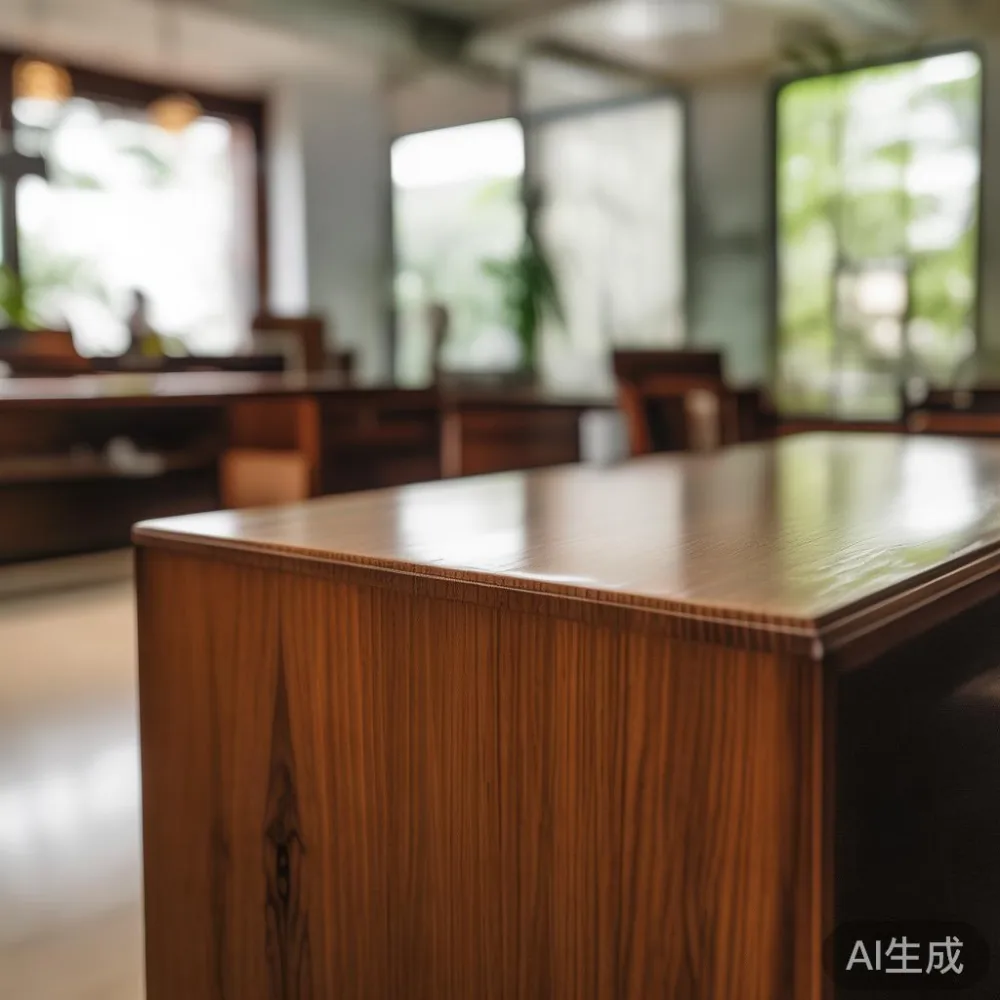
Singapore's combination of heat (28–34°C most days), persistent humidity (70–90% RH), and frequent afternoon thunderstorms makes lacquered surfaces behave differently than they do in temperate showrooms. UV from afternoon sun streams through HDB windows facing west. Lift landings in older blocks like those in Bedok can reach 36°C by mid-afternoon. Your lacquered dining table, your bed frame, your nightstand — every item absorbs and releases moisture around the clock. The good news: with a thirty-minute routine once a week, a few SGD of supplies, and some restraint around placement, your pieces will hold their finish for a decade or more.
What exactly is a lacquered finish, and why does it react to Singapore's climate?
Lacquer, in the furniture sense, is a clear or tinted film built up in many thin coats — historically nitrocellulose, today often a catalyzed polyurethane or a UV-cured acrylic. It sits on top of the wood like a transparent skin. Underneath, you have solid hardwoods the way MIDHILL furniture typically uses — ash, walnut, oak, rubberwood — each chosen because the grain stays stable and the surface takes a fine polish.
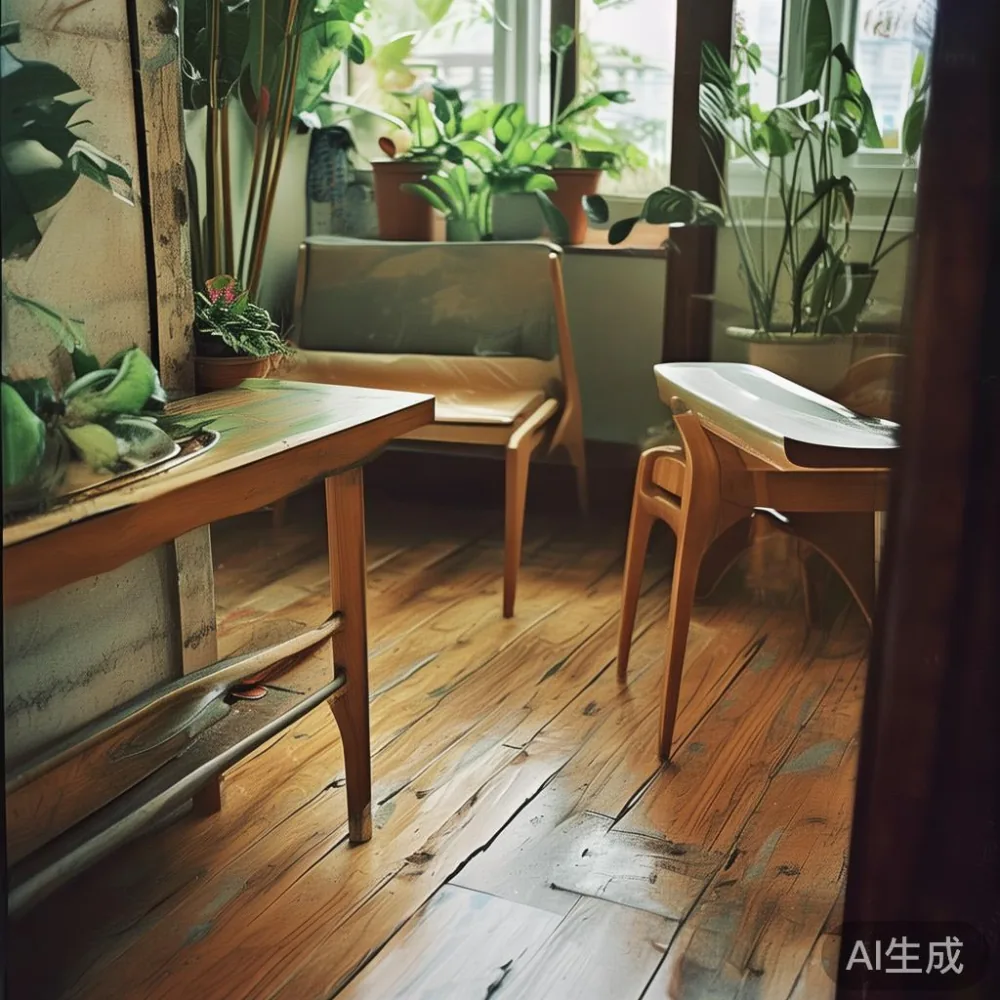
The skin's job is to seal the pores, block oxygen, and reflect light evenly. Humidity sabotages this in two ways. First, water vapour works into the joint between lacquer and substrate when wood swells; when it dries, the lacquer can micro-crack or whiten — called "blushing." Second, in tropical rooms the lacquer surface itself sweats. You see this as a tacky feel under your fingertips by mid-morning, often near wardrobe doors or marble table sections where airflow is restricted.
A lacquered mid-century modern piece is a study in restraint — straight tapered legs, exposed joinery, no excessive ornamentation. Because the form is so clean, every surface flaw is visible. A 2 cm blush mark across a dining table top will read as a defect against plain geometry. That is your real reason to maintain the finish aggressively.
How often should I dust and wipe a lacquered surface in HDB or condo humidity?
Twice a week at minimum. Three times if your unit faces a green corridor and catches less crosswind. Use a clean microfibre cloth (16,000–20,000 g/m² density, in packs of three for around S$12 at Cold Storage or NTUC). Avoid feather dusters: they push finer grit across the surface and scratch under magnification.
Follow a damp-then-dry pattern. Lightly mist the microfibre with distilled water (from the supermarket, about S$2.50 for 5 litres). Wipe in straight lines along the wood grain, never circles. Within 90 seconds, follow up with a second dry cloth. Lingering water plus lacquer plus heat equals the white rings you have seen on secondhand sideboards at the Sungei Kadut trade area.
For larger pieces, work in 60 cm sections. A 180 cm dining table, for instance, can be wiped end-to-end in under three minutes if the cloth is rotated to a clean face every section. Keep a small bowl nearby to set the cloth down between sections — never drape a wet cloth over a chair arm.
What cleaning products are safe — and which ones will ruin the finish in one wipe?
Skip the ammonia, skip the silicone, skip the wax polish. Anything containing silicone (most "wood polishes" at S$5–S$9 bottles) leaves a film that traps moisture and creates long-term haze. Ammonia-based glass cleaners (the kind in green spray bottles) will cloud the lacquer within a season of weekly use.
What works on a lacquered mid-century modern surface in Singapore humidity:
- Distilled water on its own for weekly wipes.
- A 1:200 dilution of pH-neutral dish soap (one drop per 100 ml) for monthly deeper cleans, wiped off with a damp cloth within 60 seconds.
- A dedicated lacquer refresher, applied once every six months with a soft cotton pad, costs around S$28 for 250 ml from specialty suppliers in Joo Chiat or online.
- Soft microfibre cloths (keep six in rotation) at around S$4 each.
What to keep off the surface, full stop: alcohol-based hand sanitiser (a frequent culprit near dining tables in current times), important oil diffusers (the vapour settles as a fine oily film), rubber placemats (the sulphur migrates into lacquer and leaves dark shadows), and any "old-style" furniture wax. If you have a small favourite spot for coffee, use a coaster 10 cm in diameter, felt-bottomed, never ceramic alone.
How should I position a lacquered bed frame, dining table, or wardrobe against Singapore's heat and light?
Placement is the cheapest, most reliable protective measure. Three rules from real HDB and condo field notes:
1. Keep lacquered surfaces 30 cm away from direct sunlight at peak (11 a.m. – 3 p.m.). A west-facing window in Punggol can push afternoon UV levels above 700 W/m². Pull sheers (90% blackout works best) instead of solid panels so the room does not feel closed in.
2. Maintain 15 cm of clearance behind any wardrobe or tall cabinet so air can move. Condo service yards sometimes store such pieces; air movement there is poor and humidity climbs to 88–92% RH on wet days. Bring the piece back into the air-conditioned living area when possible.
3. Avoid placing a lacquered nightstand against a bathroom partition wall (common in 3-bedder layouts). The temperature delta between the two rooms drives moisture into the cooler surface, creating a tide line along the bottom edge within six months.
For lift logistics: most older HDB lifts in Tampines and Bedok measure 1.4 m wide by 2.1 m deep — a king-size lacquered bed frame at 198 cm × 211 cm may need an angled approach. MIDHILL furniture typically breaks down into side rails, headboard, footboard, and slats, which keeps every panel under 200 cm and fits cleanly. Worth asking before delivery day if your block has a service lift, since lifts under 1 m wide will refuse a fully assembled wardrobe.
When should I call in a professional — and what does that actually cost in SGD?
Most lacquer problems in a Singapore home are minor and respond to home care. The exceptions — yellowing older finishes, deep blush marks larger than 5 cm, peel-up near edges, or scratches through to bare wood — need a specialist. Refinishing or "French polishing" (a traditional technique using shellac dissolved in alcohol, padded on by hand) returns dulled lacquer to a deep gloss in a controlled workshop setting.
Realistic local price ranges as of early 2025:
- On-site touch-up for a 60 cm scratch on a dining table: S$90–S$140.
- Full re-lacquer of a 180 cm dining table top, with light sanding and three new coats: S$380–S$520, plus collection/delivery of S$60–S$120 if the workshop is not on-site.
- Wardrobe door (single panel 60 × 220 cm) refinishing: S$160–S$260 per panel.
- Bed frame headboard strip and re-coat: S$220–S$340.
Look for workshops offering a minimum 12-month warranty against blushing or peeling — this signals they understand the tropical failure modes. Many furniture houses now combine repair with refinishing on a recurring cycle, sometimes once every 8–10 years for pieces kept in air-conditioned rooms.
For buyers watching budget, here is one anchor: a tasteful light luxury accent chair in a lacquered hardwood frame lands around S$650–S$950 retail, well under most American light luxury price tags for similar silhouettes. The point of the comparison: you can build a coordinated lacquer set (nightstand, small side cabinet, two chairs) for under S$4,000 total, especially when looking at export-grade solid wood sofa, bed frame, dining table, and accessory packages from established Foshan makers.
What about marble table inserts and mixed-material pieces — do they need different care?
Yes, and the difference matters. A lacquered wood frame around a marble table insert catches the worst of both worlds: the wood side responds to humidity, while the marble responds to acid. Wipe marble with a damp microfibre and a stone-safe neutral cleaner only. Lemon juice, vinegar, wine, and tomato sauce will etch marble in under a minute and the mark is permanent.
Two habits keep a mixed-material table looking new in a Singapore home: use coasters for every drink (yes, even water), and re-seal the marble every 18 months (S$120–S$200 for a 120 cm round, done by a stone-care technician). The lacquer around the marble typically needs refreshing every four to five years; the marble every two. Plan budgets accordingly.
If you are weighing a statement piece for a small HDB living room, look for post-modern light luxury silhouettes with slim profiles — a 140 cm rectangular marble table, for example, fits comfortably in a 12 m² living-dining zone and clears the standard 90 cm corridor allowance in newer BTOs. Post-modern for small living room design tends to favour open bases, which also help airflow in humid months and reduce dust traps along the floor.
Will my warranty really hold for a lacquered piece used in Singapore — and what should I check before buying?
Any reputable export maker documents lacquer behaviour in tropical conditions. MIDHILL, for example, applies a multi-coat catalyzed lacquer and specifies UV inhibitors, with a 10-year structural warranty that includes crack-and-peel coverage when the piece is used indoors under normal air-conditioned conditions. Standards vary widely between makers, so ask for the following in writing before paying:
- Lacquer type and number of coats (catalyzed PU 5+ coats is a healthy sign).
- Topcoat UV resistance rating (a 3-star or higher marker on the technical sheet is reasonable).
- Warranty scope: does it cover finish breakdown, or only joints and frame?
- Refinishing service availability — lifetime touch-up is a meaningful benefit after Year 5.
- Returns window for transit damage (in Singapore, a 14-day check is fair).
On shipping: many Singapore orders above S$350 ship free from regional warehouses, with delivery in 14–25 days depending on stock. Lift access at your block determines if the piece is delivered assembled or flat-pack. Measure your lift door, side rail clearance, and stair turn radius before ordering anything larger than 180 cm in any dimension. The single most common damage I see on homeowner forums is a corner chip from a tight lift in an older Bedok block — preventable with five minutes of measuring.
How do I plan a whole-room set without overloading humidity-sensitive finishes?
Limit the lacquered surface area to roughly 60–70% of the room. Combine lacquered hardwood pieces with upholstered items (a solid wood sofa frame with linen-wrapped cushions, for instance, which breathes far better than full leather in our humidity), woven rattan accents (a French light luxury cane-back chair under a dining table, for example), and matte ceramic or stone accessories that absorb rather than reflect moisture.
A common-Singapore five-piece starter: one lacquered dining table (180 cm, six seats), one lacquered bed frame (queen, 160 × 200 cm), two nightstands, and one wardrobe. Add a marble table for the entryway, two stools, and one sideboard and you have the bones of a 4-room HDB. Budget roughly S$6,800–S$9,200 for the hardwood-and-lacquer core, before fabric and mattress.
If you are browsing design categories online, the term French sofa vs French provincial sofa comes up a lot in Singapore design forums — the practical difference is that the new wave of French silhouettes tends toward clean lines and works beautifully beside a lacquered mid-century modern dining set, while provincial pieces lean ornate and pull visual weight away from your lacquered surfaces. Pick the family that leaves room for your wood furniture to breathe.
One last pattern note for buyers: several curated lists online rank the top 10 Boho furniture pieces for HDBs, and almost every one sits naturally beside lacquered mid-century modern pieces — rattan, linen, raw ceramic — because the shared vocabulary is honest materials and calm finishes. If your budget is tighter, the under 2000 Coastal furniture brackets tend to be the same export producers showing a different finish line, which gives you room to coordinate without overspending.
For owners already committed to a French aesthetic, the long phrase French for dining room has real meaning in the local market — it signals restraint, vertical lines, and a calm wood palette that fits almost any HDB or condo layout. Pair that vocabulary with a lacquered mid-century modern core and the room will look composed without feeling over-decorated. A quiet Thursday-night wipe-down, a steady dehumidifier cycle, and a few coasters are all that stand between you and a beautiful, lasting home.