How Singapore Humidity Shapes the Solid Wood Furniture You Actually Live With
I keep a small notebook in my Tampines HDB unit, scribbling down what I see when I visit clients. Last month I walked into a 92 sqm resale flat in Bedok where the homeowner had stacked three decorative vases on a brand new solid wood sideboard. The piece had only been in the home for eight weeks, and you could already see a faint bow along the top panel, almost a centimetre off true. The air around it read 82% relative humidity on a borrowed meter. That single afternoon convinced me that any guide about light luxury furniture for Singapore homes has to start with humidity, not with style.
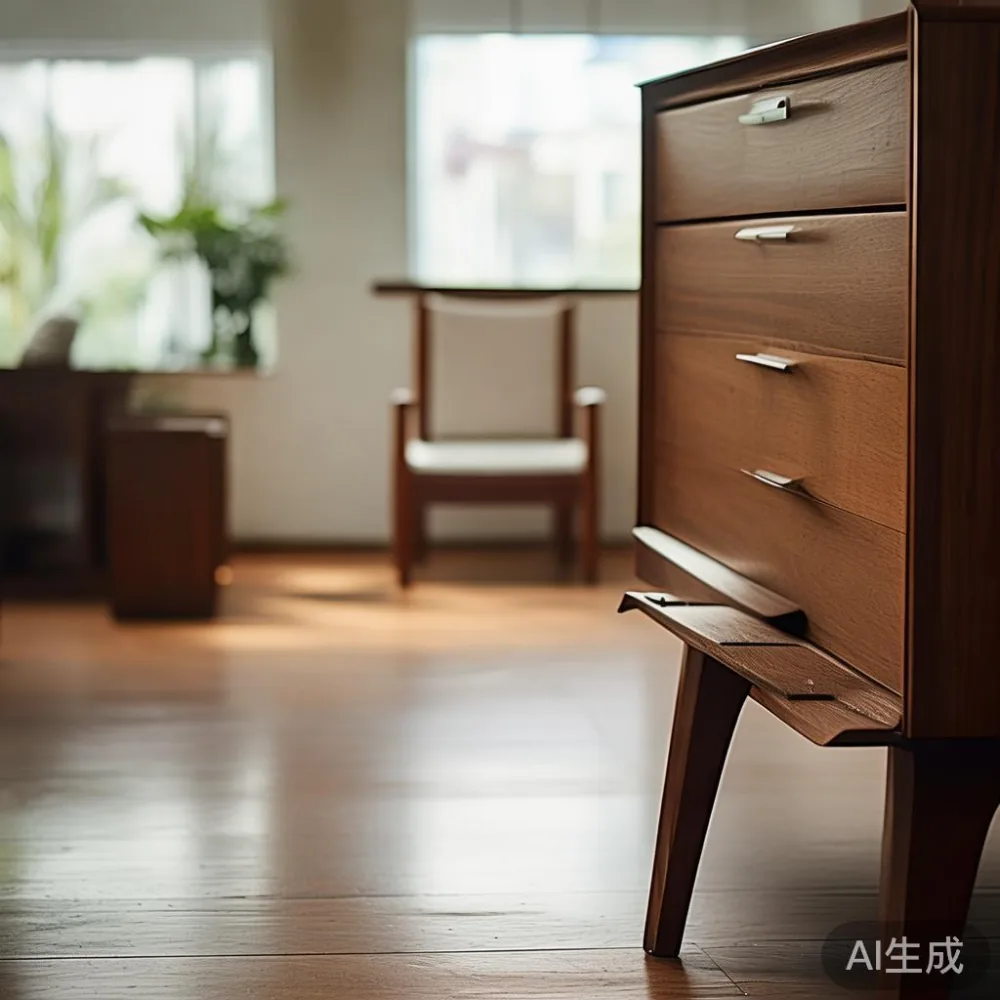
This piece is written for homeowners across HDB blocks in Punggol, condo units in River Valley, and landed houses in Serangoon who are weighing an investment in a solid wood sofa, bed frame, dining table, wardrobe, nightstand, or marble table, and who want those pieces to look the same in year six as they do in week one. It is also a working note from someone who has spent years inside showrooms and on loading docks, watching how timber behaves in our specific climate.
What 80% Relative Humidity Does to a Real Wood Top
Wood is a hygroscopic material, which is the polite way of saying it drinks in moisture from the air and breathes it back out. The cellular structure of solid oak, ash, walnut, and rubberwood acts like a bundle of straws, swelling along the grain when humidity climbs and contracting when it drops. In Singapore the average daytime reading sits between 70% and 82% for at least nine months of the year, and our overnight figures rarely dip below 65% even with the air-con running at 23 degrees Celsius.
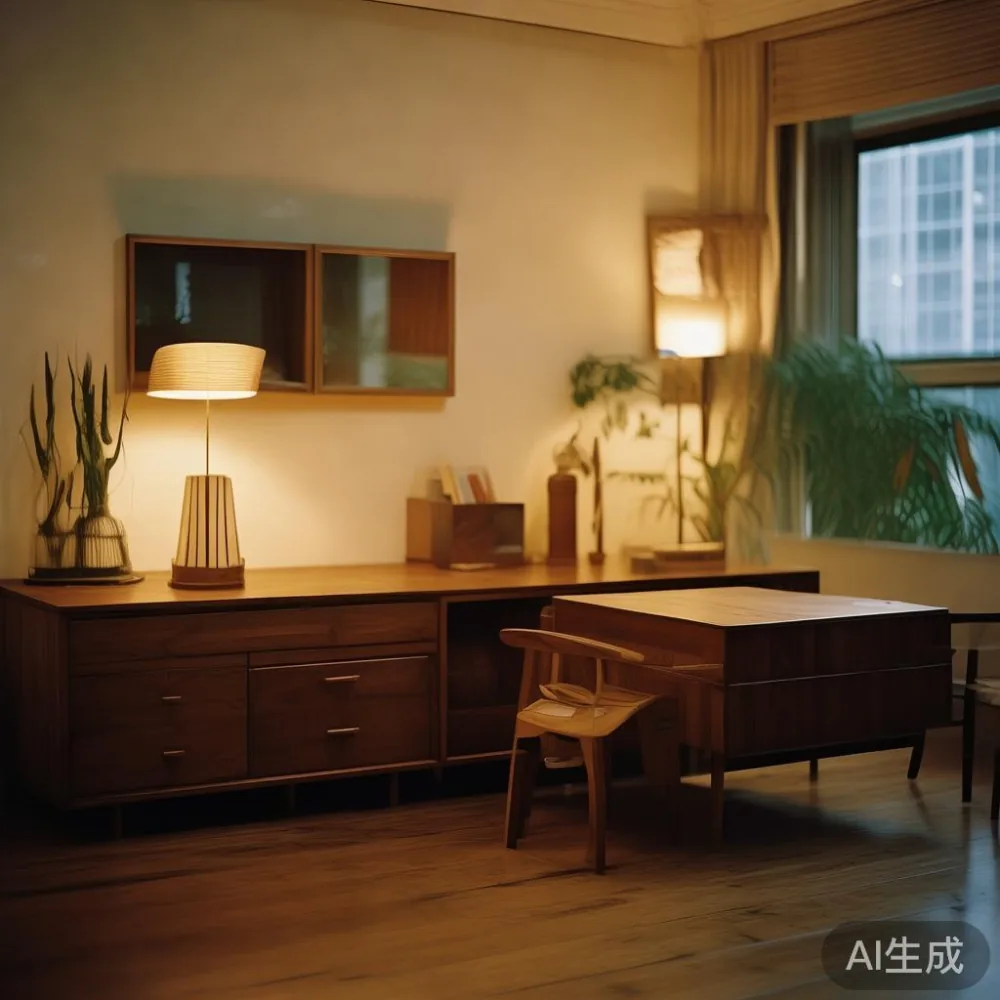
When the moisture content of a 200 cm dining table top rises by 4%, the board expands by roughly 2 to 3 mm along its width. That sounds invisible, but the movement has to go somewhere, so it presses against the next board, the apron, or the leg joint. The result in plain sight is a slight cup, an opened seam at the breadboard end, or a drawer front that suddenly rubs. Every reputable Foshan furniture maker builds in 3 to 5 mm of expansion allowance at the joinery, but it only works if the piece is acclimatised before it is installed.
Modern light luxury dressing table designs, with thin 25 mm tops and slim 18 mm drawer fronts, show every micro movement because there is simply less material to absorb the change. Tighter, thicker 38 mm tops, common on French provincial inspired dressers, hide movement better, although they weigh more. If you are choosing between a delicate console and a chunkier chest of drawers for a guest room that does not get daily air-con, think about the engineering first and the silhouette second.
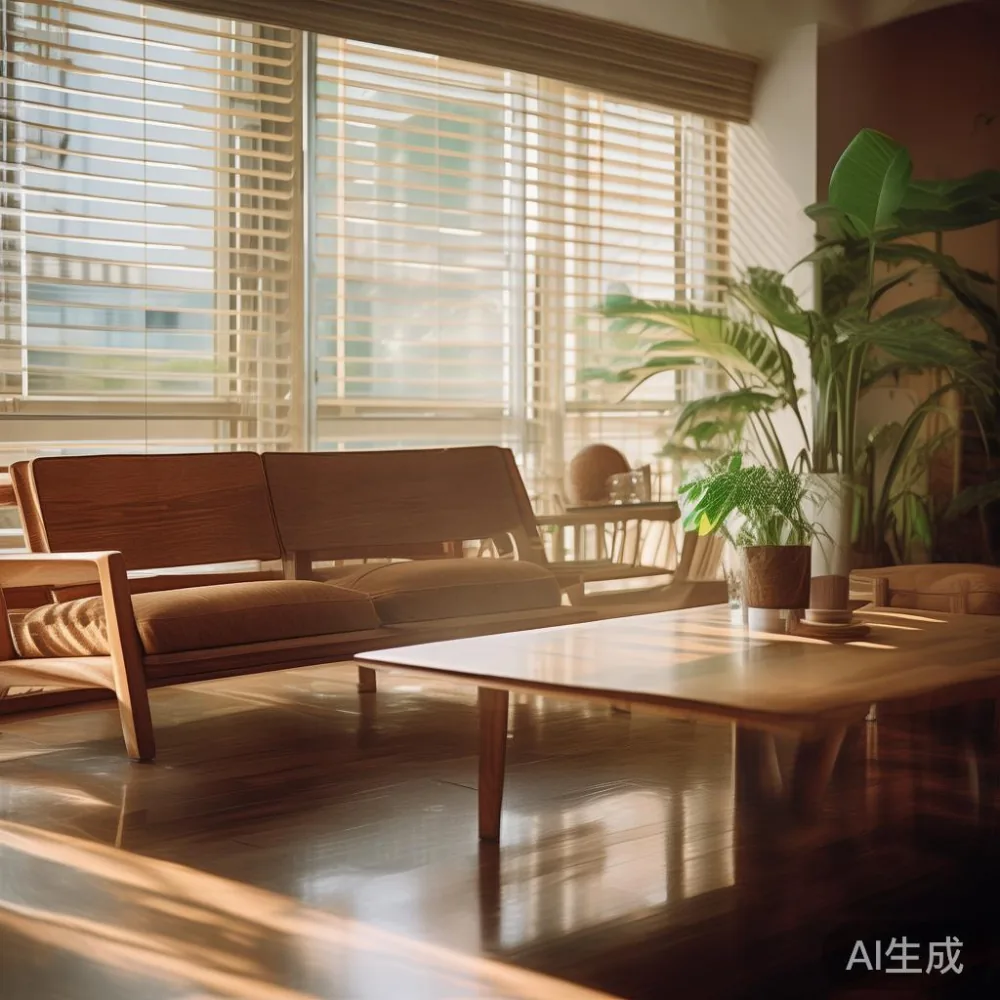
Is a Solid Wood Sofa Frame Really Safe From Warping in a HDB?
Yes, with caveats. A hardwood sofa frame made from kiln-dried rubberwood at 8% to 10% moisture content is stable enough for daily Singapore living, even in a 990 sqft HDB flat where the corridor outside can hit 32 degrees Celsius and 85% humidity in the afternoon. The frame itself, usually built from 4 cm by 6 cm rails dovetailed into the arms, resists warp because the load is shared evenly across the carcass.
The risk areas are the panels. The back panel of a 3-seater, the front apron beneath the seat cushions, and any floating side panel are the spots that move first. When I assess a piece for a client, I run a flat palm across the underside of the apron and look for daylight gaps at the joints. A well-engineered mid century modern sofa will have a floating tenon at every long rail and at least one slot screw per major joint to allow movement without cracking.
For HDB corridors that measure 1.2 m wide at the lift lobby and around 1.5 m inside the lift car itself, modular frames that arrive in two pieces weighing under 35 kg each are far easier to handle than one 85 kg block. Anyone living above the 10th floor in a Punggol Build-to-Order block will already know the choreography of getting a bulky piece out of a lift without scraping the mirror wall.
Why Marble Tables Need the Same Care as Timber in Our Climate
A marble table looks like a stone, but the substrate is usually plywood or MDF at the core, with a 15 mm to 20 mm stone veneer on top. The stone does not move, the wood underneath does, and that mismatch is where problems start. In our humidity, an unprotected MDF core can swell at the edges by 1 mm to 2 mm over a wet season, lifting the marble just enough to crack at a corner if the piece has been glued too rigidly.
If you are comparing a Carrara marble dining table at SGD 4,850 against a sintered stone top at SGD 3,280, the moisture story alone makes the sintered option attractive for a balcony dining corner that catches morning rain. Sintered stone is pressed at 1,200 degrees Celsius, has near zero water absorption, and tolerates our weather far better than natural marble. For a side table in a dry, air-conditioned living room, true marble is fine and brings a soft luxury that pairs nicely with a light luxury bed.
Always ask the supplier what sits beneath the stone. Solid wood subframes with a 2 mm cork or rubber slip sheet between the marble and the wood handle movement cleanly. A pure plywood core is cheaper, around SGD 600 less per table, but it tends to delaminate at the corners after three to four wet seasons.
How to Style Light Luxury Bed in Room So That Wood Stays Calm
Styling is not just about cushions and throws. The way you dress a bed frame controls how much airflow reaches the timber, and airflow controls how evenly the wood dries between air-con cycles. I keep a 30 cm gap behind the headboard wherever the room allows, because still air behind a 1.5 m wide solid wood headboard traps moisture and slowly raises the local humidity by 5% to 7%.
Use slatted bases instead of solid plywood under the mattress. Slats let the underside of the mattress breathe and pull moisture away from the bed frame. Pair the bed frame with breathable linen or tencel sheets rather than tightly woven synthetic sets, and rotate the mattress 180 degrees every three months. These small habits drop the microclimate around the bed by 8% to 12% relative humidity, which is enough to stop any visible movement on a 38 mm thick headboard panel.
When clients ask how to style light luxury bed in room layouts under 14 sqm, my honest answer is to stay restrained. One textured throw, two slim cushions, and a single piece of wall art keep the visual weight light. Anything heavier overpowers a delicate tapered leg and starts to look top-heavy, especially in flats where ceiling heights sit at 2.6 m and the eye reads every proportion. A clean stage also lets the timber grain do the visual work, which is the whole point of specifying solid wood in the first place.
Should You Choose a European Light Luxury Bed or a French Provincial Bed for a Singapore Master Bedroom?
The short answer depends on your air-conditioning habits. A European light luxury bed, with cleaner lines, lower headboards around 95 cm to 105 cm, and slimmer legs of 12 cm to 15 cm, breathes better. The lower profile lets air circulate across the floor and keeps timber movement predictable.
A French provincial bed has turned posts, carved detailing, and often a taller headboard of 120 cm to 135 cm. The extra height traps air, which means more moisture held around the upper sections of the wood. In a master bedroom where the air-con runs 12 hours a day, a French provincial bed is still a fine choice, but it needs a dehumidifier set to 55% during the wet season to keep the posts from feeling tacky to the touch.
You are really comparing European light luxury bed vs French provincial bed on engineering grounds as much as style. European builds tend to favour mortise and tenon with floating joinery, perfect for movement. French provincial builds often use more decorative dowel and glue, which looks charming but limits how much the wood can shift. If your master bedroom sits on a high floor with strong afternoon sun through west-facing windows, the European build is the safer long-term call. We recently walked a couple through this exact comparison in a Rivervale Shores condo, weighing a European frame at SGD 4,200 against a provincial frame at SGD 4,650, and the engineering case won.
What's the Right Way to Choose an Italian Light Luxury Wardrobe That Will Not Stick in August?
Anyone Googling how to choose Italian light luxury wardrobe at 11pm in Singapore is usually staring at a wardrobe door that no longer closes properly in August, and they want to know what to do differently next time. The first rule is door construction. A traditional hinged door has a 2 mm to 3 mm gap allowance built into the hinge plate. In our humidity, those gaps close by 1 mm to 1.5 mm because the 220 cm tall door panel can swell by that much along its width.
Look for wardrobes with a centre gap expansion channel of at least 5 mm, silicone gasket seals on soft-close hinges, and adjustable pivot hinges that let you re-set the door by 4 mm in any direction. Slide-door wardrobes are not a guaranteed fix either, because the bottom track can swell and bind. A good Italian light luxury wardrobe uses aluminium tracks with PTFE rollers, which slide cleanly even when the wooden frame moves by 1 mm to 2 mm.
Inside the wardrobe, request cedar linings for around SGD 280 extra on a 2.4 m wide unit. Cedar buffers humidity swings, releases a light scent, and keeps clothes dry during monsoon season. The same logic applies when you pick a nightstand, marble table, or shoe cabinet. Any timber surface that sits within 50 cm of an external wall benefits from cedar backing.
Do Singapore Light Luxury Sofas Outperform Modern Sofas in Steam Bath Conditions?
Comparing French sofa vs Modern sofa inside a HDB that feels like a steam bath in November is a fair question, and the answer depends on what you mean by French sofa here. A French light luxury sofa built on a beech hardwood frame, with hand-tied webbing and a 7 mm to 9 mm sinuous spring seat, is engineered for heavy daily use and tolerates moisture swings far better than a glued, foam-only modern sofa.
Modern sofas from mainland showrooms can be excellent too, but the lower tier often skips kiln-dried frames, using rubberwood at 14% to 18% moisture instead. That timber will move visibly in a Tampines flat that is not air-conditioned for nine hours a day. Last quarter I visited a Punggol studio where a brand new 2-seater at SGD 1,890 had developed a 6 mm twist in one arm within five weeks. The owner had assumed all solid wood sofa frames were the same, and learned quickly that the kiln-dry stage is where the money goes.
If you want the engineered performance of a French sofa with the visual restraint of a modern line, look for makers who publish the moisture content of their timber and the type of spring used in the seat. Brands that ship from Foshan furniture factories with proper kiln rooms and a ten-year structural warranty are usually a safe bet. Most pieces from MIDHILL, for instance, leave the workshop between 8% and 12% moisture and spend another two to three weeks acclimatising in our local warehouse before delivery, which removes the worst of the movement risk.
Does Mid Century Modern Design Make Sense in a Humid Climate?
Mid century modern design is a 1945 to 1969 aesthetic that prizes clean lines, gentle curves, visible joinery, and warm woods such as teak, walnut, and white oak. The visual style works beautifully in Singapore apartments because the proportions stay light and the silhouettes breathe. The engineering also happens to suit our climate.
Mid century modern sofa, bed frame, and dining table designs almost always sit on tapered legs of 18 cm to 22 cm, which lifts the timber body well above floor level and lets air move underneath. That single design choice removes a major source of moisture wicking from a cool tile floor in a high-floor condo. Skirts and solid bases trap damp air, especially against HDB vinyl flooring that sweats during monsoon gusts.
The honest part of working with mid century modern furniture over the years is that not every piece labelled with the style has been engineered for our humidity. Genuine mid century modern joinery uses floating tenons and breather holes that allow wood to move without splitting. Cheaper reproductions skip those details and look fine until the second monsoon, when a 1 mm gap appears at a mitre joint. Inspect the back of drawers, the underside of tables, and the inside of wardrobes before you buy. The visible joinery tells you whether the maker understood the climate or just the look.
How Much Does Delivery Actually Cost in a Punggol BTO Above the 12th Floor?
Numbers matter in Singapore, so let us break them down. A 1.8 m solid wood dining table in walnut, weighing around 78 kg, delivered to a Punggol BTO on the 14th floor, typically costs between SGD 120 and SGD 220 for two-man carry-up delivery. Anything heavier than 80 kg or wider than 90 cm will trigger a white glove surcharge of around SGD 80 because the lift cannot handle the longest dimension safely.
Many Foshan furniture showrooms, including the brands that also produce light luxury pieces, now offer free shipping above SGD 350. Some include a 14-day return window, which is meaningful if the piece does not acclimatise well in your home. Refinishing services after five to seven years typically cost between SGD 280 and SGD 460 per piece, depending on size, and they bring a tired top back to life without replacing the timber.
GST at 9% applies to all imported furniture, so factor that into your budget. A solid oak bed frame landed in Singapore for SGD 3,400 will cost you roughly SGD 3,706 inclusive of GST. Pieces from established Foshan furniture exporters that handle their own customs paperwork usually pass the saving on, while smaller importers add an extra 4% to 7% in admin fees.
What Daily Habits Keep a 38 mm Wood Top Stable Year After Year?
Three habits keep timber calm in Singapore. Run a dehumidifier set to 55% in any room that holds a piece worth more than SGD 2,000. Leave a 5 cm gap behind wardrobes, sideboards, and tall bookcases against interior walls. Wipe up spills within 20 minutes, and never let a wet bath towel rest on a wood stool overnight.
A 38 mm thick dining table will withstand years of family meals if the room stays between 45% and 65% relative humidity. Above 70% for more than four weeks, expect at least 1 mm of seasonal movement along the width, which is normal and shows up as a slightly wider gap in winter and a tighter seam in August. Do not panic when you see that micro movement. It is wood doing what wood does, and good joinery handles it gracefully.
When you choose a piece, ask the showroom for the kiln-dry certificate and the joinery details. Ask whether the brand offers a structural warranty of at least ten years and a lifetime refinishing service. The warranty tells you the maker is confident in the kiln-drying, and the refinishing option tells you the piece is meant to last through at least three or four decades of Singapore humidity. Pick the pieces you can live with, set the dehumidifier, and your solid wood sofa, bed frame, dining table, wardrobe, and nightstand will reward that care with decades of service across our beautiful, humid island.