How Southeast Asian Humidity Affects Mid Century Modern Wood Furniture
Singapore’s warmth and humidity can change the dimensions, joints, and finish of solid wood furniture. The effect is noticeable in an HDB flat in Tampines, where a dining table sits near an open kitchen, and in a Punggol condo where a wardrobe faces a rarely used balcony door. Wood remains an excellent furniture material, but it should be specified and maintained with local conditions in mind. This guide explains how moisture affects mid century modern furniture, how to measure a home before delivery, and how to protect pieces such as a solid wood sofa, bed frame, dining table, wardrobe, nightstand, and marble table.
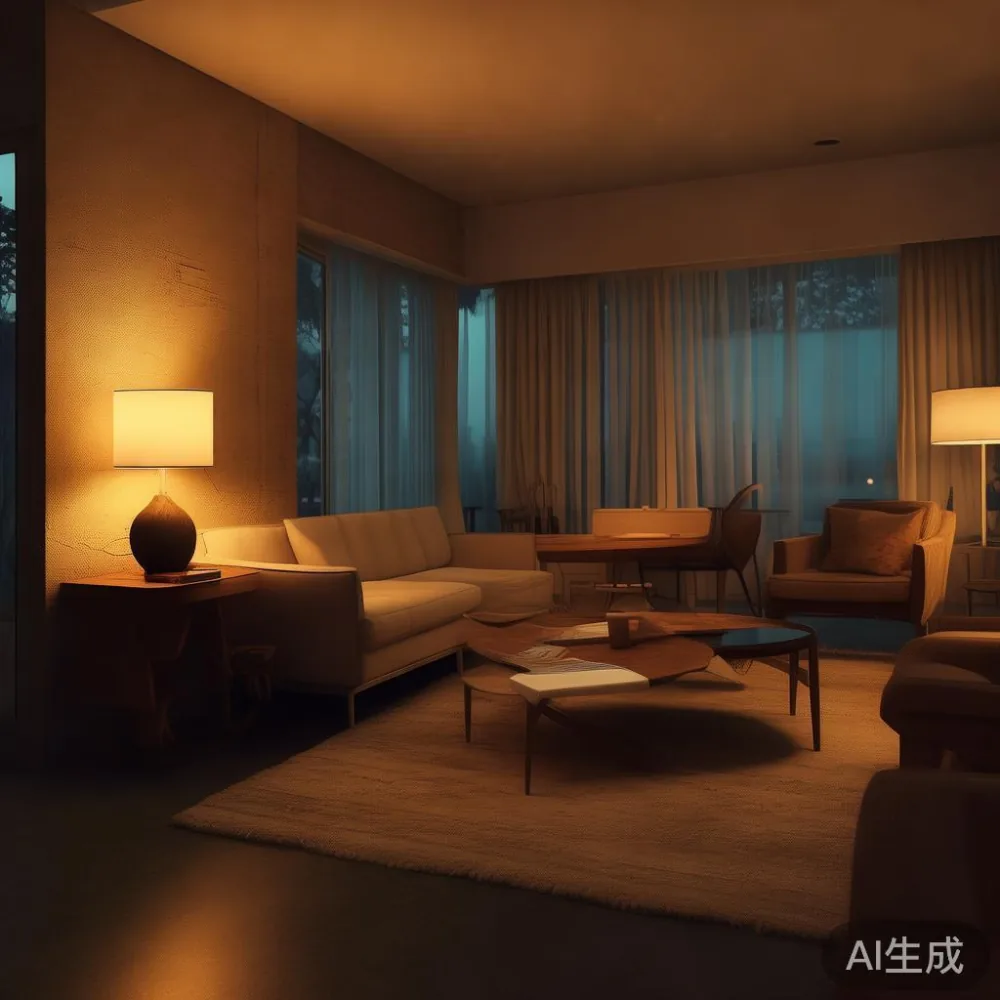
For Singapore buyers, the goal is not to keep timber perfectly untouched. It is to allow controlled movement while preventing mould, veneer lifting, swollen drawer runners, and cracked panels. Relative humidity, airflow, room temperature, and the care of the finish all matter. A furniture maker with manufacturing experience since 2008, export experience across 15 or more countries, and a clear warranty policy should be able to explain how its timber is dried, joined, and sealed for tropical use.
How much does Singapore humidity affect solid wood furniture?
Singapore’s annual relative humidity commonly ranges from about 65% to 85%, and it can exceed 90% during wet periods. HDB interiors may fluctuate by roughly 10% to 20% between a corridor and a flat because the building envelope, air-conditioning, and window openings create different microclimates. In contrast, an outdoor Bedok balcony exposed to monsoon rain can reach 95% relative humidity or higher.
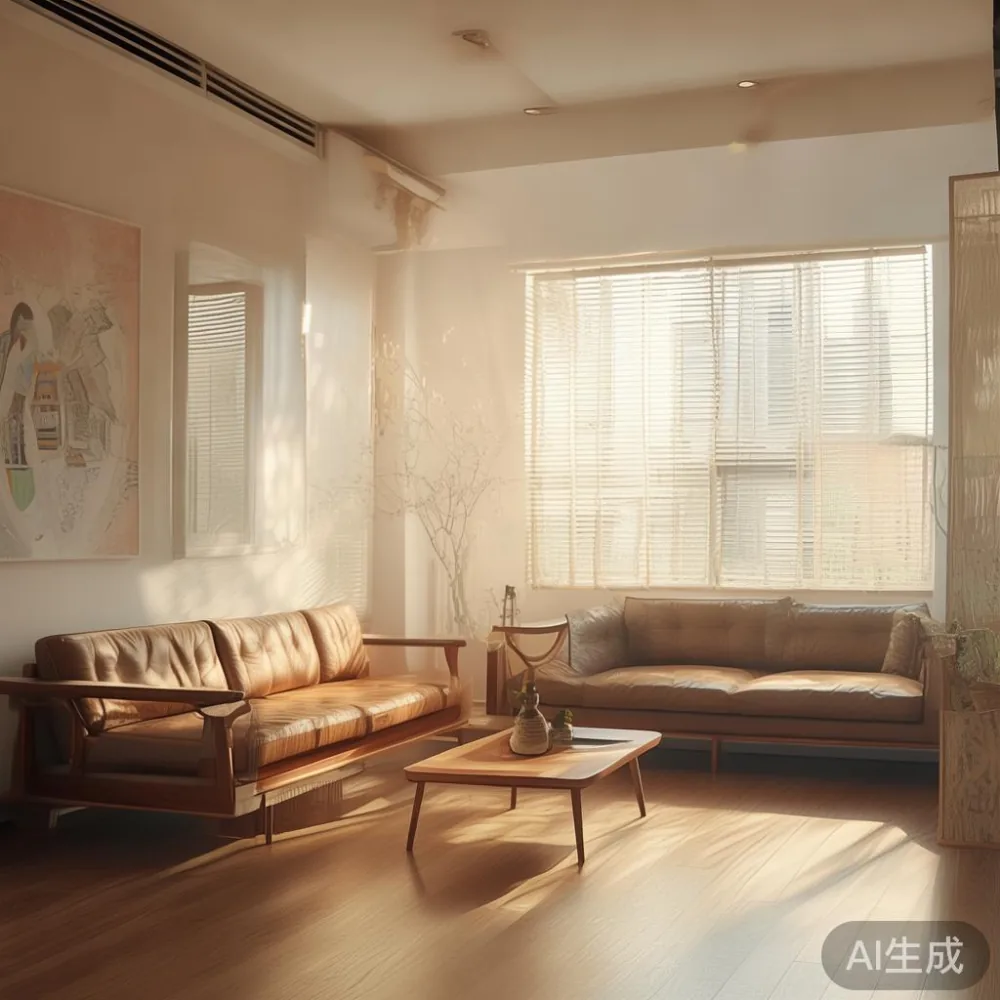
Solid timber is hygroscopic: it absorbs moisture when the surrounding air is humid and releases it when the air becomes drier. A 180 cm long dining table may expand by 3 mm to 6 mm across its width during a strong seasonal cycle, while a narrower 45 cm nightstand may move around 1 mm to 2 mm. The movement depends on the species, grain direction, panel thickness, joint design, and finish. It is not automatically a defect if the table remains stable and the top does not cup.
Humidity also affects metal fasteners, drawer slides, painted surfaces, and adhesives. Stainless steel hardware and moisture-resistant connectors reduce corrosion risk. Timber should also be acclimatised for approximately 7 to 14 days before installation, with packaging opened where air can circulate. A sensible indoor target for stable wood furniture is around 45% to 65% relative humidity. Short periods above that range are usually manageable; repeated soaking, poor ventilation, and direct rain exposure are not.
Which timber behaves well in a Tampines or Punggol home?
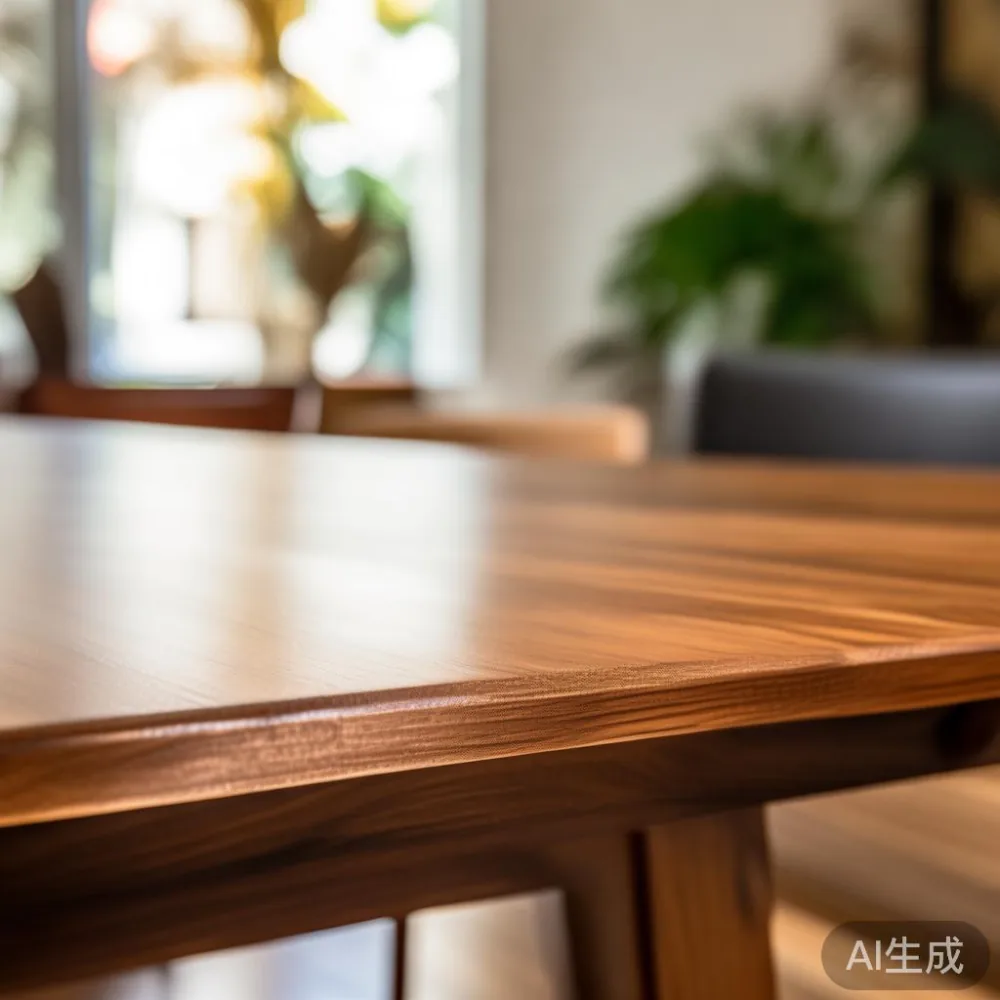
Teak, ash, beech, rubberwood, and carefully kiln-dried oak are common choices for solid wood furniture. Teak contains naturally water-resistant oils, which makes it suitable for humid rooms, although its movement still requires controlled indoor conditions. Oak offers visible grain and strong character for a mid century modern interior. Ash and beech are lighter in colour, making them useful for French light luxury, American light luxury, and post-modern light luxury schemes.
The species alone does not determine durability. A 25 mm table top made from stable, well-dried boards, joined with mechanical fasteners, can perform better than a thinner 18 mm panel made from unstable timber. A reputable maker should state the moisture target used during production, typically around 8% to 12% depending on the climate and factory process. It should also disclose whether a solid wood sofa has a timber frame, whether a bed frame uses solid structural members, and whether cabinet backs are sealed rather than left as thin, untreated boards.
For compact Singapore rooms, grain direction and panel proportions matter. A 160 cm to 200 cm dining table with a 70 cm to 75 cm height works with many HDB dining zones. A round table of 120 cm to 140 cm can ease circulation beside a lift lobby or narrow internal corridor. Low-profile storage, such as a 45 cm wide nightstand, can reduce visual weight while retaining useful drawer space.
What should be checked before delivery to an HDB flat?
Measure the route rather than only the final position. Record the HDB lift door width, lift car dimensions, corridor turns, staircase width, and the distance from the parking area to the flat. Older lift doors may provide only about 80 cm to 90 cm of clear width, while some newer blocks allow approximately 90 cm to 110 cm. A corridor with a 90 cm turning area can still present difficulty for a wardrobe packed in a 60 cm wide carton.
Remove or fold away the carton’s loose outer boards if delivery instructions permit, but keep all protective packaging intact. Check for clearances around door hinges, ceiling sprinkler pipes, and the open angle of the main door. A 200 cm tall wardrobe needs enough vertical space to tilt safely; at least 215 cm of standing room is more comfortable. A bed frame assembled in the bedroom may be easier to carry than one wrapped as a single 190 cm long box.
Delivery timing also affects condition. A van moving through wet roads can carry moisture on its cargo floor, so furniture should not be placed directly on wet concrete. Use cardboard sheets or pallets at least 5 cm above the ground. MIDHILL offers free shipping over US$350, and its delivery terms should be checked against Singapore GST and the final service date. Typical lead times can range from 25 to 60 days for configured pieces, with stock items potentially taking 7 to 21 days.
Can humidity damage a solid wood sofa or bed frame?
Yes, if the timber remains damp or the upholstery traps moisture against it. A solid wood sofa frame should use seasoned timber, sealed joints, and corrosion-resistant hardware. The seat cushions should be removable so the frame can be inspected. Bed frames should have ventilation beneath the mattress because foam and bedding can slow drying after air-conditioning stops. Upholstery with an open weave or a moisture-resistant backing is more suitable than a tightly sealed textile in an unconditioned room.
Last month I visited a colleague’s four-room Bedok flat to inspect a solid wood bed frame bought for humid-climate use. The frame had been installed for 11 months in a room without a window. Using a small hygrometer, I measured the bed-side area at 76% relative humidity while the living room registered 64%. I also found that the rear of the headboard felt cooler and slightly damp, about 1.5°C below the wall surface. We moved the frame 20 cm away from the exterior wall, opened the room door for 30 minutes twice a day, and placed the hygrometer on the bedside cabinet rather than against the headboard.
After three weeks, the bedside reading had fallen to 68%, and no joint movement or surface mould appeared. The test confirmed that airflow and placement mattered more than repeatedly wiping the frame with a damp cloth. Dry cleaning is safer than wet cleaning because excess water can enter end grain and drawer joints.
How should a dining table be protected near an open kitchen?
Place a dining table at least 1 m from a sink or open kitchen doorway where possible. Cooking steam adds moisture even when there is no visible splash. If the table occupies a central position, use a rigid mat measuring roughly 150 cm by 90 cm, with an open-weave underside or silicone feet. Avoid a heavy sealed mat that traps condensation beneath it. Wipe spills within 5 minutes and use a lightly damp cloth followed by a dry cloth.
For buyers searching for Mid-century modern for dining room arrangements, tapered legs, rounded corners, and a restrained timber palette work well in HDB interiors. A 180 cm oak table with four 70 cm chairs needs about 300 cm of clear space for comfortable circulation, while a 140 cm round table can function within a 250 cm zone. Check that the table is level after acclimatisation because seasonal movement can slightly affect adjustable feet.
A marble table needs a different moisture protocol. Marble is less dimensionally sensitive than timber, but its supports and fixing points still deserve attention. Keep stone surfaces away from acidic liquids and use coasters of at least 8 cm diameter. A marble table may weigh between 70 kg and 180 kg depending on its dimensions, so delivery crews should confirm whether the lift rating and floor access are suitable. No lifting by the stone edge should be permitted.
How do wardrobes respond to damp wardrobes and tropical wardrobes?
Wardrobes need ventilation behind the back panel and adequate clearance at the top and sides. In Singapore, a gap of 5 cm to 8 cm behind the carcass can improve airflow, subject to the installation instructions. Built-in wardrobes should not be tightly sealed against external walls if the wall may become cool and damp. Mobile wardrobes are easier to inspect because they can be moved 10 cm to 15 cm during cleaning.
Engineered drawer runners can swell or corrode in humid conditions, so solid wood runners and lubricated metal slides need regular checks. Test each drawer after a 24-hour period of high humidity. It should open with one hand and show no sideward drag. Wipe the runners with a dry cloth every 2 to 3 months during wetter months. Hinges should be tightened if a gap exceeds about 2 mm, since excessive movement can place stress on the door frame.
Questions about fashion-led designs often arise here: is French provincial wardrobe worth it for a Singapore bedroom, and how does that style compare with more restrained storage? French provincial detailing can include carved edges, curved fronts, and decorative hardware. Those details can suit a larger condo, while a compact HDB room may benefit from simpler slab doors. Searches for the best Nordic wardrobe for 2026 tend to favour pale timber, clean lines, and modular widths around 60 cm to 100 cm per bay. A matching 45 cm or 50 cm nightstand keeps proportions consistent.
What is the right finish for Singapore’s climate?
For solid wood used indoors, a hardwax oil or water-based matte coating can provide useful protection while preserving the natural texture. The coating should cover all faces, including edges and undersides. Water-based finishes tend to have low solvent odour and are practical for occupied flats, but the wood still needs controlled humidity. A lacquered surface may be easier to wipe, although damage to lacquer can reveal the colour beneath and require professional repair.
Ask how the finish was applied and what maintenance it requires. A thin sealer may resist a brief spill, but it should not be treated as waterproof. Re-oil timber every 12 to 24 months, or sooner when the surface appears pale and dry. Apply products in a ventilated area and allow the furniture to dry for at least 24 hours before loading clothes or placing objects on it.
MIDHILL provides lifetime refinishing, which is valuable because humidity can create small marks that become more noticeable over time. A 10-year structural warranty also gives buyers a defined route for reporting a genuine joint or frame failure. These provisions should be read with the product type, care conditions, and documentation. Finishing options and warranty terms can vary, so request the full written details before ordering.
How can an Italian light luxury sofa fit into a compact apartment?
Light-luxury furniture can work in a modest Singapore home if scale is handled carefully. An Italian light luxury sofa with a slim profile, raised legs, and a seat depth of 55 cm to 60 cm may fit a living room more comfortably than a deep 70 cm model. The timber base should be sealed on all sides, and the sofa should stand at least 10 cm from a sheer exterior curtain that can transmit outdoor humidity.
The phrase Italian light luxury for apartment living often suggests pale upholstery, walnut-toned timber, and uncluttered forms. These qualities overlap with French light luxury and American light luxury, but construction quality should take priority over decorative associations. Check that the seat frame uses seasoned solid wood where advertised, that joints are reinforced, and that cushion covers can be removed. A sofa with 3 seat cushions may be easier to ventilate than one with a fixed upholstered back.
For a Bedok flat, a 210 cm to 230 cm sofa may suit a 3.2 m to 3.8 m living room, while a Punggol family unit might need a 180 cm to 200 cm model. Leave at least 70 cm to 90 cm for main circulation routes. These are planning ranges rather than fixed rules, so tape the sofa footprint on the floor and inspect it for 7 days before purchase.
How should shoppers compare Scandinavian and Nordic storage?
The terms Nordic and Scandinavian overlap in furniture design, but shoppers should compare actual construction. Look for stable panel movement, solid drawer boxes, sealed back panels, and hardware rated for humid use. A 200 cm wardrobe with 4 doors can be difficult to manoeuvre into an 85 cm lift even when it fits the bedroom. A flat-packed or knock-down wardrobe may solve access problems, but assembly instructions must be clear and all fixings should be corrosion resistant.
For buyers comparing the best Nordic wardrobe for 2026 with the best Scandinavian wardrobe for 2026, consider the opening mechanism and internal organisation as carefully as the exterior. Soft-close hinges can be useful in a busy family home, although they should be adjustable if humidity causes minor swelling. Use drawer inserts of roughly 5 cm thickness to avoid overloading thin dividers, and keep heavier garments in lower sections.
Arranging furniture in good order also matters. A bed frame against a cold wall can develop condensation during heavy rain. A dining table beside a laundry drying rack can absorb repeated humidity. A nightstand next to an open bathroom window may need more protection than one in an interior bedroom. Position each piece according to its use rather than forcing every item into a perfectly symmetrical arrangement.
How can buyers maintain wood furniture through 12 months of humidity?
Place a calibrated hygrometer in occupied rooms and check it weekly for the first 3 months. Readings around 45% to 65% indicate a stable indoor environment. If readings remain above 75% for several days, improve ventilation, dry wet laundry promptly, and keep furniture away from cold walls. If mould appears, identify the moisture source before treating only the visible spot; black spotting near a skirting board may indicate leakage rather than a timber defect.
Clean timber with a soft, dry cloth every 2 to 4 weeks. Wipe oily fingerprints promptly, and avoid silicone-based furniture polish unless the product is compatible with the existing finish. Inspect drawer joints, table edges, wardrobe backs, and bed slats every 6 months. Confirm that screws remain firm and that legs do not wobble by more than 2 mm.
Keep furniture away from direct air-conditioning outlets because rapid drying and condensation can cause different stresses. Aiming vents across the room rather than at a cabinet is a simple control. For outdoor or balcony furniture, use covers with ventilation, allow wet pieces to dry, and avoid wrapping damp timber in plastic for more than a few hours.
What should a climate-conscious furniture order include?
A sound order should identify the timber, core construction, finish, moisture preparation, hardware, dimensions, carton size, and delivery access requirements. For a mid century modern bed frame, ask whether the headboard and slats are solid wood and whether the frame includes centre supports for a mattress weighing 80 kg to 120 kg. For a dining table, confirm top thickness, extension method, and whether the apron can move seasonally. For a wardrobe, record internal dimensions and the installation clearance.
Verify the price in SGD and ask whether 9% GST is included. Compare quoted delivery dates, lift-call charges, and return arrangements against the 14-day returns policy. MIDHILL’s free shipping threshold is stated in US$350, so the Singapore equivalent should be confirmed at checkout rather than estimated. If the furniture arrives with moisture-related damage, photograph the carton, packaging, and piece before assembly, then contact the supplier within the stated reporting period.
The most durable approach is straightforward: specify stable timber, use mechanical joints, seal every face, choose moisture-resistant hardware, control indoor humidity, and allow ventilation. These practices preserve the visual character of mid century modern furniture while respecting the realities of Tampines, Bedok, Punggol, and Singapore’s wider tropical climate. A solid wood sofa, bed frame, dining table, wardrobe, nightstand, or marble table can remain functional and attractive for many years when selected and maintained with local conditions in mind.