Humidity and Mid-Century Modern Furniture in Singapore Homes
Singapore’s climate can change the dimensions, feel and appearance of solid wood furniture. Humidity levels of roughly 75–95% are common in many months, while air-conditioned HDB flats and condos may drop to 45–60% near the air vent. That difference matters because wood naturally exchanges moisture with the surrounding air. A mid century modern dining table may gain a few millimetres across its width during a humid week, then contract slightly when the air-conditioning cools the room.
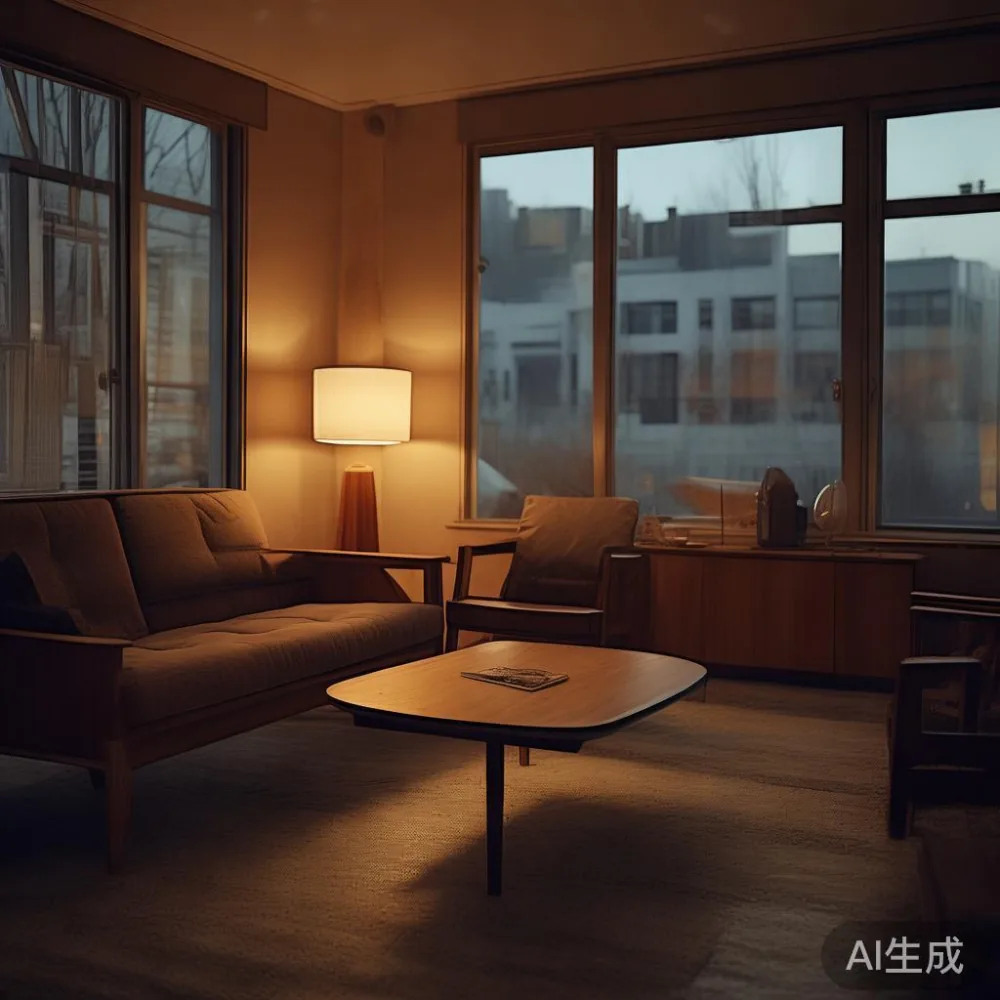
This guide explains how humidity affects wooden furniture in Singapore, from Tampines and Bedok HDB flats to Punggol condos, and how to protect a solid wood sofa, bed frame, dining table, wardrobe or nightstand without sacrificing its character. It also considers lift widths, narrow corridors and the practical value of a carefully finished piece. For shoppers comparing European light luxury furniture with more restrained mid century modern pieces, moisture control should be considered alongside proportion, storage and finish.
MIDHILL makes solid wood furniture for homes where tropical conditions and practical delivery requirements meet. Its 10-year structural warranty and lifetime refinishing service reflect the expectation that a well-designed piece should remain useful for many years, although humidity control still has a role in preserving its appearance.
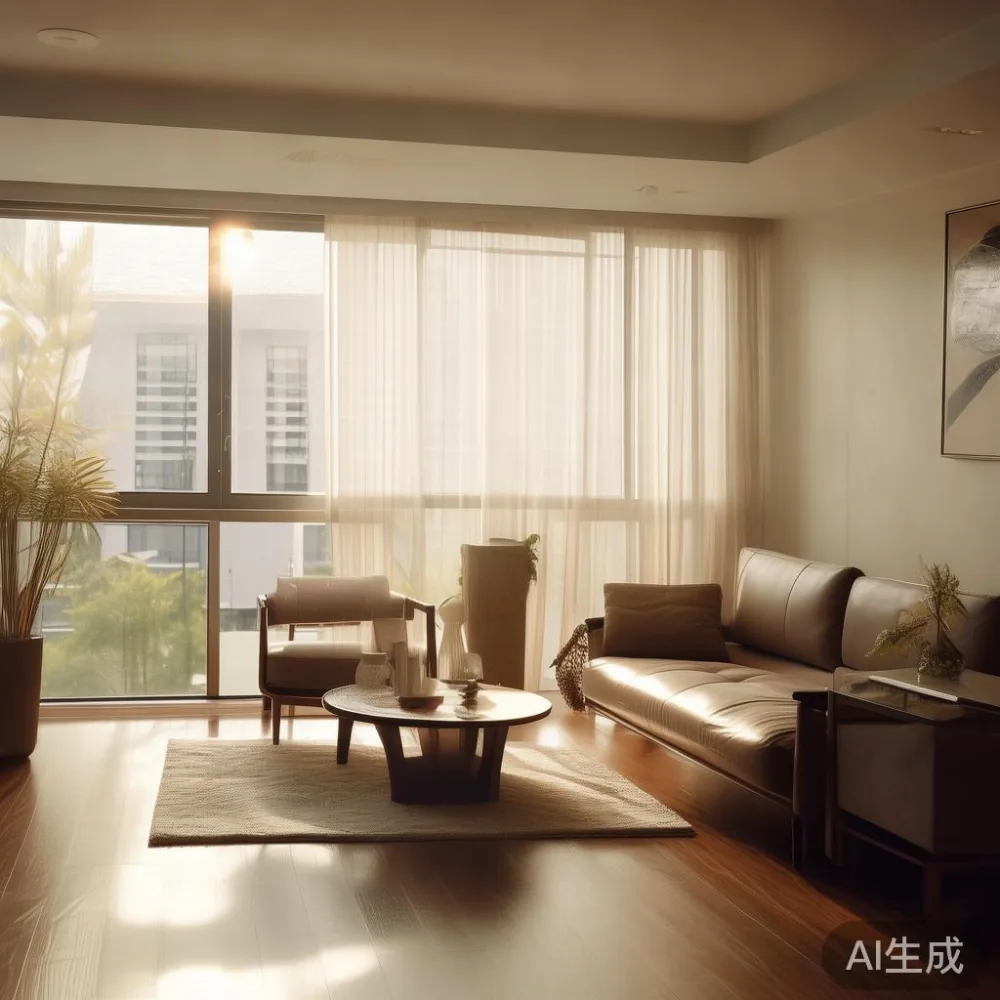
How much does humidity affect solid wood furniture in Singapore?
Wood is hygroscopic: it absorbs or releases water vapour until its moisture content approaches the relative humidity of its surroundings. Southeast Asian hardwoods such as teak, oak, ash and walnut can move across the grain, while solid panels may show movement more visibly along their edges and joints. Seasoning reduces the size of these changes, but it cannot remove the material’s response to the environment.
For a typical indoor range, relative humidity between about 45% and 65% is easier for furniture. Singapore’s outdoor air often exceeds 80%, especially from May to September and during late-night showers. An HDB living room with several occupants, a kitchen and a washing area can remain above 70% even when the bedroom feels comfortable. A high-rise condo may have lower average readings because of central cooling, but direct airflow from an air-conditioning vent can dry one side of a cabinet or table more quickly than the other.
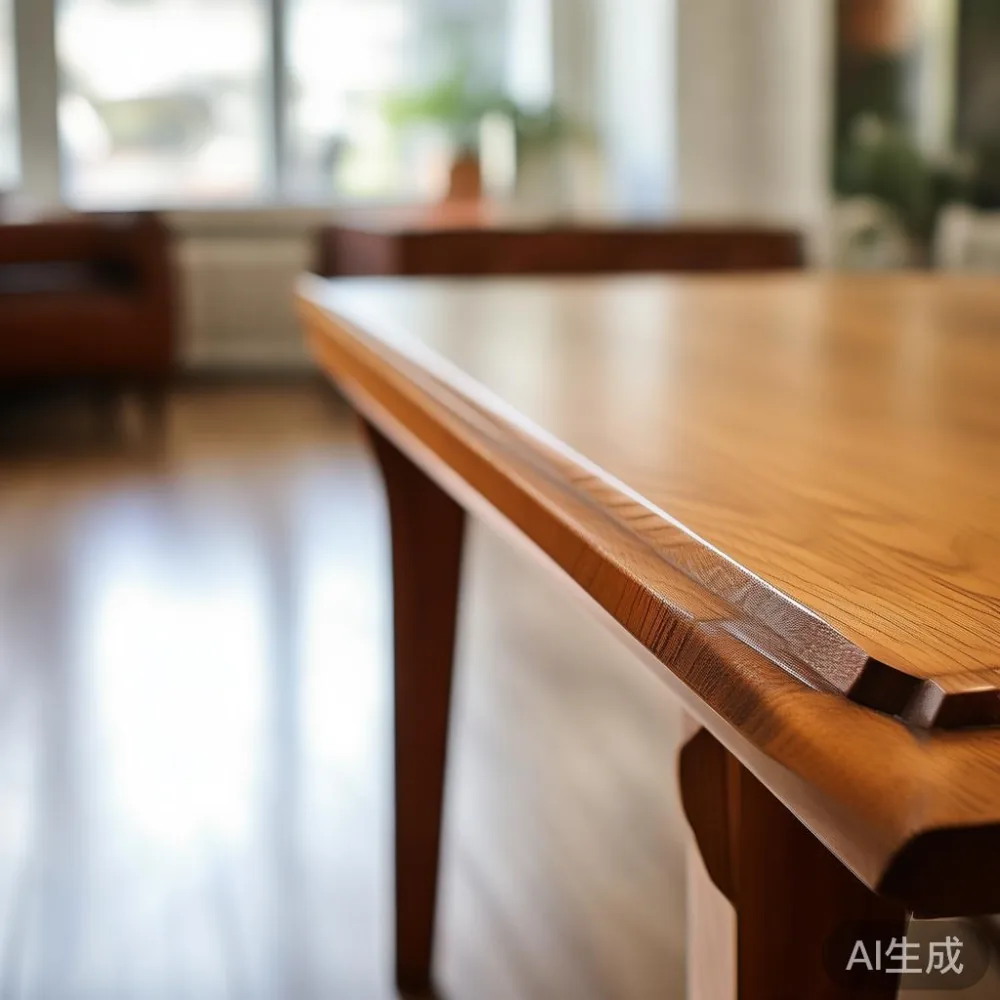
The result is not usually instant structural failure. More often, owners notice a drawer that feels tight on one humid morning, a wardrobe door that no longer closes squarely or a faint haze on a pale finish. In severe or prolonged conditions, repeated swelling and shrinking can stress joint glue, veneer edges and lacquer, although properly made solid wood joints have some tolerance.
Concrete measurements help. A dining table 180 cm long may gain approximately 1–3 mm in length when humidity rises sharply, while a 60 cm-wide solid board may change by around 1–2 mm across its width. These figures vary by species, thickness, finish and starting moisture content, so they should be treated as planning guides rather than promises. A digital hygrometer costing about SGD 15–35 is a useful household tool. Place it near the furniture but not directly against a cold wall or in the path of an air vent.
Which Singapore rooms need the most attention?
Kitchens, bathrooms and enclosed utility rooms present the strongest moisture challenges. Furniture in these spaces should not be placed where damp walls, leaking pipes or repeated wet mopping can affect it. A wardrobe near a laundry basket may be fine, but one touching a wall with visible mould requires the dampness issue to be addressed before refinishing or moving.
HDB corridors and lift lobbies have their own constraints. A Bedok flat reached through a lift with a 90 cm door and an 110 cm-wide corridor may limit the turning radius of a large wardrobe. Before delivery, record the lift door width, cabin depth and corridor turns, then check whether the carton fits without forcing the package against the handrail. For a solid wood dining table, select a model that can be separated into sections of no more than 70–90 kg per lifting section where possible.
Punggol and Tampines families often combine compact dining areas with open shelving, while newer condos may have floor-to-ceiling windows and strong sun exposure. Sunlight can heat a walnut dining table to more than 40°C at the surface, even when the room reads 27°C. Heat and humidity together accelerate finish wear; UV-filtering curtains rated at 40–60% can reduce exposure without making the room feel closed.
Air-conditioning is helpful, but consistency matters more than a single low reading. A room that swings from 50% relative humidity at night to 85% after the unit switches off can create repeated dimensional movement. Aiming for 50–60% and avoiding direct vent airflow is a practical approach. Hygrometers and dehumidifiers should be positioned carefully: a compact unit may remove 8–16 litres of water per day, but it needs space for airflow and a drain or regular emptying.
How should I protect a solid wood dining table from moisture?
Start with the finish, placement and daily cleaning routine. A factory-applied hardwax oil or matte lacquer can slow the exchange of moisture, but no coating makes wood completely inert. Wipe spills promptly, especially ring marks from wet coasters and condensation from a cold drink. Use a slightly damp cloth, then dry the surface immediately; soaking a timber top can reintroduce moisture in a matter of minutes.
Give the table room to breathe. Leave at least 10–15 cm from a frequently damp wall and avoid a position beside a window where rain-driven humidity enters. Felt or cork pads under coasters should be replaced every 12–24 months if compressed. A table runner 40 cm wide protects the centre during meals, while a separate hot-water mat reduces heat damage.
For a light-luxury interpretation, French light luxury often pairs pale oak with clean profiles and restrained hardware. American light luxury tends toward deeper walnut, comfortable proportions and tactile upholstery, while post-modern light luxury uses selective curves, slender supports and contrasting materials. All three approaches benefit from the same moisture discipline: refined finishes should not be treated as waterproof.
During humid periods, inspect the table every 2–4 weeks. Look for a cloudy surface, tackiness, lifting at an edge or unusually tight drawers. If condensation appears, dry the area and improve ventilation rather than applying another coat over damp wood. MIDHILL’s lifetime refinishing service is intended to restore the finish when wear becomes visible, but routine care prevents unnecessary intervention.
What happens to a wardrobe, bed frame and nightstand?
A wardrobe is one of the most noticeable pieces because any dimensional change can affect doors, hinges and runners. Solid wood rails, shelves and frames should be assembled with joints that allow modest movement. In a humid room, verify that each door closes with a 2–4 mm gap at the top and that drawers do not bind. If a door starts to catch, adjust the hinge rather than forcing the panel against the frame.
For those considering how to style European wardrobe in apartment layouts, consider the wall dimensions before decorative details. A 150 cm-wide wardrobe may suit a 180 cm bedroom wall, but vents, skirting and sockets can reduce the usable position. In a compact HDB bedroom, a fitted reach of 60 cm for hanging clothes and 40 cm for folded items can be more practical than deeper shelving that blocks the lift route.
A solid wood bed frame should be supported on a level base and given space beneath. A mattress that touches the floor can trap humidity, particularly in a poorly ventilated room. Use a ventilated slat system or a raised platform with at least 5–8 cm clearance, and leave approximately 10 cm between the frame and a cold wall where feasible.
A nightstand experiences frequent hand contact and warm-device heat. A phone charger or lamp can raise a small surface by several degrees, but the greater risk is a glass of water left near an open edge. A coaster 9–11 cm square is useful on a 45 cm-wide nightstand. Avoid placing it immediately beneath a window in Punggol, where a sudden shower can wet the top.
Anyone searching “is Japandi bed worth it” may be comparing a pale, restrained design with darker walnut or teak alternatives. Humidity makes the material choice more important than the label. Confirm the wood species, finish and expected seasonal movement before purchase, and ask for care instructions that suit a tropical home.
Can a solid wood sofa survive Singapore’s humidity?
Yes, provided the frame, joinery, upholstery and finish are specified as one system. A solid wood sofa should use kiln-dried timber, mechanically fixed joints and a finish that can withstand repeated cleaning. Foam, fabric and webbing also respond to moisture, so a frame that remains stable may still feel different when the room becomes damp.
This matters when comparing “is American sofa worth it” with smaller apartment alternatives. An American-style three-seat sofa may measure 210–230 cm wide and weigh 65–100 kg, depending on its construction. A lift with a 100 cm door may accept the sofa on its side, but a 75 cm-wide stair landing can make the final corner turn difficult. Measure the sofa in its packaging, including the carton length and diagonal.
Upholstery should be breathable where possible, and seat cushions should be moved occasionally so air can circulate underneath. Maintain 45–60% relative humidity in the main living area, keep fabrics at least 20–30 cm from an air-conditioning vent and vacuum every 1–2 weeks. Address spills with blotting rather than vigorous rubbing.
A solid wood coffee table or marble table near the sofa introduces another material relationship. Marble is less affected by humidity than timber, yet its stone support, metal fasteners and wooden cabinet may move at different rates. Use a level mat approximately 2 mm thick under a marble top if permitted by the manufacturer, and avoid tightening fixings so aggressively that seasonal movement is prevented.
How does humidity change the look of mid-century modern furniture?
Humidity can deepen the colour of wood temporarily, making walnut appear richer and pale oak more golden. When the air dries, the surface may lighten or reveal a faint moisture mark. This is normal for natural timber, although an uneven finish can make the change more noticeable.
Good mid century modern design remains stable during these cycles because its visual weight comes from proportion rather than applied ornament. Tapered legs, clean aprons and carefully spaced storage can make a compact HDB flat feel more spacious. Avoid hiding minor movement with excessive decoration; allow the joints and edges to remain legible.
For a statement seat, a Mid-century modern accent chair may combine a solid wood frame with a woven or upholstered seat. Place it away from direct cooling air and inspect the joints every 6 months. A European light luxury accent chair may have deeper cushions and a more generous scale, while a French light luxury accent chair may use a narrower footprint suited to a 300–350 cm living room wall.
Shops offering “for sale Industrial furniture” often use darkened timber, exposed hardware and a deliberately utilitarian appearance. Such pieces can work in Singapore, but metal fittings and unfinished surfaces need particular attention. Confirm whether the wood has a sealer, because unfinished reclaimed timber may exchange moisture more rapidly than factory-finished solid wood.
How can Singapore buyers check a MIDHILL bed before delivery?
Inspection should happen before the furniture enters a humid flat, not after a problem appears. For a MIDHILL bed, check the frame dimensions, centre supports, slat spacing, hardware and finish. The slats should usually sit no more than 5–8 cm apart, depending on mattress type, and all fixings should be tightened without crushing the wood fibres.
Allow the piece to acclimatise in the room for 24–72 hours before final assembly if it has been moved from a cold vehicle or warehouse. Keep it off damp flooring during this period. This does not “season” the wood in a few days; it simply gives the surface and internal moisture a gradual opportunity to adjust.
Delivery planning deserves equal attention. Standard Singapore delivery may take 7–14 business days after confirmation, while made-to-order pieces can require 4–8 weeks. Confirm whether stairs, lift booking, unpacking and placement are included. A narrow lift may need a two-person carry, and the quoted service should clarify how large the team is.
Singapore’s 9% GST is normally shown separately for business purchases, while consumer displays should reflect the applicable selling price. MIDHILL provides free shipping for orders over US$350, although the final Singapore delivery amount and any special handling should be confirmed before payment. The 14-day return window should be used to assess fit and visible finish issues under the home’s normal lighting and humidity.
What is the best care routine for humid Southeast Asian homes?
A short weekly routine prevents most avoidable problems. Check the hygrometer at the same time each day, wipe moisture from surfaces and inspect high-risk furniture every 2–4 weeks. Keep standing water away from timber, rotate objects that sit on a dining table and lift coasters rather than sliding them across the grain.
Use controlled indoor conditions rather than trying to make tropical wood behave like a museum display case. A target of 50–60% relative humidity, with room temperatures around 24–27°C, offers a practical balance between comfort and furniture stability. Avoid abrupt transitions, such as moving a solid wood wardrobe from an air-conditioned room into a humid corridor and leaving it there for several hours.
Renovation dust and paint are separate concerns. If furniture is present during painting, cover it with breathable sheeting and keep it 20–30 cm from the wall. If the air-conditioning filter is dirty, clean it according to the building’s schedule, often every 1–3 months, because restricted airflow creates local humidity and heat pockets.
Finally, document the finish and warranty at purchase. The 10-year structural warranty covers long-term structural integrity within its terms, while lifetime refinishing can restore surface wear after appropriate assessment. Neither replaces sensible humidity care. By pairing accurate measurements with steady indoor conditions, a mid century modern dining table, wardrobe or bed frame can retain its shape, colour and tactile appeal for years in Singapore homes.