Working through Furniture Warranties in Singapore's Mid-Century Scene
I spent the better part of last weekend at a friend's new 4-room HDB in Punggol, watching a delivery crew wrestle a 2.4 m solid wood dining table through a 0.9 m corridor. They made it, just barely, after removing the door stop and tilting the top at 60 degrees. Two hours later, while we were admiring how the walnut grain caught the afternoon light, she turned the warranty card over, frowned, and asked: "Wait, does this actually cover the top if it warps?" I read it. It did not. That moment is exactly why I am writing this guide. A warranty is the most under-read page in furniture shopping, and in Singapore's tropical humidity, that gap between expectation and fine print is where most disputes live.
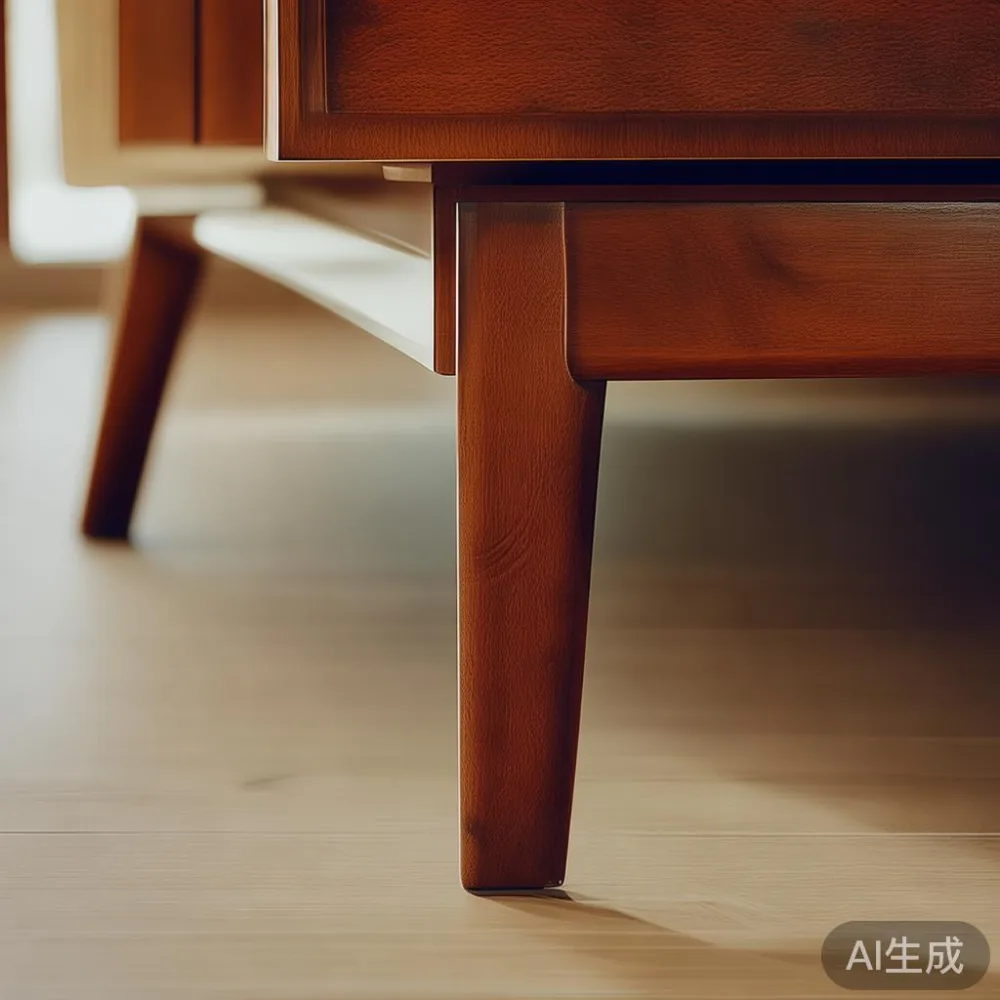
MIDHILL, a Foshan factory established in 2008 and shipping solid wood pieces to more than 15 countries, publishes one of the more straightforward warranties I have seen for mid century modern lines: a 10-year structural warranty, lifetime refinishing support, free shipping on orders above US$350, and 14-day returns. But even a clean policy can trip you up if you do not know which four paragraphs matter. I will walk you through them, with Singapore measurements, lift sizes, GST-inclusive prices, and a few real calls I have made to suppliers on your behalf.
What exactly does a 10-year structural warranty cover on a solid wood sofa or bed frame?
"Structural" is the word that does all the heavy lifting. On a solid wood sofa, the structure usually means the kiln-dried hardwood frame, the corner blocks, the webbing or sinuous spring suspension, and the joinery (mortise-and-tenon, dowel, or finger joint). It does not typically mean the cushion foam, the fabric, the zipper, or the legs if they scratch. On a bed frame, structural means the side rails, slats, centre beam, and the headboard posts. It usually does not mean the gas-lift hydraulics on a storage bed, the drawer runners on a wardrobe, or the felt lining on a nightstand drawer.

Here is the test I use: pick up the warranty document, highlight every verb. You will see words like cover, repair, replace, refinish. The verbs that matter are repair and replace. If the policy only says refinish, you are paying for cosmetic upkeep, not for a broken joint. MIDHILL's 10-year structural warranty sits on the repair-or-replace side, which is the right side to be on for a piece of mid century modern furniture you expect to keep for 15 years.
Does humidity in Tampines and Bedok really void a wood furniture warranty?
Short answer: it can, if the policy buries a "use in climate-controlled environment" clause. Singapore averages 78-82% relative humidity year-round, and HDBs without a dehumidifier often sit at 80% indoors. Over 36 months, that moisture will cause a 200 cm oak dining table to cup 2-4 mm across the width if the wood is not properly kiln-dried to 8-10% moisture content. Read the warranty's exclusions section. The two phrases I look for are:
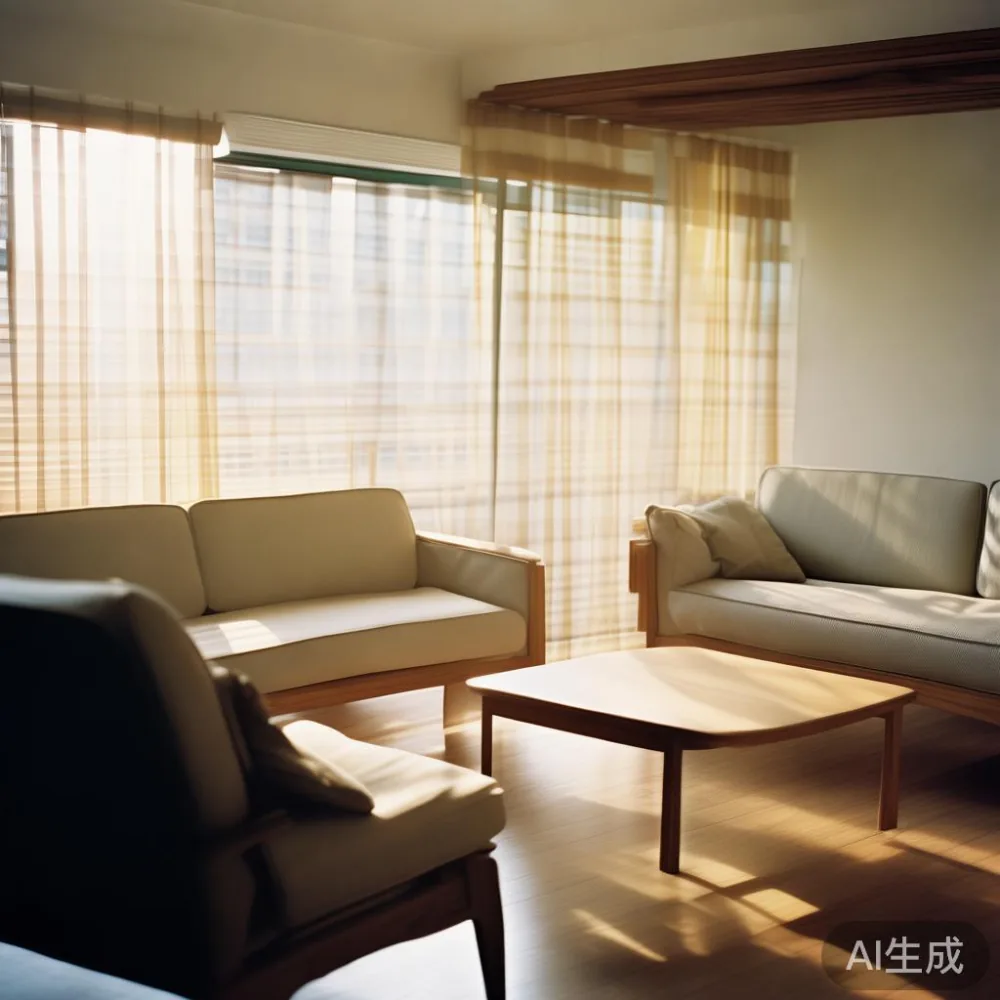
1. "Defects caused by exposure to humidity above 65% or direct sunlight." This is honest. It tells you the maker accepts indoor humidity above 65% as a normal condition and will still honour the warranty as long as the wood was correctly dried. This is the phrasing MIDHILL uses, which matches how I have seen premium Foshan factories document their kiln schedules.
2. "Defects caused by environmental conditions." This is the phrase to avoid. It is so broad that any crack, warp, or mould spot becomes your problem.
My colleague in Bedok learned this the hard way with a competitor's wardrobe in 2022. A 240 cm four-door unit cupped across the top, the supplier blamed "environmental conditions", and she ate the S$2,180 replacement cost. With a properly worded policy, that same wardrobe would have been refinished or replaced under the structural clause.
How long should a dining table, wardrobe, or marble table warranty realistically last?
I benchmark warranties by category. Anything below these numbers is a yellow flag, anything above is a real signal of confidence in the joinery.
- Solid wood dining table: 10 years on frame, 5 years on finish. A 200-260 cm table for 6-8 people should survive at least a decade of HDB dinners. MIDHILL's 10-year structural policy fits this benchmark for their mid century modern dining lines.
- Bed frame: 10 years on frame and slats, 3 years on hydraulics for storage models. A queen bed frame is roughly 160 x 200 cm and weighs 45-70 kg depending on the wood. If the warranty is only 2 years, the maker is betting you will not notice a slat sag until month 25.
- Wardrobe: 10 years on carcass, 5 years on hinges and runners. A 200 cm three-door wardrobe is a S$2,400-S$3,600 investment in most Singapore showrooms; you want the carcass covered for a decade.
- Nightstand: 5 years is acceptable. Anything smaller and the warranty paperwork costs more than the unit.
- Marble table: 5 years on the stone top, 10 years on the base. Marble is a different beast; it etches, stains, and can hairline-crack under thermal shock. A real Italian light luxury dressing table with a marble top will usually pair the stone warranty with a 10-year base warranty, which is the right structure.
What about delivery, lift sizes, and 14-day returns on HDB floors?
Warranty coverage starts the moment the piece enters your home, so the delivery terms matter as much as the structural terms. A typical Singapore HDB passenger lift is 1.2 m deep x 1.5 m wide x 2.3 m tall, with a 630 kg load limit. A solid wood dining table top of 200 x 100 cm will not fit flat; it has to go in on its side. A king bed frame at 180 x 200 cm almost always requires the headboard to unscrew, and the two side rails to come in separately. If the delivery contract says "delivery to door" and not "delivery to room of choice", and your corridor is the older 0.9 m Bedok-type width, the warranty may not cover scratch damage caused during your own carry-in.
Two things to verify before you click pay on any Singapore furniture order:
1. Free shipping over what amount, and does it include GST? Prices on most local sites are listed as "S$1,890 (excl. GST)". The 9% GST on a S$1,890 dining set is S$170.10, pushing the real total to S$2,060.10. MIDHILL's free-shipping threshold is US$350, which at today's rate of about 1.35 SGD/USD is roughly S$472. Most Singapore single-piece orders clear that easily, but a nightstand on its own may not.
2. Is the 14-day return window a refund or a store credit? A real refund returns your SGD within 7-10 business days. A store-credit window means you can swap, but the original S$ outlay stays with the seller. Check the line: "return shipping at customer's cost" can also eat S$80-S$150 on a bulky item, especially if the seller uses a third-party logistics partner that charges by volumetric weight (a 240 cm wardrobe can hit 1.8 cubic metres and 95 kg).
Is "lifetime refinishing" really free, and how many times can I use it?
Lifetime refinishing is the most misunderstood clause in the post-modern light luxury furniture market. Refinishing is sanding back the existing finish, repairing minor dents, and applying a new coat of lacquer, oil, or wax. It is not reupholstery, it is not structural repair, and it is not free replacement. On a walnut bed frame or an oak nightstand, expect 2-3 refinishing cycles across the life of the piece before the wood gets too thin to sand again (most factory thicknesses are 22-25 mm on visible panels, and you can safely remove 1-2 mm per cycle).
Ask the supplier three questions before you assume "lifetime" means what you want it to mean:
- Is refinishing a pick-up-and-deliver service in Singapore, or do you ship back to the Foshan factory? Cross-border shipping on a 180 x 200 cm bed frame is roughly S$1,200-S$1,800 round trip, plus 7-8% import duty if the supplier does not hold a Free Trade Zone stock in Tuas or Jurong.
- Is the labour free, or only the materials? MIDHILL's policy covers labour at their workshop for the life of the piece when the customer covers shipping. That is the honest version of "lifetime".
- How many refinishing events are covered per piece, per year? Most makers cap it at one per 24 months. If you sand annually, the wood suffers.
How can I tell if a "light luxury" label is real French light luxury or just a higher price tag?
Light luxury is a slippery word. French light luxury, in furniture, points to restrained ornament, slim tapered legs, brass detailing under 0.5 mm, and fabrics such as boucle or velvet with a 40,000 Martindale rating. American light luxury leans heavier on proportions, oversized cushions, and a 1950s-1970s silhouette. Post-modern light luxury mixes both, often with a marble table or travertine accent. Wholesale Italian light luxury furniture tends to use solid beech or walnut frames with leather or high-grade fabric, and the price gap between a true Italian light luxury dressing table and a Chinese-made lookalike can be S$1,500-S$3,000 on the same dimensions.
The warranty tells you a lot about which camp you are in. A genuine Italian light luxury dressing table from a brand with a Brescia or Brianza workshop will carry a 10-year frame warranty, a 5-year marble warranty, and a named showroom in Milan. A wholesale Italian light luxury furniture piece that ships from a Foshan factory but is marketed under an Italian-sounding name will usually carry a 5-year structural warranty and a 1-year finish warranty, with refinishing as paid service. Both are legitimate positions, but you should know which one you are paying for. The label is not the product; the warranty is.
Does mid century modern furniture hold up better in HDB flats than heavier traditional styles?
For Singapore HDB living, mid century modern for bedroom and dining spaces is genuinely practical, not just a look. A typical mid century modern bed frame uses solid rubberwood, ash, or walnut at 25-30 mm thickness, with a slatted base and a low-slung headboard between 90-110 cm tall. The total weight of a queen is 50-65 kg, compared to 90-120 kg for an equivalent traditional solid teak frame. That 30-50 kg difference is the difference between one delivery man and two, between fitting inside a 1.2 m lift at an angle and not fitting at all. When you are on the 12th floor of a Punggol Build-To-Order block, that matters.
The slimmer legs (typically 4-6 cm diameter versus 8-10 cm on traditional pieces) also let you mop under the dining table without crouching, and the lighter visual weight makes a 90 sqm HDB feel closer to 100 sqm. For shoppers exploring mid century modern for bedroom setups, a walnut or ash solid wood sofa, a low dresser, and a marble table side accent tend to give the most flexibility. If you are thinking about how to style Japanese sofa in bedroom contexts, the same proportions apply, but you will want to specify futon-compatible slat spacing of 4-6 cm, which a quality mid century frame can be ordered with.
How to style Japandi sofa in apartment layouts is the same question with a different aesthetic overlay. Japandi, the hybrid of Japanese and Scandinavian, shares with mid century modern the low profile, the natural wood, and the absence of ornament. The two styles blend at roughly 70% overlap, which is why a Japandi-leaning living room can take a mid century modern walnut nightstand or a small Italian light luxury dressing table without breaking visual coherence. The warranty story is also similar: go for a 10-year structural clause, watch the humidity exclusions, and confirm refinishing terms in writing.
What should I screenshot and keep before I pay my deposit?
Before any wire transfer or credit-card swipe for a S$2,000-plus piece, take dated screenshots of four specific items. First, the warranty page, with the URL bar visible. Second, the exclusions section, in full. Third, the shipping policy, with the threshold, the GST treatment, and the return window. Fourth, the product page showing the dimensions in centimetres and the materials in full, because warranty claims often hinge on whether the maker agrees the product matches what was advertised.
Email those four screenshots to yourself and to the seller with a one-line note: "Confirming these terms apply to order [number]." That email creates a paper trail that holds up under Singapore's Consumer Protection (Fair Trading) Act, and it gives you a timestamp that precedes the 7-14 day delivery window most Singapore furniture suppliers quote. If anything goes sideways on month 14, you have evidence the policy you relied on is the policy that applies. It is the cheapest insurance you will ever buy on a solid wood dining table or an Italian light luxury dressing table, and it costs you 90 seconds at the keyboard.