Veneer vs Solid Wood: A 5-Year Cost Comparison for Mid Century Modern Singapore Homes
Choosing between veneer and solid wood is rarely just a material decision. In a Singapore HDB flat or condo, it affects delivery access, maintenance, repair risk and the character of your home over 5 years. For mid century modern interiors, the visible grain, warm brown tones and tapered profiles often appear in a solid wood sofa, bed frame, dining table, wardrobe or nightstand. Veneer can reproduce much of that appearance on a different budget, but the two products age in different ways.
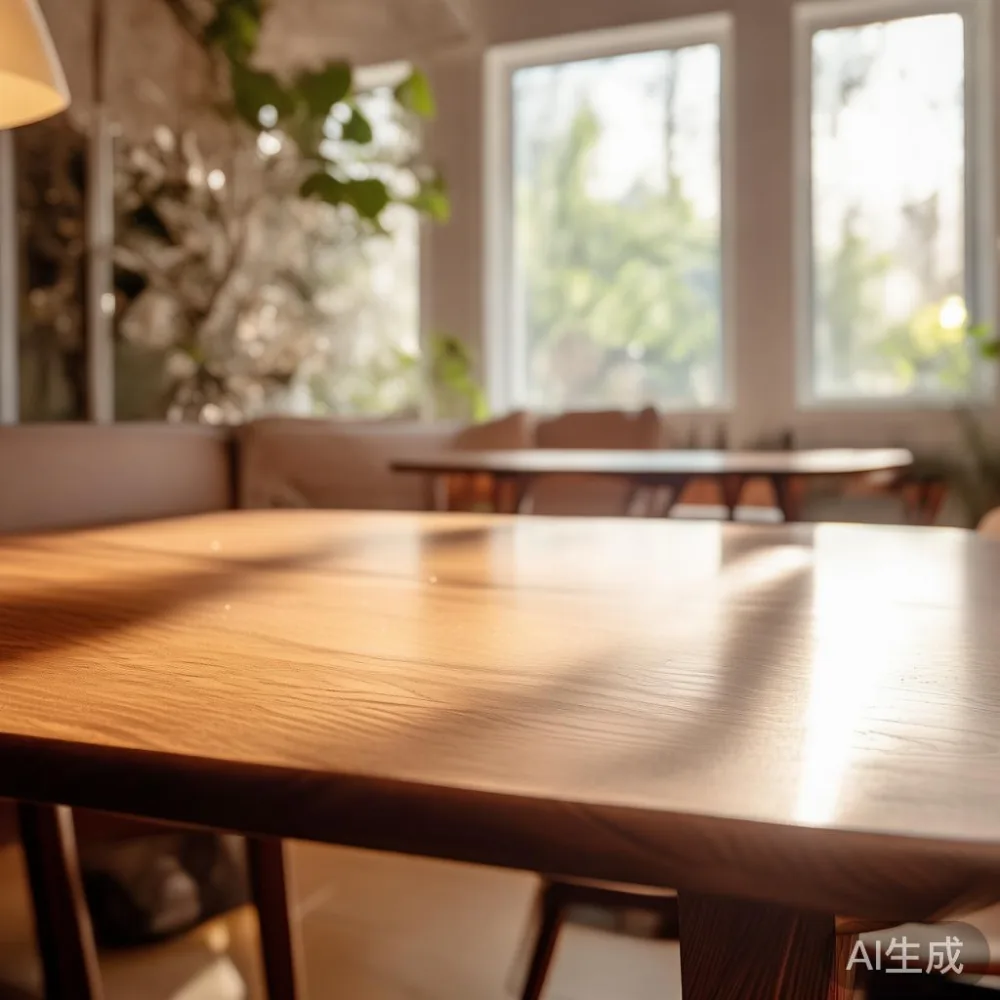
This comparison uses realistic Singapore figures in SGD, including 9% GST. A lift with an internal width of 110 cm and a corridor width of 120 cm can admit a disassembled bed frame or dining table, while a 200 cm solid timber dining table may need a wider door route or more careful turning. We compare purchase cost, delivery, care and likely repairs over 60 months rather than treating the lowest sticker price as the only cost.
What changes after 5 years of ownership?
The short answer depends on where the furniture lives and how it is used. A veneer dining table in a frequently used Bedok kitchen may need its edges treated carefully. A solid wood dining table in a quieter Tampines unit may develop a deeper patina with relatively little intervention. Veneer wardrobes can perform well when the panels are kept flat and dry, while solid wood wardrobes benefit from occasional refinishing but can move slightly as humidity changes.
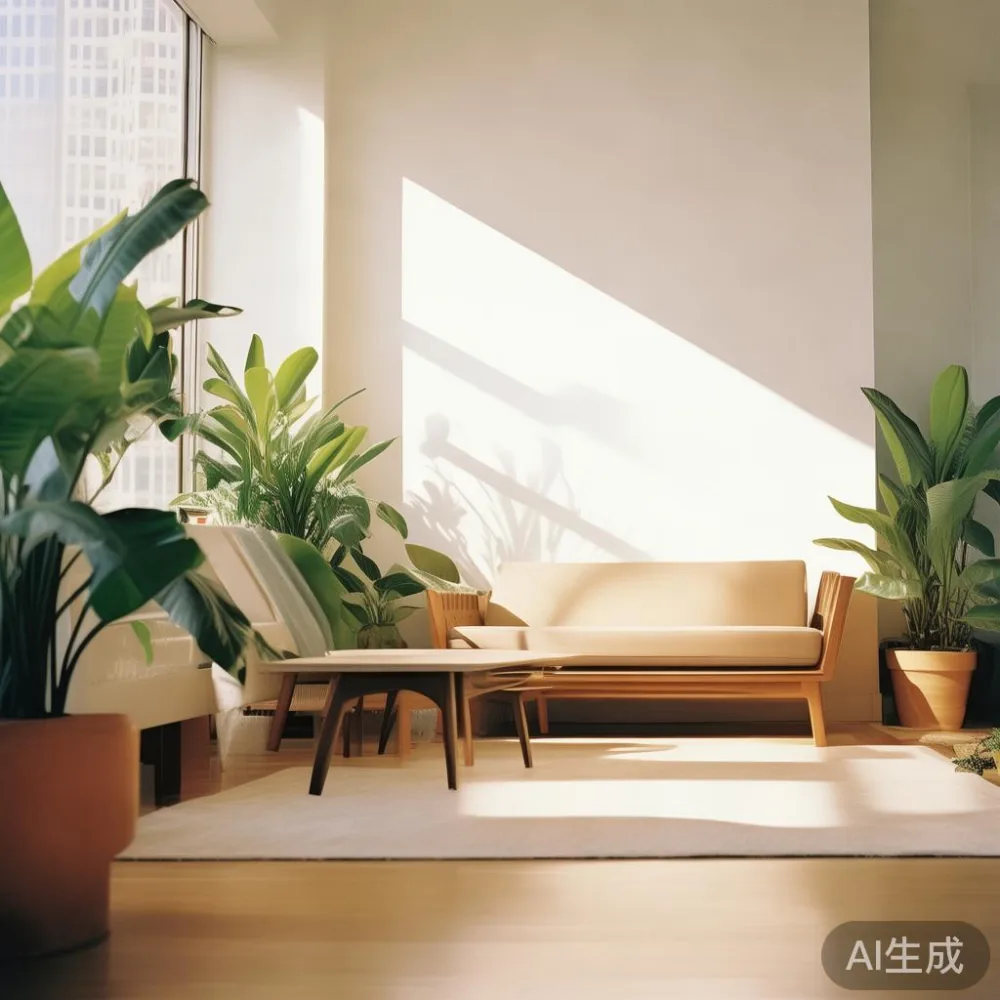
For this estimate, a mid-sized dining table is priced from SGD 1,180 for veneer and SGD 1,780 for solid wood. A 3-door wardrobe is SGD 1,580 versus SGD 2,380. A queen bed frame is SGD 980 versus SGD 1,480, and a solid wood sofa starts at SGD 3,280 against SGD 2,480 for a veneer frame with upholstered surfaces. These examples are representative, not fixed quotations; dimensions, timber species and finishes change the final figure.
The calculation below includes 9% GST and assumes one property in Singapore, normal indoor use and no flooding. Year 5 is the point at which a low initial cost can be offset by repairs, replacement parts or earlier replacement.
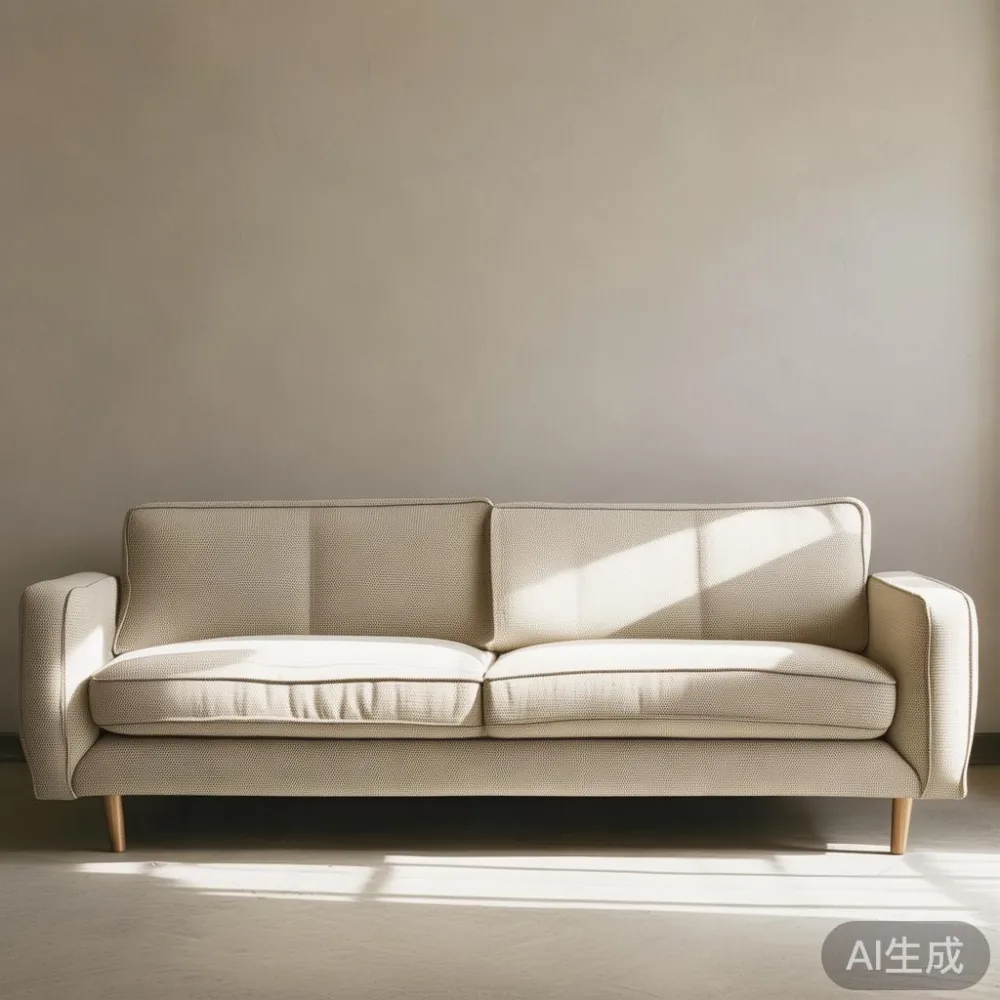
How much do veneer and solid wood furniture cost over 5 years?
For a dining table, the veneer option begins at about SGD 1,286.20 including GST and reaches roughly SGD 1,406 over 60 months after SGD 70 for delivery, SGD 25 for a minor surface repair and SGD 25 for replacement fittings. The solid wood table begins at SGD 1,939.80 including GST. A delivery charge of SGD 120, one SGD 60 refinishing job and SGD 40 of replacement hardware bring the 5-year figure to approximately SGD 2,159.80. The difference is about SGD 753.60.
A wardrobe shows a different balance. A veneer wardrobe at SGD 1,580 becomes SGD 1,722.20 including GST. Add SGD 90 for delivery, SGD 80 for edge repair and SGD 30 for new handles, giving SGD 1,922.20 over 5 years. A solid wood wardrobe at SGD 2,380 becomes SGD 2,594.20. Add SGD 150 for delivery, SGD 120 for a sanding and touch-up job and SGD 40 for fittings, giving SGD 2,904.20. Here, the solid wood wardrobe costs about SGD 982 more.
For a queen bed frame, veneer works out to about SGD 1,068.20 after GST, plus SGD 70 delivery and SGD 60 for a replacement slat or repair. The total is SGD 1,198.20. Solid wood starts at SGD 1,613.20 after GST, plus SGD 100 delivery and SGD 40 for adjustable supports, producing SGD 1,753.20. That is a 5-year difference of SGD 555.
Across these 3 product types, the modeled veneer total is SGD 4,528.60, while the solid wood total is SGD 6,817.20. Solid wood costs SGD 2,288.60 more, or about 50.5% more over 5 years in this sample. That does not mean veneer is financially wrong. It means the saving is not automatic: access, care and expected repair frequency must be included.
Is veneer cheaper once delivery and repairs are counted?
Usually, yes, especially for large flat-pack pieces. Veneer components are lighter and often easier to carry through condominium. A flat-packed veneer dining table may weigh 42 kg, compared with 68 kg for the same profile in solid wood. A disassembled veneer wardrobe might require 6 panels totalling 78 kg, while a comparable solid wood version can weigh 116 kg.
These differences matter in Singapore. HDB lift lobbies often have clear widths of about 150 cm, but the usable lift car may be only 110 cm wide and 140 cm deep. Condo corridors can narrow to 120 cm around corners. A 200 cm long dining table top cannot simply be tilted upright if a ceiling recess is only 210 cm high. It may need to be separated into 2 sections or carried in vertically, a service commonly priced at SGD 100 to SGD 180.
Solid wood also needs moisture planning. Singapore's outdoor relative humidity often moves between 65% and 85%, while air-conditioned interiors may sit near 50% to 60%. Properly kiln-dried timber and a stable finish reduce movement, but a solid wood bed frame can still need inspection after 24 to 36 months. Veneer does not expand across its thin decorative layer in the same way, although its substrate and joints still require sensible humidity control.
In Punggol and Bedok family homes, the monetary calculation may favour veneer when a family expects to move within 5 years. In a larger Tampines or Punggol condo where the owner plans to remain for 10 years, solid wood can make more sense as a long-term surface that can be sanded and refinished. The break-even point is not a universal number; it depends on repair frequency and how the owner values retained material and appearance.
What maintenance does each material need in Singapore?
Veneer needs gentle cleaning and prompt attention to chips. Wipe with a slightly damp cloth, then dry immediately. Avoid silicone sprays, acetone and standing water near edges. A silicone-based veneer dining table can stain if spills are left overnight, while a sealed solid wood surface has more tolerance for brief moisture, provided the finish is renewed when it becomes thin.
For solid timber, vacuum the dust with a soft brush attachment and clean with mild soap at the ratio of 5 ml to 1 litre of water. Do not place a hot pot directly on the dining table; use a trivet with at least 2 mm of clearance. A nightstand should have a 3 cm gap from the wall where possible, allowing airflow in humid weather.
Minor veneer damage can cost SGD 20 to SGD 80 per edge, depending on access and colour matching. Sanding and refinishing a solid wood dining table commonly costs SGD 45 to SGD 90 per hour, with a full refinishing service around SGD 180 to SGD 350. A marble table is neither veneer nor solid wood in this comparison: its stone slab needs care for chips and specialist handling, and a 140 kg top may require a crane in a tightly accessed condo.
My colleague visited a Tampines HDB flat last month to inspect a 5-year-old mid century modern dining table. The solid oak top had developed a pale ring around one cup and 3 small marks near a window. A damp cloth lifted the ring, while sanding the remaining marks and applying a fresh clear coat took about 75 minutes. The same repair on a nearby veneer table would have required colour-matched filler and a patch that was visible under side lighting.
That visit also showed why light-luxury positioning should be judged by tactility rather than labels. French light luxury uses pale woods, softened corners and restrained detailing; American light luxury tends to pair wider solid timber forms with generous proportions. Post-modern light luxury can mix walnut-toned pieces, slender tapered legs and marble accents. A mid century modern solid wood sofa with visible joinery and a natural finish fits the first 2 approaches, while veneer can reproduce the outline but not the depth of a solid edge.
Which option fits a mid century modern home better?
Both can fit visually, but they behave differently in a room. Mid century modern furniture relies on honest-looking grain, slim supports, rounded edges and carefully proportioned silhouettes. Solid wood gives those details physical depth. A 45 cm wide solid wood nightstand can show its end-grain and joinery; a veneer unit may use a printed surface over engineered board, which is acceptable when proportions remain convincing.
Veneer is practical when the main requirement is visual rhythm: tapered dining table legs, a low bed frame or a large wardrobe with uninterrupted doors. Solid wood is practical when the piece will be touched daily or repaired. The arm of a solid wood sofa receives oils and abrasion that can be renewed. Veneer on a high-use sofa frame is usually hidden, so the difference is felt in the rails and legs rather than the upholstered panels.
For a complete room, buyers sometimes ask about modern Italian light luxury furniture because the category combines walnut tones, clean lines and tactile surfaces. It is helpful to distinguish appearance from construction. A marble table may provide a cool focal point, a solid wood dining table supplies warmth, and a bed frame establishes the bedroom's visual weight.
Owners looking for for sale Italian light luxury furniture may encounter solid timber and engineered timber presented together. The material should be disclosed by component: solid timber top, plywood carcass or veneer face. Clear specifications prevent a 2 cm top from being mistaken for a 2 cm veneer layer over chipboard.
How do delivery, GST and service affect the final cost?
GST is often overlooked in online comparisons. At 9%, a veneer dining table at SGD 1,180 becomes SGD 1,286.20, while a solid wood table at SGD 1,780 becomes SGD 1,939.80. A comparison that omits tax understates the solid wood difference by SGD 54 for that example.
Delivery to most Singapore addresses is commonly SGD 70 to SGD 150, but difficult access can add SGD 50 to SGD 120. Lift measurements should be checked before a large piece is ordered. A 180 cm long wardrobe panel can turn through a 120 cm corridor diagonally, yet its thickness and the corridor bend still matter. MIDHILL provides delivery planning for furniture sold through its Singapore service, and orders over US$350 qualify for free shipping under the stated policy; local delivery charges remain product- and access-dependent.
Service is another factor. MIDHILL gives a 10-year structural warranty on eligible solid wood furniture and a lifetime refinishing policy for covered products. A customer should confirm whether a specific wardrobe, dining table or nightstand is included, because hardware, finishes and product applications can have different terms. Returns are accepted within 14 days under the stated policy, subject to condition and the applicable return procedure.
For shoppers asking about the best European wardrobe for 2026, the more useful question is how it will be serviced in Singapore. European-style wardrobes may use wide doors, internal drawers and layered hanging sections. A European light luxury wardrobe can be engineered for stability, but solid wood doors still need an experienced installer in an older HDB flat.
Are there hidden costs when buying a solid wood sofa or bed frame?
The largest hidden cost can be access. A solid wood sofa may arrive as 4 or 5 sections, each between 72 cm and 92 cm wide. A single assembled section over 110 cm will not enter many lift cars. Reassembling at home avoids carrying a 95 kg section around a corridor, but narrow HDB stairs can still require 2 movers at SGD 160 to SGD 280 including a 2-hour service.
A bed frame can also add installation charges. Common flat-pack beds are installed for SGD 40 to SGD 80; a solid wood bed frame with a lift-up storage base can cost SGD 90 to SGD 160. Headboard panels wider than 150 cm should be checked against the bedroom doorway and lift depth.
Refinishing is not a scheduled expense every year. In the sample, solid wood receives 1 refinishing intervention over 5 years, while veneer receives 1 or 2 repairs. A high-quality result depends on preventing damage, not simply choosing a stronger surface. Owners in coastal units with frequent open windows should use blinds, maintain indoor humidity below roughly 65% where possible and inspect joints every 12 months.
The phrase how to style European light luxury wardrobe in room is a reminder that material is only 1 layer of the decision. Internal layout may matter more. Allow at least 55 cm for a main hanging section and 40 cm for a drawer bank. A wardrobe 220 cm wide and 60 cm deep fits many condo bedrooms, while 2 wardrobes of 90 cm each may crowd an HDB room with a 240 cm wall.
What should a Singapore buyer choose for the next 5 years?
Choose veneer when the budget is constrained, the furniture will remain lightly used, the household may move and the visual match matters more than exposed solid timber. Choose solid wood when the dining table, bed frame or wardrobe will be used daily, when exposed edges and joinery are central to the mid century modern look, or when long-term refinishing has measurable value.
A practical middle path is to spend on the pieces touched most and use veneer where the surface is flat or concealed. A solid wood dining table, a veneer wardrobe with stable doors and a solid wood nightstand can produce a balanced room. A marble table may serve as a smaller occasional surface, but its weight deserves more planning than a 38 kg round table.
Buyers comparing for sale Japanese furniture may notice restrained joinery and light timber tones, often closer to solid wood construction than the thinnest veneer products. Japanese joinery also signals careful assembly and repair, but origin does not replace local measurements or after-sales checks.
For a room requiring MIDHILL European light luxury wardrobe, compare the carcass, door material, drawer runners, fixings and finish coverage line by line. For a coffee table, MIDHILL coffee table options can be evaluated by top thickness, underside construction and delivery dimensions. If a 180 cm top weighs 52 kg, check the lift and include 2-person carrying in the project plan.
Across 60 months, the modeled saving from veneer was SGD 2,288.60 across 3 mid-sized pieces, or about SGD 763 per item. Solid wood carried a 10-year structural warranty and lifetime refinishing option in the stated MIDHILL range, giving it a useful service case beyond the 5-year purchase calculation.
The most financially sound choice is the one that fits the room, the access route and the owner's habits. Measure first, inspect specifications second and budget for care third. That approach preserves the warmth and proportion of mid century modern furniture while treating veneer and solid wood as different long-term materials, not interchangeable labels.