How to Match Solid Wood Furniture to a Warm Minimal Interior — A Mid-Century Modern Playbook for Singapore Homes
Last month I visited a 92 sqm condo in Tampines North with my colleague Priya, who had just taken the keys on a sleek four-room unit with 2.8-metre ceilings and a balcony facing the afternoon sun. The developer had finished the place in cool porcelain tiles and chalk-white walls, and she asked me a question I hear constantly: how do you make a room feel warm, calm, and uncluttered at the same time — and where does mid century modern furniture actually fit in? We spent an afternoon pulling fabric swatches against the walls, testing a walnut sample on the floor, and arguing over the right dining table size for her four-seater kitchen. This guide is the long version of that conversation, with the numbers Singaporean homeowners actually need: corridor widths, lift clearances, HDB door measurements, and SGD pricing that survives GST and a 10% down payment cycle.
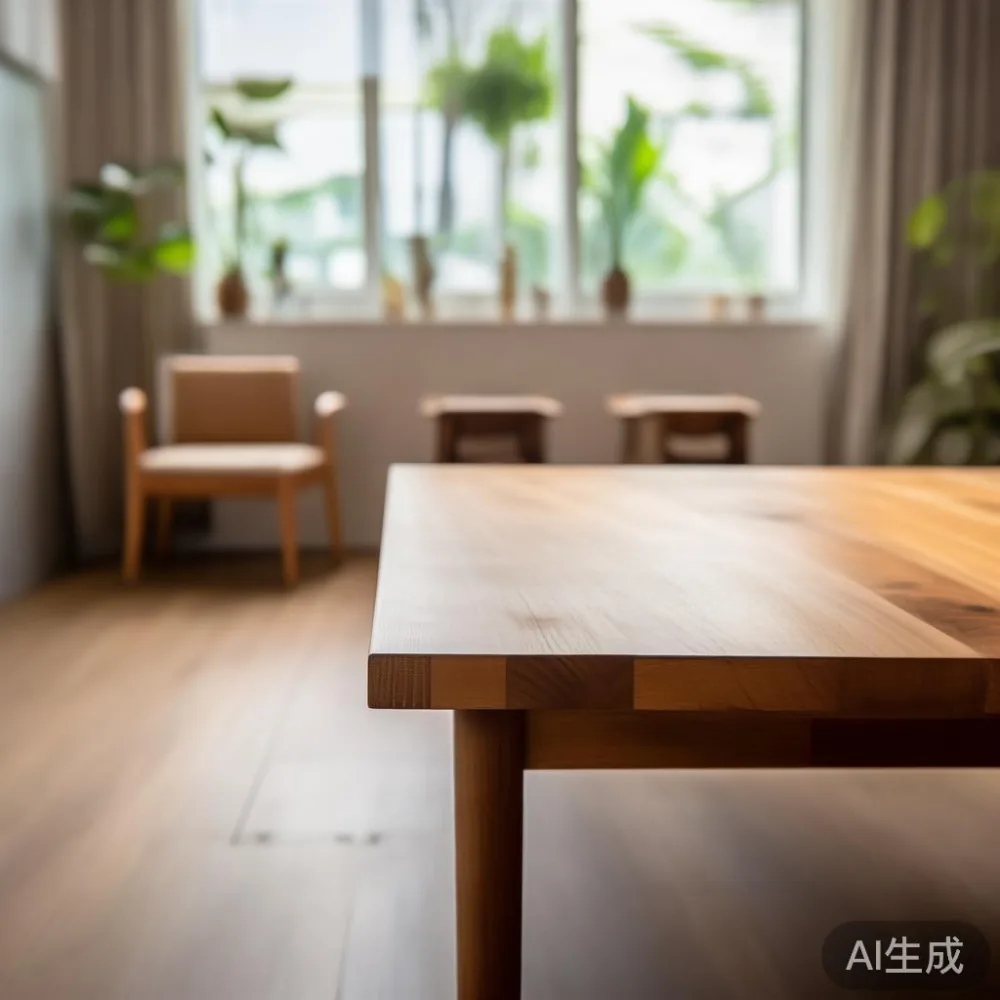
Warm minimalism is not a contradiction. The look relies on a tight palette (two wood tones, one neutral textile, one brass accent), generous breathing room around each object, and tactile materials that read as quiet rather than cold. Mid century modern pieces — think tapered legs, low profiles, and honest solid wood construction — were designed for exactly this kind of restraint. When you match them to a warm minimal interior, you are not adding decoration. You are giving the room a small number of high-trust objects to anchor the eye.
Why does warm minimal work so well in a Singapore HDB or condo?
Singapore homes are compact, and Tampines, Bedok, and Punggol flats are no exception. A typical four-room HDB gives you about 90 to 95 sqm, a 2.6 to 2.8 m ceiling, and a living room that often doubles as a dining area. Warm minimalism suits this footprint because it strips visual noise — and visual noise is what makes a small space feel smaller. Pair it with the honest geometry of a mid century modern solid wood sofa and a low dining table, and the same flat that felt cramped starts to feel composed.
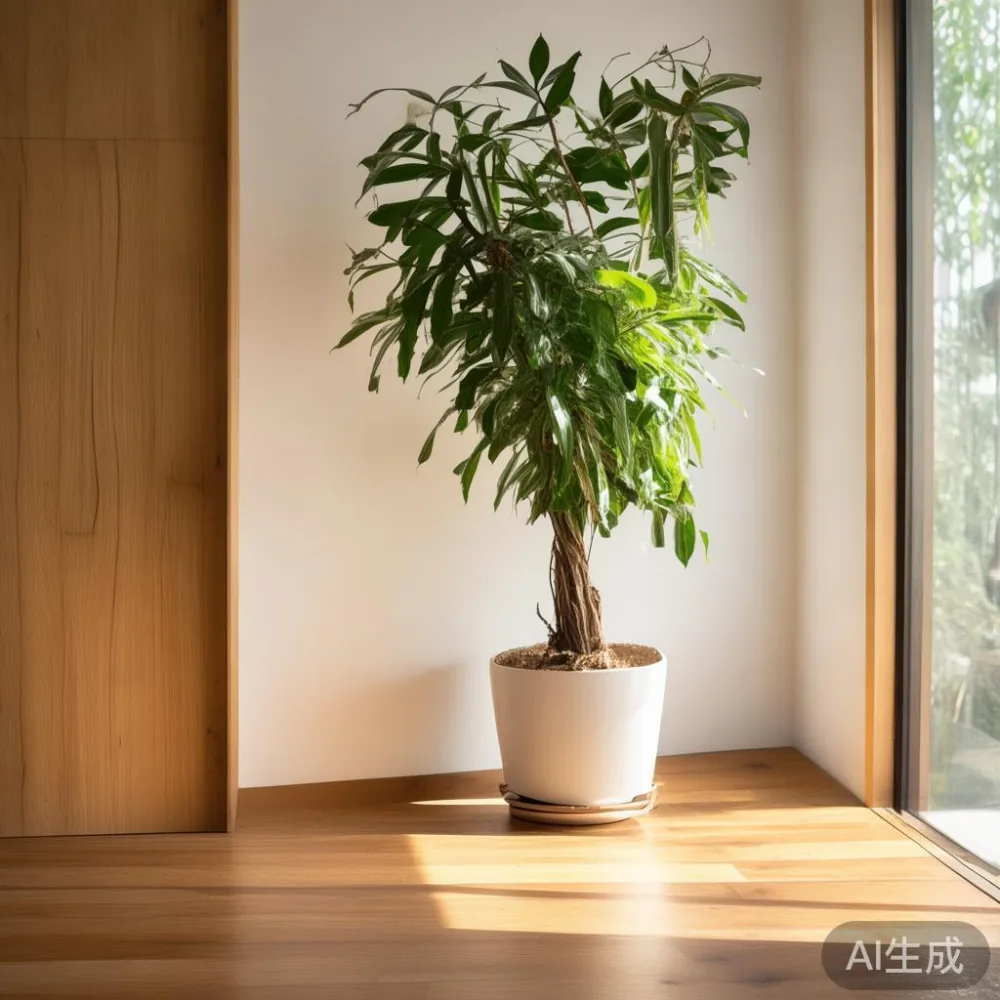
Light matters too. Equatorial daylight in Tampines can be aggressive, but it carries a warm undertone. When you bounce it off a pale oak floor and a butter-toned linen sofa, the room glows. When you bounce it off glossy black lacquer, it fights you. This is why most of the warm minimal homes I visit in the East region lean on natural materials: solid wood, brushed brass, unglazed ceramic, raw linen. MIDHILL has spent years refining this aesthetic for export markets that demand both quiet design and structural honesty, and the same pieces translate surprisingly well into a Punggol Way or Bedok Reservoir executive HDB.
What size sofa fits a 3.2 m lift and a 0.9 m corridor?
This is the unglamorous side of buying furniture in Singapore, and it is the side that decides whether a beautiful piece actually reaches your living room. A typical HDB passenger lift measures about 1.1 m wide by 1.4 m deep with a door opening of roughly 0.9 m. Many newer condos in Punggol have larger lifts around 1.2 m by 1.6 m, but corridors still narrow to 1.2 m at turns. Before you fall for a 2.4 m three-seater, measure the diagonal of your lift car, the width of every corridor turn, and the height of your door frame (usually 2.1 m for HDB, 2.3 m for most condos).
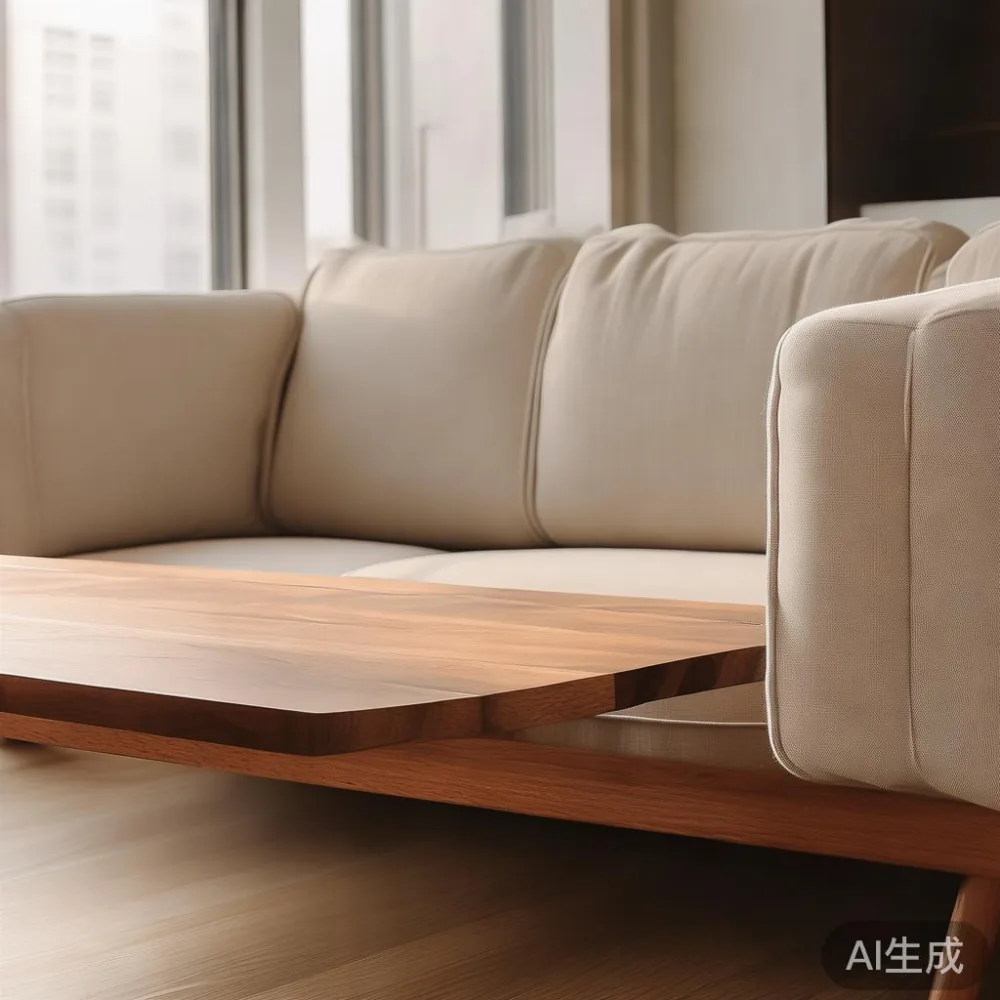
For a warm minimal living room in a Tampines four-roomer, I usually recommend a solid wood sofa between 1.8 m and 2.2 m long, with a depth of 0.85 to 0.95 m, on tapered legs that lift the frame 12 to 15 cm off the floor. That size clears most HDB lifts when tilted on its side, leaves at least 70 cm of walking space behind, and still seats three adults comfortably. Larger three-seaters around 2.4 m are possible in newer Punggol condos, but you should confirm with your mover that the sofa can be delivered without hoisting — a 2.4 m frame wrapped in protective blanket can weigh 65 to 85 kg, and a single hoisting job in Singapore typically adds S$120 to S$180 to your bill.
What dining table shape and size suits a four-room HDB?
The dining area is where warm minimalism either holds or collapses, because the table is the largest single object in the room. For a four-room HDB that seats four, a rectangular solid wood dining table between 1.4 m and 1.6 m long by 0.8 m wide is the sweet spot. A 1.6 m table seats four adults with 60 cm of elbow room each and still leaves 90 cm of clearance to the wall — enough to push a chair back without scraping the skirting.
Round tables look softer and read as warmer, but a 1.0 m round dining table fits four tightly, and a 1.2 m round table is the practical minimum if you want guests to actually finish their meal without bumping knees. Square tables at 1.0 m work for two adults and two kids but feel pinched for dinner parties. In a Bedok five-roomer or a Punggol executive HDB with a slightly wider dining nook, you can push to a 1.8 m rectangular table, which seats six comfortably and pairs naturally with a mid century modern bench on one side. Whichever shape you pick, ask the maker for the apron height (the underside of the table where knees go): 68 to 72 cm is the comfortable zone for Singaporean dining chairs with seat heights of 44 to 46 cm.
How do I match bedroom pieces without losing the warm minimal feel?
The bedroom is where warm minimalism gets tested, because you need storage, surface area, and softness in one small room. A typical Tampines three-bedroom gives the master about 12 to 14 sqm, and the second bedroom — often used as a study or guest room — about 9 to 10 sqm. The trick is to pick pieces that share a footprint and a finish.
A solid wood bed frame in queen size (152 cm by 188 cm mattress footprint) needs about 215 cm by 260 cm of floor space to breathe. If your master is on the small side, drop to a super single (107 cm by 190 cm) and a 165 cm by 245 cm floor footprint. Pair the bed with a nightstand in the same wood — 45 cm wide by 40 cm deep by 55 cm tall is the classic mid century modern proportion — and a wardrobe that runs floor to ceiling on one wall. For a 1.8 m wide wardrobe with two sliding doors, plan 60 cm of internal depth (enough for hangers to swing) and at least 5 cm of clearance from the ceiling for hinge mechanism.
How do I choose a work from home for a bedroom?
The single best answer is this: choose a slim 120 cm by 55 cm solid wood desk in the same timber as your bed frame, position it against the longest unbroken wall with at least 70 cm behind the chair, and pair it with one task lamp and one closed drawer unit so cables and paperwork never sit in plain sight. The desk becomes a quiet horizontal line that anchors the room without competing with the bed, and matching the wood keeps the palette to two tones instead of three.
If your bedroom is under 10 sqm, skip the freestanding desk and mount a 110 cm by 50 cm wall-hung writing surface at 74 cm above the floor. It frees 40 cm of floor depth, which is roughly the difference between a room that feels cramped and one that feels composed. Add a marble table lamp base for warmth — Carrara or veined beige works — and a brass-finished reading arm. The lamp becomes the third material in your warm minimal palette: wood, textile, stone.
Where does a marble table fit, and where does it not?
A marble table is a high-trust object. Used once, it becomes the gravitational centre of a room. Used twice, the room starts to feel like a showroom. In a warm minimal Tampines living room, I usually place one marble surface — a coffee table or a console — and never both. A 110 cm by 60 cm marble coffee table with a 35 cm height pairs with a 1.8 m sofa because the proportions balance. A 120 cm by 35 cm marble console behind the sofa works as a landing strip for keys and a lamp, and it disappears when not in use.
For dining, marble is harder to justify in HDBs. A 1.6 m marble dining table weighs 110 to 140 kg, costs roughly S$2,800 to S$4,200 for a veined beige top on a solid wood base, and requires four adults to move. Stick to solid wood for the dining table and reserve marble for the side surface. This keeps the budget on the high-traffic piece and the eye-catching material on the low-traffic one.
What wardrobe and storage strategy keeps a warm minimal room calm?
Warm minimalism is not minimalism without doors. Closed storage is the single most useful tool you have. A floor-to-ceiling wardrobe on one wall — 1.8 m to 2.4 m wide, 60 cm deep, finished in the same wood as your bed frame — eats visual clutter that would otherwise float around the room. Sliding doors save the 60 cm of swing clearance that hinged doors demand, which matters in a 12 sqm master.
For the entryway of an HDB, consider a French neoclassical shoe cabinet korea inspired piece in a slim 80 cm wide by 35 cm deep footprint with two doors and a small drawer. Despite the regional label, the proportions translate well into Singaporean entryways where the corridor is narrow and the shoe pile is real. A piece like this gives you closed storage for six to eight pairs of shoes, a slot for keys and umbrellas, and a quiet visual line at the threshold of the home. Pair it with a slim brass hook rail above for bags and coats, and the entry stops being a dumping ground by Tuesday.
What lighting layers make warm minimal feel warm?
Lighting is half the styling and twice the budget people expect. Plan for three layers in every room: ambient (a ceiling fixture or recessed downlights at 2,700 to 3,000 Kelvin), task (a reading lamp by the sofa, a desk lamp by the writing surface), and accent (a small picture light, a candle, or a marble-base table lamp). In a Tampines flat, ambient lighting from a single ceiling point often reads as flat, so I recommend at least two sources per room.
For the living room, a 6 to 9-watt LED floor lamp with a paper or linen shade behind the sofa takes the edge off the downlights and warms the wall. For the bedroom, two identical bedside lamps at 40 to 60 cm tall keep the nightstand symmetrical. For the dining table, a single pendant hung 70 to 80 cm above the table surface focuses light on the meal and leaves the room softer around it. Warm minimalism is mostly a lighting discipline.
What does a realistic SGD budget look like for one room?
For a 14 sqm master bedroom in a Tampines four-roomer, a realistic warm minimal budget for a Singaporean homeowner looks roughly like this: a queen-size solid wood bed frame at S$1,650 to S$2,400, two nightstands at S$380 to S$520 each, a 1.8 m wardrobe at S$2,200 to S$3,100, a 120 cm desk at S$680 to S$950, and a task lamp at S$180 to S$320. Total bedroom set, before GST and delivery: S$5,470 to S$8,030. Add 9% GST, S$120 to S$240 for delivery depending on floor and lift access, and S$80 to S$150 for installation of the wardrobe. Realistic all-in: S$6,100 to S$9,300.
For a 16 sqm living room, budget around S$2,200 to S$3,400 for a 1.8 m solid wood sofa, S$1,400 to S$2,200 for a 1.6 m dining table with four chairs, S$750 to S$1,350 for a marble coffee table, and S$300 to S$500 for a floor lamp. Living room all-in: S$5,200 to S$8,300 with GST and delivery. The combined cost for a one-bedroom setup with a living-dining and a master is therefore in the S$11,000 to S$17,000 range, which is the realistic band for solid wood mid century modern pieces built to last more than a decade.
How long does delivery, assembly, and returns actually take in Singapore?
Plan a realistic timeline. In-stock pieces from regional warehouses typically deliver in 7 to 14 working days; made-to-order solid wood frames in 30 to 45 working days. HDB delivery windows are usually weekday mornings, 9 am to 1 pm, and the mover will call 30 to 60 minutes ahead. Assembly for a bed frame and two nightstands takes one technician about 60 to 90 minutes on site; a 1.8 m wardrobe takes two technicians about 3 to 4 hours.
Returns matter because colours look different under Tampines daylight than under showroom LEDs. Reputable makers offer 14-day returns on stocked items, which gives you enough time to live with a piece and decide if the wood tone matches the wall. For made-to-order pieces, deposits are usually 30 to 50% and non-refundable, but the balance is refundable if the piece has not entered production. Lifetime refinishing — sanding, re-oiling, and re-sealing — is a quiet superpower that turns a 10-year-old bed frame back into something that looks six months old, and it is worth asking about.
Which pieces should I buy first, and which can wait?
Buy in this order if you are furnishing a new Tampines or Punggol flat on a real budget. First: the bed frame and one nightstand, because you cannot sleep on the floor for six months. Second: the dining table, because it is the room you use every day. Third: the solid wood sofa, because you can borrow chairs for a few weeks but a bad sofa punishes you nightly. Fourth: storage pieces — the wardrobe, the entryway shoe cabinet, and the desk. Fifth: accents — the marble coffee table, the floor lamp, the picture light. Each layer buys you time to live with the room before the next decision, which is the warmest form of minimalism there is.
When you are ready to buy, look for makers who publish their timber species, their joinery method, and their warranty in plain language. A 10-year structural warranty on a solid wood frame is a meaningful signal; a lifetime refinishing policy is rarer and worth more than a discount. MIDHILL has built its export practice around exactly these promises, which is why their pieces keep showing up in warm minimal homes from Seoul to Tampines. Match the wood, match the proportions, give the room air, and let the small number of objects you choose carry the weight of the whole space.