Solid Wood Furniture Prices: What Drives Them in Singapore
I spent a Tuesday morning at the MIDHILL showroom in Foshan earlier this month, walking the warehouse floor with a foreman and a tape. Two identical-looking six-seater dining tables sat three bays apart. One was tagged SGD 2,450, the other SGD 3,980. Same shape. Same wood species printed on the spec card. The difference, the foreman showed me, was 6.2 kg of finished weight, 14 mm of leg thickness, and the fact that one top was three glued boards and the other was a single live-edge slab. That visit is the reason this article exists. If you live in a Tampines 4-room HDB and you are budgeting for a solid wood dining table, a bed frame, or a mid century modern sofa, the sticker price is telling you something — but not what most people think it is.
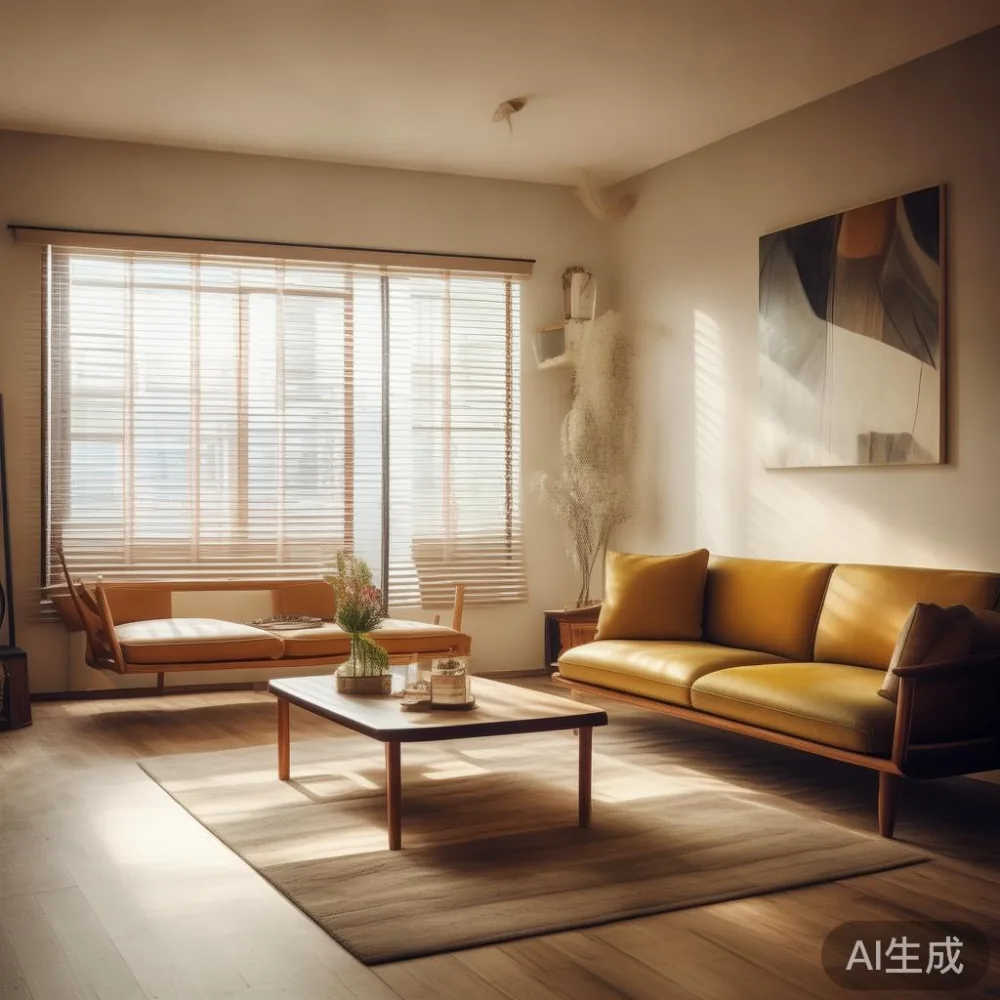
Singapore buyers pay a specific kind of premium. The wood has to survive a 9 % GST at customs, a container that has crossed two oceans, and a lift in Punggol that measures 1.1 m wide by 2.1 m deep (the BTO standard). The price tag on any piece of solid wood furniture you see here is the sum of seven drivers, and once you can read them, you can stop overpaying.
1. Wood species and grade — the single biggest swing factor
Species sets the ceiling. North American white oak (Quercus alba) in FAS grade runs about 2.4 times the price per cubic metre of Chinese ash in the same grade. Walnut is roughly 1.7 times oak. Rubberwood, which is what most entry-level solid wood furniture in Singapore is actually built from, is about 0.4 times oak. When you see a "solid oak bed frame" priced at SGD 899, ask whether the slats and the inner rails are also oak, or whether only the outer panels are. At MIDHILL, I checked three bed frames on the floor and the spec cards listed every component, not just the visible faces.
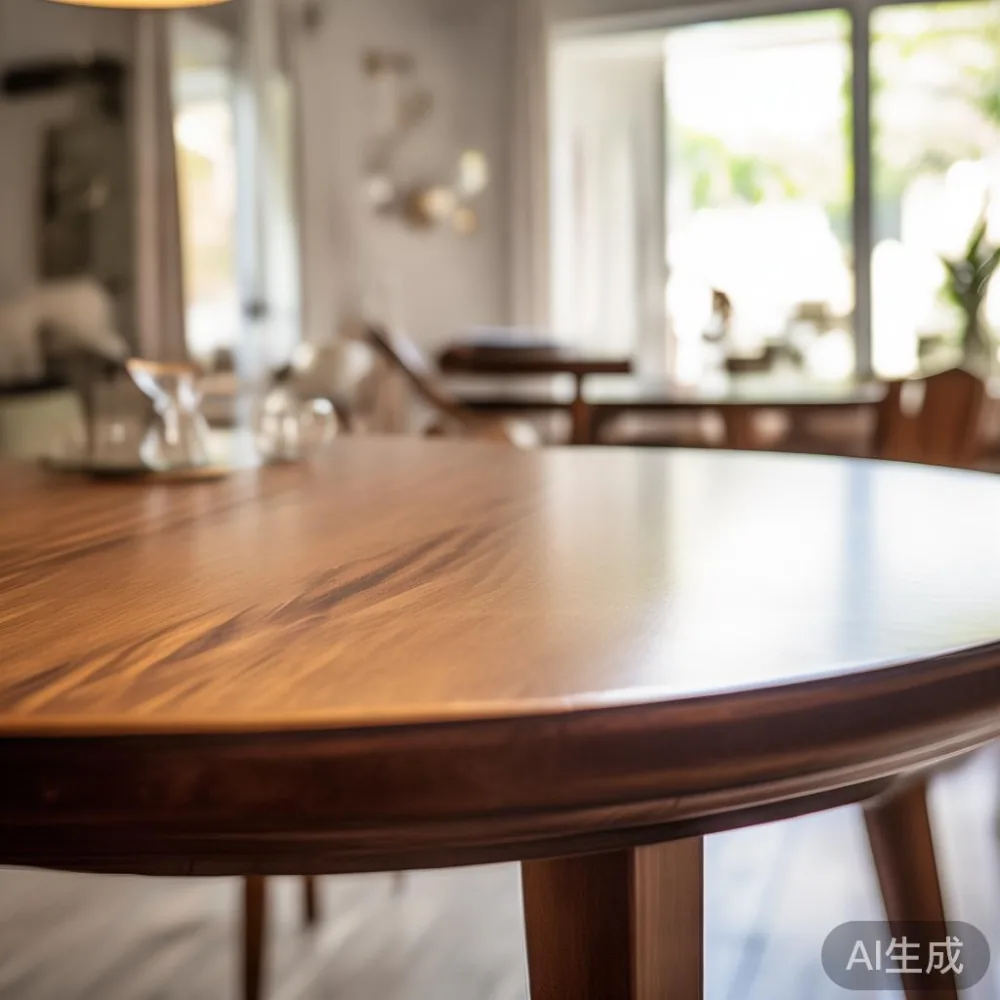
Grade matters as much as species. FAS (First and Seconds) gives you long, clear boards with few knots. Common grade #1 will have sound knots every 30 cm and shorter clear sections. A dining table top made from FAS oak might use 28 % more raw board than the same top in Common grade, because the cutter is skipping defects. That extra material is paid premium on the invoice.
2. Kiln-dried versus air-dried — the moisture content question
Wood moves. In Singapore, where indoor humidity sits between 65 % and 80 % for nine months of the year, the equilibrium moisture content (EMC) of furniture should be around 14–16 %. If a piece was dried to 8 % EMC (kiln-dried North American stock) and shipped in a container that passes through equatorial humidity, it will gain moisture and cup, twist, or crack within the first wet season.

The fix is proper re-conditioning: a 14 to 28 day rest in a humidity-controlled warehouse before finishing. Reputable Foshan makers, MIDHILL included, run their stock through this rest period. It costs money — roughly 6 % of the material value — and it adds 3 to 4 weeks to lead time. If a Singapore retailer is promising a 7-day delivery on a solid oak dining table, that table has almost certainly skipped the rest cycle. You will pay for it in cracks by month eight.
3. Joinery — where the craftsmanship actually is
Press a fingernail into a corner of any wardrobe, dining table, or nightstand. If you feel a seam running across the grain, you are probably looking at a dowel or a biscuit joint glued into MDF or plywood. If the seam runs along the grain and the two faces are continuous, you are looking at a mortise and tenon, a dovetail, or a finger joint — the joinery that defines a solid wood sofa frame, a real mid century modern bed frame, or any piece worth its weight.
Mortise and tenon on a dining chair costs about SGD 18 per chair in labour, versus SGD 4 for a dowel-and-glue version. Over a set of six chairs, that is SGD 84 — visible in the price, invisible on the showroom floor. For a four-poster bed frame with through-tenons, the joinery premium is closer to SGD 140 per bed frame. Drawer boxes on nightstands and wardrobes should be dovetailed on at least the front and back; a dovetail bit alone adds SGD 6 per drawer to the tooling, but the joint will outlive the finish.
4. Finish — French light luxury versus builder-grade lacquer
Finish is where the French light luxury aesthetic earns its name. A traditional French polish on a walnut nightstand is hand-rubbed shellac, applied in 8 to 12 coats, each buffed with a cotton pad. A craftsman can finish about 1.2 m² per hour at this pace. A conversion lacquer (the glossy, plastic-looking film you see on most flat-pack solid wood) is sprayed at 12 m² per hour by a robot.
The hand-rubbed finish costs about 9 times more per square metre. It also ages differently — shellac amber over 15 years, lacquer yellows and cracks at the corners. American light luxury leans toward a hand-waxed oil finish (hardwax oil from a brand such as Osmo) that you can re-coat at home every 18 months. Post-modern light luxury often pairs these oil finishes with a marble table accent, where the marble top sits on a solid wood base finished in the same oil for tonal continuity. Each system has a different cost structure and a different maintenance schedule, and the right one depends on whether you want a patina or a permanent gloss.
5. Hardware, upholstery, and the bits you do not see
Open the drawer on a mid century modern nightstand. The slides tell you everything. Soft-close BLUM Tandem slides are SGD 28 per pair. Generic full-bee is HK$ 6 (about SGD 1.04). The drawer front on a wardrobe with full-extension soft-close adds roughly SGD 110 per linear metre of drawer front over the same wardrobe with basic side-mount slides.
Upholstery on a solid wood sofa follows the same logic. The frame is solid wood (the question is which wood), the suspension is either 8-way hand-tied springs (the gold standard, roughly SGD 240 per seat in labour) or sinuous wire (SGD 35 per seat). The cushion fill is HR foam at 2.4 lb density (SGD 90 per seat) versus rebonded chip foam (SGD 22 per seat). Real top-grain leather runs SGD 95 per square metre; corrected-grain leather with a sprayed finish is SGD 38. None of these are visible in a showroom photo, all of them are visible in the price.
6. Size, weight, and Singapore-specific logistics
A solid wood dining table for six weighs between 55 kg and 110 kg depending on top construction. A king-size platform bed frame in solid oak weighs around 78 kg. A wardrobe in three sections can hit 180 kg. These numbers matter in Singapore for two reasons.
First, HDB corridor widths. The standard HDB corridor is 1.5 m wide. A wardrobe over 1.45 m deep will not pivot around the lift lobby corner on level 12. A reputable seller will quote you the external dimensions and the diagonal depth of every piece before you pay a SGD 80 delivery fee (free over SGD 350 at MIDHILL, for context). Second, lift dimensions. Newer BTO lifts in Punggol are 1.1 m wide by 2.1 m deep, but older lifts in Bedok and Toa Payoh can be as narrow as 0.95 m. A king-size bed frame unassembled is fine; a pre-assembled king-size bed frame will not enter a 0.95 m lift, and the delivery crew will leave it on the ground floor.
7. Warranty, returns, and the lifetime cost of ownership
A 10-year structural warranty is not a marketing line. It is a promise that the maker has priced the joinery, the wood moisture content, and the finish to outlast that window. A piece with a 1-year warranty is priced for replacement, not repair. MIDHILL backs its solid wood sofas, dining tables, bed frames, wardrobes, and nightstands with a 10-year structural warranty, plus lifetime refinishing on the wood and table at nine regional service hubs — a service that costs roughly SGD 320 per piece if bought separately and is included in the original invoice. If you plan to keep a dining table for 15 to 20 years (the realistic lifespan of a kiln-dried, properly finished solid oak top), the per-year ownership cost is surprisingly low.
How do I choose a minimalist furniture for a small apartment?
Measure the lift, measure the corridor, then measure the piece — and buy the smallest solid wood version of each category that still does the job. For a 60 m² two-bedder in Punggol, a 140 cm dining table seats four comfortably, a 150 cm solid wood bed frame (queen, not king) fits a 2.9 m wall, and a two-door wardrobe under 1.2 m wide clears the standard corridor pivot. Prioritise pieces with exposed joinery and light finishes, because a French light luxury or hand-waxed oil finish reflects more daylight than a glossy lacquer and makes a small room read larger.
Is solid wood furniture worth more than veneer or engineered wood?
Over a 15-year horizon, yes, almost always. A solid oak dining table that costs SGD 2,800 today will outlast three generations of engineered-wood tables that cost SGD 900 each, and it can be sanded and refinished twice in that span. A solid wood sofa frame can be re-upholstered for roughly 40 % of the original cost; an engineered-wood sofa frame cannot be re-upholstered because the joints fail first. The break-even point is around year six for dining tables and year four for wardrobes and nightstands.
What hidden costs should I budget for beyond the sticker price?
Plan for delivery (HKD 40 to SGD 120 within Singapore depending on weight), GST (9 % on the CIF value), lift booking (SGD 30 to SGD 60 for Sunday slots in some condos), and assembly if it is not included (SGD 80 to SGD 180 per item). Anti-graft you should also budget for coasters, humidity control (a SGD 45 dehumidifier for the bedroom), and a 14-day return window in case the wood does not match your space — which is why the 14-day returns policy at MIDHILL exists, and why a same-day, no-questions-asked policy should make you suspicious.
How can I tell if a piece is real solid wood before I buy?
Check the end grain on every face. Real solid wood shows continuous grain on the face and the edge, with the pore pattern running through. Veneer shows a repeating grain pattern every 60 to 90 cm because the veneer is sliced from a log and repeated. Lift the piece — solid oak nightstands weigh 12 to 18 kg, MDF nightstands weigh 6 to 9 kg. Smell it: real wood smells like wood, lacquer smells like solvent. And ask for the spec sheet, not the marketing photo. Any maker who cannot tell you the kiln thickness, the EMC at packing, and the joinery type is selling you something they do not want you to examine.
A short checklist before you pay
Before you click for a specific piece of solid wood furniture, run this 60-second list. Confirm the species and grade on every component, not just the visible faces. Confirm the kiln-dried moisture content (12 to 16 % for Singapore). Confirm the joinery type on the load-bearing corners. Confirm the finish system (hand-rubbed, hardwax oil, or lacquer). Confirm the dimensions against your lift and corridor. Confirm the warranty length and what it covers. Confirm the return window and who pays return shipping. If six of seven are answered clearly, you are paying a fair price for a piece that will outlast your tenancy — and possibly your lease, your mortgage, and your next renovation.