Mid Century Modern Care: Lacquered Wood in Singapore’s Tropical Climate
Singapore’s heat and humidity can be hard on lacquered furniture. From a solid wood sofa in a Tampines HDB flat to a dining table beside a Bedok condo window, daily moisture, strong sunlight, and sticky coastal air may cause a finish to look dull sooner than expected. Proper care does more than preserve appearance: it helps maintain the smooth touch, clear colour, and clean geometry that make mid century modern furniture appealing.
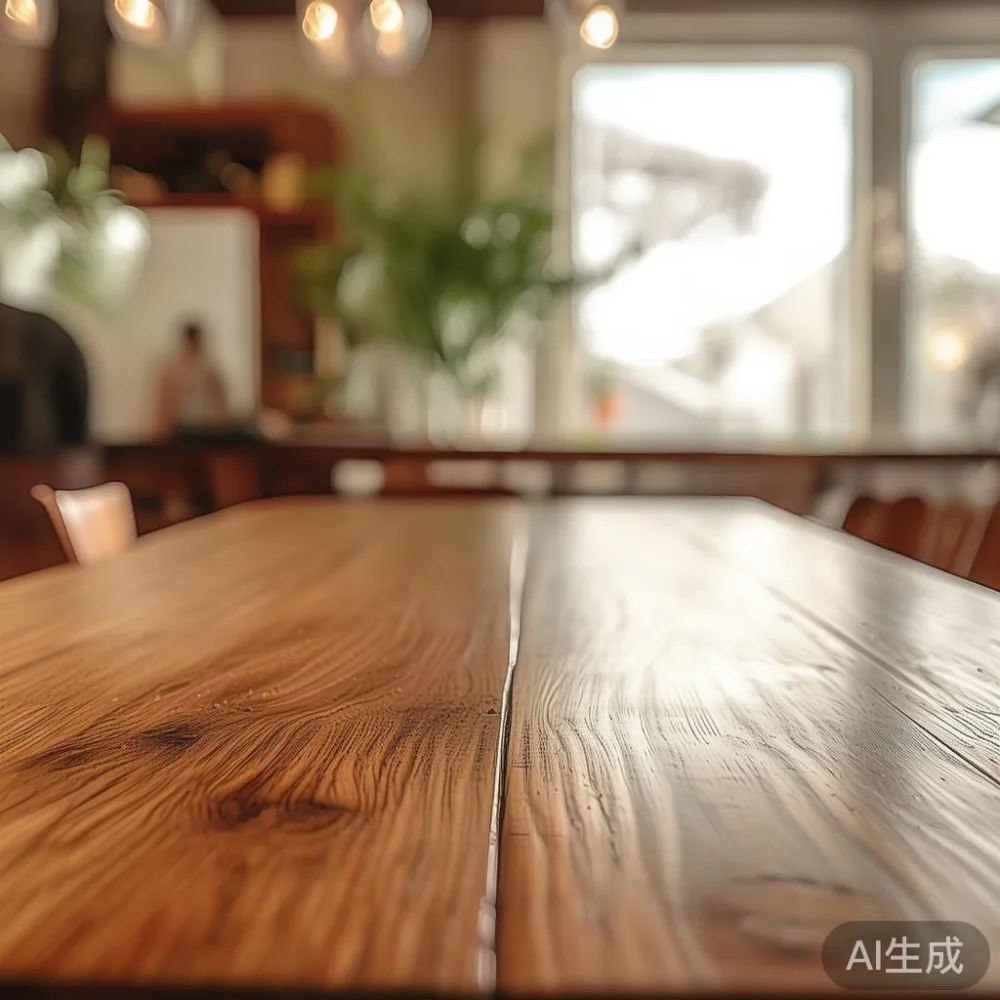
This guide explains how to inspect, clean, protect, and refresh lacquered surfaces without soaking the timber or damaging the coating. It also considers the practical differences between lacquer types, the limited space in Singapore homes, and the value of choosing furniture designed for a long service life.
MIDHILL makes solid wood furniture with a 10-year structural warranty and lifetime refinishing. Those services provide a useful backstop, but household habits still determine how quickly a lacquered finish responds to the climate. For product questions, the team can be reached at +86 188 2788 2512.
Why does lacquer need special care in Singapore?
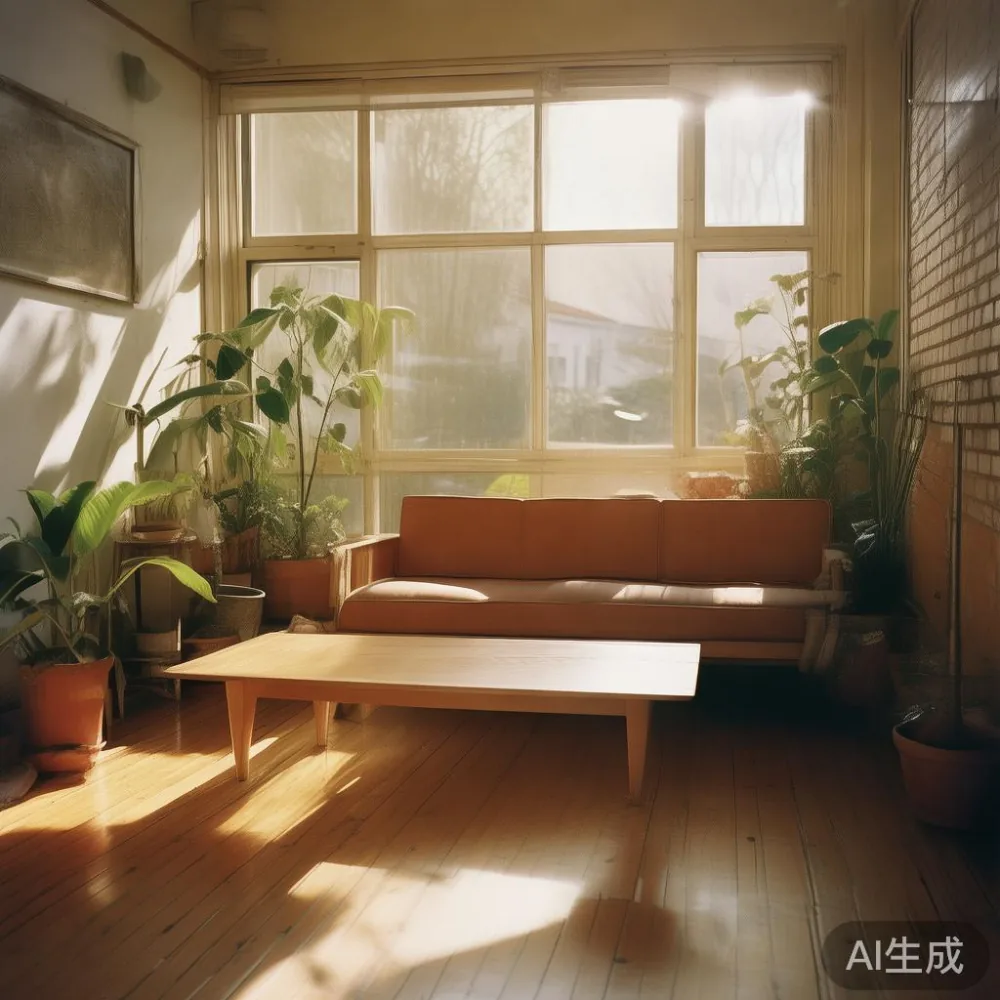
Singapore’s relative humidity commonly ranges from about 60% to 85%, while daytime outdoor temperatures can approach 31–34°C. Lacquer is less porous than an unfinished oil or wax finish, which is helpful, yet the timber beneath it can still react to changes in moisture. A sealed surface is not completely moisture-proof, especially around joints, edges, table leaves, and cabinet backs.
Water exposure matters as much as humidity. A chilled glass can leave a ring within minutes. Condensation from an air-conditioner may travel down a wall or cabinet side, while salt-laden moisture near windows encourages grime to settle on the finish. UV light can also weaken resin binders and fade pigments over time.
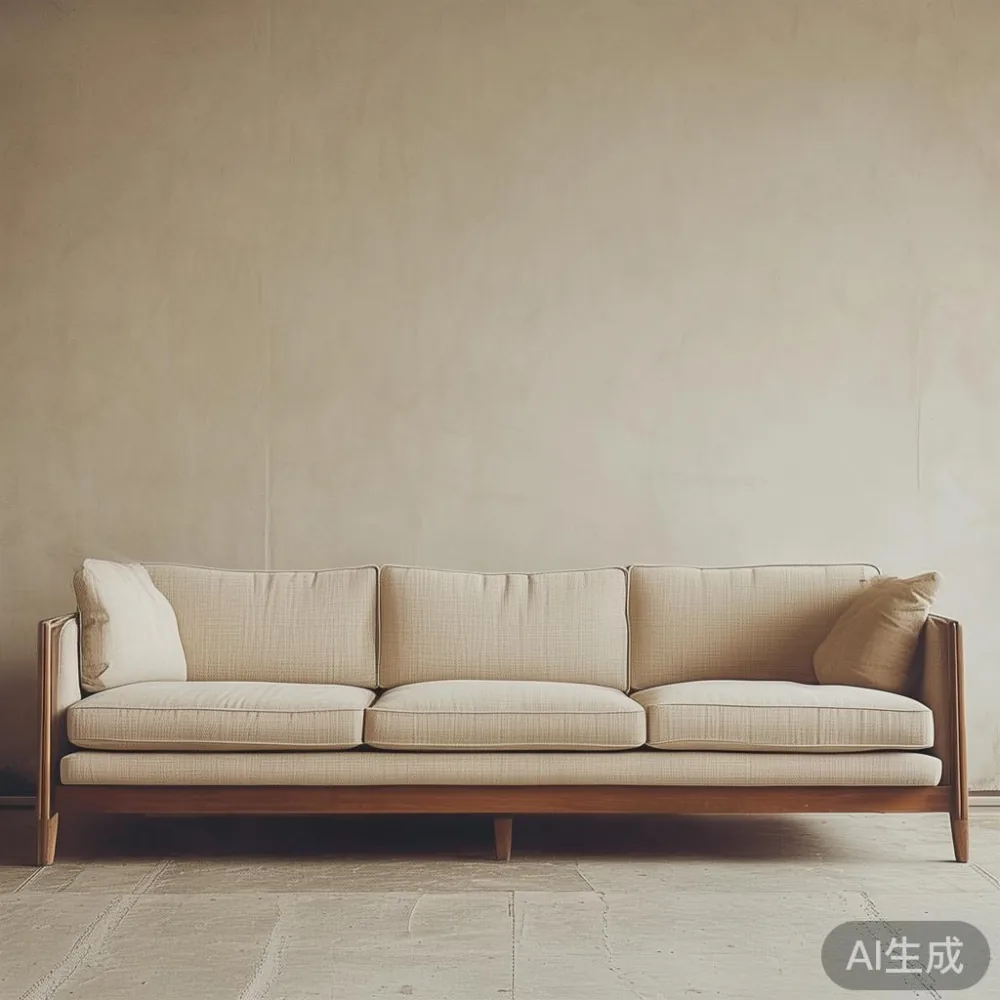
Residential layouts add another layer. Narrow HDB corridors, often around 90–120 cm wide, mean large furniture is usually delivered in sections or assembled inside the home. Lifts may measure roughly 80–110 cm across the door opening, so removable lacquered components must be protected during the move. If a dining table has to travel through a Punggol lift lobby, check the package dimensions before bringing it upstairs.
Light-luxury design is not only about visual polish. French light luxury often uses clean contours and balanced proportions; American light luxury leans towards generous comfort and crafted joinery; post-modern light luxury may pair strong silhouettes with controlled colour and metal details. Across these approaches, the finish should remain calm and consistent rather than looking patchy or tired.
How do I identify the lacquer before cleaning it?
Begin by identifying the coating before placing anything wet on the surface. Spray lacquer, nitrocellulose lacquer, and conversion varnish have different sensitivities. Water-based lacquer may tolerate a lightly damp cloth, while older solvent-based finishes can be damaged by alcohol, ammonia, or household degreaser.
Look for these signs:
- Gloss: a bright reflection with little visible grain may indicate lacquer over a prepared substrate.
- Surface feel: a smooth, hard coating does not absorb water like unfinished wood.
- Edges: careful inspection with a 10× magnifier can reveal tiny cracks, lifting, or a colour change around exposed timber.
- Underneath: lightly lifting an unattached sticker near a concealed edge may reveal whether the colour sits in the coating or throughout the wood.
Test any cleaner on a hidden area measuring about 5 × 5 cm. Use a white cotton cloth, dampen it with cleaner, and rub no more than 5 times. Wait 30 minutes, then compare the area with the surrounding finish under daylight. Avoid testing with a fingernail, because pressure can scratch a cured lacquer.
If the finish feels tacky, peels, or has already blistered, stop applying household cleaners. Photograph the affected area from 20 cm away and include a close-up of the edge. A refinishing assessment is more useful than repeated chemical treatment.
What is the safest daily cleaning routine?
Use a two-cloth method. Wrap a clean microfibre cloth around your palm and apply a small amount of cleaner to the cloth, not directly to the furniture. A folded 20 × 20 cm cotton cloth underneath can reduce pressure on delicate surfaces.
For routine dust, a dry microfibre cloth is usually sufficient. For fingerprints and light marks, use pH-neutral wood cleaner designed for lacquer, diluted according to its label. Wipe in the direction of the grain and immediately follow with a second dry cloth. A well-maintained solid wood nightstand should take under 2 minutes to wipe down.
Keep liquids away from the lacquer even when using a damp cloth. Do not allow water to pool around a plinth, drawer runner, toe kick, or the seam of a wardrobe. Clean spills within 60 seconds rather than letting them cool, dry, and harden.
Several common products need caution:
- Water: useful for a lightly damp wipe on a compatible lacquer, but excess moisture can enter hairline cracks.
- White vinegar: acidic and unsuitable for some coated surfaces, especially shellac.
- Rubbing alcohol: may soften or dull solvent-based lacquer.
- Window cleaner: often contains ammonia or alcohol and should not be used unless the furniture maker confirms compatibility.
- Baby wipes: fragrances and moisturising ingredients can leave a hazy residue.
Clean one area at a time and use a different cloth section for the next piece. This prevents furniture polish from transferring between a dining table and a marble table.
How should I manage heat, sunlight, and humidity?
Place lacquered furniture at least 60 cm away from a window or sliding glass door where possible. Direct tropical sun can be intense enough to raise the surface temperature by more than 10°C. If a bed frame must sit near a bright bedroom window, use curtains with a tested UV filter and avoid darkening the frame during the strongest hours from about 11 a.m. to 3 p.m.
Keep air moving. A room maintained at 26–28°C and 50–65% relative humidity offers a more stable environment than one that fluctuates rapidly. Portable hygrometers placed near the living room and bedroom should show a sensible reading. In tightly sealed HDB units, run the air-conditioner regularly and dry the space after the evening shower.
Do not place a wardrobe directly against a cold wall without a 3–5 cm ventilation gap. Air vents should remain clear, and indoor plants should stand on a tray rather than beside the lacquered base. If you are working out how to style French wardrobe in apartment, allow space for its doors to open and for air to circulate behind the carcass.
Use felt pads under coasters and trivets. Trivet arms should measure at least 15 × 15 cm, and a hot mug should never rest directly on the finish. For bedroom pieces, position the nightstand so that an air-conditioner’s condensate cannot drip onto its top. If you are exploring how to style Japandi bed in apartment, consider low, simple forms that leave ventilation space and preserve a clear path of at least 60 cm.
Can I repair small scratches, chips, and dull patches?
Minor surface marks can often be treated with the correct polish, but a generic wax or “wood polish” is not automatically suitable for lacquer. Wax can create a patchy shine, and silicone-based products may make future cleaning harder.
For a faint fingerprint or dull smear, try a lacquer-safe polishing cloth with light pressure. Follow the product instructions and test first. If the mark remains, it may be a scratch exposing lower layers rather than a removable deposit.
Use a wax pencil matched to the finish only when the furniture maker confirms the coating type. Fill tiny chips measuring less than 2 mm, then allow 24–48 hours for the repair to settle. Deep scratches, broad dull zones, or lifting require professional assessment. Applying colour, oil, or paint over lacquer can trap moisture and create a visible patch.
Professionals can also handle lacquer over a marble table, provided the stone and coating are treated separately. A neutral pH cleaner is generally appropriate for marble, but acidic liquids can etch the stone. Never use furniture oil on marble; it can leave a greasy film that becomes difficult to remove.
What should I do if lacquer starts peeling or bubbling?
Peeling and bubbling usually indicate a more complex issue: moisture trapped below the coating, poor adhesion, incompatible cleaning, or an impact that damaged the surface. High humidity and a failed edge seal are common contributors. Repeatedly wiping the area will not restore adhesion.
Stop using all cleaners, move the piece away from damp walls, and improve ventilation. Keep pets and children away from the area. For a nightstand, avoid books, plants, and damp clothing on the top. For a dining table, place protective mats over a stable section while arranging professional assessment.
MIDHILL’s lifetime refinishing service gives customers a route for restoring eligible furniture through its refinishing process. Availability and scope should be confirmed before any work begins. The 10-year structural warranty covers structural integrity, not ordinary finish wear, so photographs, purchase records, and care notes remain useful.
Budget for a full refinishing assessment from a qualified lacquer specialist. Local service costs vary with the piece, access, and repair method, so request a written quotation in SGD before authorisation. For residents outside Singapore, long-distance furniture transport can add more than 5 days, making local assessment practical.
How do I move lacquered furniture through lifts and corridors?
Measure before delivery. Record the corridor width, lift door width, lift car dimensions, turns, stair width, and doorway height. A standard HDB lift may require the solid wood sofa to enter as separate sections, while a bed frame may need the headboard detached from its rails. Use blankets at least 5 cm thick and corner protectors rated for the item’s weight.
Do not tape directly onto lacquer. Adhesive can lift the finish or leave residue, particularly after heat exposure. Wrap the outer surface in a clean blanket, secure it with straps, and avoid dragging the piece across a corridor. Two or three people should control a dining table weighing 45–90 kg; a larger marble table may require more than 4 people and a professional mover.
Protect the floor with rigid boards or purpose-made sliders. Lift furniture by its frame or designated structural points rather than by the lacquered edges. Keep feet at least 10 cm above wet cleaning routes. After moving, leave the piece in place for 2–4 hours before loading it with objects so that trapped moisture can evaporate.
How do I keep lacquer looking refined in a compact home?
Good care is part of the styling. A mid century modern dining table can remain the visual anchor in a compact kitchen-dining area if clutter is kept on a 40 cm-deep console. A solid wood sofa benefits from coordinated textile protection, while a bed frame should have a breathable rug that stops 5 cm short of the timber to allow movement.
When comparing proportions, light luxury sofa vs Nordic sofa is not simply a choice between two labels. Light luxury often emphasises a tailored appearance and subtle material contrast, while Nordic design may favour softer forms and a relaxed atmosphere. A Japanese sofa may suit a smaller living room, but the decision should account for dimensions, usage, and aftercare rather than style alone. If you are asking is Japanese sofa worth it, compare the seat depth, frame warranty, cushion maintenance, and the space available in your home.
For fabric ideas, how to style light luxury sofa in room can be answered with restrained accents: 2 patterned cushions, 1 textured throw, and a rug large enough to bring the front legs onto it. Keep palette and finish maintenance connected. A deep lacquer colour can pair with warm neutral textiles, while a pale surface needs coasters, careful sunlight control, and frequent wiping.
Use the same discipline with every category. A wardrobe should have its back ventilated, a nightstand should be wiped dry, and a dining table should be protected from heat. A marble table needs its own stone-safe products and should never be treated with oil intended for wood.
What is a practical tropical maintenance schedule?
A simple routine prevents most finish problems:
- Daily: remove coasters, wipe spills, and check for condensation.
- Every 2–3 days: dust reachable lacquered surfaces with a dry microfibre cloth.
- Every 2 weeks: clean hand-contact areas using a tested, pH-neutral cleaner.
- Every 3 months: inspect edges, joints, and undersides with a flashlight.
- Every 6 months: check humidity with a hygrometer and review UV exposure.
- Every 12 months: arrange a finish assessment for high-use pieces.
Record the products used, dilution ratios, and dates. This creates a care history that helps a refinisher distinguish a cleaning issue from moisture failure. Keep cloths in labelled bags so cleaner residue is not accidentally applied to another surface.
For Singapore homeowners, the most effective combination is controlled indoor humidity, distance from direct sun, immediate spill removal, and manufacturer-compatible products. MIDHILL’s solid wood dining table, bed frame, sofa, wardrobe, nightstand, and coordinated pieces are built around longevity, while its warranty and refinishing support offer additional reassurance. Used consistently, that approach keeps lacquered furniture looking composed and serviceable through Singapore’s year-round climate.