How to Care for Lacquered Wood in a Tropical Home
Lacquer can give a mid century modern solid wood sofa, bed frame, dining table or wardrobe a polished architectural finish. In Singapore, however, heat, humidity, ultraviolet light, salt residue and constant air-conditioning can make careful maintenance more demanding. The lacquer may look glass-smooth on delivery day, yet its long-term appearance depends on sensible habits, compatible cleaning products and attention to the coating itself.
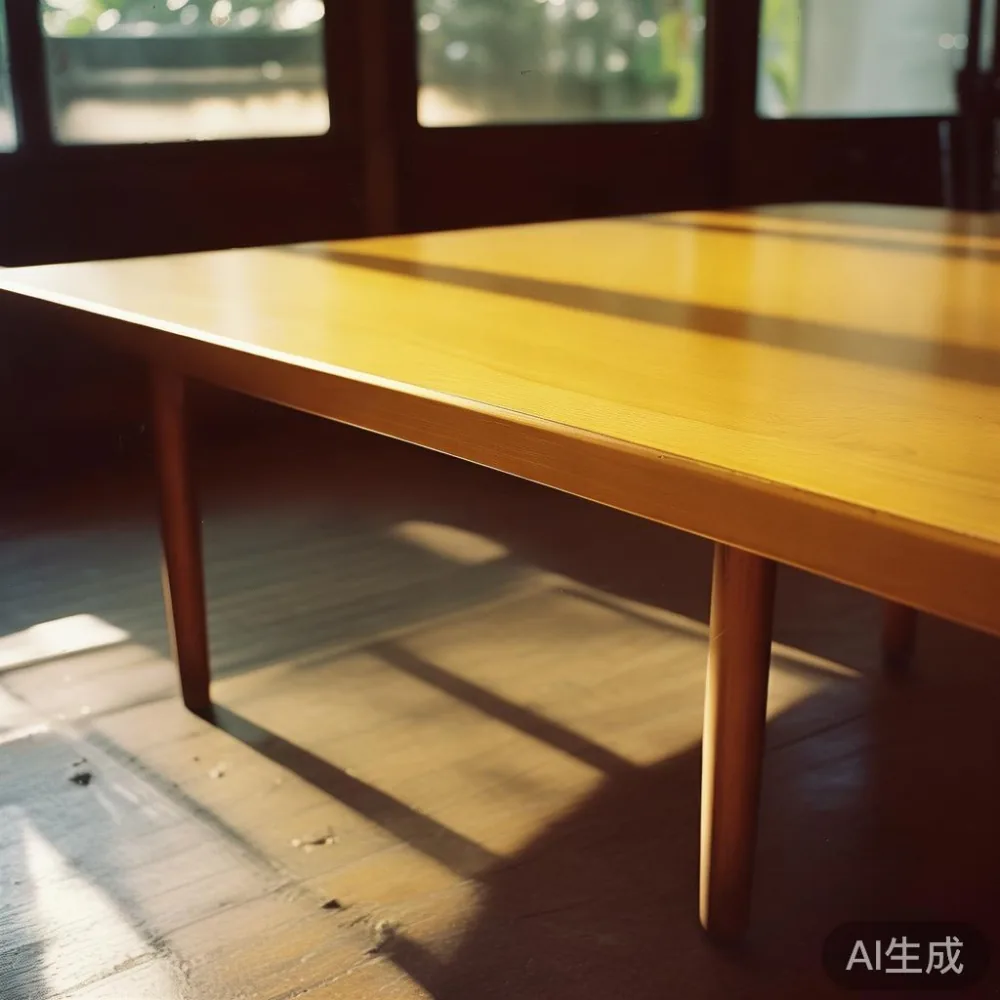
This guide explains how to care for lacquered furniture in HDB flats and private condos across Tampines, Bedok, Punggol and other Singapore neighbourhoods. It also considers narrow lift doors, shared corridors, condensation and the practical reality of moving a solid wood dining table into a high-rise home. MIDHILL pieces carry a 10-year structural warranty and lifetime refinishing support, but routine care remains the most economical way to preserve the surface.
Why Does Singapore’s Humidity Affect Lacquer?
Singapore’s annual relative humidity commonly ranges from roughly 65% to 85%, while midday temperatures can reach 31°C to 34°C. Lacquer is less porous than unfinished timber, but its finish, joints and underlying wood can still respond to changes in moisture. A sudden shift from a cool corridor at 24°C to a warm balcony at 30°C may not damage a sound coating immediately; repeated and rapid changes can encourage movement beneath it.
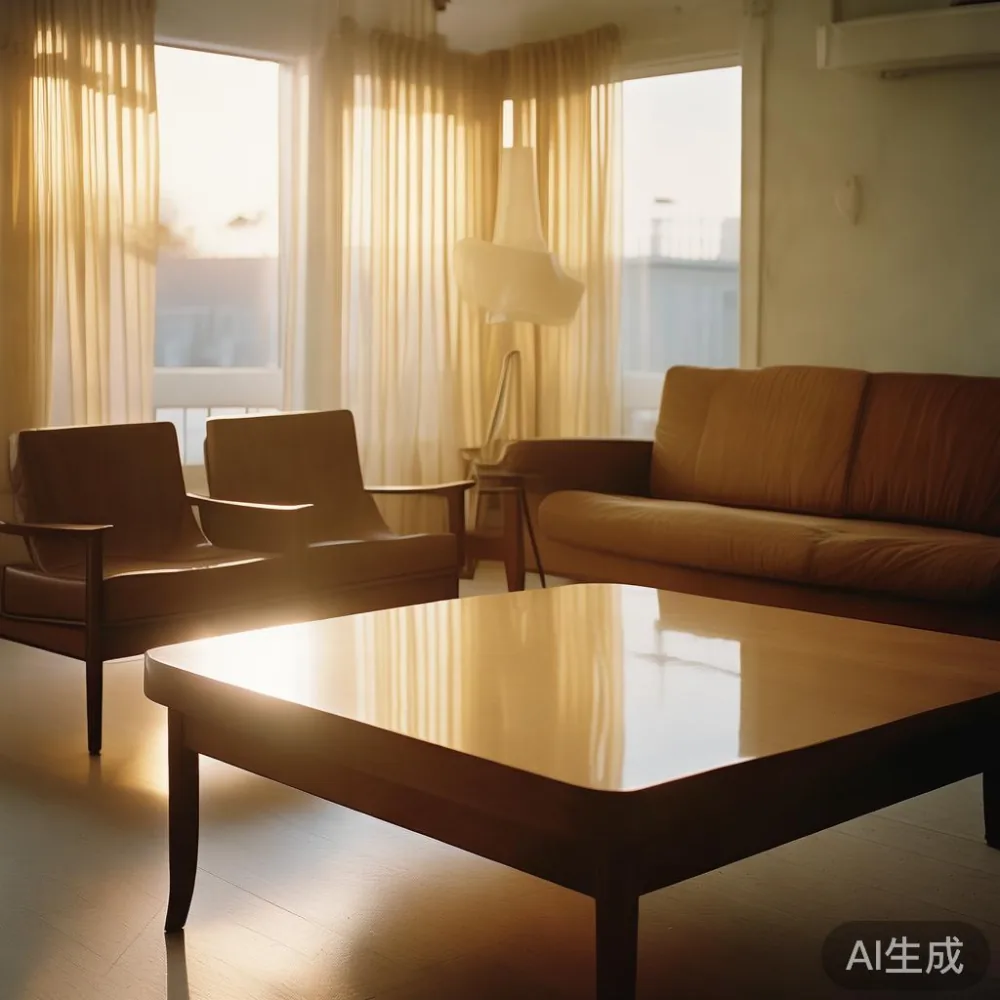
The risk increases when furniture sits beside a west-facing window, near a bathroom or on an exterior wall that remains warm after sunset. Air-conditioning helps because it reduces humidity, although the direct draught from a vent can dry one side of a solid wood sofa or bed frame more quickly than the other. A sensible indoor target is about 50% to 65% relative humidity, measured with an inexpensive hygrometer placed near the furniture rather than against a wall.
Sunlight is another factor. Prolonged exposure can fade colour and create a noticeable contrast between the covered and exposed sides of a lacquered dining table or nightstand. Keep pieces at least 60 cm away from windows where layout permits, and use sheer curtains with a UV filter. Avoid placing hot objects directly on lacquer, including a laptop that runs at 40°C to 45°C, a warm lamp or a mug straight from a boiling kettle.
What Is the Safest Way to Clean a Lacquered Surface?
Start with a soft, lint-free microfibre cloth, preferably 20 cm to 30 cm square for reaching around trim and table edges. Dust the surface every 7 to 10 days. Wipe with a clean cloth lightly dampened with water and a small amount of mild dish soap; 1 teaspoon mixed into a 500 ml spray bottle is sufficient. Spray the cloth rather than the furniture, then dry immediately with a second cloth.
Never soak a lacquered surface. Do not use silicone spray, furniture polish containing silicone, ammonia, bleach, alcohol, acetone, abrasive pads, scouring powder or “paint thinner” unless MIDHILL specifically approves the formula for a particular finish. These substances can soften the lacquer, dull its sheen or leave a sticky film. Cleaning a solid wood bed frame, wardrobe or nightstand should involve small sections of about 30 cm by 30 cm, so any problem can be identified quickly.
For marks, test an inconspicuous area first. Water-soluble dust can usually be removed with the mild-soap method within 30 seconds. For an accidental stain, avoid scrubbing for more than 10 seconds. If the mark remains, contact MIDHILL with a photograph and a description of the product before trying another chemical. This is especially important for a high-gloss lacquer, a wire-brushed solid wood table or a marble table whose stone and coating require different care.
Spills should be addressed at once. Blot rather than rub, lift the liquid, and dry the area with a clean cloth. Wipe acidic drinks such as orange juice, cola, wine and vinegar promptly because their pigments and acids can stain an unprotected lacquer within 15 to 30 minutes. Coasters and trivets provide the simplest daily protection.
How Do You Remove Small Scratches Without Damaging the Finish?
Fine surface scratches on lacquer can sometimes be reduced with a clean microfibre cloth and a product expressly intended for that lacquer type. Apply no more than a 1 cm dab to an invisible area and wait 2 minutes before testing with light pressure. The finish should not become tacky, change colour or smell strongly solvent-like. If it does, stop immediately.
It is risky to grind lacquer at home. Sanding with 400-grit paper may flatten a high-gloss surface, while 800-grit and 1200-grit steps can still leave swirl marks under Singapore’s bright light. Deep scratches, lifting edges, bubbles or a finish that has separated from the wood belong with a refinishing professional. MIDHILL’s lifetime refinishing service is relevant here, although the service terms should be confirmed for the specific product and location.
Use a desk mat beneath a laptop, felt pads beneath ornaments and a stable coaster under table lamps. Replace felt pads every 6 months because trapped grit can abrade lacquer. Do not drag a solid wood dining table over tile or carpet; lift it with enough helpers or use furniture sliders rated for its actual weight. A 6-seat table may weigh 75 kg to 120 kg, and a king-size bed frame may exceed 80 kg, so each person should have a clear path and grip.
Last month I visited a family in Punggol and tested a lacquered MIDHILL bedside unit against three cloths: a polyester cloth, a cotton cloth and a microfibre cloth. The polyester cloth left visible lint after 10 circular wipes, while the microfibre cloth lifted the same dust with lighter pressure. The unit had been beside an east-facing window with the curtain partly open. This small test reinforced a practical rule: use microfibre, keep the window protected and change cleaning habits before trying to repair the finish.
Does Moving a Lacquered Table into an HDB Flat Cause Damage?
Delivery route planning can prevent most damage. Measure the lift car, lift doors and corridor before dispatch. A common HDB lift opening may be around 90 cm wide and 210 cm high, but building-specific dimensions vary, so check on site. A dining table should ideally enter as separate sections. If its widest rigid section exceeds 85 cm, it may not clear a narrow turn even when it fits the lift car.
Measure the route from the loading point to the flat, including the lobby turn, fire door and apartment entrance. Add 10 cm of clearance for handholds and protective wrapping. The delivery fee may include a lift or stairs surcharge, and GST applies at the prevailing rate. Confirm whether assembly is included rather than assuming a furniture mover will dismantle and reassemble a lacquered piece at no charge.
Wrap lacquered parts individually with moving blankets, corner guards and stretch film. Do not tape directly to the finish; adhesive can lift lacquer when removed. Keep hardware in a labelled bag and photograph every joint before separation. For a 120 kg table, use 3 to 4 capable people and a properly rated dolly. Never use a marble table as a workbench or lift it by its decorative edge.
MIDHILL offers delivery in Singapore with stated timing, and orders above US$350 qualify for free shipping under the brand’s published policy; the checkout should show the actual SGD total and GST. For a local buyer, compare that amount with independent furniture movers over a 5- to 10 km route. The relevant cost is not merely vehicle hire; it includes padding, lift booking, stairs, disassembly and the risk of scratching a lacquered edge.
How Should You Place Lacquered Furniture in a Condo or HDB Home?
Keep lacquered furniture away from permanent outdoor exposure. Even a covered balcony in Singapore can experience 28°C to 33°C temperatures, strong reflections and wind-driven rain. A lacquered dining table or bed frame should therefore remain indoors if possible. If balcony use is unavoidable, use a covered, ventilated position and wipe away moisture after rain, rather than expecting an awning to create indoor conditions.
Leave 5 cm to 10 cm between furniture and a wall where practical. This permits airflow and makes cleaning easier. A solid wood wardrobe in a compact Tampines flat may need its doors checked periodically, especially if it stands beside an air-conditioner. Watch for a 2 mm to 3 mm gap at the top or side, a door that no longer closes squarely, or a faint haze that suggests trapped moisture.
Consider the orientation of the room. East-facing areas receive gentler morning light, while west-facing rooms carry a greater afternoon UV load. A north-facing room is usually more stable, though Singapore’s climate still makes ventilation important. Keep lacquered pieces out of direct air-conditioner airflow and away from kitchen steam. In an open-plan condo, a dining table within 2 metres of a gas hob may collect grease that ordinary dry dusting will not remove.
For coordinated interiors, compare a solid wood sofa with a lacquered dining table rather than placing every high-gloss item in one room. Matte textiles, warm timber and a restrained stone accent can prevent the space from becoming visually hard. The same approach applies to French light luxury styling: pale upholstery, slender forms and fewer decorative objects can complement lacquer without crowding it.
How Do You Keep Lacquer Looking New Through Humid Months?
Make a simple weekly and monthly care routine. Daily, remove coasters, cups and small objects after use. Weekly, dust with a dry microfibre cloth and check under table mats. Monthly, clean accessible lacquer with diluted mild soap and inspect the edges of a wardrobe, nightstand, dining table, bed frame and marble table for chips or lifting.
Open bedroom windows only when outdoor humidity is lower than indoor humidity, and close them when rain approaches. Run the air-conditioner in dry mode if the model supports it. Aim for indoor readings around 50% to 60% in the evening and 60% to 65% during more humid periods. Avoid abrupt transitions: if a cabinet is moved from an air-conditioned room to a hot corridor, leave it in the stable room until it has acclimatised rather than opening all doors immediately.
For seasonal maintenance, apply a compatible lacquer protectant only after checking MIDHILL’s finish specification. One thin application is better than several heavy coats, which can create an uneven appearance. Allow the product to cure for the label’s stated period, often 24 to 72 hours, before placing objects on the surface.
Warranties and care instructions should be read together. A 10-year structural warranty addresses structural integrity, not every scratch, stain or coating failure caused by misuse. Lifetime refinishing support can help restore appearance under its service terms. Keep the original order record, finish sample, maintenance notes and delivery photographs for at least 5 years; retaining them for the life of the piece makes a claim easier to assess.
How Do You Style a Lacquered Bedroom Without Overlooking the Finish?
A lacquered bed frame works well with restrained bedding and warm lighting. Use a 3000 K to 3500 K bulb at low brightness to preserve the visual depth of the finish, and avoid a cool 5000 K lamp directly above the headboard. A nightstand should sit within 40 cm of the bed so a phone or glass of water does not need to cross the room, but leave enough space for the drawer to open by at least 35 cm.
When planning how to style Japanese wardrobe in room layouts, vertical proportions and closed storage matter more than adding many ornaments. A full-height lacquered wardrobe can suit a compact bedroom if the doors are not overly ornate and the hardware stays minimal. If searching for how to style Japanese wardrobe in room design across HDB interiors, combine pale timber, a single textile layer and uncluttered circulation around the wardrobe doors.
French light luxury often introduces curved silhouettes, upholstered surfaces and gentle contrast. Here, French light luxury should guide the bedroom mood rather than compete with the lacquer’s reflection. For anyone comparing an American bed vs Modern bed, weigh the frame profile, clearance, mattress support and the finish under local humidity; appearance alone should not decide the choice. A solid wood bed frame with well-ventilated joints may suit a humid room better than a design that traps moisture around its base.
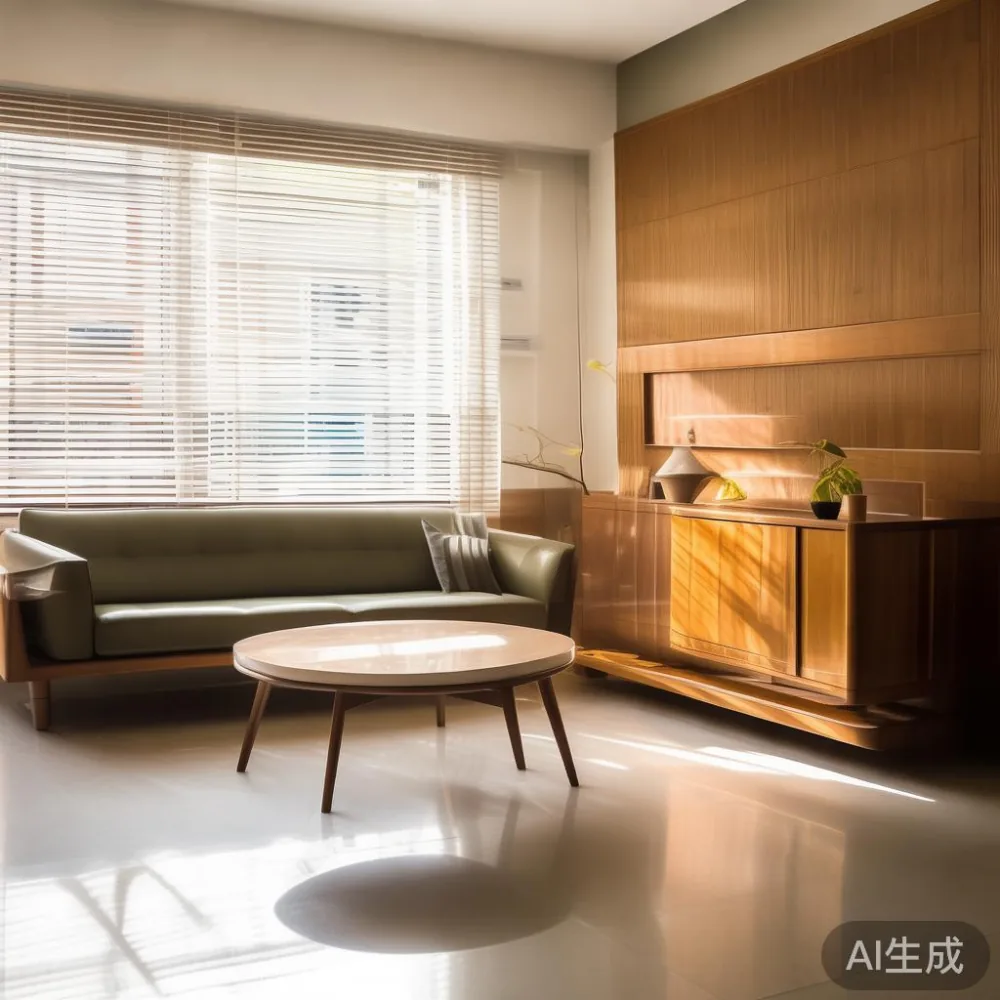
For the living area, a solid wood sofa in mid century modern proportions can balance a glossy dining table without making the room feel overly formal. Anyone searching for the best Minimalist sofa for 2026 should consider seat depth, maintenance and fabric choice rather than treating a trend label as a performance test. Keep at least 60 cm of walking space between the sofa and coffee table in a compact HDB living room.
What Should You Do If the Lacquer Begins to Bubble or Peel?
Stop using moisture-based cleaners and move the furniture away from heat. Do not press the bubble, scrape it with a knife or cover it with tape. Photograph the affected area, record its approximate size, and note when it appeared. A bubble of 5 mm may indicate a different issue from a 50 cm patch, and accurate information helps MIDHILL determine whether spot repair or refinishing is appropriate.
If the piece has been outdoors or exposed to a leak, remove nearby objects and let the area dry naturally with airflow. Do not aim a fan directly at the finish at high speed. Keep people and pets away until the surface is dry. A lacquered wardrobe should not be pressed against while drying because the door and panel may move at different rates.
For advice about sourcing, a MIDHILL sofa should be assessed by its frame, suspension, dimensions, fabric and finish care requirements. Buyers looking for the best Modern light luxury furniture should also confirm movement, warranty and after-sales terms, not simply rely on a showroom photograph. For anyone researching wholesale light luxury furniture, request moisture-performance information, packing method, replacement hardware and service coverage in writing.
Singapore’s climate calls for prevention rather than constant repair: protect the surface from sunlight, heat, water and abrasive grit; control humidity where possible; and inspect lacquer every 30 days. That routine helps a mid century modern dining table, bed frame or nightstand retain its clarity for years, while careful moving keeps the coating intact from the corridor to its final position in the room.