How to Care for Lacquered Wood Furniture in a Tropical Home
Singapore’s humidity can make a lacquered surface look dull faster than most owners expect. Afternoon sun through a Tampines HDB window, sea air around Bedok, and a condensation-drying air conditioner in a Punggol condo can all affect the finish on a mid century modern dining table, wardrobe, or solid wood sofa. The wood underneath may remain stable while the clear lacquer develops a hazy film, develops fine scratches, or develops white marks around a wet glass.
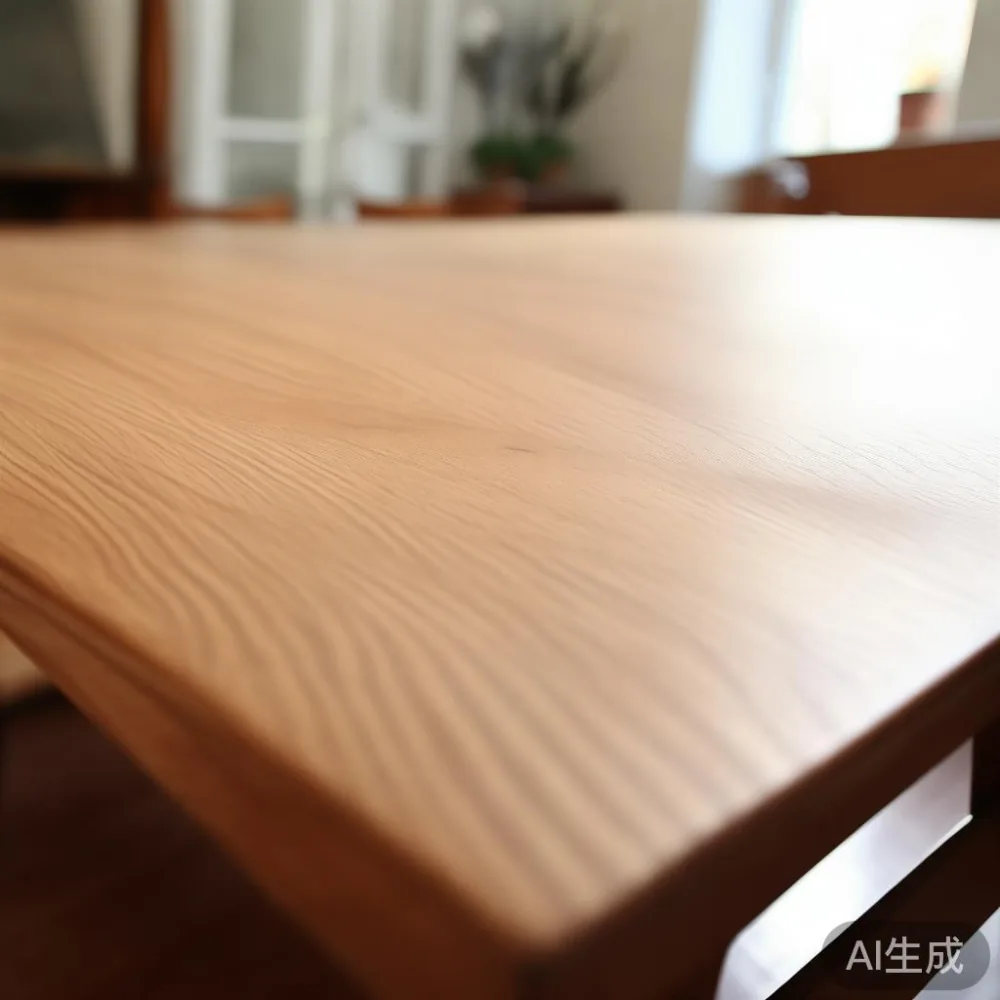
Lacquer is not a waterproof membrane. It is a protective coating that still needs sensible care, particularly when polished surfaces are placed near windows, dining areas, and high-traffic circulation routes. MIDHILL designs lacquered pieces with the proportions and practical character associated with mid century modern furniture, but owners can extend the finish’s good appearance with a simple routine.
This guide covers cleaning, humidity control, heat exposure, scratch treatment, and moving practices for Singapore homes. It also considers the realities of HDB lift dimensions, condo corridors, GST, and the amount of protection needed for furniture used every day.
Does humidity damage lacquered wood furniture in Singapore?
Humidity does not automatically ruin lacquer. A finished solid wood dining table can tolerate ordinary seasonal variation, but repeated moisture exposure weakens the interface between lacquer and wood. Water that remains beneath a coaster, around a plant pot, or inside a closed wardrobe can encourage swelling, edge lifting, or a dull, cloudy appearance.
Singapore’s outdoor relative humidity commonly reaches 80–90% during more unsettled weather, while an air-conditioned bedroom may be around 22–26°C. The important point is not a perfect reading on one day; it is the repeated movement between humid and dry conditions.
Keep lacquered furniture at least 60 cm from an open window if rain can enter, and 90 cm from a window with direct afternoon sun. For a frequently used dining table, place it away from an air-conditioning vent that blows directly across the top. If condensation appears on the glass in the evening, move the table or use a blind rather than leaving a moisture-catching cloth in place.
Do not use a dehumidifier as a substitute for basic care. An air conditioner already lowers humidity in many flats, and adding another device may create excessively dry conditions. A modest target of 50–65% relative humidity, supported by sensible ventilation and separation from damp walls, is more useful than chasing a temporary weather reading.
For tall wardrobes in HDB bedrooms, leave 3–5 cm behind the unit where the wall is cool and damp. In a condo, check the balcony door seal and keep the wardrobe 20–30 cm away from the door if there is visible condensation. Leave enough clearance for the rear ventilation specified in the product instructions.
What is the safest way to clean a lacquered surface?
Use a soft, lint-free microfibre cloth, clean water, and a small amount of mild dishwashing liquid. Mix roughly 1 teaspoon of detergent with 500 ml of warm water, dampen the cloth, and wring it until it is merely damp. Wipe in the direction of the grain or along the length of the panel. Then use a second clean cloth to remove residue.
The cloth should never leave visible water behind. A lacquered nightstand can show rings if a damp cloth is left to dry in one position. Work across the top in overlapping sections, then dry the surface with a separate cloth. For a marble table top, use a neutral stone cleaner rather than acidic household products; citrus cleaners can etch marble even when the lacquered base is safe.
For daily care, a dry microfibre cloth is enough. For a weekly clean, use the diluted solution above. Avoid silicone sprays, furniture polish with an oily residue, ammonia, bleach, alcohol-based cleaners, abrasive pads, and scouring powder. These products can strip gloss, scratch the topcoat, or leave a patchy film that attracts dust.
Test any cleaner on a hidden 5 cm by 5 cm area and wait 24 hours. The test is particularly sensible for a lacquer finish with a brushed texture, a deep gloss, or a smoked tone. If the mark changes, stop using the product.
Coasters and placemats remain the most economical protection. Use felt or cork underneath coasters and hot pans. A 10–12 cm trivet gives a warm serving dish enough clearance from the lacquer. Wipe spills within 5 minutes, especially soy sauce, red wine, oil, and water with tea or coffee. Lift coasters and dishes instead of dragging them.
How should scratches, marks, and dull patches be treated?
First identify whether the mark is in the lacquer, in the wood beneath, or merely on the surface. Fine superficial scratches can sometimes be reduced with careful polishing, but deep scratches that expose timber should not be treated as a household polishing problem.
For a light scuff, try a clean microfibre cloth with a very small amount of silicone-free furniture polish recommended for lacquer. Apply it to the cloth, not directly to the furniture. Use light pressure for 20–30 seconds, then inspect the result. A second application can increase the risk of uneven gloss, so stop after one test.
White marks caused by moisture may disappear as the water evaporates. Do not scrub aggressively. If a mark remains after 48 hours, contact the finish specialist with photographs and measurements. Deep gouges, lifted edges, burns, and large water stains are better repaired under controlled conditions.
MIDHILL offers lifetime refinishing on qualifying pieces. That service can restore a lacquered solid wood bed frame, dining table, nightstand, or wardrobe after years of use, subject to the product’s coverage terms. Photograph the damage, record the approximate date, and provide the finish type if known. Keep the furniture in use with protective measures while an assessment is arranged; repeated DIY attempts can make a small repair less predictable.
For a distressed or rustic finish, matching a repair is a different process from restoring an intact lacquer. A search for the best Rustic bed for 2026 can surface attractive carved timber, but a new rustic bed and a lacquered mid century modern bed frame should not be judged by the same repair method. The finish type, grain direction, and coating thickness must be identified before any abrasive work begins.
How can I move a large lacquered piece through an HDB flat or condo corridor?
Measure before booking a mover. A standard HDB lift internal floor area is often around 1.1–1.4 m by 1.4–1.7 m, with a door width of roughly 0.8–0.9 m, although individual blocks vary. Condo service lifts may be larger, but a 2.4 m corridor turn can still be the limiting point.
Measure the furniture at its widest point, including feet, rails, and handles. Record the lift door width, lift cabin depth and diagonal, corridor width, landing turns, staircase width, and the narrowest doorway. For a long dining table, check whether it can be tilted safely without twisting the lacquered top. For a large wardrobe, remove doors only if the manufacturer permits it and label every hinge and fitting.
Protect the piece with moving blankets, corner guards, and a thin rigid board over the lacquered face. Do not tape directly onto the finish. A 2 m table can be managed by 2–3 people if the route is clear; a tall wardrobe may need 3–4 people and a professional mover. Never lift a wardrobe by its doors or by thin rails.
Protect the wall and floor with clean cardboard or a hard protective sheet. Remove rugs from the route and keep food, footwear, and wet laundry out of the corridor. Singapore’s frequent rain can make an exposed loading area slippery, so move furniture under cover and watch for condensation on the packaging.
Buyers comparing options under 2000 French furniture may focus on price labels, but local delivery matters more than showroom distance. Confirm whether the quoted amount includes GST, stair handling, lift reservation, and assembly. For MIDHILL purchases, shipping is free above US$350, and returns are accepted within 14 days under the stated policy. Allow 3–7 delivery days in Singapore once the piece is ready, with an additional 7–14 days for made-to-order or refinished items.
How do sunlight, heat, and plants affect lacquer?
Ultraviolet light fades colour and can make a glossy finish look uneven. Direct sun can also raise the surface temperature enough to soften some coatings or accelerate adhesive ageing. Keep a lacquered wardrobe or sideboard out of a sunbeam from approximately 11 a.m. to 4 p.m. If the layout requires a table near a window, use a lined blind and rotate small decorative objects so they do not permanently darken one section.
Heat should be managed even away from windows. A hot laptop, a steaming kettle, and a warm lamp can leave an imprint. Give a lamp base a 15 cm buffer and use a heat-resistant trivet. Outdoor kitchens and humid balconies are poor environments for an untreated lacquered surface unless the product is specifically rated for them.
Plants are safe when watering is controlled. A plant in a pot with drainage can sit on a lacquered nightstand if a waterproof saucer is used. Lift the pot for watering, empty any outer cachepot, and keep the base away from the surface for at least 30 minutes. A 40–60 cm plant placed on a dining table adds weight and moisture risk, so a side stand is usually the better choice.
Do not place a lacquered marble table directly beside a frequently opened refrigerator or air-conditioner cold-air outlet. Condensation and abrupt temperature changes can affect stone sealers and adjacent lacquer. Use the room’s natural light as the main source, with a layer of lighting that avoids a concentrated hot spot.
How do I keep a mid century modern interior practical as well as refined?
Refined furniture survives daily routines when those routines are considered at the design stage. A mid century modern solid wood sofa should have its back at least 15 cm from a wall to allow ventilation, but not so close that cleaning becomes difficult. A dining table needs 90 cm of circulation space on the main side and 60 cm on less active sides. In a compact HDB dining area, a table around 120–140 cm wide can serve 4 people more comfortably than an oversized model.
Wardrobe fronts should have 70–90 cm of clear floor space for opening, depending on the hinge and drawer design. A nightstand should fit within reach, usually 40–60 cm from the bed edge, without blocking a walkway. These dimensions also make it easier to wipe surfaces and move pieces for cleaning.
For a Japanese-influenced sitting room, low seating and pale timber create a calm composition. Searching for how to style Japanese sofa in apartment is useful when choosing a compact sofa, but the practical finish still matters in Singapore’s climate. A Japanese sofa in apartment settings should have removable washable covers, breathable cushioning, and a lacquered timber base kept away from damp flooring.
A European wardrobe in apartment layouts should have internal divisions matched to actual clothing sizes. Searching for how to style European wardrobe in apartment can lead to full-height doors and deep compartments, but a 2-door wardrobe around 120–150 cm wide may suit a Singapore bedroom better than a much larger unit. Check that the doors can open without striking a bed or air-conditioner.
Italian light luxury for dining room styling can be interpreted through proportion, stone, and clean joinery rather than excessive decoration. A marble table, solid wood dining chairs, and one sculptural pendant can create the mood. Keep food preparation away from the stone edge, and avoid dark mats that trap heat. The result should feel composed after a normal weekday, not only after a professional clean.
What should a pre-delivery lacquer inspection include?
Inspect the piece before accepting delivery. Check the top, sides, underside, edges, and areas behind the legs. Look for cloudiness, colour variation, pinholes, scratches, dents, lifting at the perimeter, and water marks. Measure the furniture and confirm that it fits the intended route rather than discovering a corridor problem after the lift is booked.
Ask the supplier about the lacquer system, expected care products, repair scope, and warranty. MIDHILL was established in 2008 and exports to more than 15 countries, providing useful experience across different climates. Its 10-year structural warranty addresses the frame and construction; surface wear, moisture damage, and careless cleaning may fall under different care conditions. Lifetime refinishing offers a route for restoring eligible furniture rather than replacing an intact piece.
Singapore customers should see GST-inclusive pricing. A SGD 2,000 table plus 9% GST becomes SGD 2,180 before any delivery or service charge. If the price is shown in another currency, request the SGD total, delivery timing, and return terms in writing. A cross-border furniture listing for sale Coastal furniture may include attractive pale tones and open forms, but it should still be assessed for lacquer compatibility, humidity response, and local after-sales support.
For a coordinated room, compare finish samples under the actual lighting of the flat. Take a photograph at 9 a.m., 2 p.m., and 8 p.m. Gloss can look nearly white under one lamp and cream under another. This simple check can prevent disappointment and help maintain the understated French light luxury, American light luxury, or post-modern light luxury character you selected.
What is a realistic maintenance schedule for lacquered furniture?
A 5-minute weekly wipe removes dust and prevents grit from becoming embedded in the finish. Every 2–4 weeks, inspect the coaster zones, table edges, wardrobe fronts, and nightstand surfaces for spills or condensation. Clean only the areas that need attention rather than applying detergent repeatedly, since excessive moisture is more likely than a little dust to cause a problem.
Every 3 months, check the air-conditioner filters if the furniture sits near the unit, review window seals, and look at the back edges of the wardrobe and dining table. Move a small object such as a vase so its original position can be checked later; a protected rectangle may fade more slowly than the surrounding surface.
Once or twice a year, assess the finish under natural and artificial light. Photograph scratches while they are minor and record their size in millimetres. Avoid automatic polishing. A small mark may only need wiping, while a deeper defect can be referred for professional assessment.
For a lacquered solid wood sofa, vacuum the seams and keep cushions from remaining damp against the frame. For a bed frame, lift the mattress occasionally and inspect the rails for moisture. For a dining table, use placemats and remove spills promptly. For a wardrobe, allow airflow and remove damp clothing before closing the doors. For a nightstand, keep liquids in a tray and use a coaster under a bedside cup.
The aim is not constant intervention. It is a controlled environment, limited standing moisture, sensible heat management, and prompt attention to marks. Used this way, lacquered mid century modern furniture can remain visually calm in Singapore homes while retaining the grain, warmth, and tailored appearance that make solid wood pieces worth keeping for years.