How to Match Mid Century Modern Furniture to a Warm Minimal Interior
Warm minimal interiors work best when their restraint is softened by material, proportion, and texture. A pale wall, 2.4 m ceiling, and one carefully composed seating area can still feel welcoming rather than sparse. The furniture should carry the visual warmth: solid timber, gently rounded edges, woven upholstery, and occasional stone or brass details. In Singapore, that balance must also account for compact HDB layouts, narrow lift lobbies, humid conditions, and the practical limits of a condo bedroom.
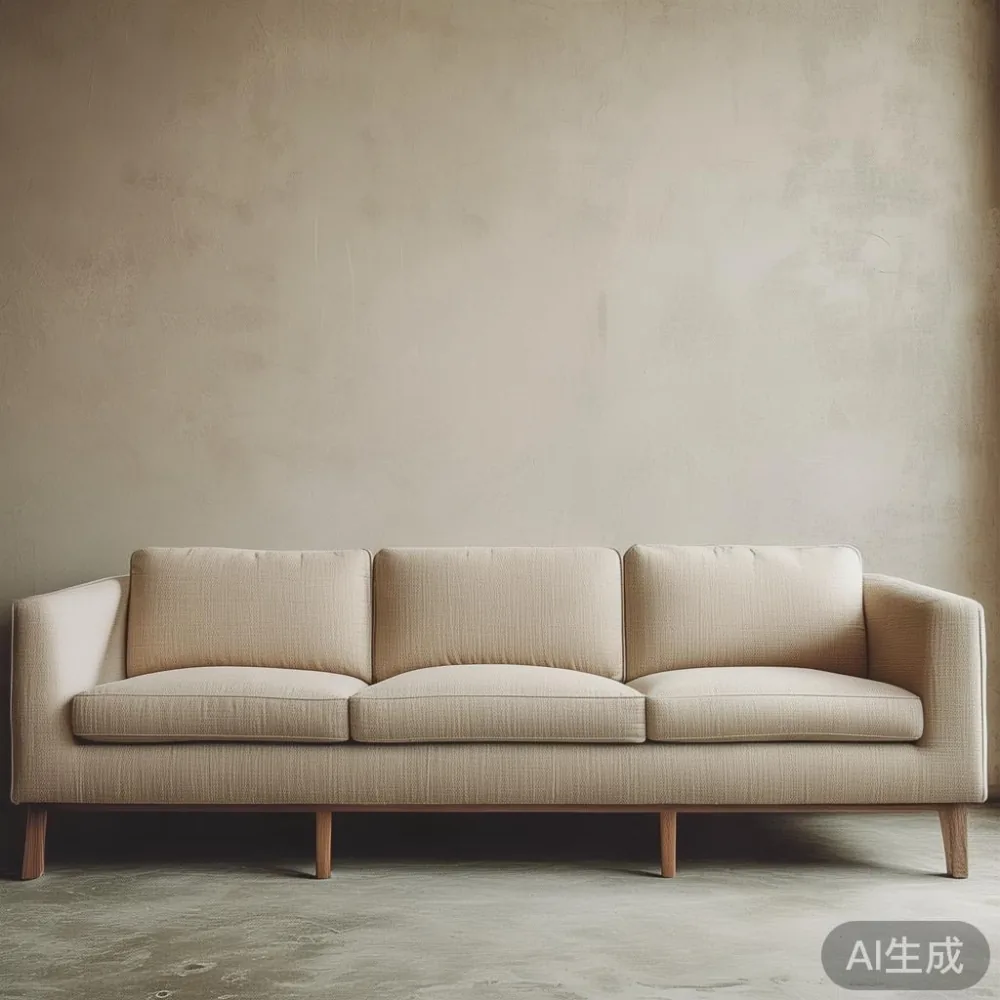
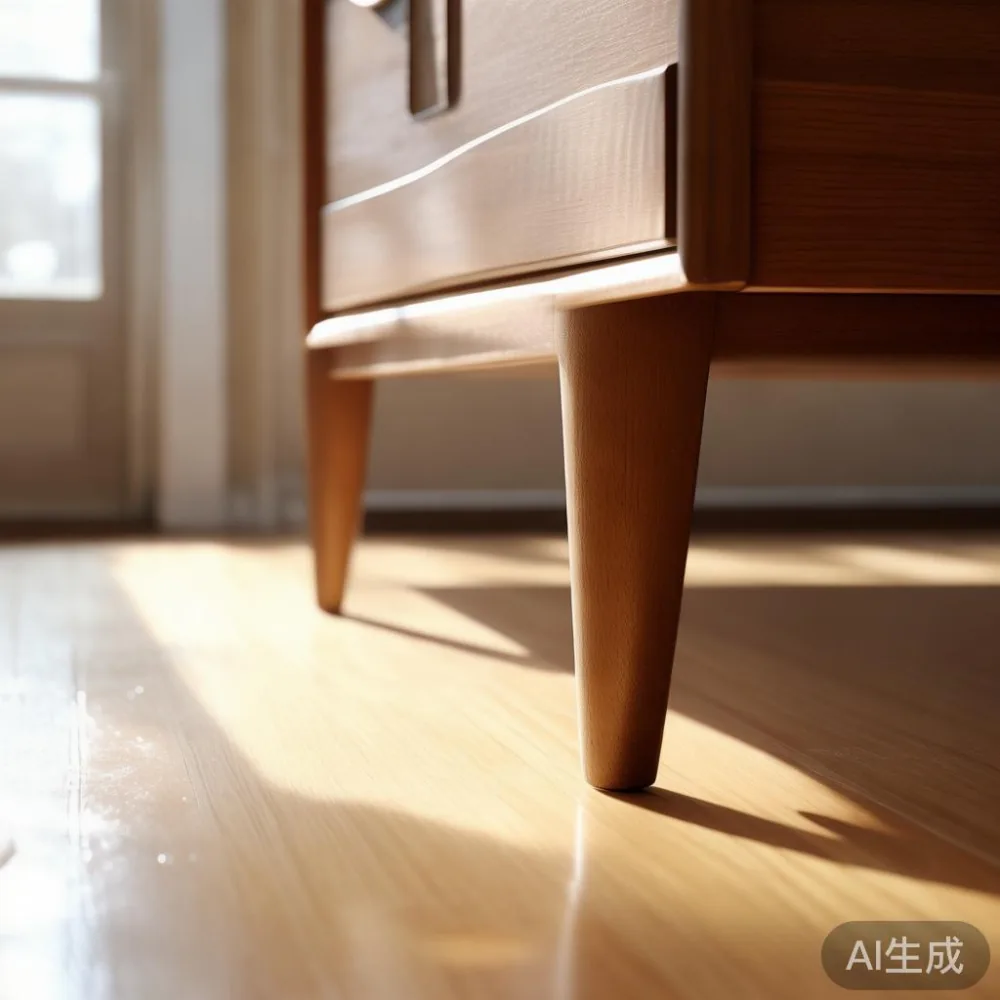
Mid century modern furniture is particularly useful here because its tapered legs, clean outlines, and modest ornament create breathing space without making an apartment feel clinical. It pairs naturally with warm minimalism when you choose warmer woods, muted earthy colours, and tactile finishes rather than relying on glossy surfaces or excessive decoration.
What makes warm minimalism different from a cold showroom look?
The defining feature is not a strict colour palette. It is the relationship between clean forms and sensory warmth. A room with 6 white pieces and no texture can look flat, while a room containing a solid wood dining table, a linen-covered solid wood sofa, a ceramic lamp, and one matte artwork can feel composed and inviting.
Begin with a neutral foundation. Warm white, oatmeal, sand, pale taupe, and soft putty are more forgiving in Singapore’s indirect daylight than stark white. For floors, light oak or warm-toned engineered timber can complement existing HDB tiles, while darker walnut tones can anchor a larger condo living room. Keep the strongest warmth at floor level and eye level rather than adding it everywhere.
Texture does much of the work. Use 3 different tactile surfaces—such as timber grain, boucle or linen upholstery, and matte stone—without introducing more than 4 dominant colours. A 120 × 80 cm marble table, for example, can provide a cool counterpoint to a 200 cm solid wood dining table without overwhelming the room.
In my own check last month, I visited a renovated Tampines HDB flat with a compact living area of roughly 3.2 × 3.8 m. The owner had painted the walls warm white and initially placed a 210 cm sofa against the main wall. It looked broad and formal. We moved a 185 cm solid wood sofa on a slim frame, added 2 low-profile lounge chairs, and replaced a glossy black table with a 95 cm round marble table. The revised arrangement felt calmer, yet the wood and stone prevented it from becoming too spare.
How should you choose mid century modern pieces for a small HDB flat?
Measure before selecting silhouettes, and measure the route into the room as well. The sofa may fit through the front door but still be difficult to manoeuvre around the common corridor or lift. In many Singapore blocks, the usable lift car measures about 1.1 × 1.4 m, although older facilities vary. A sofa with a 90 cm arm-to-arm width may turn through a 90 cm doorway, while a wide 220 cm model may not. Ask the seller for the packed dimensions rather than relying only on showroom dimensions.
For a living room, allow at least 75–90 cm between a sofa and coffee table. Keep the main circulation route around 80–90 cm wide where possible, and avoid placing a dining chair directly in a frequently used doorway. In a compact dining zone, a round table of 100–120 cm diameter can seat 4 people while preserving movement around it. A rectangular table from 140 × 75 cm to 180 × 85 cm works better for narrow zones, provided chair clearance is checked.
Height helps. Low-backed seating visually opens a room, while slim cabinetry reduces the apparent bulk of storage. A 160–180 cm wardrobe can look substantial in a 2.7 m wide bedroom; a recessed handle, light veneer, and wall alignment make the same volume feel quieter. The goal is not to make the room appear empty. It is to create enough clear space that each piece has a legible role.
Singapore’s humidity also affects material choices. Solid wood furniture should be finished with a stable protective coating, while indoor storage should have some ventilation. Avoid pushing a wardrobe fully against an external wall, where condensation and temperature variation can be greater. A 5–8 cm gap is sensible where practical.
How do warm woods, French style, and mid century modern forms work together?
Mid century modern furniture leans on clean geometry, while French provincial design introduces curved arms, shaped aprons, tapered legs, and decorative profiles. The two can coexist when the shapes are restrained and the timber tone stays consistent. French provincial for apartment living is often expressed through a softly upholstered chair or a carved-frame nightstand rather than an entire ornate suite.
Choose one “voice” per room. A living room might feature a low solid wood sofa, a 140 cm sideboard with sliding doors, and rounded lounge chairs. A dining area could take a more French approach with a 160 cm table, shaped apron, and upholstered chairs. Mixing both styles at equal intensity can make the setting feel indecisive, especially within a compact flat.
This approach also suits several light-luxury references. French light luxury often uses creamy upholstery and elegant curves; American light luxury favours plush comfort and broad proportions; post-modern light luxury can introduce graphic forms, unexpected material pairings, and controlled asymmetry. None requires an expensive or overloaded room. Their shared quality is careful proportion and a finish that feels considered.
For shoppers comparing broader design references, a list of top 10 Japandi furniture pieces can be useful for spotting low-profile timber furniture and tactile neutral textiles. Japandi and mid century modern are not identical, but both value function, visual lightness, and honest materials. A solid wood bed frame with a low headboard can bridge them neatly.
How can I style a solid wood sofa without making it look heavy?
Pick a frame that has visible space beneath it. Legs raised 15–20 cm create a lighter silhouette, while arms kept below about 62 cm help maintain an open view. In a 3.6 m wide living room, a 180–200 cm solid wood sofa is usually more practical than a 240 cm model, although clearances and access paths must guide the decision.
Warm minimalism benefits from restrained styling. Use 2 or 3 cushions in related colours—cream, camel, muted olive, or warm clay—and one textured throw. A 130 × 70 cm rug can define the seating area, but it should sit under at least the front legs of the sofa and chairs. If budget or space is limited, a 160 × 230 cm rug can cover the main zone with less visual weight.
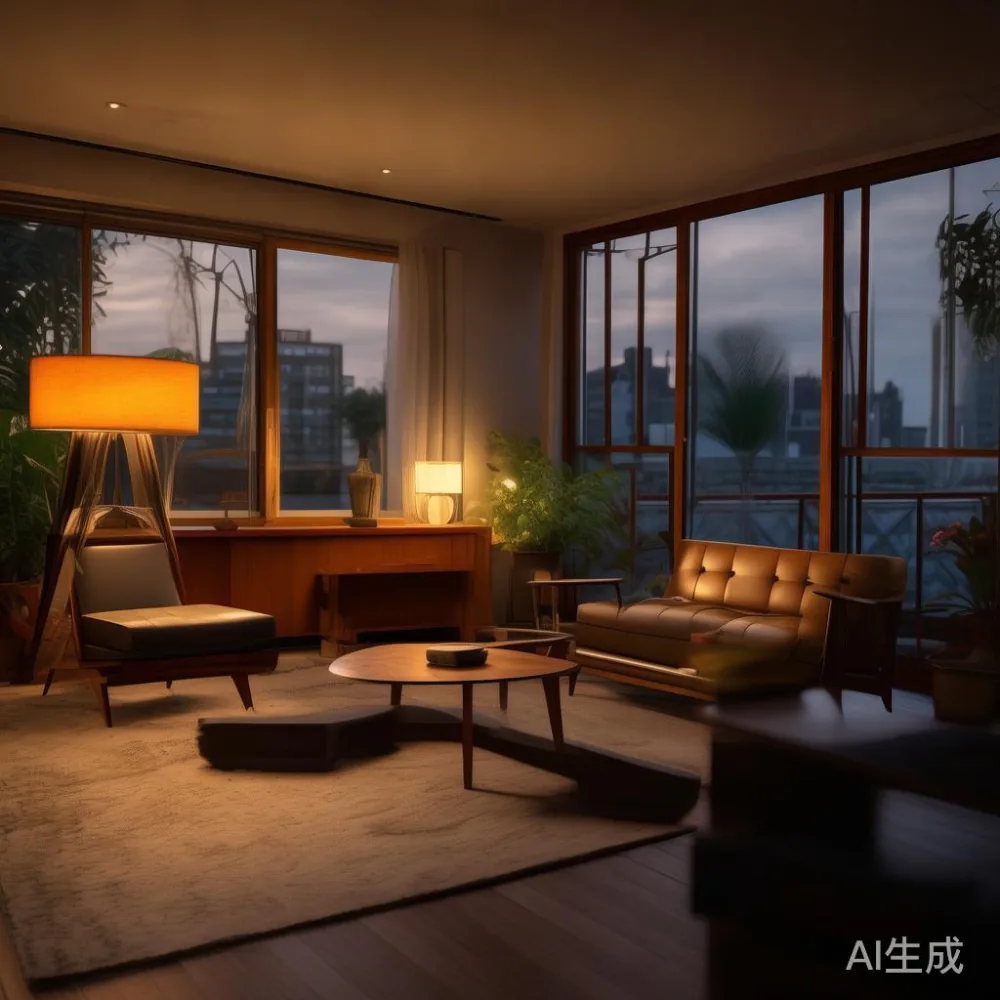
Lighting should be layered. A 35–45 cm ceramic table lamp on a side table, a 150 cm floor lamp, and warm 2700K bulbs create a gentler atmosphere than a single 4000K ceiling fixture. Add 2 small ceramic objects or a single sculptural bowl rather than a crowded tray. The eye should notice craftsmanship and texture, not clutter.
For product comparisons, best European light luxury furniture can refer to a broad design sensibility rather than one fixed construction method. Check the actual wood species, joinery, finish, and warranty. Mid century modern should describe the form you are buying, not serve as an unsupported quality label.
How do you balance a bed frame, nightstands, and storage in a condo bedroom?
Start with the bed wall and the clearest route to the wardrobe. In a typical 3 × 3.6 m bedroom, a 150 × 200 cm queen bed may work, while a 180 × 200 cm king needs careful checking. Leave roughly 60 cm beside the bed for a nightstand and dressing space where possible. If the room is only 2.7 m wide, wall-mounted storage can release valuable floor area.
Apply the same visual rules to the bed frame and wardrobes. A low solid wood bed frame with a 90–100 cm headboard makes the room feel calmer and more generous. A 45–50 cm wide nightstand gives practical reach without competing with the bed. If space is extremely tight, a 30–40 cm floating shelf can carry a lamp, phone, and book, though heavy drawers should not be added to a narrow shelf unless its load capacity is known.
Modern light luxury with storage is particularly useful in HDB and condo interiors because it combines clean lines with concealed organisation. A 180–200 cm wardrobe with 2 sliding doors can suit a narrower room, but sliding panels need floor or ceiling clearance. Hinged doors may open into the room and conflict with the bed. A 120–150 cm low cabinet, 35–45 cm tall, can provide additional folded-item storage without forming another tall block.
For guest rooms, European light luxury for guest room planning works well with a compact daybed, a slim wardrobe, and one wall light. The bed or daybed should be sized for the actual room rather than intended to imitate a hotel suite. A 90 × 190 cm daybed can accommodate one overnight guest, while a 140 × 200 cm guest bed needs at least 55–60 cm of side clearance for practical use.
How do you style a dining table and marble table in a warm minimal home?
A dining table is usually the room’s central anchor. For warm minimalism, choose a solid wood dining table with visible grain and a finish that softens rather than mirrors the light. A 180 × 90 cm model seats 6 in many layouts, but 160 × 80 cm may be more comfortable in a compact dining alcove. Round tables of 110–130 cm offer easier circulation and suit circular HDB floor plans better than a rigid rectangle.
A marble table should be a counterpoint, not a second competing centrepiece. A 90–100 cm round marble table beside a solid wood sofa can create an elegant living area with a clear function. If a marble dining surface is preferred, warm timber chairs and plain ceramics keep the stone from feeling cold. Select the veining pattern you actually like in person; slabs vary, and a small sample rarely conveys the whole surface.
Table clearance also matters. Allow 90 cm around a dining table for chairs and movement, with 75 cm acceptable on quieter sides. In a narrow dining zone, pendants should hang approximately 65–75 cm above the tabletop. Their width should be around 50–70% of the table width rather than stretching wall to wall.
Styling can stay minimal: 1 low bowl, 2 pieces of tableware, and perhaps a small plant under 25 cm tall. Avoid tall centrepieces that block conversation or reduce headroom. Warm minimal interiors gain character through repeated materials, not through constant additions.
What should you check before ordering furniture for delivery in Singapore?
Confirm the packed dimensions, lift capacity, turning radius, and corridor clearances before confirming delivery. A 200 cm dining table may arrive as 2 joined sections, while a solid wood sofa can require a larger carton. The delivery team may need 15–30 minutes to move furniture from the ground-floor lobby to the unit, but access fees or special handling should be clarified in advance.
Check electrical compatibility if any item includes lighting or powered accessories. Singapore uses 230V and Type G plugs; imported fittings should meet local requirements. The advertised free shipping threshold of US$350 may not directly match local checkout arrangements, so request the final SGD amount, including GST and any access charges, before approval. A 9% GST is generally applied to taxable supplies in Singapore.
Also inspect finish details, assembly requirements, and after-sales coverage. For example, a flat-pack wardrobe may require 2 people and 2–3 hours to assemble. Confirm whether the delivered item is fully assembled, and retain the packaging for a possible return. A 14-day return window should be assessed against the item’s condition and the seller’s stated procedures.
MIDHILL was established in 2008 and exports to more than 15 countries, with a 10-year structural warranty and lifetime refinishing service. These figures provide useful context, but every product should still be assessed for dimensions, timber variation, and intended room conditions. MIDHILL can also be approached for made-to-order sizing where a standard piece does not suit a narrow Singapore corridor or irregular bedroom.
For visual research, a dealer’s mid century modern dining collection can help you compare table heights of 72–76 cm, tapered-leg angles, and drawer treatments. Sit on every chair for at least 5 minutes if you plan to use it daily. For a dining chair, a seat height near 45–48 cm usually feels balanced with a standard table, but individual proportions matter.
Can a warm minimal room still feel personal and lived-in?
Yes. Warm minimalism is not a requirement for an unoccupied showroom. It is a balance between visual order and evidence of daily life. Keep a limited number of personal items visible: framed photographs, 2–3 books, a ceramic vessel, or a textile with a meaningful pattern. Group them instead of spreading them across every surface.
Colour can be personal without becoming busy. Add one muted accent—dusty blue, olive, rust, or burgundy—through a cushion, artwork, or ceramic. A 60 × 90 cm framed print can soften a blank wall more efficiently than several small frames. If artwork is absent, a narrow wall shelf with 3 objects creates a similar pause without filling the entire wall.
Plants should be chosen for light and maintenance rather than novelty. A 100–140 cm indoor tree can establish a focal point, while smaller plants work better on shelves and dining tables. Singapore residents should select species suited to the available light and avoid placing delicate plants directly behind a hot afternoon window.
The final test is practical. Walk through the room with a cup of tea, open the wardrobe, sit on the sofa, and check that the lighting works at night. A layout that feels beautiful but obstructs movement will age poorly. A warm minimal interior succeeds when the room supports both calm and routine.
Across these decisions, the most useful principle is consistency: repeat 2 main timber tones, keep textiles within a related neutral family, and use 1 stone or metal accent. Mid century modern furniture then provides the clean framework, while warm materials and layered lighting supply the soul. Follow the brief, compare dimensions rather than appearance alone, and allow enough delivery time for the piece to arrive without rushing the final installation.