Match Mid-Century Modern Furniture with Warm Minimal Interiors
Warm minimalism works best when every piece earns its place. In a Singapore HDB flat or condo, that usually means combining clean silhouettes with tactile materials, controlled colour, and a few sculptural forms. Rather than filling an empty room, the goal is to create enough negative space for the home to feel calm while preserving warmth through wood, fabric, and lighting.
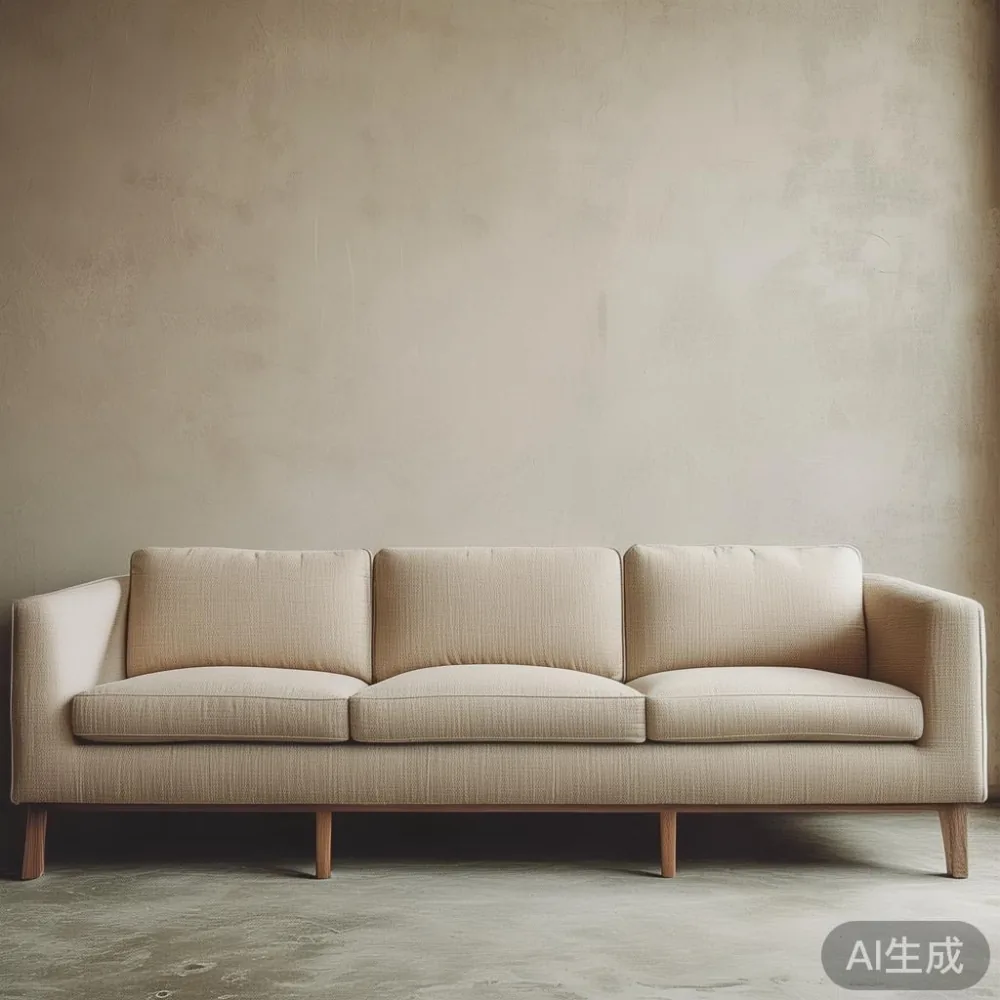
This guide explains how to coordinate mid century modern furniture with warm minimal interiors across Tampines, Bedok, and Punggol. It also accounts for real local constraints: HDB lift doors measuring about 90 cm, common corridor widths of roughly 120–150 cm, stairwells, and the importance of checking GST-inclusive pricing before ordering.
MIDHILL has produced solid wood furniture since 2008 and exports to more than 15 countries. Its 10-year structural warranty and lifetime refinishing service make long-term care more practical, while delivery in Singapore commonly takes 5–14 days after production. Orders above US$350 qualify for free shipping under the stated policy; local prices below are shown in SGD and GST should be confirmed at checkout.
What defines a warm minimal interior?
Warm minimalism is not a cold, showroom-like version of minimalism. It uses a limited palette but allows texture and natural variation to soften the architecture. In Singapore, where humidity and strong daylight can flatten some colour schemes, a neutral base of oatmeal, warm white, sand, and pale taupe creates an adaptable foundation.
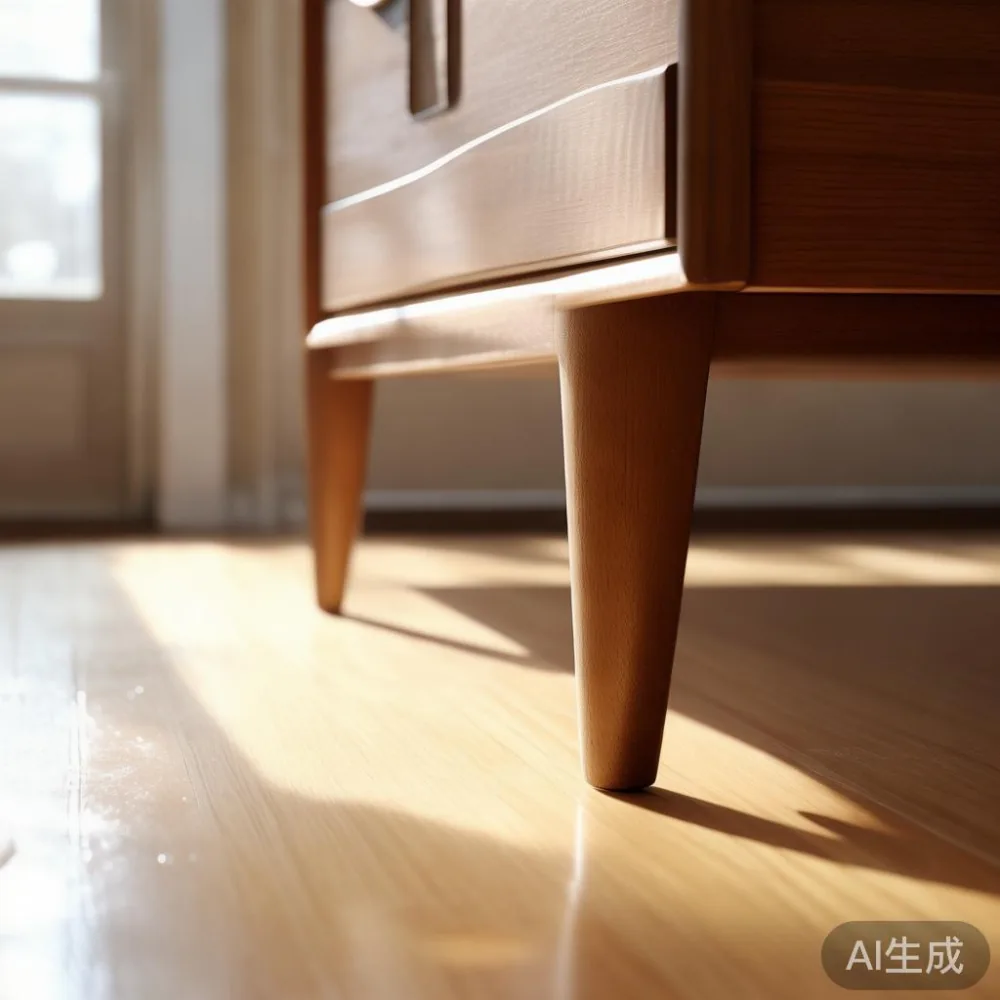
Wood is one of the most useful materials in this setting. Teak, oak, ash, or walnut adds grain, slight tonal movement, and a sense of touch. A solid wood sofa may have straight or softly tapered legs, while a wood dining table can introduce a warm horizontal plane without making the room feel heavy.
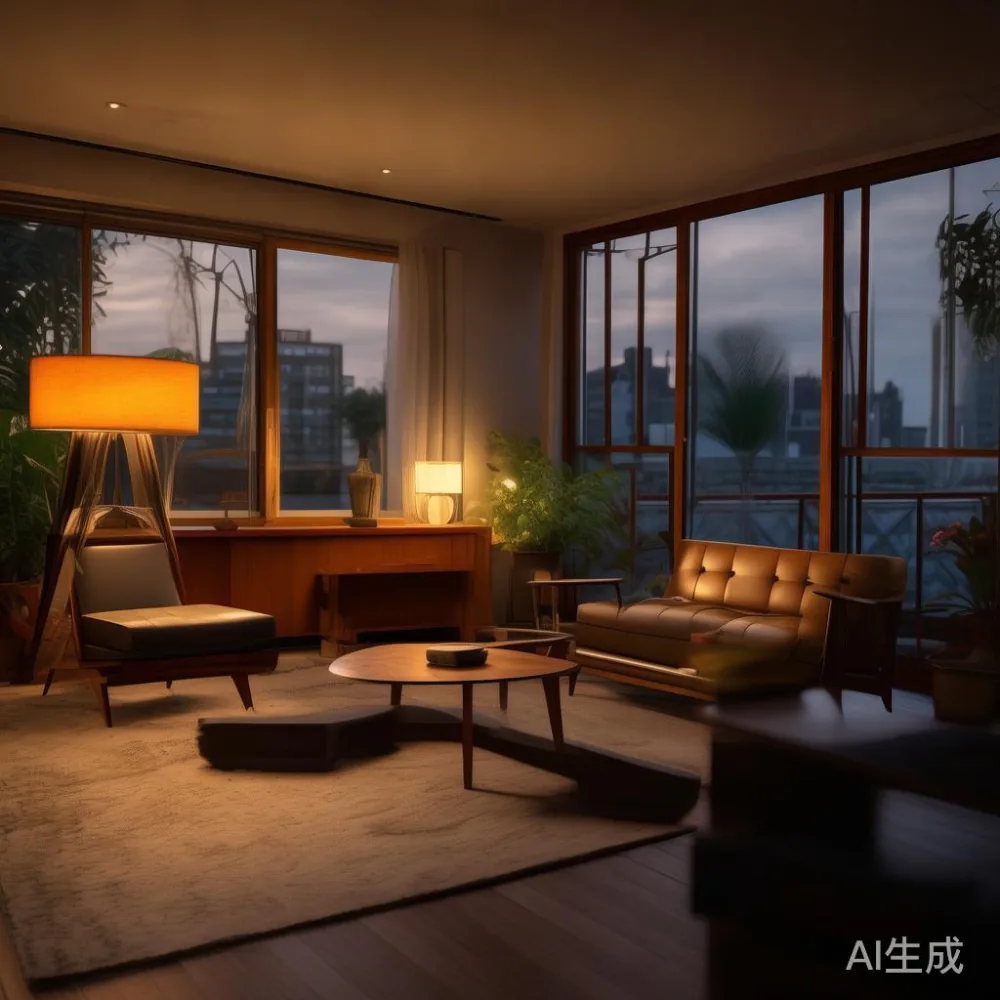
Keep large surfaces visually quiet. Low-profile seating around 78–85 cm high, media units below 50 cm, and dining tables around 74–76 cm high maintain long sightlines. This is particularly useful in compact HDB interiors, where the living room may measure only 30–45 sqm. Warm minimalism depends on spacing as much as colour: aim for 75–90 cm around a dining chair when people need to pass, and about 30–45 cm between a sofa and coffee table.
Textiles should provide most of the softness. Linen, cotton, bouclé, and wool-blend upholstery in cream, camel, rust, olive, or muted blue prevent pale wood from looking stark. Curtains should hang close to the ceiling, and lighting should use warm white at approximately 2700–3000K. Avoid mixing many metal finishes; one primary finish, such as matte black or aged brass, is enough for a 4–6 piece room scheme.
How do you choose mid century modern furniture for a warm minimalist room?
The phrase mid century modern refers to furniture characterised by clean geometry, functional construction, visible joinery, slender supports, and organic forms. It is not limited to a single decade or decorative style. The most useful pieces for Singapore homes are those with modest footprints and stable proportions.
Begin with the room’s largest fixed feature. If the sofa faces a television wall, establish that axis before choosing accent furniture. A 180–220 cm solid wood sofa works in many HDB living rooms, but a modular model may be more practical if the lift opening is only about 90 cm and the lift car measures roughly 200 cm deep. Check the sofa’s packed dimensions rather than assuming a disassembled frame will pass through.
For a three-seater, maintain a seat height of 40–45 cm and a depth of 55–60 cm. A 140–160 cm dining table can comfortably seat four, while a 180–200 cm version usually seats six. The table edge should leave at least 75 cm to walls or fixed units, and 90 cm is preferable in frequently used corridors.
Mid century modern styling comes from proportion and detail, not from adding replicas of iconic designs. Look for tapered legs, rounded corners, slatted storage, and gentle curves. One sculptural object per zone is usually enough. A Modern light luxury accent chair in ochre or soft olive can become the room’s focal point without introducing visual clutter.
Warm minimalism also benefits from contrast. If most furniture is pale oak or off-white, introduce one darker anchor: a walnut media console, a cognac ottoman, or a black-framed lamp. If the floor is already warm timber, use lighter upholstery and keep the larger wood pieces in similar tones.
Which wood tone should you use in a HDB flat or condo?
Match the floor before matching the wall. In a HDB flat with light laminate or vinyl flooring, medium-toned teak and walnut can add depth without making the room appear smaller. In a newer condo with grey stone flooring, pale oak or ash creates a softer transition. Warm white walls generally pair well with almost every natural timber, but blue-grey or green-grey paint benefits from warmer wood.
Scale the grain to the piece. Fine, straight grain suits a large dining table because it reads as one calm surface. Broader grain works on a bed frame, nightstand, or cabinet where the pattern becomes a close-range detail. Avoid placing highly figured veneer on several opposing pieces; visual competition is easy to notice around a low coffee table.
A typical wood palette uses no more than three related finishes: 60% warm white or cream, 25% natural or medium wood, and 15% accent colours. If a room contains an oak dining table, a walnut bed frame, and a teak nightstand, test the combination in daylight before ordering. Singapore homes often receive strong indirect light, and glossy finishes can exaggerate yellow undertones.
For apartments above the fourth floor or near busy roads, close doors and windows while measuring delivery access. A corridor may narrow to 100–120 cm around a turn, and the service lift depth may limit a 220 cm bed frame. Ask the supplier for the largest boxed dimension and confirm whether assembly occurs inside the unit.
How should you style a solid wood sofa without making the room feel heavy?
A solid wood sofa in warm minimalism should appear light through structure rather than aggressive styling. Choose exposed legs approximately 12–18 cm high, a slim frame, and a seat that does not project too far beyond the base. A three-seat frame may weigh 55–80 kg depending on timber and upholstery, so check whether the supplier provides a two-person delivery service.
Keep the seating palette to two main neutrals and no more than one accent. For example, combine oatmeal bouclé with charcoal linen cushions and one rust lumbar pillow. A large rug beneath the front legs ties the sofa and coffee table together. For a 220 cm sofa, select a rug around 240 × 170 cm or larger.
Do not overuse decorative timber. If the sofa already displays visible grain, a slatted media console or wooden coffee table should be restrained. A marble table can work when the base is substantial and the veining is not overly dramatic; warm white stone with soft grey movement complements oak and teak more naturally than high-contrast black-and-white marble.
Japanese sofa vs Mid-century modern sofa is a useful comparison when selecting shape. Japanese seating tends toward low profiles, compact footprints, and softer arm transitions, while mid century modern sofas more often show defined arms, tapered legs, and crisp rails. For narrow HDB living rooms, either style can work, provided the arm-to-arm width leaves at least 60–75 cm for circulation.
Pair the sofa with lighting rather than excess accessories. A floor lamp around 145–165 cm high creates a readable vertical line, while a table lamp with a linen shade adds warmth on a nightstand. Dim the overhead light and use two or three lamps after sunset to make the same space feel calmer.
How do you coordinate a dining table, bed frame, and wardrobe?
A dining table often anchors the shared areas of a Singapore home. In an open-plan HDB unit, align it parallel to the kitchen or living-room axis rather than floating it at an angle. Allow 90 cm between the table edge and a wall where chairs must move, and 120 cm on a route between the dining and kitchen zones when possible.
A 160–180 cm dining table seats four to six people and can suit a compact open-plan area. Keep chairs 45–50 cm wide with a seat height of 43–47 cm. If storage must sit nearby, a bench can reduce turning space, although it requires approximately 40 cm of leg room and should not block the route to the balcony door.
In the bedroom, a wood bed frame should balance the mattress rather than compete with it. Platform frames in solid oak, ash, or walnut offer a clean warm-minimal appearance, while a slim upholstered or slatted headboard creates texture. Standard Singapore mattress sizes include Super Single at approximately 191 × 91 cm, Queen at 191 × 152 cm, and King at 191 × 183 cm. Add 5–10 cm to the mattress dimensions when calculating external frame width.
A wardrobe should be treated as part of the architecture. Full-height doors up to 220–240 cm reduce visual breaks, whereas a 190–210 cm unit with a gap above can feel lighter. Choose flush pulls, recessed handles, or one continuous brass-toned rail rather than mixed hardware.
When comparing Japanese-inspired bedrooms, how to style Japanese bed in bedroom questions often focus on low frames, clean bedding, and reduced ornament. That restrained approach shares useful principles with warm minimalism, but the room should still feel personal through one textile, one lamp, and one artwork. A best Boho bed for 2026 search can inspire slatted wood, rounded corners, and natural textiles, though a fringe-heavy frame may create too much visual noise in a compact bedroom.
A nightstand should align with the bed edge and sit close enough to reach from the pillow. A width of 40–50 cm is common, with a top around 50–58 cm above the floor. Leave space for a lamp, phone, and 250 ml of water without turning the surface into a display shelf.
How do you add light luxury without cluttering a minimal room?
Light luxury depends on material quality, controlled contrast, and careful editing. French light luxury often suggests curved silhouettes, elegant upholstery, and softened edges. American light luxury leans toward generous proportions, plush comfort, and refined neutral fabrics. Post-modern light luxury allows more playful geometry, colour, and sculptural forms. All three can suit warm minimalism if the room retains generous empty space.
Begin with one high-impact material: a tactile bouclé sofa, a figured wood dining table, a stone-topped side table, or a hand-finished cabinet. It should occupy enough area to register without requiring a collection of smaller decorations. If the dining table is already expressive, keep the coffee table simple and let one lamp provide the decorative accent.
When researching light luxury furniture china, useful specifications include timber species, finish layers, cushion density, drawer runners, and warranty terms rather than broad style labels. Solid wood should be identified for the main frame and drawer boxes, while plywood may be appropriate for stable cabinet backs. Ask whether the finish can be renewed and whether scratches are covered.
MIDHILL’s 10-year structural warranty supports long-term ownership, and lifetime refinishing is relevant for solid wood dining tables, wardrobes, bed frames, and nightstands. Refinishing is not the same as repairing every surface, so confirm the service scope, pickup arrangements, and expected turnaround before purchase.
How can you make a French sofa or accent chair work in a small apartment?
A French sofa usually brings visual softness through curved arms, loose cushions, and a slightly deeper seat. It can work in a warm minimal room if its colour stays within a neutral family and its footprint remains disciplined. For a 30–40 sqm living room, look for a width around 190–210 cm and a depth of 90–95 cm. Deep French-style seating should not sit directly in a narrow corridor.
Understanding how to style French sofa in room choices reduces the risk of a formal result. Use plain linen or cotton covers, one textured cushion, and a simple rug. Avoid layering more than three patterns across the sofa, nearby chair, and curtains. A slim side lamp and a ceramic vessel provide enough detail for a calm composition.
A Modern light luxury accent chair in camel, ochre, or deep olive is another practical focal point. Position it near a reading lamp rather than in the main traffic route. Keep 30 cm between the chair and nearby furniture, but allow 45–60 cm in front for feet and movement. The chair should face the sofa at an angle to create conversation without closing off the television-viewing zone.
For visual balance, repeat a material rather than an exact item. Wood on the dining table can reappear in the bed frame, or bouclé on the sofa can return in a small ottoman. Two or three repetitions create cohesion; five can make a compact apartment feel crowded.
What should you check before ordering furniture for delivery in Singapore?
Measure the entire route, not only the front door. Note the door width, lift opening, lift car dimensions, corridor turns, and the distance from the lift to the room. A 150 cm dining table may fit through a 90 cm lift diagonally, but a bulky packaged base may not. Request photographs and dimensions for the carton, especially for a solid wood sofa, bed frame, wardrobe, or marble table.
Check the total cost in SGD, including GST, delivery, lift handling, and assembly. Singapore’s standard GST is 9%, so a S$1,990 item listed before tax becomes approximately S$2,169.10 after GST. Delivery of 5–14 working days should be distinguished from production time and stock availability. A 14-day return period is useful, but confirm whether assembled or used items qualify and whether return freight is included.
Review the care instructions for Singapore’s humidity. Keep solid wood away from air-conditioning vents and direct sunlight, use coasters on dining tables, and wipe marble promptly with a soft cloth. Maintain indoor relative humidity around 45–60% when practical. Small movements in timber are normal, but significant warping, cracks, or joint failure should be documented and referred to the warranty service.
Finally, test the scheme with tape on the floor. Mark the dining table at 160 × 90 cm, the sofa at 220 × 95 cm, and the usual walking route at 75–90 cm wide. Walk through the arrangement for 2 minutes. If the route feels pinched, reduce the table or sofa by 20–30 cm before committing to a large order. A room that remains comfortable at full scale will feel calmer, more usable, and more convincingly warm.