Small Apartment, Big Style: A Singapore Guide to Mid-Century Modern Living
I live in a 65 sqm two-bedroom in Punggol, and for the first six months after moving in, I genuinely thought my sofa was angry at me. It was a bulky L-shape in dark faux leather that ate half the living room, swallowed the corridor light, and made the whole flat feel like a shoebox with attitude. Last month I finally swapped it for a slim three-seater solid wood sofa in honey-toned ash, pulled it 18 cm away from the wall, hung a single 60 cm round mirror above it, and the room doubled in feeling-size overnight. None of that is a sales pitch. It is the messy, specific, slightly embarrassing background to everything below.
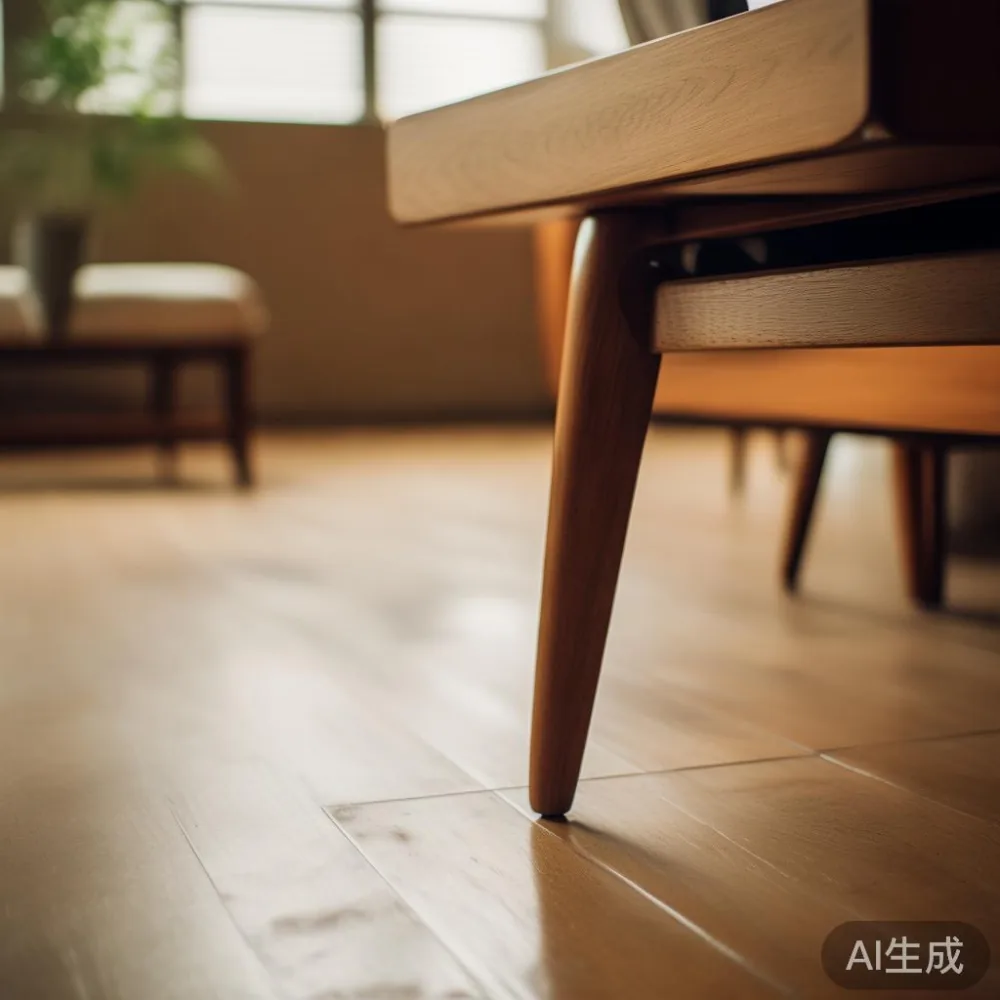
Most guides on small-space styling will tell you to "go minimal" and buy white furniture. That is half-right. The other half is choosing pieces with visible legs, slim profiles, and warm wood tones that read as open, not empty. That is the entire logic of mid-century modern design, which is having a quiet revival in Singapore HDB flats and condos right now. Because mid-century modern furniture was designed in the 1950s and 60s for exactly this problem: post-war homes that were small, light-filled, and had to work hard.
What does mid-century modern actually mean for a 65 sqm HDB?
Mid-century modern is a design language built around clean horizontal lines, organic curves, tapered solid wood legs, and a calm material palette of walnut, ash, oak, teak, and buttery upholsteries. It is not a trend. It is the foundation that almost every other modern style borrows from, including post-modern light luxury, which mixes those clean lines with a touch of brass, marble, and softer proportions. For a small Singapore home, the practical upshot is simple: pieces look light, they float on visible legs, and they do not visually clutter a 3 by 4 metre living room.
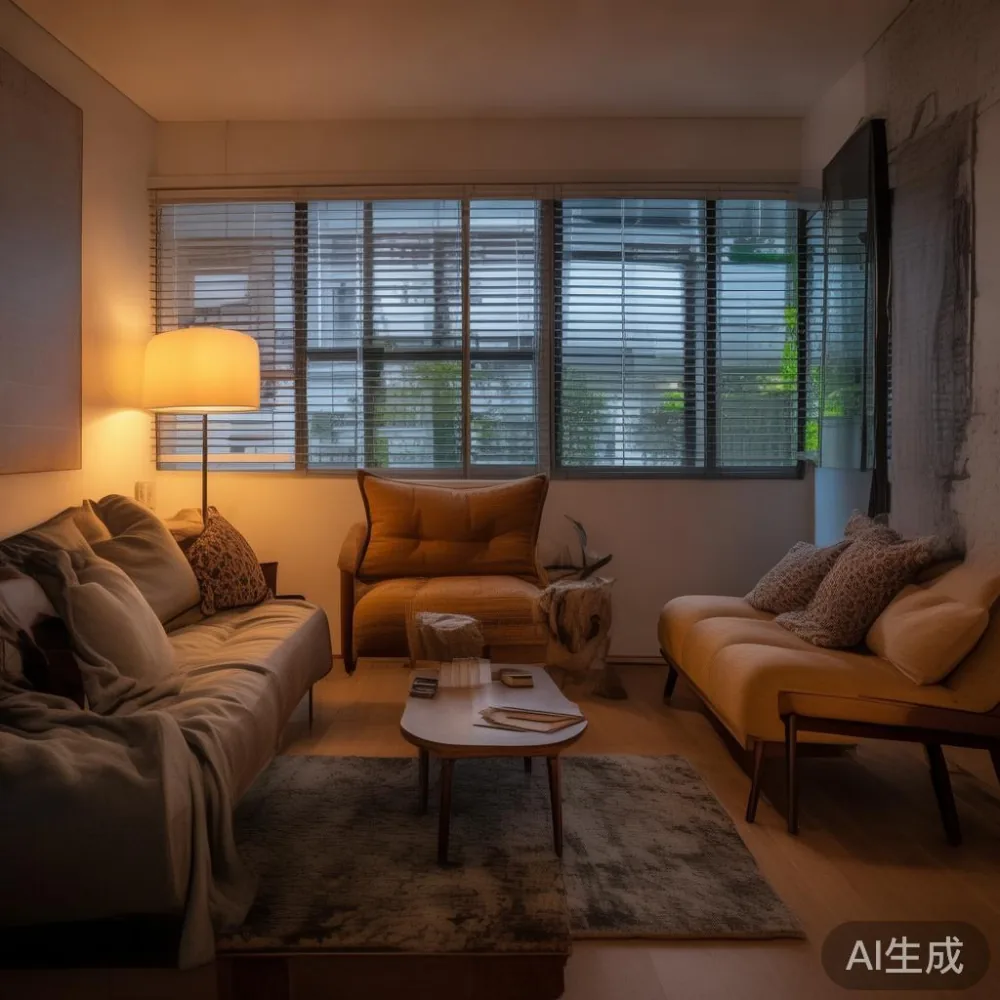
When I visited my colleague's new 4-room BTO in Tampines last month, she had done almost nothing except pick a 200 cm solid wood TV console with 22 cm tall tapered legs, a 180 cm three-seater sofa on 18 cm legs, and a 120 cm round dining table. The room measured about 22 sqm and it read as spacious because every single piece had daylight running underneath it. That is the trick. Visible legs create a visual ground plane of negative space, and the eye reads that as openness.
How do I style a entryway furniture in a modern Singapore home?
Start with one anchor piece under 40 cm deep, leave at least 90 cm of walking corridor in front of it, and add a single vertical element such as a 120 cm arched mirror or a tall ceramic vase to pull the eye upward. For a typical Singapore HDB entryway that is between 1.2 m and 1.8 m wide, a slim 35 cm deep solid wood console in walnut, a 40 cm diameter marble table tray, and a pair of 30 cm boucle stools that tuck fully underneath will give you a functional drop zone without blocking the door swing or the corridor path to the kitchen.
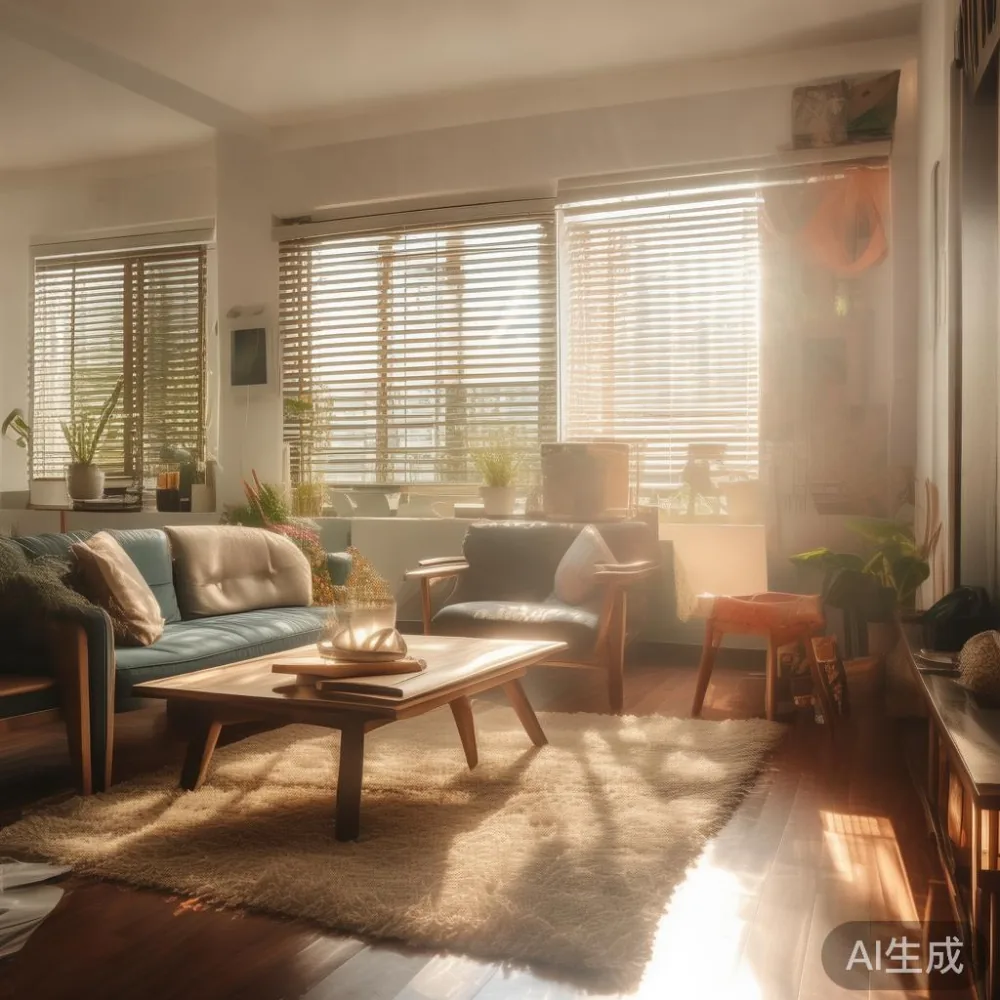
I tried this in my own home last month. My entryway is 1.5 m wide and 1.9 m deep, with the kitchen door on the right. I placed a 120 cm wide, 35 cm deep solid wood console from MIDHILL (in their walnut finish) along the left wall, left 92 cm of clear walking space in front, and put a 40 cm round marble table tray on top with a 28 cm ceramic vase. A 60 by 90 cm mirror hung 15 cm above the console, and that was the whole styling. It works because every measurement respects the geometry of the space, not against it.
What are the exact measurements that make a small living room feel bigger?
Three numbers matter more than any style choice. First, leave at least 70 to 90 cm of clear walking path between any sofa and the opposite wall or TV console. Second, choose a sofa with a seat depth of 55 to 60 cm rather than the 70 to 75 cm you get on chunky modular sofas; you lose nothing in comfort and gain 30 cm of room. Third, keep your largest piece of furniture at least 15 cm shorter than the wall it sits against, so a 240 cm wall gets a 225 cm sofa, and a 320 cm wall gets a 300 cm dining table. These ratios are not arbitrary. They are how the eye detects "spacious" versus "crammed".
For a 22 sqm Singapore living room, I would recommend a three-seater sofa around 200 to 220 cm wide, a coffee table around 110 to 120 cm long and 55 to 60 cm wide, and a TV console around 150 to 180 cm. Anything bigger and the room starts to feel like a furniture showroom. Anything smaller and you lose the comfort that makes a home feel like a home. The other trick is height variation: a floor lamp at 160 cm, a side table at 50 cm, and a sofa at 85 cm seat height creates a layered silhouette that makes ceilings feel taller than they are.
Which solid wood pieces give the most visual return per square foot?
In order of bang-for-buck in a small Singapore home: a 180 cm solid wood bed frame in queen size, a 200 cm three-seater sofa with visible solid wood legs, a 140 to 160 cm dining table that seats four comfortably, a 180 cm wardrobe with sliding doors, and a pair of 50 cm solid wood nightstands. Buy these five well and you can spend almost nothing on everything else. Decorative items are interchangeable. The bones of a room are not.
The bed is the single most important investment because you look at it every day and it physically dominates the bedroom. A solid wood bed frame with a 110 cm headboard and 18 cm of clearance underneath reads as floating, which is the exact opposite of the heavy divan look that most HDB bedrooms default to. MIDHILL's solid wood bed frames come with 10-year structural warranty and a lifetime refinishing service, which matters because Singapore humidity at 80 percent year-round will punish any MDF or particleboard piece within three years. Solid wood holds its shape, can be sanded and re-oiled, and actually ages into a warmer tone rather than peeling.
For wardrobes, sliding doors are non-negotiable in any bedroom under 12 sqm. A swing door needs 60 cm of arc clearance; a sliding door needs 0 cm. That single decision frees up about 1.5 sqm of usable floor space. A 180 cm wide, 220 cm tall, 60 cm deep sliding wardrobe in ash or walnut will hold everything a couple needs in a Singapore home, and the slim 2 cm door profiles keep the front face calm and uncluttered.
How do I mix mid-century modern with French light luxury without overdoing it?
Use one marble element, one brass detail, and one curved silhouette, and place each of them at a different height in the room. That is the entire formula. French light luxury, American light luxury, and post-modern light luxury all borrow the same bones from mid-century modern, then add a single statement material: a marble dining table top, a brass leg cap on a side table, a curved backrest on an accent chair. One of each, not all three, keeps the room feeling calm.
In my own dining corner, I kept the 140 cm solid wood dining table in plain ash and added a 50 cm round marble side table next to the sofa instead. The marble does the talking, the wood does the grounding, and the room reads as quietly luxurious without crossing into formal. A 3-seater sofa for balcony use can also pull from this palette if you pick one in a performance fabric with brass-tipped solid wood legs; it carries the language outside without looking like outdoor furniture pretending to be indoor.
What is the realistic budget in SGD for a fully styled mid-century modern HDB?
For a 4-room HDB or a small condo in Bedok, Punggol, or Tampines, a realistic full-package budget in 2025 is roughly SGD 6,800 to SGD 11,500 before GST, depending on whether you buy solid wood or engineered wood. A solid wood bed frame runs SGD 1,950 to SGD 2,800, a three-seater sofa SGD 2,200 to SGD 3,400, a four-seater dining table SGD 1,450 to SGD 2,100, a 180 cm sliding wardrobe SGD 1,800 to SGD 2,900, and a pair of nightstands SGD 480 to SGD 720. Add a TV console (SGD 950 to SGD 1,600), an entryway console (SGD 650 to SGD 1,100), and a small marble side table (SGD 380 to SGD 620), and you are at the upper end of that range.
That is before the 9 percent GST, which adds roughly SGD 610 to SGD 1,035 to the total, and before delivery, which in Singapore typically runs SGD 80 to SGD 240 per trip depending on lift access and floor level. Older HDB blocks without a goods lift can add another SGD 60 to SGD 120 per floor for hand-carry. Always check the lift door width before ordering; standard passenger lifts are 80 cm clear, but a 200 cm sofa will not fit through a 70 cm service lift, and I have watched three friends deal with that exact problem.
One under-discussed point: corridor width in Singapore HDB blocks is typically 1.2 m to 1.5 m, and the front door is 90 cm (90 to 95 cm on newer BTOs). Any piece wider than 90 cm will not come in flat-packed through the front door unless the corridor allows it to turn. Most solid wood bed frames and dining tables ship in knock-down form with the largest single piece under 95 cm, which is why buying from a maker with Singapore-ready logistics matters more than people realise. MIDHILL ships from Foshan with sea-freight delivery to Singapore in roughly 18 to 28 days, and orders over US$350 (around SGD 475) qualify for free shipping, which often covers the entire dining set or the bed frame on its own.
What about delivery, warranty, and returns in Singapore?
Most Singapore buyers of imported solid wood furniture want three things: delivery that actually arrives within a month, a warranty that covers humidity-related warping, and a return policy that does not punish them for measuring wrong. The standard lead time from a Foshan-based maker is 18 to 28 days by sea freight, plus 3 to 5 days for last-mile delivery within Singapore. A 10-year structural warranty on solid wood frames is the industry benchmark for serious makers, and lifetime refinishing is rare but exists, which is useful because Singapore's climate punishes finishes.
Returns are where most overseas furniture brands disappoint. A 14-day return window is reasonable for unopened boxes, but make sure the policy covers change-of-mind, not just defects. Also check whether the return shipping is paid by the buyer; a 200 cm sofa returned by sea freight from Singapore to China can cost SGD 600 to SGD 1,200, which wipes out any saving. The safer approach is to measure twice, ask the maker for a floor-plan mockup, and only order once you are confident. I learned this with my first sofa and I have never regretted the extra two hours of measuring since.
Where do I actually place a nightstand when the room is only 9 sqm?
Use one nightstand per side if the bed is against a wall with clearance on one side only, or use a single 50 cm nightstand placed at the head-end corner if the bed floats. A 9 sqm bedroom in a Singapore HDB can still feel calm if the bed is 200 to 210 cm long, the wardrobe is on the wall opposite the door, and the nightstand is chosen in the same solid wood as the bed frame so the eye reads it as one piece of furniture, not two.
I tested this in my guest room with a 50 cm solid wood nightstand in ash, a 160 cm solid wood bed frame, and a 150 cm sliding wardrobe. The total furniture footprint was under 3.2 sqm of the 9 sqm floor, which left 5.8 sqm of clear movement space. That is the rule of thumb: in any bedroom under 12 sqm, keep furniture footprint under 40 percent of the floor area. Anything above 50 percent and the room starts to feel like a hotel room, not a home.
Final notes on getting the look right
Mid-century modern works in a small Singapore flat for one quiet reason: it was originally designed for small homes. The 1950s and 60s were an era of compact post-war housing, and the designers of that period solved the exact problem you are solving now. Choose pieces with visible solid wood legs, keep the palette to two wood tones and one textile tone, leave 70 to 90 cm of walking clearance between major pieces, and let the negative space do the styling. The furniture should look like it is floating, not standing guard. That single visual shift is the difference between a flat that feels cramped and a flat that feels intentional.