How Humidity in Southeast Asia Affects Solid Wood Furniture
Humidity is one of the least visible forces shaping a home. In Singapore, it can turn a polished timber surface cloudy, open a fine joinery seam by 2–3 mm, or leave a dining table feeling slightly sticky on a humid afternoon. For residents of Tampines, Bedok and Punggol, where HDB flats and condos often combine compact rooms with efficient air conditioning, this is a practical interior-design issue rather than a distant technical concern.
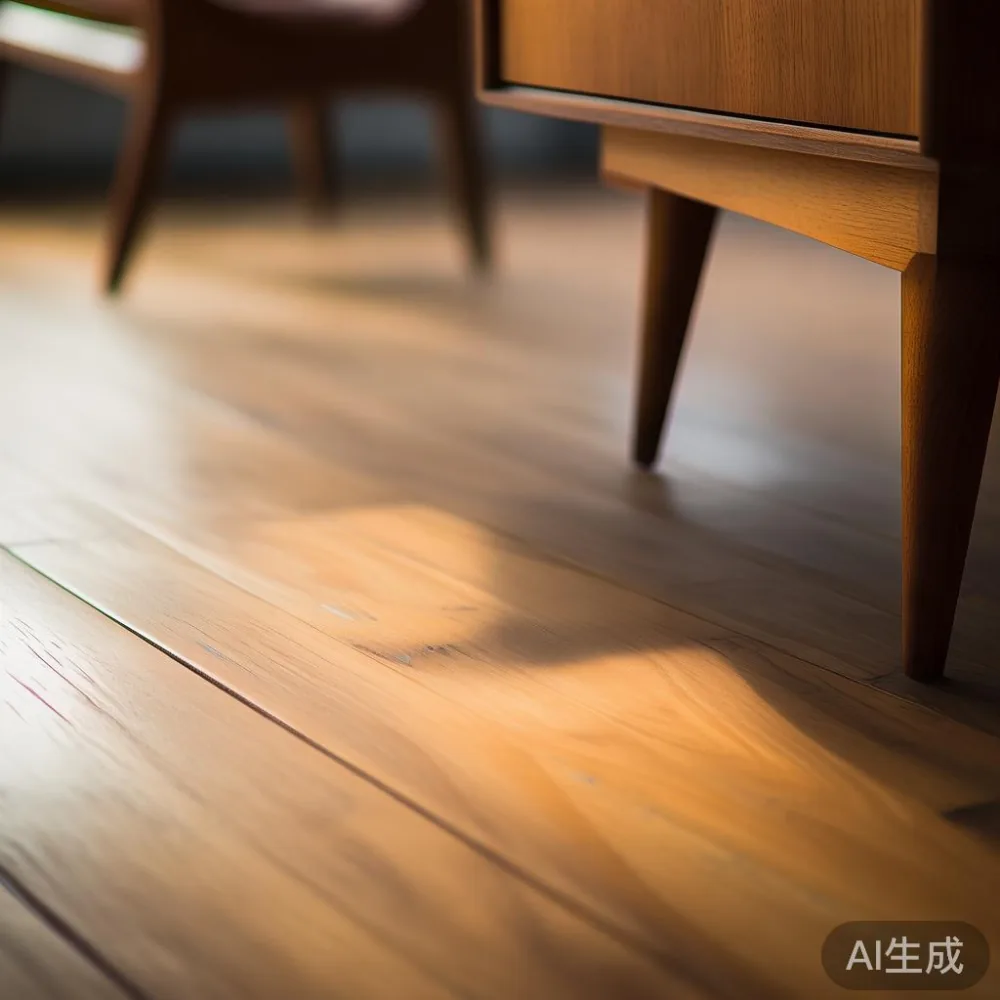
At MIDHILL, our solid wood furniture is made for real rooms and changing weather. The aim is not to promise that timber never reacts, but to explain how quality construction, suitable finishes and sensible humidity habits work together. For enquiries and project guidance, call +86 188 2788 2512.
Why does humidity change solid wood in Singapore?
Wood is hygroscopic: it absorbs moisture when the surrounding air is humid and releases it when the air dries. In equatorial Southeast Asia, outdoor relative humidity commonly ranges from roughly 70% to 90%, with rain showers and afternoon humidity pushing it higher. Indoors, the figure may fall to 45–65% under air conditioning, then climb again when windows are opened or the unit switches off overnight.
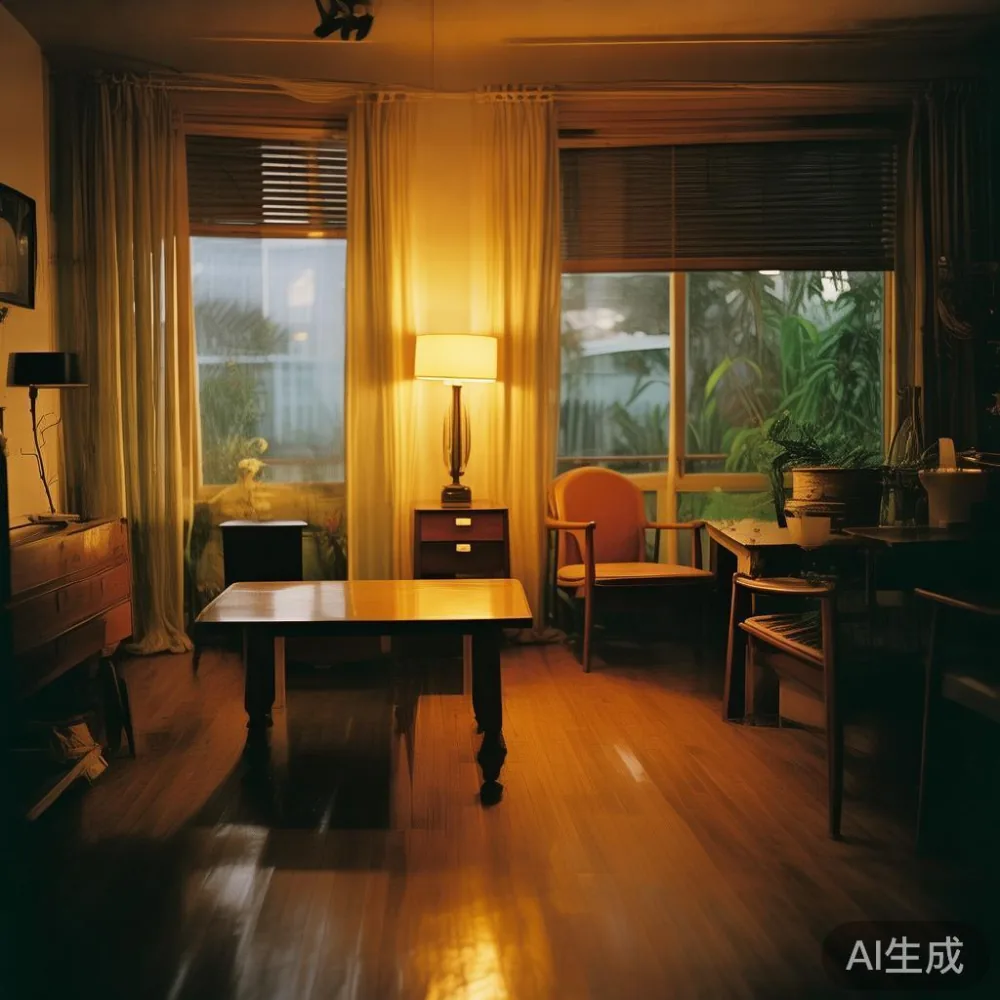
That repeated movement creates dimensional stress. A 180 cm solid oak dining table can expand by around 2–4 mm across its width over a strong seasonal cycle; a 200 cm bed frame may move 3–5 mm along its length. The exact figure depends on species, grain direction, thickness, finish and construction. A movement of only 1 mm at a glued joint can still be visible as a fine line, while excessive movement can make doors rub and drawer bottoms bow.
Singapore’s frequent 28–33°C outdoor temperatures matter because warm air holds more water vapour than cool air. Even in a well-conditioned living room, placing furniture against an exterior wall, beside a window or directly in an air-conditioning draught can expose different sections to contrasting conditions. A metal moisture meter should be used for comparison, not as a substitute for measuring relative humidity over time.
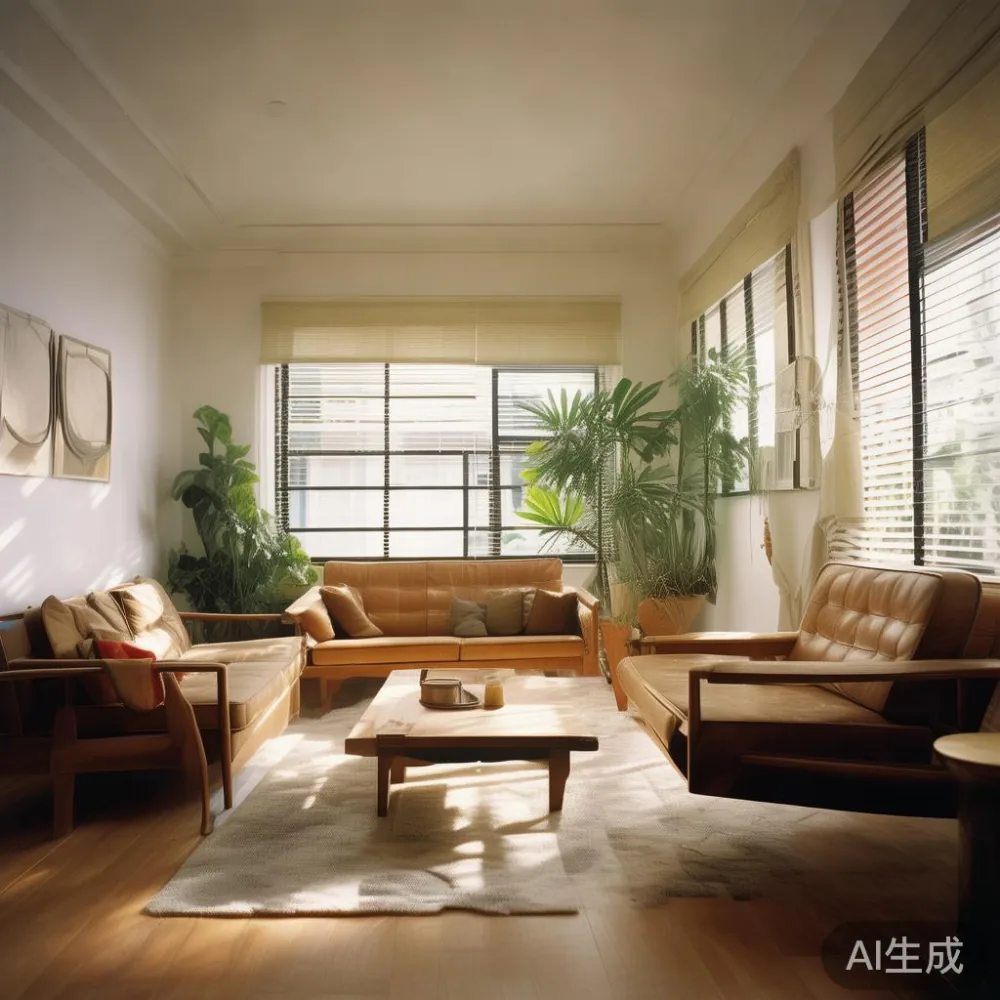
My own test was more informative than a single meter reading. Last month I visited a Bedok condo and placed digital hygrometers beside a walnut dining table, near the balcony and under the return-air vent. Over 7 days, the balcony reading ranged from 72% to 91%, the living area from 58% to 78%, and the dining table surface from 60% to 76%. The table’s long edges showed the strongest response, confirming that airflow and wall position matter as much as the building’s general humidity level.
Which mid century modern pieces react most?
Large, flat surfaces show movement more clearly than small objects, and solid wood sofa frames, bed frames and dining tables make that movement visible. A mid century modern dining table with a 2 cm top and wide solid-wood legs can develop minor surface checking as the timber expands and contracts. A slim mid century modern wardrobe may show movement along tall doors, especially if one side of the room is cooler than the other.
Joinery quality determines whether this remains controlled. Mortise-and-tenon joints, properly fitted drawers and rear ventilation gaps in cabinets help the wood work as a system. Particleboard, MDF and veneer react differently: they are manufactured products with their own dimensional behaviour, and edge swelling can occur if they are exposed to moisture. A solid wood sofa should use well-dried hardwood rails and joints; a solid wood bed frame should have adequate centre supports, while a nightstand should avoid being pressed tightly against an exterior wall.
Marble table tops introduce a separate material response. Marble is less prone to wood-like expansion, but thermal and moisture changes can affect the protective sealer and adhesives beneath the stone. A 120 cm marble table should rest on an even base with proper spacing around the fixing points. In Singapore, coasters and room-temperature coasters reduce thermal shock, while felt pads protect both stone and timber from scratches.
Oak, teak, ash and walnut each offer a different appearance and stability, but no timber is moisture-proof in normal domestic use. For coastal addresses, outdoor dining furniture and covered balconies, teak or other suitable hardwoods are often practical. In an interior, species selection should be balanced against the room’s air-conditioning pattern and the design proportions rather than treated as a guarantee.
Can Singaporean humidity damage a European light luxury wardrobe?
It can affect fit and appearance if a European light luxury wardrobe is brought into a humid space without acclimatisation, yet a well-made cabinet can cope with normal indoor conditions. The key questions are whether the panels are kiln-dried, whether doors have movement clearance, whether the back is ventilated, and whether the finish allows the timber to breathe.
For anyone comparing a European light luxury bed vs Nordic bed, material construction deserves as much attention as appearance. A solid European-style bed frame may use larger rails and formal joinery, while a Nordic design often has lighter visual lines and a smaller footprint. Neither label tells you how the wood was dried. Compare moisture content at delivery, construction details, warranty coverage and replacement-part availability rather than assuming one origin automatically handles tropical humidity better.
In an HDB flat, installation planning is just as important. Measure the lift door and lift car, the corridor turns and the bedroom door before a wardrobe of 220 cm width is delivered. A common HDB lift opening is about 90 cm wide and 200 cm high, but building specifications vary. If a 70 kg wardrobe cannot enter the lift, installers may need to turn it on its side or use a stair carry, adding labour and delivery time.
How should I control humidity around my furniture?
Aim for stable indoor conditions rather than chasing a perfect reading at every moment. Relative humidity around 45–65% is comfortable for people and demanding on furniture; short periods outside that band are less troublesome than repeated swings. A calibrated hygrometer placed 1–1.5 m above the floor and away from vents or windows makes monitoring easier. Check it at the same times, such as 8 a.m. and 9 p.m., and record readings for 14 days before making changes.
Use air conditioning and dehumidification as a coordinated pair. Running a dehumidifier with the air conditioner can help during wet periods, provided the room is closed and the unit has sufficient capacity. Do not place a solid wood dining table directly beneath a ceiling vent, a solid wood bed frame against a cold exterior wall, or a nightstand against an air-conditioner recirculation unit. Maintain at least 10–15 cm of clearance where practical, and use a moisture-absorbing mat or cabinet insert for smaller enclosed spaces.
For the best Mid-century modern wardrobe for 2026, favour adjustable hanging rails, durable drawer runners and ventilated panels over decorative features that cannot be serviced. A 150 cm wardrobe may be suitable for one occupant in a Punggol flat, while a 180–220 cm unit can suit a couple’s bedroom. Lowest-effort ownership means choosing finishes that can be maintained, with clean edges and replaceable hardware.
What finishes and maintenance routines make sense?
Hardwax oil, matt lacquer and thin-film finishes each manage moisture differently. Hardwax oil leaves the grain visible and is straightforward to refresh. Lacquer creates a more continuous barrier but can show checking when timber moves beneath it. Conversion varnish is durable in busy settings, yet repair can be more involved. The right finish depends on the species, intended use and local conditions, not on a generic promise.
For a solid wood dining table, wipe spills promptly and use trivets with a minimum 4–5 cm clearance from hot dishes. Clean with a lightly damp cloth, then dry the surface immediately; avoid silicone-based furniture sprays because they can leave a film. For a solid wood sofa, keep loose cushions from permanently trapping moisture against the frame, and use breathable upholstery covers. A bed frame should be inspected at 6-month intervals, with bolts checked after the first 30 days.
On a wardrobe, open doors occasionally so trapped humidity can escape and confirm that hinges and drawer runners remain clear. For a nightstand, keep coasters on the top and avoid damp washing cloths inside drawers. Refinishing every 3–7 years may be appropriate for heavily used pieces, although local wear and exposure determine the schedule. MIDHILL supports a 10-year structural warranty and offers lifetime refinishing, which makes the original finish and repairability important parts of the purchase decision.
How do I style French light luxury furniture without creating humidity traps?
French light luxury works well in Singapore when its pale palette and curved forms are balanced with ventilation. A 200–220 cm solid wood sofa gives a compact HDB living room a calm centre, provided it is not pressed against a window. Leave 20–30 cm behind the sofa when possible, and avoid hiding its timber back against a damp wall. Loose covers can be removed for airing after a rainy day.
If you are learning how to style French sofa in bedroom, use a slim upholstered bench or daybed with a breathable cotton cover rather than blocking the bed’s rear ventilation gap. French-inspired nightstands with 2–3 drawers are useful beside a solid wood bed frame, and curved corners soften the geometry of a rectangular mid century modern room. Pale textiles should be washable, while paper accessories should not sit directly against wood.
Post-modern light luxury offers another approach: clean forms, restrained contrast and functional storage. A European light luxury wardrobe with pale oak fronts, bronze-toned handles and a 4 cm plinth can make a condo bedroom feel composed without crowding it. For a dining area, pair a 160–180 cm solid wood dining table with a marble table or narrow console, but avoid placing marble décor against an uninsulated exterior wall where condensation can form.
Styling should never obstruct the climate equipment. Keep the return-air grille at least 30 cm clear, and check the manufacturer’s service clearance, commonly 20–30 cm. For a 3.5 m lift corridor, delivery staff may need to tilt a tall component; measure diagonally rather than relying on corridor width alone.
How much do delivery, GST and returns add to the cost?
Budget the complete cost, not only the furniture tag. A mid century modern dining table may be quoted at SGD 2,200, while a 200 cm solid wood bed frame may range from SGD 1,800 to SGD 3,600. A marble table can begin around SGD 1,600 before delivery and installation, and a 180 cm wardrobe may cost between SGD 2,400 and SGD 4,800. Prices vary with timber, dimensions, finish and hardware.
Singapore GST is 9%. On an SGD 2,200 table, GST adds SGD 198, making the taxable total SGD 2,398 before delivery. Some sellers include GST in displayed prices, so confirm the written quotation. MIDHILL provides free shipping for orders over US$350, but the threshold is stated in US dollars while payment occurs in SGD; ask for the final SGD amount and any local surcharges before payment.
Allow 7–14 delivery days for stock items and roughly 21–45 days for made-to-order furniture, though production schedules can vary. A 70 kg wardrobe may require two installers and around 90 minutes for unpacking, positioning and assembly. Measure the lift, corridor and doorway beforehand, and disclose tight access in writing.
Returns are accepted within 14 days under the stated policy, but solid wood and made-to-order pieces may have specific conditions. Inspect the dining table, bed frame, wardrobe or nightstand on arrival for moisture-related movement, finish marks and joinery alignment. Photograph the packaging and furniture before the crew leaves.
How do I choose furniture that will age well in a tropical climate?
Choose stable construction, clear repair options and finishes suited to your actual room. Ask for the timber species, drying process, panel thickness, joint method, finish type and expected moisture movement. A 10-year structural warranty should be read alongside the exclusions, while lifetime refinishing adds value only if the original design remains serviceable.
For buyers searching for top 10 European furniture references, the relevant lessons include joinery, proportion, repairable hardware and restrained detailing; geographic labels alone do not ensure tropical performance. In a Tampines HDB flat, a 140–160 cm dining table may serve daily meals better than a 200 cm model that blocks circulation. In a Bedok condo, a 180–220 cm wardrobe with ventilated compartments may balance storage and humidity control. In Punggol, a compact 120 cm solid wood dining table can preserve a 90 cm circulation route beside the kitchen.
Most importantly, treat humidity as a household variable to manage. Stable air conditioning, measured spacing, prompt spill cleanup and realistic expectations will protect a mid century modern collection better than a decorative object placed in the wrong position. Solid wood furniture is made to be used, serviced and kept for years, especially when its care plan matches the climate around it.