The Art of Proportion: Choosing the Right Size Furniture for Your Singapore HDB Living Room
In the dense urban fabric of Singapore, where space is a premium commodity, the living room in an HDB flat or condominium is more than just a room; it is the heart of the home. It is a multi-functional space for family gatherings, relaxation, and entertaining guests. The challenge, however, lies in curating a space that is both stylish and practical, a harmonious blend of aesthetics and function. This is particularly true when selecting furniture that must fit within the specific dimensions of Singapore's public housing, from the compact 4-room flats in Tampines to the more generous layouts in newer developments like Punggol. The wrong-sized sofa or an oversized dining table can quickly turn a comfortable living area into a cramped and impractical space. This guide will walk you through the process of measuring, planning, and selecting furniture that is perfectly suited to your HDB living room, ensuring every piece contributes to a balanced and beautiful home.
Understanding Your HDB Living Room's Unique Dimensions
The first step in choosing the right furniture is to understand the space you are working with. Singapore HDB living rooms are not a one-size-fits-all affair. Their dimensions vary significantly based on the era and type of flat. A standard 4-room HDB flat, common in estates like Bedok, typically has a living room measuring approximately 4.8 metres by 3.4 metres. This translates to a floor area of about 16.3 square metres. Newer Build-To-Order (BTO) flats in areas like Tampines North might offer slightly larger living spaces, sometimes up to 5 metres by 3.6 metres, providing a bit more breathing room. Condominiums, of course, offer greater flexibility, with living rooms often starting from 25 square metres and going much larger.
More importantly, you must also account for the architectural features that impact furniture placement. The width of your main corridor and the dimensions of your lift are practical considerations, especially for larger items. Standard HDB corridor widths are typically between 1.2 and 1.5 metres. This means a delivery team will need to work through a sofa through a hallway of this width. When my colleague last month visited a client in a Punggol apartment, they discovered a beautiful solid wood sofa that was too wide to fit through the corridor, forcing a complicated and costly disassembly process. Always measure your access points before ordering.
Don't forget the non-negotiables. Your television console, air-conditioning unit, and electrical points will dictate where certain furniture can go. Measure the distance from the floor to the ceiling as well, especially for tall items like bookcases or wardrobes that might be placed in a living room area. A standard HDB ceiling height is 2.6 metres to 2.8 metres, which is sufficient for most furniture but good to know for planning tall storage solutions.
How Big Should My Sofa Be for My HDB Living Room?
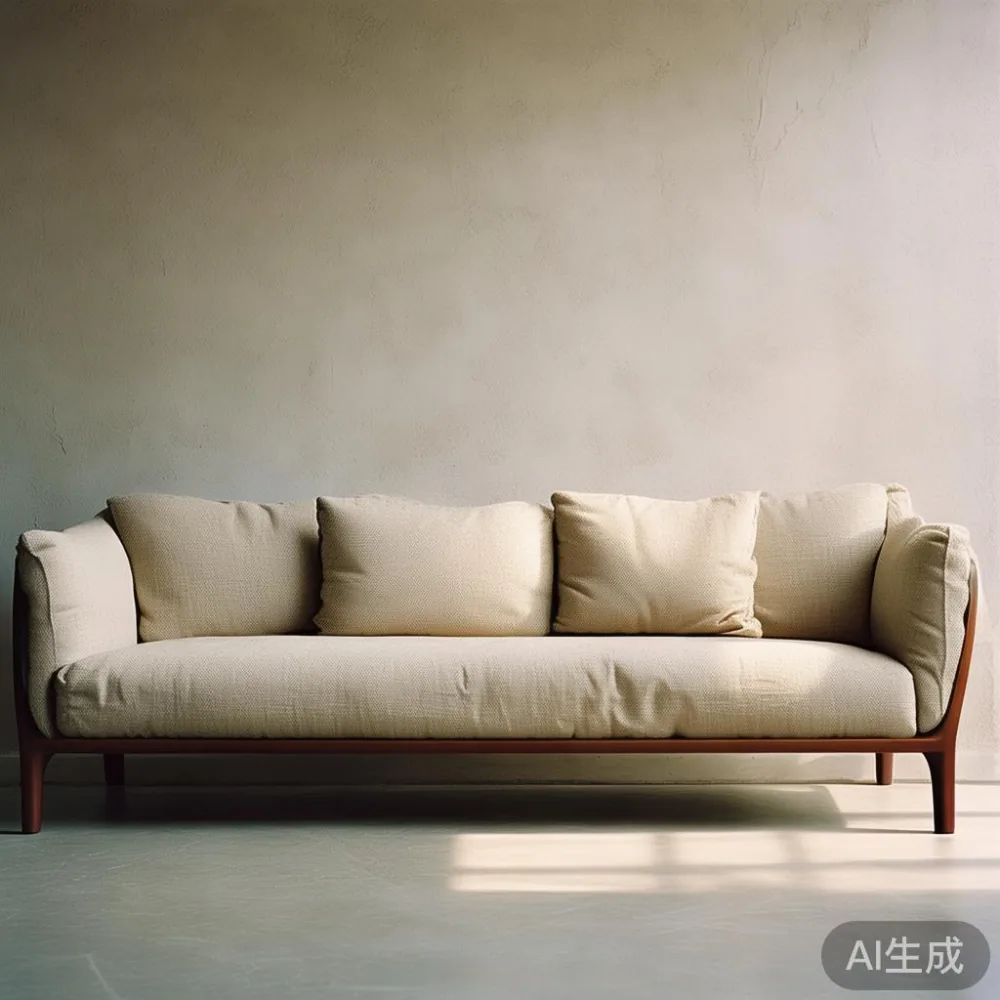
The sofa is often the largest and most defining piece of furniture in a living room. Getting its size right is paramount. A common mistake is choosing a sofa that is too large, which can dominate the space and leave little room for movement. A good rule of thumb is to allow for a 40-50 cm clearance on all three sides of the sofa (the sides and the front) for comfortable walking. For a typical 4-room HDB living room, a 2-seater or a compact 3-seater sofa is often the ideal choice. A standard 2-seater sofa is typically 180 cm long and 85 cm deep, while a 3-seater can be around 200 cm long and 90 cm deep.
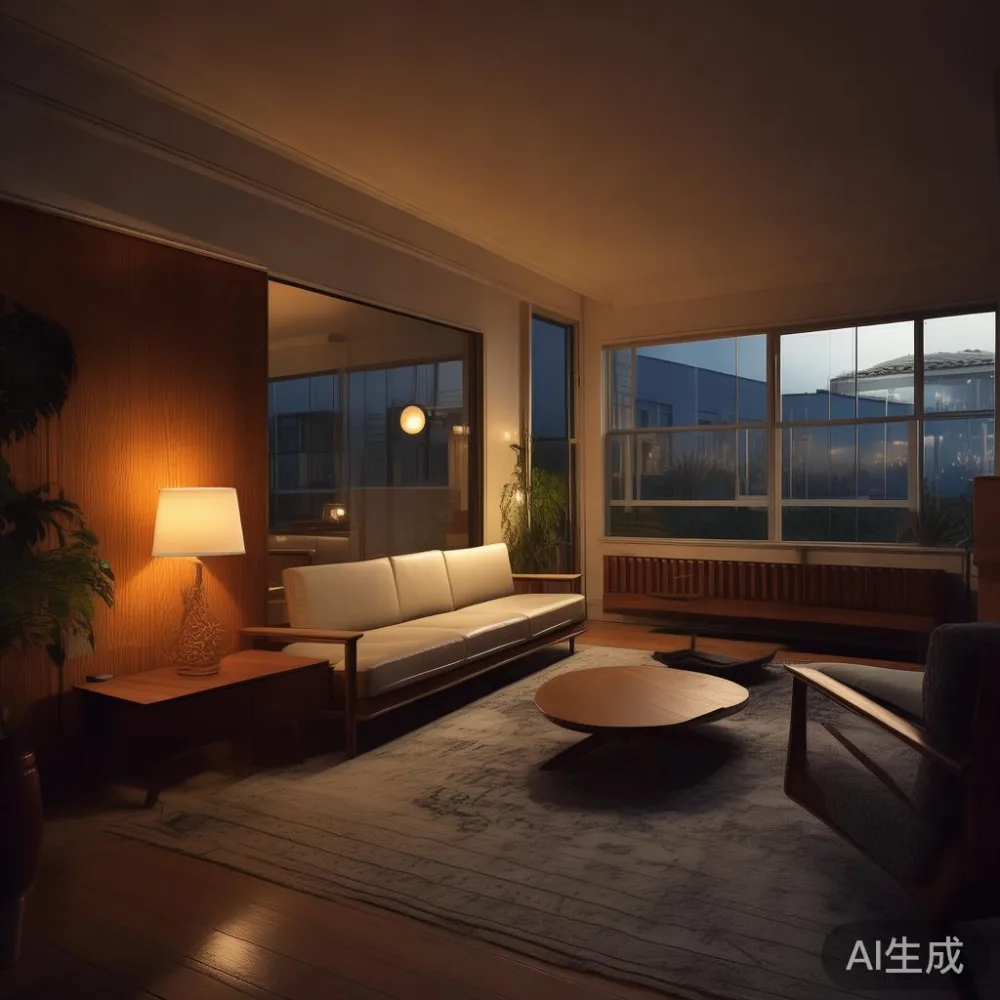
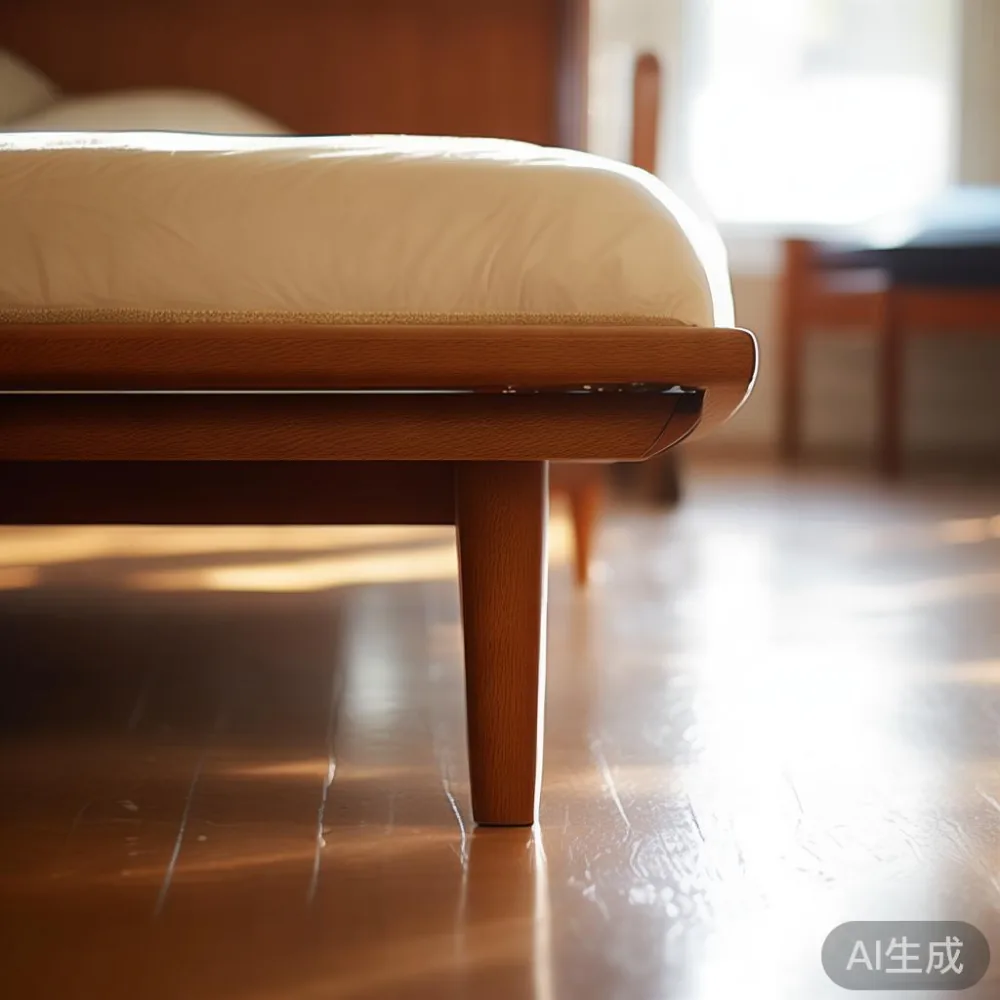
The depth of the sofa is just as important as its length. A deep sofa, over 100 cm, can be incredibly comfortable but may protrude too far into the room, making the space feel smaller. For most Singaporean homes, a depth of 85-95 cm strikes a good balance between comfort and spatial efficiency. Consider the style as well. A mid century modern sofa, with its clean lines and tapered legs, can make a room feel more open than a bulky, traditional sofa. The legs of a mid century modern sofa raise the body off the floor, creating an illusion of more space.
For those who frequently host guests, a sofa bed is a practical solution. However, ensure it doesn't compromise the primary function of the room. A sofa bed should be easy to fold and unfold without hitting other furniture. If you have the space, a smaller loveseat or two armchairs can be a stylish alternative to a large 3-seater, creating a more flexible and intimate seating arrangement. This approach allows for a more varied and dynamic use of the living room space.
What is the Ideal Size for a Dining Table in a Combined Living-Dining Area?
Many HDB flats feature a combined living and dining area, making the choice of dining table critical to the flow of the space. The table must be large enough for the household's needs but small enough to not overwhelm the room. A good starting point is to allocate a 90 cm space per person at the dining table. For a family of four, this means a table that is at least 180 cm long. However, in a compact HDB layout, a round or oval table is often more space-efficient than a rectangular one, as it eliminates sharp corners and allows for easier movement around it.
Measure the designated dining area carefully. Leave a minimum of 70-90 cm of clearance around the table for chairs to be pulled out comfortably. This is non-negotiable; less space will make dining a cramped and awkward experience. A marble dining table can be a stunning centrepiece, but its weight and size should be considered. A standard marble table for 4 people might measure 140 cm in diameter and weigh over 50 kg. Ensure the floor can support the weight and that you have enough manpower for delivery, especially if you live on a higher floor without a lift.
If your space is very limited, consider a drop-leaf table or a console table that can be extended when needed. These options provide flexibility, allowing you to have a compact footprint for daily use and expand it for weekend gatherings or family dinners. The key is to find a dining solution that adapts to your lifestyle without making the living area feel perpetually cluttered.
How to Style French Bed in Room for a Guest Room or Master Bedroom?
While the living room is the primary focus, the adjacent bedrooms are also part of the open-plan living experience in many HDBs. Styling a bedroom, particularly with a specific aesthetic like a French bed, requires careful planning. A French bed, often characterized by its elegant curves, soft upholstery, and sometimes ornate details, brings a touch of light luxury and romance to a space. The question of how to style French bed in room is less about size and more about creating a cohesive look.
The size of the bed frame itself should be proportional to the bedroom. For a standard HDB master bedroom, typically measuring around 4 metres by 3.5 metres, a Queen-size bed (160 cm x 200 cm) is common. A King-size bed (180 cm x 200 cm) might be too large, leaving little room for other important furniture like wardrobes and nightstands. The style of the French bed can dictate the rest of the room's decor. Soft, neutral colour palettes, plush rugs, and elegant lighting can complement the bed's romantic feel. A nightstand with a marble top can add a touch of sophistication and provide a practical surface for a lamp and a book.
Storage is another critical factor. HDB bedrooms rarely have built-in wardrobes, so a freestanding one is necessary. This brings us to the question: is European light luxury wardrobe worth it for a Singapore HDB? For those who appreciate clean lines, high-quality materials, and a sense of understated opulence, a European light luxury wardrobe can be a worthwhile investment. It offers superior craftsmanship and design compared to mass-produced alternatives, creating a more refined and lasting piece of furniture that improves the entire bedroom's aesthetic.
Creating a Cohesive Look with Mid Century Modern Elements
Once you have selected the core pieces for your living room and bedrooms, the next step is to create a cohesive design story. The mid century modern style is an excellent choice for Singaporean homes because of its emphasis on clean lines, functional forms, and a connection to nature. This aesthetic works beautifully with the light, airy feel that many HDB residents desire. To achieve a successful mid century modern look, consistency in material and form is key.
Consider using a mix of wood tones. A light oak dining table can be complemented by a darker walnut sideboard or a teak media console. The tapered legs on a mid century modern sofa, a dining chair, or a nightstand are a signature design element that should be repeated throughout the space to create visual harmony. Introducing natural materials like wood, leather, and marble can enhance this organic, grounded feel. A marble coffee table or a solid wood console can serve as a beautiful anchor for the living room, reflecting the clean, uncluttered principles of the style.
Lighting plays a key role in defining the mood. Sputnik chandeliers, arc floor lamps, and table lamps with geometric shades are all hallmarks of mid century modern design. These fixtures not only provide illumination but also act as sculptural elements in the room. When choosing furniture, think about how it will interact with light. A piece with a reflective surface, like a polished marble table, can help to bounce light around the room, making a small HDB living space feel brighter and more expansive.
Practical Considerations: Delivery, Warranty, and GST in Singapore
After carefully selecting your furniture, the final steps—delivery and installation—require as much attention to detail as the selection process. When ordering from a reputable brand like Midhill, it's important to understand their delivery policies. Free shipping is often offered for orders above a certain threshold, such as SGD 1,500. This can be a significant saving, especially for larger items like a solid wood sofa or a marble dining table. Always confirm the estimated delivery timeframes, which can range from 7 to 14 business days depending on the item's stock and your location in Singapore.
Understanding your rights as a consumer is important. In Singapore, a 7-day cooling-off period for online purchases is standard, but many reputable furniture companies offer more generous return policies. A 14-day return window provides a reasonable period to inspect your furniture for any defects or to ensure it fits perfectly in your home. Be aware of the Goods and Services Tax (GST). In Singapore, GST is currently at 9%, and it is applied to all furniture purchases. Ensure the price you are quoted is inclusive of all taxes to avoid any surprises at checkout.
Finally, consider the long-term value of your investment. A 10-year structural warranty is a strong indicator of a manufacturer's confidence in their product's quality. This warranty covers the frame and structural integrity of items like bed frames, dining tables, and wardrobes, providing peace of mind for years to come. For items that may show wear over time, a lifetime refinishing service is an exceptional offering. This means that if the surface of your solid wood dining table or bed frame gets scratched, you can have it refinished to look like new, extending the life of your investment significantly.
What About Smaller Items Like Nightstands and Side Tables?
It's easy to get so focused on the large statement pieces that the smaller furniture items are overlooked. However, nightstands, side tables, and consoles are important for both function and aesthetics. These pieces fill negative space, provide surfaces for lamps and decor, and help to define zones within a room. The size of these items must be proportional to the larger furniture they accompany.
For a Queen-size bed, a nightstand should be no wider than the bed itself, typically around 50-60 cm wide, and about 45-55 cm deep. This provides ample surface space without encroaching on the walking path. The height is also important; the top of the nightstand should be roughly level with the top of the mattress for easy access. A nightstand with a marble top can add a touch of elegance and is surprisingly durable and easy to clean.
In the living room, a side table next to a sofa should be within easy reach of an armchair. A height of 50-60 cm is ideal, allowing you to set down a drink or a book without straining. A smaller console table behind the sofa can serve as a display surface for art, books, and lighting. Its depth should be shallow, around 30-40 cm, so it doesn't protrude too far into the room. These smaller details are what tie a room together and contribute to a well-thought-out and polished design.