The Art of Warm Minimalism: A Guide to Mid-Century Modern Furniture for Singapore Homes
The pursuit of a home that feels both serene and welcoming is a common aspiration for many Singaporeans living in our high-density HDB flats and modern condominiums. The challenge lies in balancing the 'less is more' philosophy of minimalism with the warmth that prevents a space from feeling cold or sterile. This is where the aesthetic of mid-century modern furniture becomes an ideal solution. Originating in the mid-20th century, this style champions clean lines, organic forms, and a thoughtful use of natural materials, creating an atmosphere that is both uncluttered and inviting. For those working through the specific spatial constraints of local living, from the 1.2-metre wide corridors of a Bedok HDB block to the open-plan layouts of a Punggol Waterway Point condo, choosing the right pieces is key. This guide will walk you through the principles of matching mid-century modern furniture to a warm minimal interior, with practical advice tailored to the Singaporean context.
What is Warm Minimalism and How Does Mid-Century Modern Fit In?
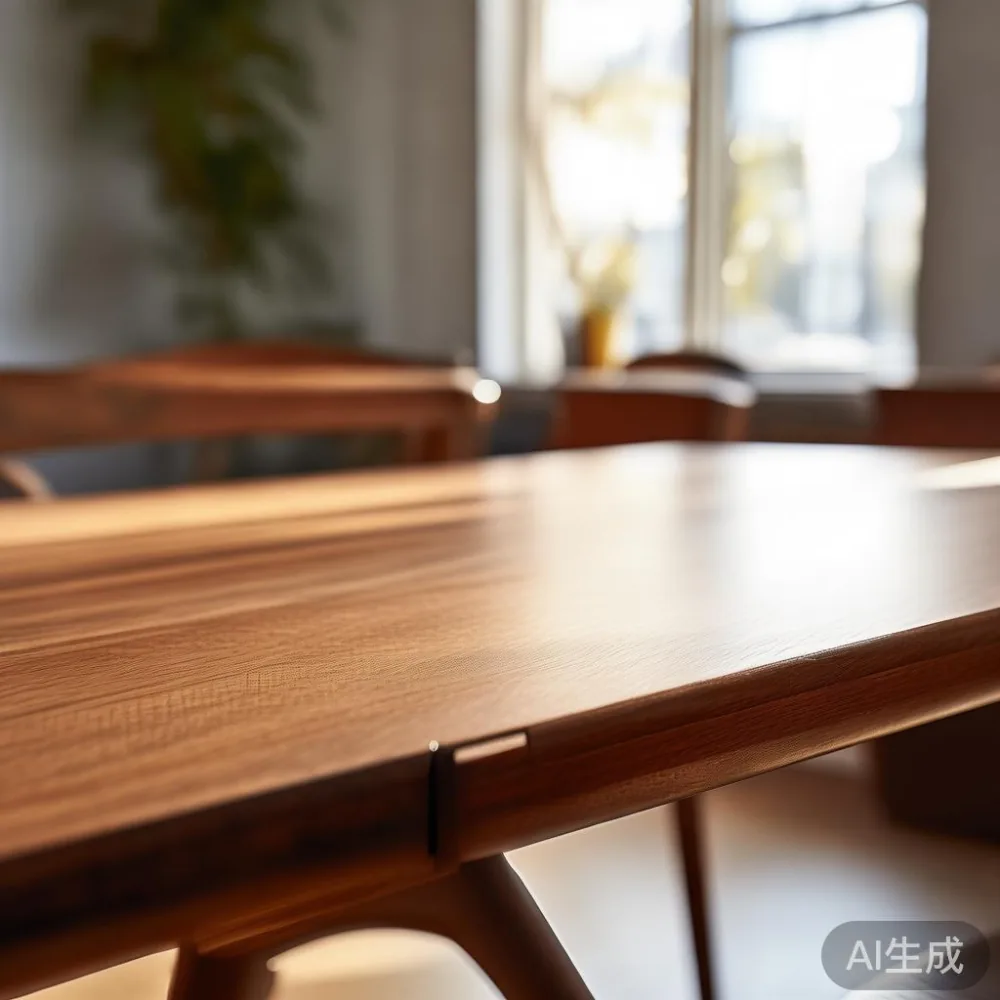
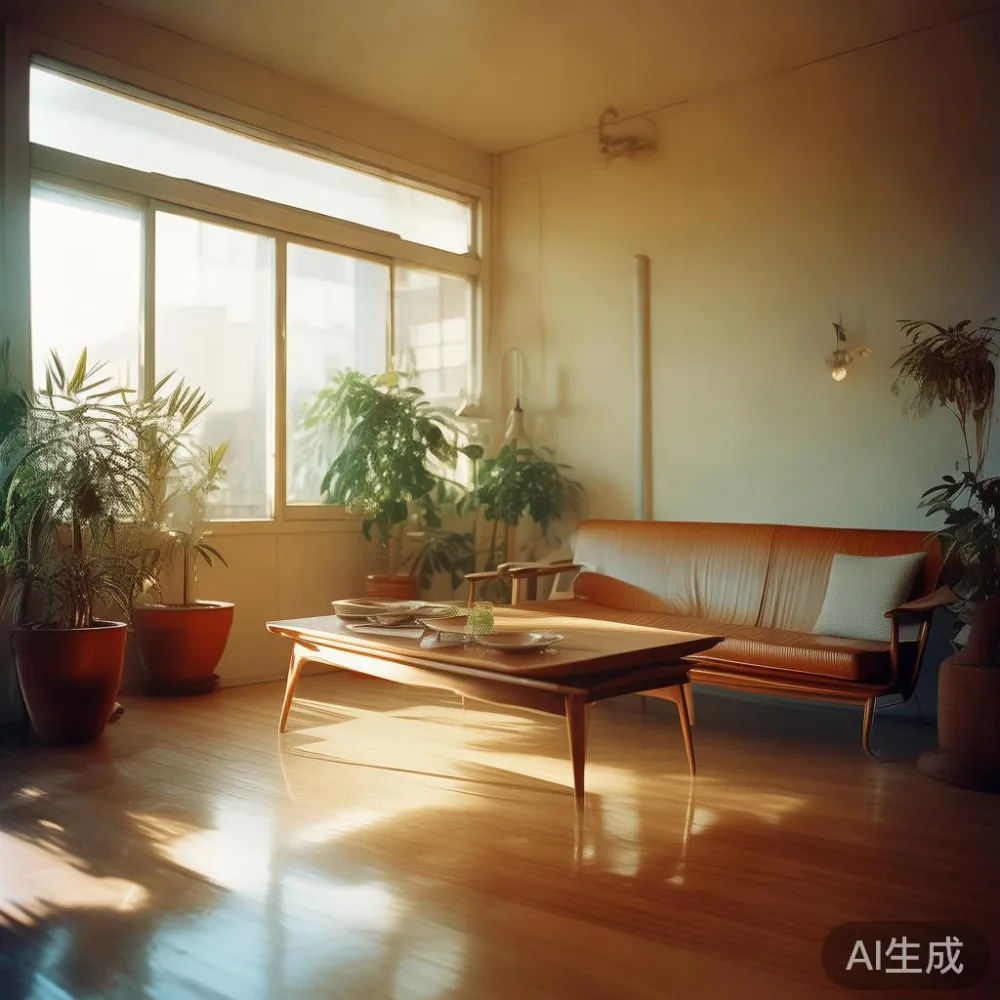
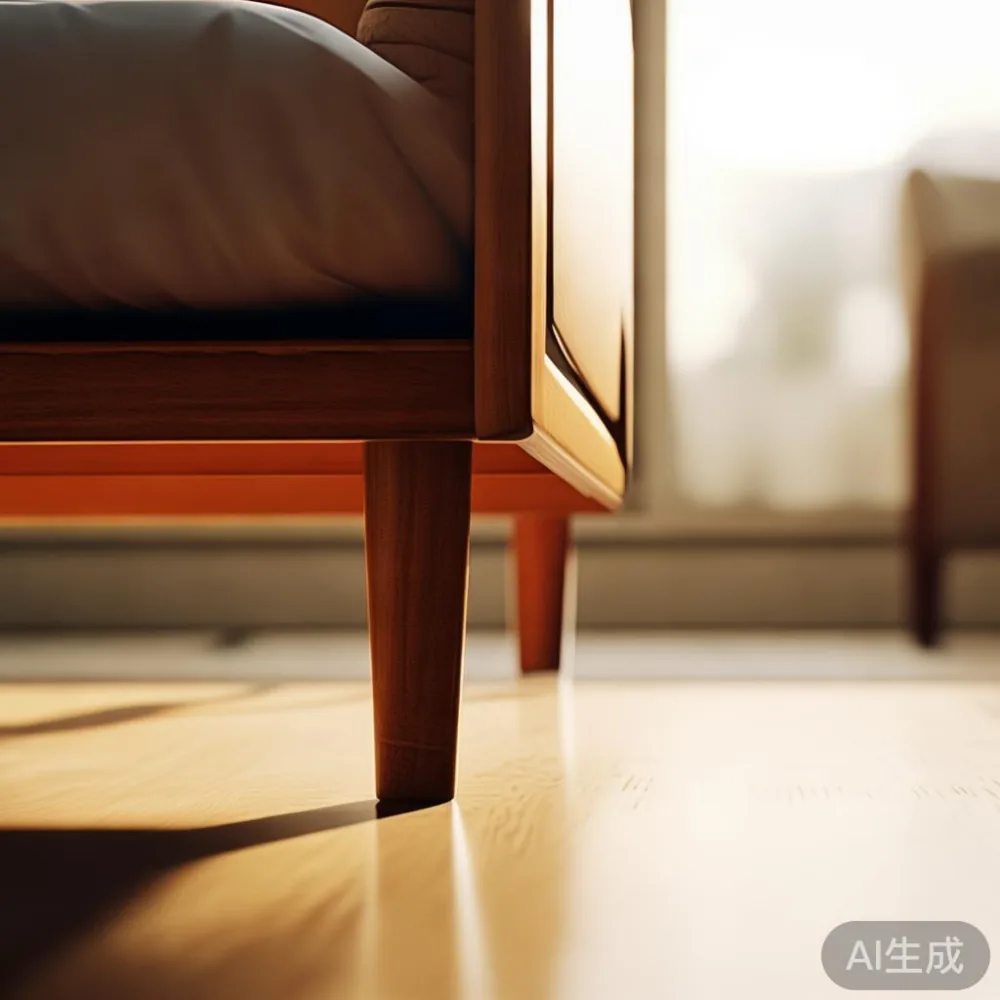
Warm minimalism is not a contradiction in terms; it is a refined approach to interior design. It strips a space down to its important elements but infuses it with layers of texture, softness, and natural tones. Think of it as a neutral canvas—think whites, greys, and beiges—enlivened by the grain of a solid wood table, the plushness of a linen sofa, and the subtle glow of a marble table top. The mid-century modern style aligns perfectly with this philosophy. Its signature features, such as tapered legs on sofas and bed frames, splayed bases on dining tables, and the use of teak, walnut, and oak wood, provide a natural warmth that hard-edged, minimalist furniture often lacks. The clean, geometric forms of mid-century modern pieces ensure the space remains uncluttered and sophisticated, while the organic materials and shapes add the necessary human touch.
Choosing Your Foundation: The Living Room Sofa
The living room sofa is often the largest and most central piece of furniture, making it a critical starting point. In Singapore, where living spaces can be compact, a sofa that is both stylish and practical is non-negotiable. A solid wood sofa with a low-profile design and tapered legs is a quintessential mid-century modern choice. This silhouette creates an airy feel, making a room appear larger, which is a significant advantage for the typical 35-square-metre living room in a Tampines HDB flat. The wood frame should be a warm, light-toned oak or a rich walnut to immediately ground the space in natural texture. For upholstery, opt for natural fabrics like linen, cotton, or wool in muted, earthy tones—think soft greige, sage green, or deep charcoal. These colours add depth and softness without overwhelming the minimalist aesthetic. When considering a purchase, think about the dimensions carefully. A standard three-seater sofa is typically 180-210 cm wide and 85-90 cm deep, ensuring it fits comfortably within your living area without blocking walkways, which are often narrow in Singapore's older estates.
Is French Provincial Bed Worth It for a Minimalist Bedroom?
This is a question many homeowners grapple with when trying to blend different styles. The French provincial bed, with its ornate carvings and curved headboards, can seem at odds with the clean lines of minimalism. However, a more streamlined, contemporary interpretation of the French provincial aesthetic can work surprisingly well. The key is to focus on the silhouette and materiality. Instead of heavily carved wood, look for a bed frame with simple, elegant curves and a whitewashed or light oak finish. This introduces a touch of light luxury and romantic softness without cluttering the space. The bedroom is a sanctuary, and warmth is paramount. Pair this bed frame with a high-quality mattress and layer the bed with textured linens—a crisp white duvet, a chunky knit throw, and a few velvet or linen cushions. The combination of the refined bed frame and the soft textiles creates a cocoon-like environment that is both minimalist and incredibly inviting. For storage, a low-profile wardrobe with recessed handles or a Japanese wardrobe with sliding doors maintains the clean, unbroken lines of the room, a practical solution for Singaporean bedrooms where space is at a premium.
The Dining Room: Where Form and Function Meet
The dining area is where family and friends gather, making it a space that needs to be both functional and aesthetically pleasing. A mid-century modern dining table is defined by its sculptural base, often featuring splayed or tapered legs made of solid wood. This base supports a tabletop that can be made of the same wood or a contrasting material like marble. A marble dining table top, for example, adds a touch of cool, sophisticated elegance and a durable surface perfect for daily use. The veining in the marble provides a natural pattern that adds visual interest to an otherwise simple form. When selecting a dining set, consider the size of your dining area. A typical dining table for 4 people is around 140-160 cm long and 75-80 cm wide. Ensure there is at least 70-80 cm of clearance around the table for comfortable movement, especially important in Singapore where dining areas are often part of the living room. Pair the table with chairs that have simple, ergonomic shapes. Upholstered seats in a soft fabric or leather add comfort and warmth, while the wooden legs of the chairs echo the table's base, creating a cohesive and harmonious look.
Storage Solutions: Beyond the Wardrobe
In a city-state where space is a constant consideration, clever storage is the backbone of a successful minimalist interior. While the wardrobe is important for clothing, other pieces are equally important. A nightstand next to the bed should be more than just a flat surface. Choose one with a drawer for stashing necessities, maintaining the bedside's clean appearance. A solid wood nightstand with a tapered leg design fits the mid-century modern aesthetic perfectly. For the living room, a TV console is a necessary piece of furniture that can often become a visual clutter magnet. Opt for a console with clean lines, perhaps a low-slung design with slender metal or wooden legs. This keeps the focus on the television itself and the surrounding wall, rather than on the furniture. For a light luxury touch, consider a console with a marble top or a subtle inlay. The best Japanese wardrobe for 2026 often features a handle-less design with push-to-open mechanisms, a proof of how storage can be both minimalist and highly functional, a principle that applies to all furniture in a warm minimal home.
Accessorising with Intention
The final step in achieving a warm minimal interior is accessorising. The key is to be selective and intentional. Every decorative item should have a purpose, whether it's aesthetic or functional. A single, sculptural vase on a marble table top, a few well-chosen books stacked on a solid wood nightstand, or a piece of abstract art on a wall can add personality and warmth without creating visual noise. Lighting is another critical element. Mid-century modern design is famous for its iconic lighting fixtures, such as the Sputnik chandelier or a simple, globe-shaped pendant light. These pieces act as sculptural elements that cast a warm, diffused glow, enhancing the cosy atmosphere of the space. Avoid harsh, overhead lighting. Instead, use a combination of ambient, task, and accent lighting to create layers of light. In my own home in a Punggol condo, I replaced a standard ceiling fan with a simple, black-framed pendant light. It immediately drew the eye upward and added a touch of sophisticated style, proving how a single change can transform a room's feel. Remember, the goal is not to fill every corner, but to curate a space that feels complete and thoughtfully put together.
Practical Considerations for Singaporean Homes
When furnishing your home, practicalities are just as important as aesthetics. Singapore's HDB and condo layouts present unique challenges. Corridor widths in older flats can be as narrow as 1.2 metres, so furniture with protruding details or bulky designs is impractical. Mid-century modern furniture, with its slim legs and compact forms, is often better suited for these spaces. Delivery is another factor to consider. Reputable furniture makers like MIDHILL offer free shipping for orders over SGD 350, which is a significant saving, especially for larger items like a dining table or wardrobe. Always check the delivery times; for example, a solid wood sofa might take 14-21 days for production and delivery. Also, be mindful of GST. The current rate is 9%, so the final price you see may not include this tax. When budgeting for your furniture, factor in all costs. A high-quality mid-century modern sofa is an investment, typically costing between SGD 2,500 and SGD 4,500, but its durability and timeless design mean it will last for years. The 10-year structural warranty offered by some brands provides peace of mind, ensuring your investment is protected.
Creating Your Personal Sanctuary
Ultimately, creating a warm minimal interior with mid-century modern furniture is about creating a personal sanctuary that reflects your lifestyle and taste. It’s about finding the balance between simplicity and comfort, between clean lines and natural textures. By focusing on key pieces like a solid wood sofa, a refined bed frame, and a sculptural dining table, you can build a foundation that is both stylish and functional. Accessorise thoughtfully and consider the practical realities of your Singaporean home. The result is a space that feels calm, uncluttered, and deeply welcoming—a place you are proud to call home. Whether you are furnishing a new apartment in Bedok or renovating a condo in Tampines, the principles of warm minimalism, guided by the timeless appeal of mid-century modern design, will help you create an interior that is both sophisticated and liveable.