Mid Century Modern: What Actually Drives the Price of Solid Wood Furniture?
Furniture prices can look surprisingly complicated on a showroom floor or an online catalogue. One solid wood dining table appears at SGD 1,280, while another is listed at SGD 4,650. Both may use timber, but the difference can come down to board selection, construction, dimensions, finishes, and the amount of hand-finishing involved. The material is only one line in the invoice.
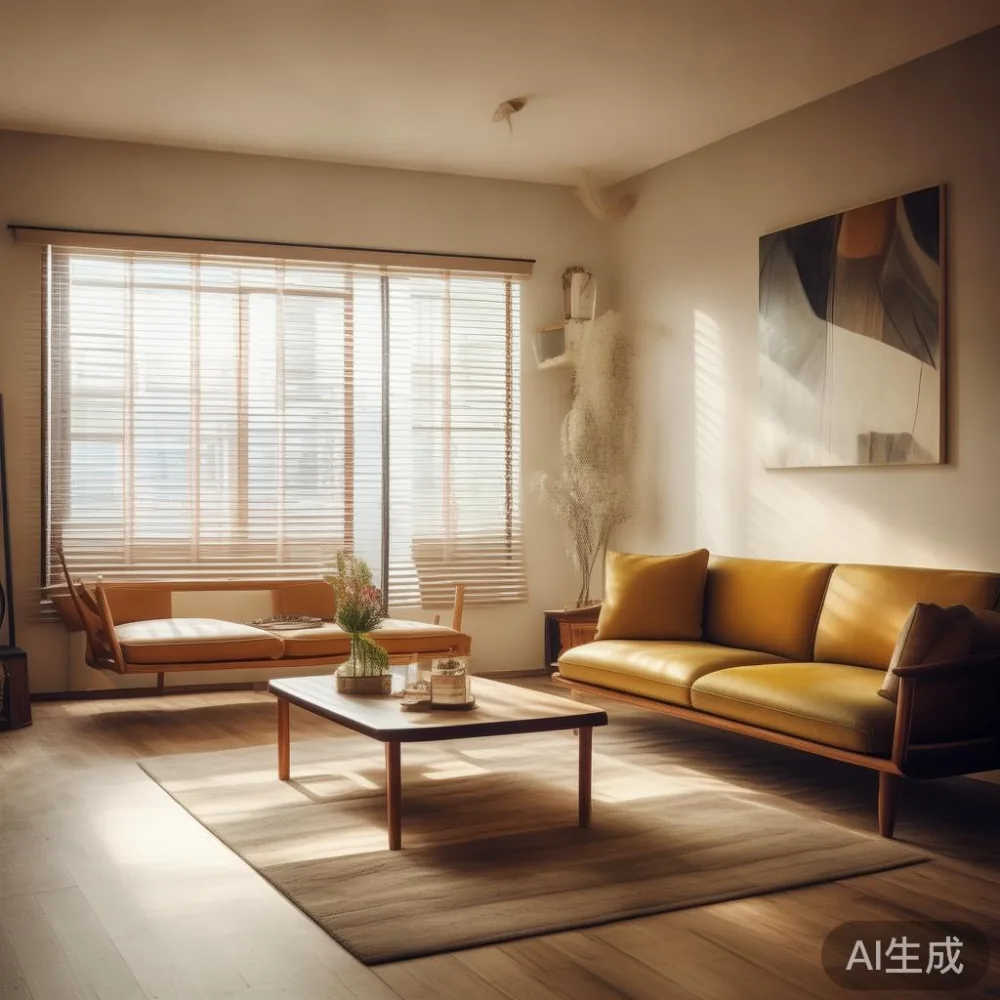
For Singapore homes, the practical question is usually more specific: will a piece fit through the HDB lift, can it be carried along the corridor, and will its proportions suit a Tampines flat, a Bedok condo, or a Punggol unit? Price matters alongside those constraints. This guide explains the real cost drivers behind mid century modern furniture, from a solid wood sofa and bed frame to a dining table, wardrobe, nightstand, and marble table.
What material costs the most in a solid wood dining table?
Wood price begins with species and grade. Teak, white oak, walnut, ash, and rubberwood each have different levels of demand, consistency, and workability. A solid teak dining table may cost more than a solid ash table because teak is valued for its oil content, stability, and distinctive grain. Walnut can cost more again because its colour and figure are less uniform, and premium boards are selected rather than accepted in whatever grade is available.
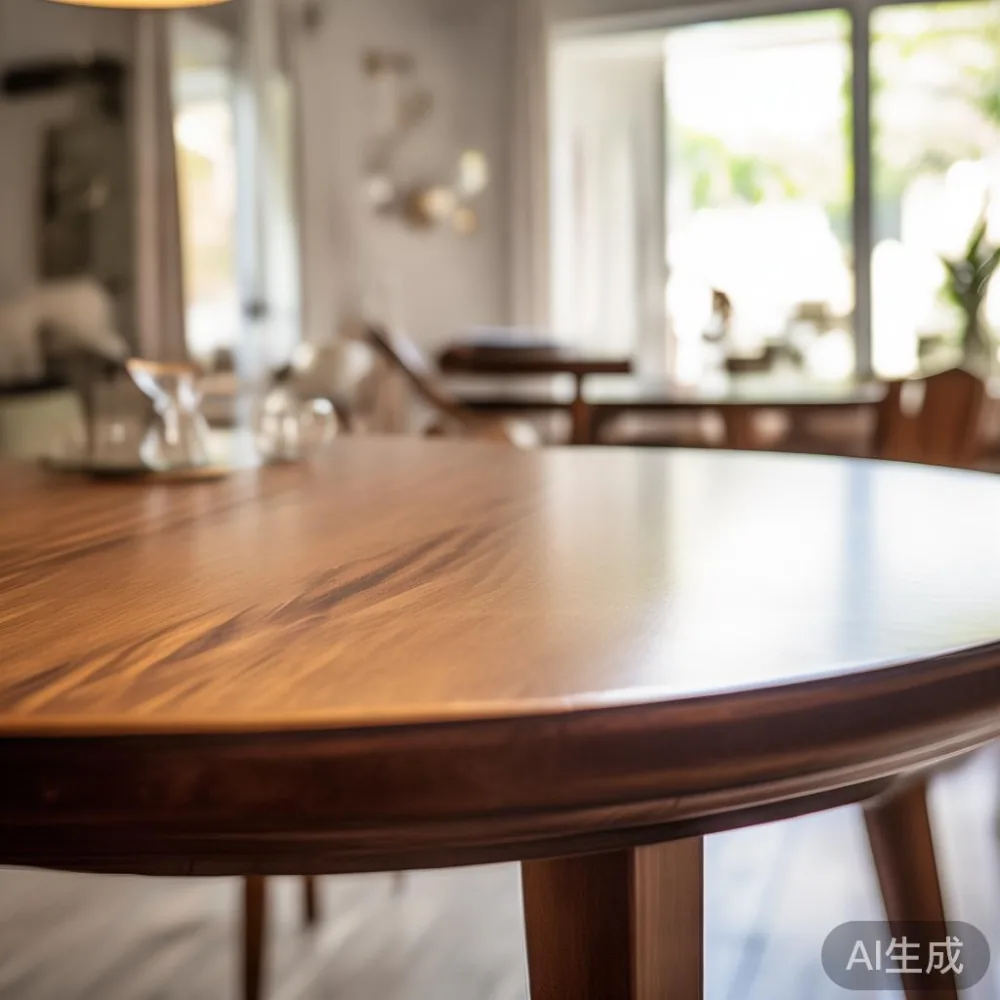
Grade affects appearance as well as price. “Select grade” timber is chosen for a balanced grain and fewer knots. “FAS” or “standard grade” pieces can show more knots, sapwood, or colour variation. Those marks do not automatically indicate weak furniture, but they change how much material can be used efficiently. A table made from narrow boards needs more joints; a table made from wider boards can often have a cleaner surface with fewer interruptions.
For example, a 200 cm dining table made from four 20 cm boards may require central joints that interrupt the grain. Using wider boards can reduce visible joints, but waste can increase if the boards do not match. This explains why two 200 cm tables with the same wood species may differ by SGD 500 or more. The lower-priced example may use smaller boards and simpler construction, while the higher-priced one selects broad, matching boards for a more deliberate appearance.

Engineered wood is a separate cost category. A plywood or particle-board core may reduce raw material costs, while a veneer, melamine, or lacquer finish adds its own processing. It is not automatically inferior for every use; it can be useful where weight, moisture resistance, or a precise painted surface matters. However, it should not be described as solid wood merely because the visible surface is timber veneer.
MIDHILL dining table pricing is easiest to understand when timber, construction, and finish are compared together. A 180 cm solid wood dining table in a straightforward finish may begin around SGD 1,580, while carefully matched timber, a shaped edge, and more intensive finishing can place a comparable table above SGD 3,500. A marble top introduces a different calculation entirely.
How much should you expect to pay for a marble table?
A marble table is priced from three material layers: the slab, the base, and the fabrication process. Natural marble varies by type, pattern, thickness, and defect level. Carrara is commonly associated with soft grey veining; Nero Marquina offers strong dark contrast; Calacatta often has bold gold or grey veins. A 180 cm by 90 cm slab at 20 mm thickness can weigh roughly 150–220 kg before the base is added. Shipping therefore needs a proper crate, lift planning, and usually several people on delivery day.
Thickness has a direct effect. Moving from 10 mm to 20 mm adds about 50 kg to a slab of that size, before considering breakage risk and reinforcement requirements. A 10 mm marble coffee table may retail around SGD 980, while a 20 mm table with a metal or solid wood base may be around SGD 2,200. The comparison should include edge treatment, drainage, and stability; a thin top that flexes is not the same as a properly supported design.
Because marble is heavy and brittle, natural movement during transport matters. Owners in HDB blocks should confirm lift dimensions and turning clearances before purchase. A common compact HDB lift measures about 120 cm by 180 cm at the door, though internal depth and building rules vary. A 200 cm table top may pass horizontally, but it may need to be tilted or turned through the opening. Corridor widths of 90–120 cm can create another pinch point, especially around corners.
At condo addresses, the seller should still ask about the loading bay, parking distance, and the number of stairs. A table that weighs 190 kg needs a planned unloading method, not merely a “delivery included” label. A full-body marble top should have insured handling during its journey to your unit.
Is joinery the hidden reason two bed frames cost different amounts?
Yes. Joinery is often a stronger price differentiator than the visible timber. A solid wood bed frame can use dowels, cam locks, screws, mortise-and-tenon joints, or a combination. Dowelled joints are economical and effective. Mortise-and-tenon joints take more time and skill because each member must be cut accurately. A platform bed with a 40 cm high timber surround may use concealed steel supports and a plywood or slatted deck, which serves a different purpose from a fully timber-framed bed.
Compare the usable sizes rather than only the headline dimensions. A “queen” bed frame may offer an internal 152 cm by 188 cm sleeping area, leaving roughly 6 cm of clearance at each side. A larger external frame may be easier to dress but harder to move in a compact bedroom. In a 300 cm wide HDB bedroom, a 170 cm frame leaves 65 cm per side before a nightstand, wardrobe doors, and circulation are considered.
Quality hardware also has a price. A soft-close drawer, a centred rail, and a stable slat system may add SGD 150–600 to a bed frame compared with a basic fixed version. These are functional differences. A nightstand at SGD 349 may have a drawer travelling on 45 mm slides and a 3 cm solid wood top, while one at SGD 699 may use wider panels, hand-cut joinery, and a hand-rubbed oil finish.
Good structural design should be visible in specifications, not merely implied by a photograph. Look for a centre support leg on slats longer than about 100 cm, regular spacing, and secure wall-anchor options where a tall headboard is involved. MIDHILL offers a 10-year structural warranty, which is more informative than a vague promise of “solid wood quality” because it defines the period and scope of structural coverage.
Why do finishes and hand-work change the final figure?
A finish is not just a transparent coat. Preparation can include sanding, filling, staining, sealing, and multiple rounds of fine sanding. On a large dining table, the labour can rival the cost of the timber. A piece finished with hardwax oil may need several thin coats, while a painted frame may require primer, undercoat, and topcoat. Lacquered surfaces can look crisp and uniform, but they are no longer easy to repair like an oiled surface.
Hand-finishing creates another band in the price range. It can involve careful filling of small voids, colour matching, grain selection, and touch-ups at edges and joints. A hand-rubbed solid wood bed frame may cost SGD 1,850, while a mechanically finished version with a similar silhouette may be around SGD 1,090. The difference pays for labour and variation control, not simply “old fashioned craft.”
For light-luxury positioning, restraint is more persuasive than decoration. French light luxury often draws on pale woods, softened corners, gentle upholstery, and balanced spacing. American light luxury tends toward deeper walnut tones, plush comfort, and generous scale. Post-modern light luxury can pair geometric shapes with quieter finishes. These styles do not require extravagant furniture; they depend on proportion, tactile quality, and visual calm.
Searches for luxury European light luxury furniture can produce very high figures, but a warm walnut nightstand at SGD 620 or a 220 cm solid wood dining table at SGD 3,180 can still feel luxurious when it has the right grain, finish, and placement. The price should reflect the object you live with, not the wording attached to it.
How do sofa construction and upholstery affect the price?
A solid wood sofa can mean a frame made from solid timber, with separate foam, fibre, and fabric layers above it. The visible timber alone rarely determines the price. A three-seat model may contain 35–60 kg of upholstery materials, springs, webbing, and foam depending on its cushioning system. Better foam density, suspension, and tailored covers add material and labour costs.
For a Singapore climate, removable covers and breathable cushioning can be practical advantages. High-density foam around 35 kg/m³ may provide firmer support, while a softer padded layer can create a plush feel. The important detail is the full build: frame, joints, spring or webbing system, foam grades, cover pattern, and stitching. A showroom photograph cannot reveal them.
Comparisons between French sofa vs Mid-century modern sofa often focus on shape: French sofas commonly show softer curves, deeper seating, and decorative profiles, while mid century modern designs use tapered legs, straighter lines, and visible timber. A compact 190 cm three-seat solid wood sofa may cost around SGD 2,680 with a basic cushion package, while a more tailored version with upgraded upholstery and a refined finish may reach SGD 4,900.
This is also where the influence of Japanese simplicity should be handled carefully. A guide to the top 10 Japandi furniture may feature pale oak, low profiles, clean joinery, and minimal visual noise. Those qualities can sit comfortably beside mid century modern furniture, but “Japandi” is a design direction rather than a guarantee of origin, timber, or quality.
Before ordering, measure the lift opening and sofa package. A 210 cm sofa may need to be separated into modules even if its width fits the doorway. Ask whether the legs can be removed and whether the modules have protective covers for the corridor.
How much does a solid wood wardrobe cost, and what changes the price?
A wardrobe combines timber, board area, hardware, doors, interiors, and installation. A 180 cm-wide, 210 cm-high, 60 cm-deep wardrobe has a large volume before anyone considers hanging rails, shelves, drawers, or mirrored panels. Hinged doors require hinges and precise alignment; sliding doors consume more internal depth because one panel must travel behind another.
A simple two-door solid wood wardrobe may retail around SGD 2,380, while fitted interiors with soft-close drawers, adjustable shelves, hanging sections, and matching nightstands can move the total above SGD 5,000. Internal divisions may add SGD 250–700 for a 180 cm unit, depending on drawer hardware and compartment sizes.
For compact rooms, useful guides on how to style European light luxury wardrobe in room can help with material coordination, but measurement should come first. An external depth of 60 cm leaves 90 cm in a 150 cm bedroom recess, enough for a 45 cm nightstand and a narrow circulation route. A 65 cm wardrobe would leave 85 cm. Full-height mirrored doors also need space to open, which is why sliding or pocket-style solutions may suit tighter HDB bedrooms.
Quality hinges can be opened and closed more than 50,000 cycles in normal domestic use. They may add SGD 100–250 per pair. Soft-close systems cost more but reduce noise and slam damage—useful in a family flat near Bedok’s bus corridors or an upstairs Punggol unit. The structural warranty should also be read separately from moving parts and surface-finish coverage.
Does delivery, GST, and installation belong in the furniture price?
They should be visible before payment. Singapore GST is 9%, and a displayed retail price may or may not already include it. If a dining table is SGD 2,680 before GST, the total is SGD 2,921.20. Comparing SGD 2,680 including GST with SGD 2,680 excluding GST creates a misleading gap of SGD 241.20.
Delivery is affected by distance, access, and weight. A normal in-town delivery may take 3–7 days after dispatch, while production lead time can add 4–8 weeks for a made-to-order dining table or sofa. Delivery to a ground-floor Singapore address may be around SGD 80–180 for a medium table; a marble coffee table, bed frame, or wardrobe can cost more because of its size and handling requirements.
Lift bookings add time. A building may restrict the service elevator to 8 am on weekdays, and a permit may be needed for moving oversized items. A seller quoting 5 delivery days has not guaranteed the furniture will arrive on day 5; it may mean the order is dispatched within 5 days. Ask whether the stated period is for dispatch or arrival.
MIDHILL provides free shipping for orders over US$350, but that threshold is stated in a different currency from the Singapore prices in this guide. Singapore buyers should request the final SGD amount, GST treatment, access charges, and installation terms in writing. A 14-day return window can also provide useful protection, subject to the seller’s conditions for custom pieces, used items, and delivery damage.
What is a fair price for quality mid century modern furniture?
A fair price connects material, build, dimensions, finish, warranty, and service to a number. A 45 cm solid wood nightstand may be reasonable at SGD 420–750 depending on timber and joinery. A 180 cm bed frame may range from SGD 1,250 for a simpler platform design to SGD 3,800 for a more substantial timber frame and carefully finished surface. A 200–220 cm dining table may move from about SGD 1,700 to SGD 5,000. A three-seat solid wood sofa may begin around SGD 2,500 and exceed SGD 6,000 with more refined upholstery.
These ranges are more useful than chasing a single low figure because they describe comparable levels of specification. One model should be compared with another of similar timber, dimensions, and construction. An oak dining table should not be judged against a walnut table solely by price. Likewise, a marble top with a steel base should not be compared with a solid wood coffee table as though both contain the same material.
The economics of luxury Mid-century modern furniture rest on proportion and execution. A 160 cm sideboard may look substantial at SGD 2,900, yet its slim doors, precise gaps, smooth runners, and durable finish determine whether it remains useful after 5 years. The same principle applies to European light luxury for small living room projects: a 120 cm console can feel more refined than a bulky 180 cm cabinet because it suits circulation and reduces visual weight.
Last month I visited a colleague’s new three-room HDB flat in Tampines and watched a 205 cm dining table arrive. It had to be tilted inside a standard lift, then turned through a corridor around 105 cm wide. The delivery team removed the legs first, protected the corners, and reassembled the table upstairs. The table itself was around SGD 2,840, but the 30-minute access process would have been impossible without checking measurements beforehand. That visit reinforced a simple rule: the price includes what the maker selected and built, while logistics determine whether that investment enters the home safely.
MIDHILL was established in 2008 and exports to more than 15 countries, giving its product development a wider reference base than a purely local workshop. Its lifetime refinishing policy also affects the long-term economics of a solid wood dining table, bed frame, wardrobe, or nightstand. Refinishing can restore an oiled surface after years of use, but the customer should confirm which finishes are covered and what the process involves.
Use the invoice as a map. Look for the timber species, solid versus engineered components, external and internal dimensions, finish type, hardware, joint system, warranty period, delivery date, GST, and return terms. If one of those lines is unclear, the lower selling price may be hiding a specification difference. If everything aligns, the price has a reason behind it.