Solid Wood Price Insights in Mid-Century Homes
Solid wood furniture can look deceptively simple: four legs, a clean top, a softly curved back. Yet the difference between a mid century modern dining table priced at SGD 680 and another shown at SGD 2,400 is rarely about appearance alone. It can come down to timber species, moisture control, joinery, hardware, finishing, packaging and the number of skilled hands involved before the piece reaches your home.
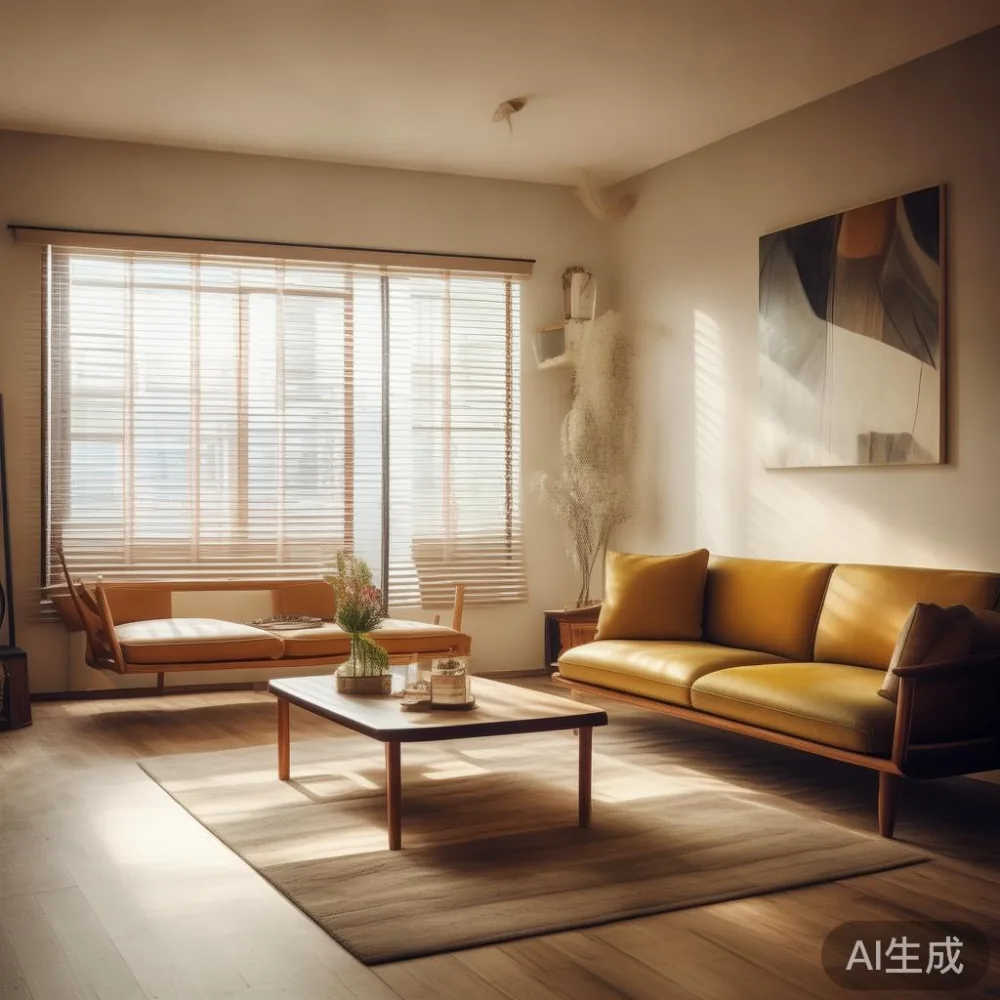
For Singapore customers, those variables matter even more because an HDB flat in Tampines, Bedok or Punggol places physical limits on furniture. A 220 cm wardrobe may fit the lift but turn the delivery into a difficult morning. A dining table may be solid wood yet arrive with inconsistent colour because it was finished in a humid environment. And a imported price may exclude GST, delivery and the replacement of a damaged corner.
MIDHILL was established in 2008 and has exported to more than 15 countries. Its approach combines a 10-year structural warranty, lifetime refinishing, free shipping above US$350 and 14-day returns. Those are tangible commercial commitments, but understanding a furniture price requires looking beneath the product page.
Is solid wood always the most expensive material?
No. “Solid wood” describes the main structural material, not the quality of every component or the labour involved. A solid wood sofa can use engineered plywood beneath the seat, engineered hardwood in hidden rails and a mix of foam, fibre and webbing for comfort. A solid wood bed frame may pair solid timber with a powder-coated steel centre support. A dining table can use solid timber for the top while the base uses thinner boards, finger-jointed parts or metal connectors.
The species creates the first large price band. Teak is valued for stability and resistance to humidity; white oak offers prominent grain; walnut has a darker, more decorative appearance. Pine, rubberwood and other regional hardwoods can cost less, while imported veneers can be inexpensive because a thin decorative layer is applied to a lighter board. Veneer is not automatically inferior, but it should be described accurately rather than presented as solid timber.

Useful specifications include board thickness, frame construction and panel composition. Ask for the timber name, whether it is solid or veneered, the thickness of key parts and the expected moisture range. A 25 mm tabletop is materially different from an 18 mm top, while a 70 mm leg is not equivalent to a 45 mm leg. These figures explain much of the price difference better than a broad material label.
For spatial planning, note that a 160 cm dining table usually needs at least 75 cm of clearance on the two long sides, and about 90 cm gives a more comfortable route for chairs. In a compact HDB dining area, a 120–140 cm table may be more practical. If you are comparing solid wood dining chairs with a upholstered option, explain the trade-off rather than treating “wood” as a complete specification.
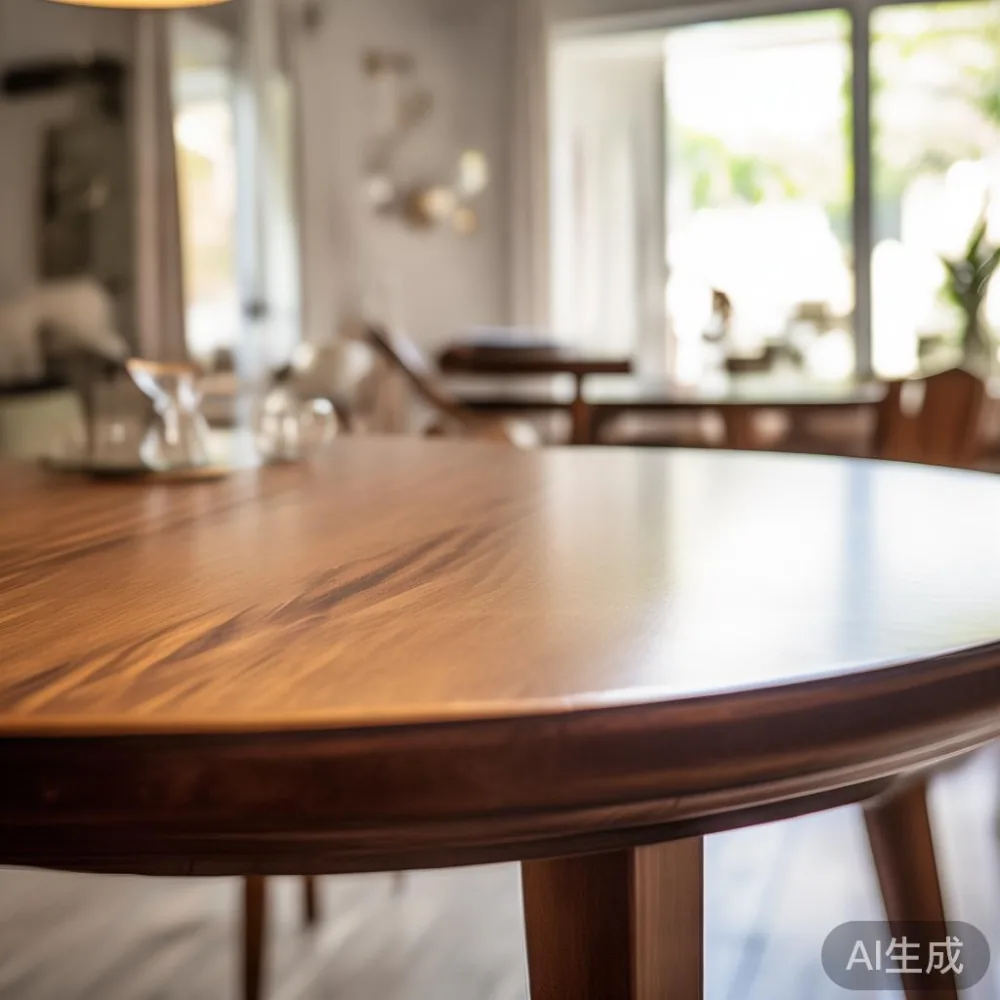
Why do two dining tables with similar dimensions cost SGD 700 apart?
Start with the tree. The same factory can produce a 180 cm table from inexpensive hardwood for SGD 690 and from carefully selected teak or oak for SGD 1,580. Premium grade means selecting boards for colour continuity, fewer knots and stable movement. That selection takes time; waste is common because one small defect can interrupt the grain across a broad top.
Construction is the next factor. Mortise-and-tenon joints, dowelled rails and solid wood joinery require more preparation and tighter tolerances than simple screws inserted into particle board. Under-table braces control movement; corner blocks and proper fasteners reduce twisting. A handmade-looking table may cost more because its edges are eased in several stages, not because it carries a fashionable label.
Finish quality can add SGD 120–450 to a comparable table. Water-based coatings may preserve a pale oak colour, while oil and wax produce a tactile, repairable surface. A multi-stage finish may require sanding between coats, dusting and curing. Matte surfaces often hide fingerprints but can show wear differently. For a marble table, price also reflects the stone thickness, cut, polish, edge treatment and reinforced substructure. A 20 mm marble top on a steel or timber base can weigh 95–140 kg, so safe delivery is part of the cost.
Minimalist for dining room is a useful design direction, but minimal appearance does not mean minimal construction. A restrained 160 cm table may contain precisely selected boards, concealed fasteners and a reinforced apron that are invisible once assembled.
How much should quality, labour and hardware really cost?
Labour is easiest to understand when comparing an open-frame chair with an upholstered solid wood sofa. Cutting a frame, shaping a backrest, joining components, sanding, finishing and assembling each chair takes predictable shop time. Upholstery adds cutting, pattern matching, padding, sewing and cover fitting. A three-seat sofa may require 25–35 hours of work; a simple dining chair may take 3–5 hours. These are production ranges, not fixed factory quotas.
Hardware can be surprisingly decisive. A basic undamped hinge may cost a few dollars, while a soft-close hinge and branded drawer runner can add SGD 25–120 per cabinet. A wardrobe with four doors may use 16 hinges, a central support, adjustable feet, drawer components and a safety system. Repeated movement over 10 years makes these small parts important.
French light luxury often interprets classic forms with pale woods, curved profiles and restrained ornament. American light luxury favours generous proportions, warm materials and cleaner detailing. Post-modern light luxury can introduce asymmetry, mixed materials and sharper architectural lines. Searching for designer light luxury furniture is useful, but the design brief should always be supported by measurable construction specifications.
One example is the comparison a buyer might make between a light luxury bed vs Modern bed. If both have a 25 mm solid wood rail system, the price gap may reflect a shaped headboard, higher-density upholstery, concealed storage and better edge finishing. If the construction is materially similar, the difference may simply be brand positioning or configuration.
Last month, I visited a supplier workshop during a production review. I tested a drawer from one wardrobe and a nearly identical drawer from another. The first had visibly generous movement and a thin rear panel; the second used full-extension runners, square corner joints and a back panel that resisted flex. Both opened smoothly on the first pull, but the heavier runner showed why the more expensive version felt better under load. It was a simple 45-minute inspection that explained a difference of about SGD 180 per wardrobe.
What does delivery to a Singapore condo or HDB flat add?
Delivery is not one fee. It includes packing, freight, customs or local logistics, carrying, unpacking and sometimes assembly or disposal of packaging. A Singapore lift measuring 100 cm wide by 210 cm deep may reject a wardrobe panel of 180 cm even if the cabinet fits flat. Corridor widths of 90–120 cm and tight turns should be checked before a large item is dispatched.
Useful measurements include the lift door, lift car, corridor turns, staircase width, and the largest door into the bedroom. A 200 cm long solid wood bed frame can arrive in two or three pieces. A 120 cm nightstand may pass through a standard opening, but a wide marble table top cannot be turned on a staircase. Ask the supplier for a packed dimension and weight, not only the finished product dimensions.
Standard delivery to many Singapore addresses may take 7–14 working days after production, while custom finishes can require 4–8 additional weeks. Peak periods, rainy weather and remote-area surcharges can alter timing. A written 14-day return policy is reassuring, but a bulky wardrobe return may still have packaging and freight conditions; understand those before ordering.
GST should be shown separately on the invoice. Singapore’s standard GST rate is 9%, so a SGD 1,200 pre-GST item becomes SGD 1,308. For a marble dining table, use a trolley with load capacity above the actual weight. A 95 kg top should not be carried by two people without suitable lifting equipment.
Why can a mid century modern wardrobe cost more than its timber suggests?
Interiors and movement account for part of the price. A 180 cm wardrobe might use 25 mm side panels, adjustable shelves, solid timber face frames and quality European hardware. Another wardrobe with the same visible size may use 16–18 mm panels, decorative framing around thinner doors and standard hinges. Both can look convincing in a showroom photograph.
Ask for an exploded drawing or sectional specification. The number of shelves matters, but so does their span: a 90 cm unsupported shelf may bow under stacked clothing. A thicker shelf, centre support or cleat adds material and labour. Hanging space, trouser rails, drawers, LED channels and mirror inserts each affect cost. Six drawers can add SGD 350–700 compared with an open hanging section.
Finishes also affect labour and waste. Spraying many components requires masking and several coats. A hand-oiled finish takes longer to prepare but can often be renewed locally. MIDHILL offers lifetime refinishing, which makes the original finish system worth discussing because some coatings are easier to restore than others. A clear sample should be tested against the actual timber rather than judged on a small colour chip.
For a master bedroom, an HDB flat with a 200 cm usable wall space may suit a 180–190 cm wardrobe, but the depth must leave room for the door and nearby furniture. A 55–60 cm depth is common, while 65 cm is more useful for a centre drawer. Plan the actual door swing; sliding doors can save 45–60 cm of clearance but use more front width and may need more tracks.
How should I compare a solid wood bed frame?
Use the centre support as a useful clue. A 180 cm solid wood bed frame should normally have more than two short legs supporting a central rail. Leg positions, centre supports, wall fixing and slat spacing determine stability. A slat gap of 4–7 cm can work with a 3–4 cm mattress, but the frame’s load rating and mattress guidance should be checked.
Headboard design creates another price step. A flat 40 cm timber headboard may add SGD 100–250; a shaped, upholstered or slatted panel may add SGD 280–800. Tall posts, concealed storage and matching nightstands increase both timber use and assembly time.
One search phrase worth keeping in mind when shortlisting a best Coastal bed for 2026 is the specific frame width, slat system and finish, rather than the style word alone. A pale oak frame with a 45 cm headboard may complement a coastal bedroom, but its suitability depends on the available wall length and ceiling height. A 200 cm long frame can be difficult to manoeuvre through a narrow corridor even when it separates into smaller sections.
For coordinated pieces, compare finish batches. A bed frame, nightstand and wardrobe ordered together can still show slight tonal variation if finished at different times. Ask whether a single batch can be used and whether future refinishing is available. This is especially important in a mid century modern room, where clean lines make grain and colour changes easier to notice.
What should a European light luxury TV console include?
An European light luxury TV console may look minimal, but cable management, ventilation and support determine its price. A useful model has a 180–220 cm top for a 140–165 cm television, with ventilated openings and a route for cables. The rear clearance should generally be 10–20 cm for plug access and airflow.
Solid timber doors can require more material than thin wrapped panels, while open shelving reduces door and hinge costs. A 180 cm console may hold 35–70 kg depending on the structure. Check the top load rating, centre-leg placement and wall fixing if children or pets are present. Drawer fronts with mitred corners and handleless channels take more work than flat slab fronts.
The same principle applies to a marble table: ask whether the base is engineered for the top’s weight and movement. Stone expands and responds to temperature differently from wood. Protective spacers, flexible adhesive and appropriate brackets help prevent cracking. This is one area where “light luxury” should not mean visually light or structurally thin.
Which specifications help you compare quotations fairly?
Request a quotation that lists the following: solid wood species or veneer construction; board and rail thickness; dimensions in cm; packed weight in kg; joint and hardware types; finish layers; number of shelves, drawers and doors; load limits; delivery days; GST; assembly; return treatment; and warranty coverage. A lower quotation may omit delivery or use thinner panels, while a higher one may include stronger components and longer-term support.
Compare at least 3 quotations with equivalent specifications. Review MIDHILL’s current product pages and specifications at www.midhill.co, then compare those details with alternatives for a solid wood sofa, bed frame, dining table, wardrobe, nightstand or marble table. MIDHILL’s export history and 10-year structural warranty provide context, but the actual configuration still determines the final quote.
Price is therefore a chain rather than a single feature. Timber starts the chain, and grading, machining, joinery, hardware, finish, packaging and local delivery add to it. In a mid century modern home, proportion and function remain just as important: a dining table should seat the intended number of people, a wardrobe should open within the room, and a bed frame should fit the lift and corridor.
The most useful question is not simply “Is this solid wood?” It is “What exactly is included?” Once species, dimensions, construction, finish, logistics, GST and warranty are visible, a fair price becomes much easier to judge—and the piece is more likely to fit the way you actually live.