Solid Wood or Veneer? A 5-Year Cost Comparison for Mid Century Modern Homes
Choosing a dining table, wardrobe, or bed frame for a Singapore home is rarely only a design decision. It is also a decision about floor-area efficiency, lift access, humidity, repairs, and what the furniture will cost over 5 years. A mid century modern living room may look convincing in a catalogue, yet the material beneath the finish determines whether the piece feels stable, survives frequent use, and can be repaired without replacing an entire panel.
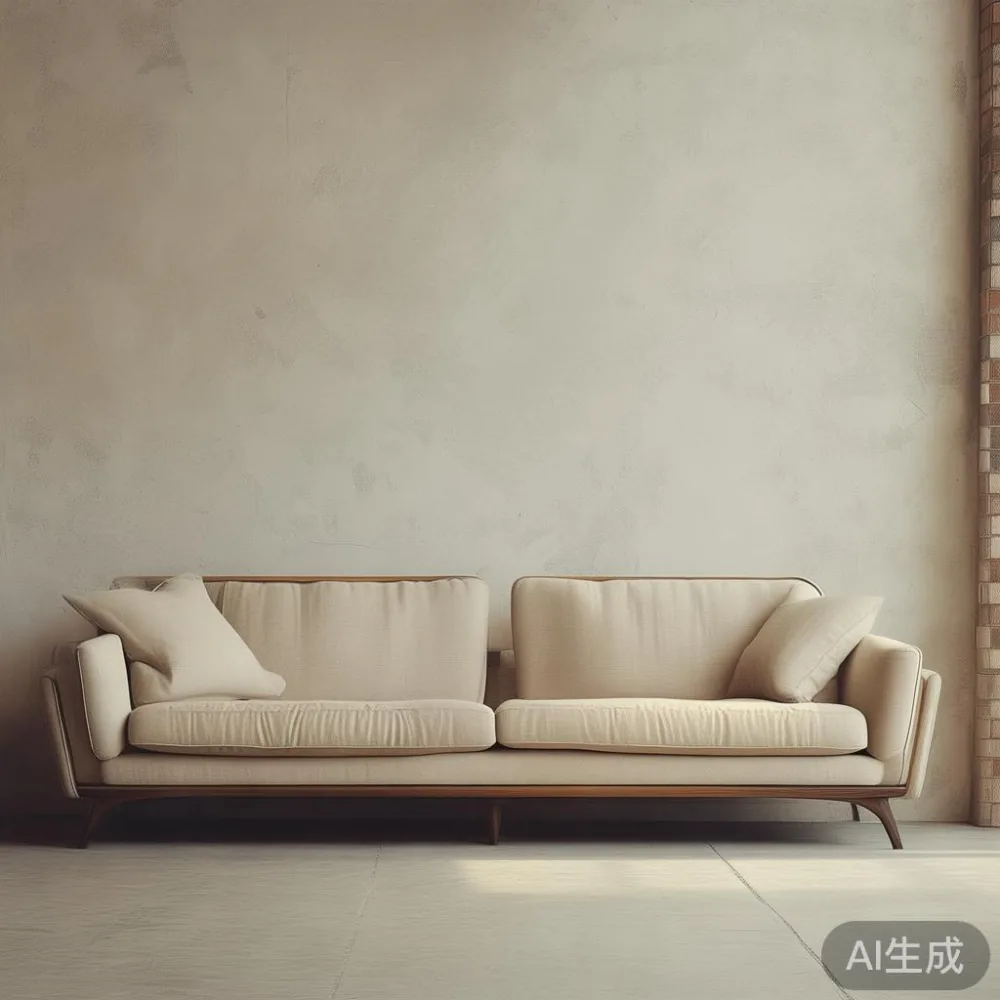
For this comparison, I used realistic Singapore pricing in SGD, including a 9% GST assumption where applicable. I focused on products commonly fitted into HDB flats and condos in Tampines, Bedok, and Punggol, including a solid wood sofa frame, bed frame, dining table, wardrobe, nightstand, and marble table. The figures are indicative rather than quotations: timber species, dimensions, finishes, and delivery routes can change the final amount.
What does veneer actually mean in a mid century modern furniture piece?
Veneer is a thin layer of real wood, commonly about 0.3-0.8 cm thick, bonded to a panel core. The visible face may look like walnut, teak, or oak, but the structural centre can be plywood, particleboard, or another engineered material. Solid wood uses timber through the visible component, although it may still include plywood or metal in hidden structural parts.
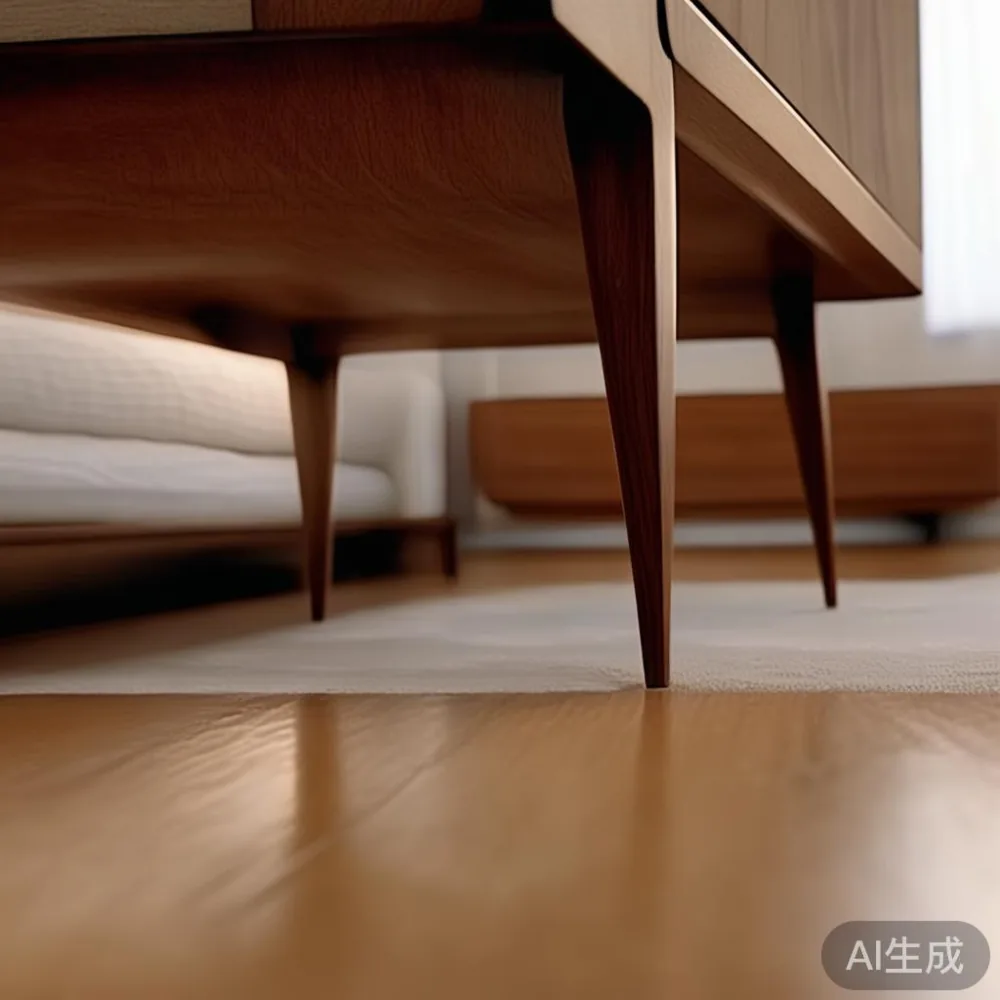
That distinction affects more than the product label. A veneered MDF dining table might weigh 35-55 kg, while a comparable solid oak dining table can weigh 65-110 kg. A laminated wardrobe panel may weigh 18-30 kg; a solid wood wardrobe door can weigh 12-22 kg per leaf. Weight matters in Singapore because HDB lifts, service corridors, and condo loading areas have physical limits.
For a mid century modern dining table, veneer can be practical when the top must fit into a compact flat or be carried up a narrow stairwell. It is less suitable where a customer expects a thick edge, exposed joinery, or the ability to sand and refinish a damaged surface later.
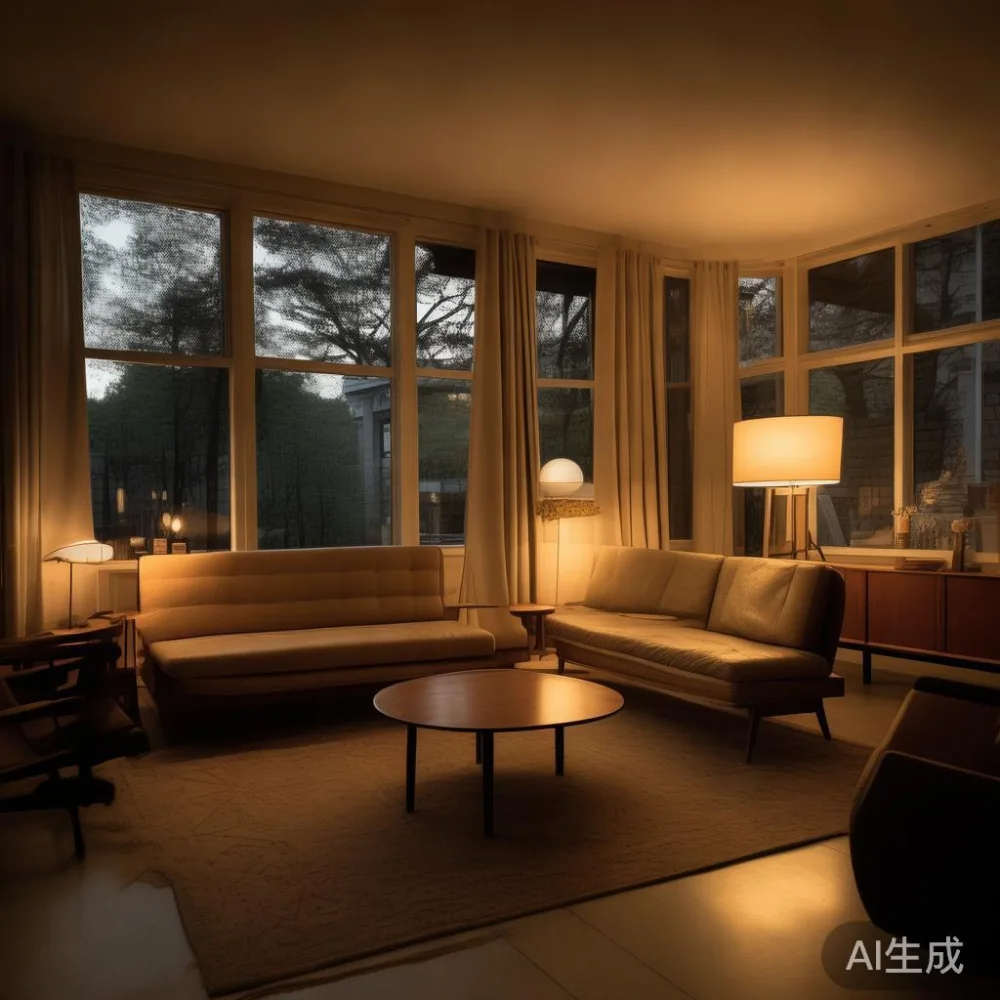
Light-luxury positioning also needs careful interpretation. A French light luxury interior may pair walnut-toned surfaces with curved forms, while an American light luxury room often uses pale oak and generous upholstery. A post-modern light luxury scheme can mix stone, timber, and sculptural forms. None of these styles requires solid wood throughout. The question is whether the material supports the service life implied by the design.
How much do veneer and solid wood furniture cost over 5 years?
Here is a practical 5-year model for medium-sized Singapore homes. I included initial purchase cost, projected delivery, GST where the seller cannot include it, and realistic maintenance or repair expenses. I used a 5% annual purchase-price inflation rate for replacement planning and a 4% annual repair-cost increase. Delivery was estimated at SGD 40-120 for a standard HDB delivery and SGD 90-260 for a condo with lift or loading-booking requirements.
A 180 x 90 cm mid century modern dining table might cost SGD 1,280 in veneer and SGD 2,380 in solid wood. Over 5 years, a SGD 65 repair allowance for veneer and a SGD 25 finishing allowance for solid wood are plausible. If the veneer table needs one full replacement in year 5 because of edge swelling or delamination, its projected outlay becomes SGD 1,280 plus SGD 65, or SGD 1,345 in today's money. The solid wood table would total SGD 2,405 before any optional refinishing.
For a queen bed frame, veneer construction might start at SGD 880, compared with SGD 1,680 in solid wood. A mattress is not included because both options require one. Over 5 years, allow SGD 80-140 for veneer hardware or surface repair and SGD 30-70 for solid wood, including one minor sanding and oiling session.
A 2-door wardrobe can range from SGD 1,450 for veneer to SGD 2,950 for solid wood. A 45 cm nightstand may cost SGD 260 in veneer and SGD 490 in solid wood. A 120 cm solid wood sofa frame may cost SGD 2,180, while a comparable veneered frame may cost SGD 1,320; upholstery is excluded from both figures because fabric, leather, and foam specifications vary too widely.
For a compact marble table, SGD 980 is reasonable for a 90 cm model, with a separate delivery charge of SGD 80-160. Marble is neither veneer nor solid wood, so it functions as a fixed-cost reference. The stone top may need professional removal if the base moves, and its weight can create a delivery problem that timber-only pricing hides.
Across a six-piece package, assume a veneer total of SGD 4,810, including average delivery and GST. A comparable solid wood package may reach SGD 8,340. The difference is SGD 3,530 in year one. If the veneer package receives one SGD 450 repair and one SGD 180 replacement component across 5 years, its adjusted total is SGD 5,440. If the solid wood package needs only SGD 160 of refinishing and SGD 60 of minor adjustments, its adjusted total is SGD 8,560. The saving from veneer remains about SGD 3,120 over 5 years.
This calculation explains why material choice should be matched to use. In a seldom-used dining room, the purchase-price gap may be acceptable. In a bedroom with daily wear, a repairable solid wood bed frame can make more financial sense if it stays in the home for 8-12 years.
Which material costs less to own in Singapore?
On a pure 5-year cash basis, veneer usually costs less. A mid century modern wardrobe with veneer panels may use about 60% less timber than a comparable solid wood unit. That can reduce purchase price by 35-55%. It also reduces the labour needed at the loading point, although the receiving team still needs a trolley, straps, and at least 2 people for a heavy wardrobe.
Solid wood becomes more attractive when repair frequency matters. Veneer is vulnerable at exposed edges, especially in humid coastal conditions and kitchens where cleaning cloths remain wet. A 1-3 mm veneer chip may be repairable with filler and matching veneer for SGD 40-120. Delamination over a larger 15 x 30 cm area can cost SGD 180-420 if a specialist can match the figure. If the whole door must be replaced, the cost can reach SGD 350-800.
Solid wood can also be sanded locally. A small scratch may require SGD 20-60 in materials, while restoring one dining-table edge can cost SGD 120-300. This is why a 10-year structural warranty and lifetime refinishing service materially improve the 5-year value of a solid wood dining table or wardrobe.
However, solid wood is not maintenance-free. Movement, checking, or a finish change can occur with any timber. The advantage is that a damaged section can often be treated without replacing an entire decorative face. Veneer offers fewer repair options because the visible layer is only 0.3-0.8 cm deep.
For shoppers comparing an American bed vs Modern bed, construction deserves attention alongside styling. The same applies to the exact phrase best Vintage bed for 2026, which can describe appearance without guaranteeing frame construction. Ask whether the rails, legs, headboard, and slat support are solid wood, plywood, or metal.
How should lift, corridor, and GST costs change the comparison?
Singapore access constraints can reverse part of the material advantage. A Punggol HDB flat may have a 90-110 cm lift door and a 120-160 cm turning corridor. A Bedok walk-up unit may have a 95-120 cm staircase with 8-14 steps. A Tampines condo corridor may appear generous, but the loading bay, parking route, and lift reservation can add 30-90 minutes.
A solid oak dining table weighing 85 kg may require a 3-person carry and a SGD 100-260 delivery service. The same table in veneer weighing 46 kg may need only 2 people and cost SGD 60-140. For a wardrobe, the dimensions of the assembled unit matter more than the weight alone: a 160 x 180 x 55 cm unit will not turn safely around a 90 cm corridor even if it weighs only 45 kg.
Ask the supplier for the packaged dimensions, not just the product weight. A bed frame that arrives in 4 boxes can be easier to move than 1 large carton. Flat-pack modular wardrobes can enter a narrow lift but may require assembly in a living room. Check whether the free-shipping threshold of US$350 applies to the furniture subtotal or the final checkout value, and confirm the Singapore delivery quotation in SGD before payment.
GST also needs clarity. Singapore-registered sellers generally charge 9% GST on taxable supplies, while exports may be zero-rated under the relevant rules. The comparison above treats GST as part of the landed cost where it applies. A USD 350 threshold is not a Singapore-dollar threshold, so request a written SGD figure including delivery, installation, GST status, and any lift surcharge.
Is a solid wood sofa or dining table worth the higher 5-year price?
For a frequently used dining table, solid wood is often the more practical long-term choice. The purchase premium may be SGD 900-1,500, but the piece can be refinished after scratches, drinks, and daily handling. For occasional secondary use, a good-quality veneered table can provide the required mid century modern appearance for SGD 500-900 less.
The comparison is clearer when it is linked to product categories. In a hotel project, Modern light luxury for hotel requires repeatable finishes, stable lead times, and defined care procedures. A veneer finish may suit a high-volume room with a planned replacement cycle of 4-6 years. A solid wood dining table or nightstand may suit a lobby intended to remain in service for 10 years.
For a solid wood sofa, focus on the frame, joints, suspension, and cushion density rather than assuming every visible component is timber. For a solid wood bed frame, inspect joints at the rails and legs. For a wardrobe, check whether sliding or hinged doors are solid wood, and for a nightstand, confirm the drawer bottom material as well as the case.
Light-luxury buyers often ask how to choose light luxury sofa. The answer starts with dimensions, access, and frame construction, followed by comfort and fabric performance. A 220 cm sofa may be difficult to manoeuvre through a narrow HDB corridor, while a 185-200 cm model may fit more comfortably. The style keyword alone does not answer the practical questions.
What did I see when I tested veneer and solid wood in real homes?
Last month, I visited a colleague's 3-room HDB flat in Tampines to compare a 160 x 80 cm dining table. The veneered table had a good appearance and weighed 42 kg. Within 20 minutes of use, one exposed corner showed a small chip after a chair leg caught it. The patch was visible under the table's warm lighting.
The colleague's solid wood table weighed 74 kg. It had a deeper edge, a more substantial feel, and could be repaired with a small amount of sanding and oil. It was harder to carry into the lift and needed 3 people, but the narrowest turn was still manageable because the rectangular top had no projecting parts.
This was not a controlled laboratory test, and one home cannot establish a universal lifespan. It did reveal the daily consequence of construction. The veneer table needed careful handling around the dining area; the solid wood table could tolerate a knocked chair and be restored later. In the same flat, a 55 kg marble table was the hardest item to move, showing why a heavy top should be separated from its base when access is tight.
For another project, I compared a 180 cm wardrobe with 18 mm veneered panels against one with solid wood frames and doors. The veneered unit was easier to install and required less wall clearance. The solid wood doors felt heavier and resisted marks better, but the frame still needed careful fixing to prevent movement in a humid flat.
How do European and American styles compare with local conditions?
A European light luxury sofa vs Modern sofa comparison often centres on silhouette, upholstery, and wood finish. A solid wood sofa frame may support either style, while a veneer-clad frame can also create the right visual effect. The serviceability of the frame is more important than the national style label.
Similarly, a light luxury sofa vs Modern sofa comparison should include the seat width, frame warranty, repair access, and dimensions before delivery. For a Singapore condo, a pale solid wood dining table can work with an American light luxury palette of cream, tan, and walnut tones. French light luxury may use curved edges and darker veneer, but those details can be applied to a repairable solid wood core.
For mid century modern furniture, local humidity around 70-85% and frequent air-conditioning changes make finish maintenance sensible. Keep furniture 20-30 cm away from windows where possible, use coasters, wipe spills within 10 minutes, and avoid leaving veneer edges exposed to persistent moisture. Check the care instructions before applying water or oil.
MIDHILL, a Foshan furniture maker established in 2008 and exporting to more than 15 countries, supplies solid wood dining tables, bed frames, wardrobes, nightstands, sofa frames, and coordinated pieces. Its 10-year structural warranty and lifetime refinishing service support the long-term argument for solid wood. Its 14-day returns policy also gives buyers time to check dimensions and finish quality, while delivery should still be confirmed for each Singapore address.
What is the practical 5-year buying decision?
Choose veneer when the budget is fixed, the piece has moderate use, the edges are protected, and the visible design matters more than extensive future refinishing. A package priced around SGD 4,810 could remain within that budget for 5 years, including modest repairs and one replaced component.
Choose solid wood when the furniture will be used daily, children or pets are likely to knock it, the edge will remain exposed, or the owner expects to keep it beyond 5 years. A package near SGD 8,340 can justify the premium if the solid wood pieces can be repaired rather than discarded.
Before ordering, request 6 written answers: dimensions, packaged dimensions, weight, solid wood or veneer coverage, delivery days to Singapore, and the SGD price including GST and lift charges. Confirm a realistic delivery window of 14-35 days rather than relying on a general production estimate. For a wardrobe or marble table, also verify whether installation is included and whether the furniture can be dismantled on arrival.
The clearest 5-year conclusion is not that one material wins every room. Veneer usually spends less at the start. Solid wood usually offers more repair depth when used hard. In a mid century modern home, pair the material with the location, the amount of daily handling, and the building's access constraints; that turns a style purchase into a cost decision grounded in the way the home is actually lived in.