Warm Minimalism with Mid-Century Modern: A Style Guide
Warm minimalism works best when a room feels calm without looking under-designed. In Singapore, that balance often begins with scale: HDB flats, Tampines executive units, compact Bedok condos, and Punggol residences all reward furniture that creates a clear focal point while preserving useful circulation space. Mid-century modern furniture suits this task because tapered legs, warm timber, restrained ornament, and clean silhouettes can make a measured room feel more open.
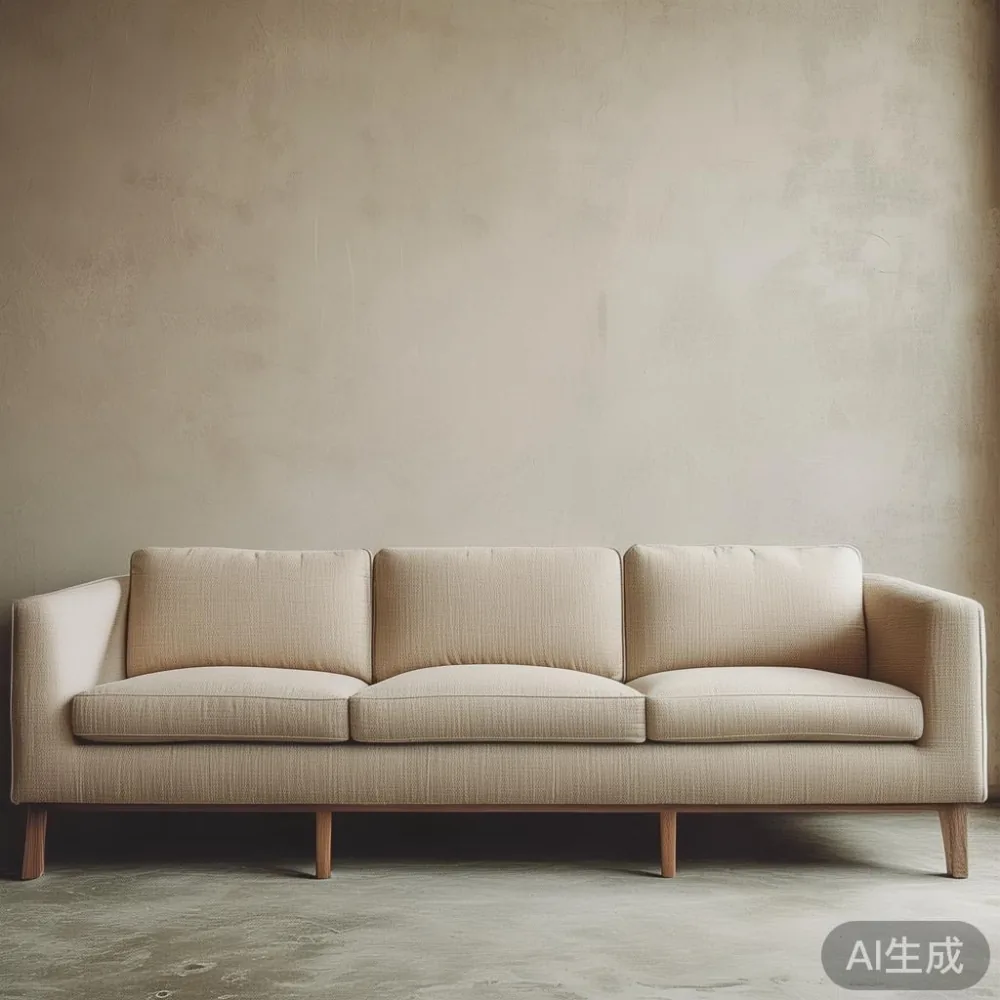
The practical challenge is proportion, not decoration. A solid wood sofa that looks modest in a showroom can dominate a 3.8 m living room, while a slim dining table may feel cramped beside a 1.1 m lift opening. This guide explains how to coordinate colour, dimensions, storage, lighting, and delivery access while keeping a Singapore home comfortable, composed, and easy to maintain.
What makes a warm minimal interior feel inviting?
Warm minimalism uses a limited palette, but it avoids the coldness often associated with empty white rooms. Combine 2 main surface colours with 1 accent colour. For example, pair pale plaster with honey-toned oak, then add muted olive, rust, or deep teal through cushions, artwork, or ceramics. Keep large walls around 2 warm neutrals rather than covering them with many competing shades.
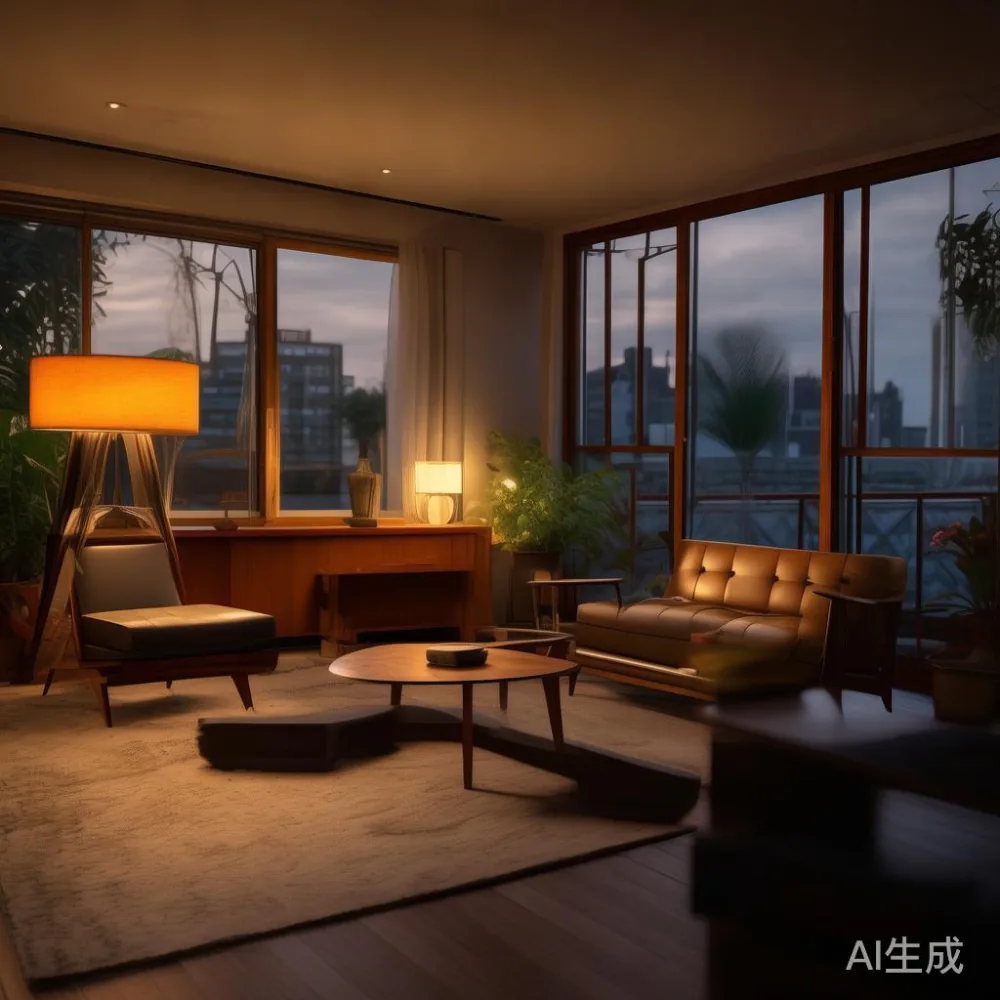
Light also changes the result. Aim for approximately 300–500 lux across seating and dining zones, supplemented by lamps at 2700K. Ceiling fixtures can provide general illumination, while a floor lamp beside a solid wood sofa adds vertical warmth. In a compact HDB living room, a 140–160 cm lamp shade can frame a 200–220 cm sofa without taking valuable floor space.
Material contrast gives minimal rooms character. Matte plaster, smooth plaster, woven textiles, brushed metal, and solid wood prevent everything from blending into one flat surface. A marble table can be useful as a reflective accent, but keep it small and purposeful; a 90 cm side table creates less visual weight than a 120 cm central table in a tight sitting area.
How do I measure before choosing furniture?
Measure the room, doors, lift, stairs, corridors, and turns before selecting large pieces. Record the sofa zone, dining zone, television position, and walkway widths. Leave at least 75–90 cm beside a sofa used for regular walking, and aim for 90–110 cm behind dining chairs. These figures matter more than catalogue dimensions because Singapore layouts can be visually compressed by walls, mirrored surfaces, and balcony doors.
For delivery planning, measure the HDB or condo lift door and internal car dimensions rather than relying on nominal building information. A lift entrance around 90 cm may accommodate a furniture package tilted carefully, but a rigid wardrobe may not pass. Ask the supplier for packed dimensions and weight, then check whether the route includes a narrow common corridor or a 180 cm turn.
Allow 10–15 cm of clearance between a dining table and nearby walls when chairs must be pulled out. For a 160 cm dining table, plan a surrounding zone of roughly 260–300 cm. A 200 cm table needs more breathing room, often 320–360 cm including chair movement. In a compact flat, choosing a 140 or 160 cm table may improve function without sacrificing presence.
I measured one Tampines HDB living room for a client last month. The available wall was 286 cm, but a balcony door reduced the practical run to 248 cm. A sofa advertised at 240 cm would have looked almost wall-to-wall, leaving only 4 cm at one end. We selected a 205 cm model instead, preserving 21–22 cm on either side and a more comfortable 80 cm path to the corridor.
Which wood tones work best with warm minimal interiors?
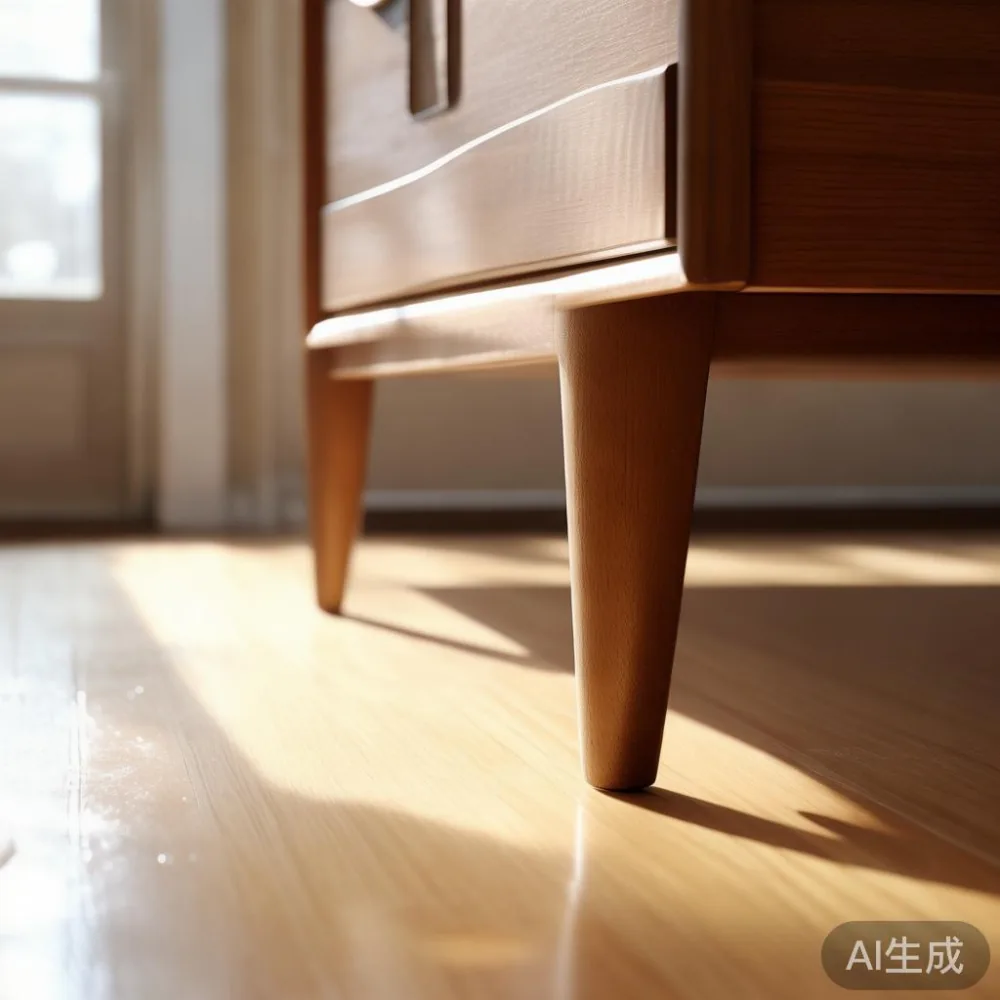
Choose a wood tone based on the room's light and existing fixed finishes. Medium oak, walnut, and warm teak create a grounded mid-century modern mood, while pale ash can make a small room feel airy. If floors are cool grey tile, a warmer timber helps soften the contrast. If floors are already golden brown, select furniture with enough colour variation to remain distinct.
A solid wood sofa, bed frame, dining table, wardrobe, or nightstand should show its material rather than imitate it with heavy grain effects. Look for stable joinery, smooth edges, and a finish that can be repaired. Warm minimal interiors tolerate visible wood because grain adds texture without requiring patterns, carvings, or excessive decoration.
Coordinate, rather than match, pieces bought at different times. A bed frame in medium walnut can sit beside a dining table in slightly lighter oak if both share a low-saturation finish. Repeat one wood family in at least 2 visible locations, but avoid making every object identical. A 45 cm nightstand, 180 cm dining table, and 210 cm sofa can form a coherent room through proportion and finish.
How do you compare a European sofa vs Mid-century modern sofa?
A European sofa vs Mid-century modern sofa comparison usually comes down to silhouette and depth. European styling may use rounded arms, softer cushions, and a more upholstered appearance. Mid-century modern seating tends to feature straight lines, exposed legs, lower profiles, and visible frame geometry. Both can suit warm minimalism, provided the proportions fit the room.
Measure the sofa's outer width and its usable seat depth. For a family seating area, a 205–220 cm solid wood sofa can seat 3–4 people while leaving 75–90 cm around it. A deeper model may provide comfort but needs more floor area. Check the arm height too: around 58–64 cm is practical for sitting, while a higher arm can suit a room that needs a more architectural outline.
For a compact Singapore living room, a low-backed sofa with tapered legs can preserve visual openness. Keep cushions to 2 colours, and use 1 patterned textile containing a muted accent. If searching for the best Mid-century modern sofa for 2026, compare actual dimensions, seat comfort, frame construction, and delivery access rather than relying on style labels alone.
Use the room's focal point to decide whether the sofa should blend or lead. If artwork or a window is already dominant, choose a quieter sofa. If the seating area is the centre of the room, a stronger timber frame and tailored upholstery can establish the composition.
What should I look for in a dining table for a warm minimal home?
A dining table should begin with daily use. Measure the dining bay and chair pull-out space before choosing a shape. A rectangular table is efficient along a wall, a round table improves flow in a square area, and an oval table softens a narrow room. Warm minimal interiors often suit a simple top with tapered or trestle supports, but the base must feel stable rather than merely decorative.
For 4 people, a 140–160 cm table is often practical; 180 cm gives more elbow room and suits 4–6 people depending on the surrounding space. Check that at least 90 cm remains between table edges and fixed objects when chairs are not in use. Plan for 90–110 cm behind each chair during meals.
French for dining room styling can bring elegance through proportion and light rather than through ornate decoration. Use 1 pendant light above the centre, 2–3 small pieces on the tabletop, and curtains that stop just above the floor. A timber dining table can carry a simple ceramic vase, while a marble table or marble side table can introduce brightness without crowding the room.
In Punggol and Bedok apartments, a 160 cm table may fit a defined dining bay better than a larger statement piece. If the space is open to the living room, align the table lengthwise with the sofa or repeat the same timber tone in both zones. That creates continuity without filling the interior with matching furniture.
How can storage support modern light luxury without clutter?
Modern light luxury with storage works when storage is integrated into the architecture of the room. A wardrobe with sliding doors can save swing space in a narrow bedroom, while a low bed frame with drawers can reduce the need for separate bedside units. Choose closed fronts where possible, with 2–3 visible materials repeated throughout the room.
For an HDB bedroom, check the wardrobe projection before ordering. A 180 cm wardrobe may be usable if only 55–60 cm projects into the room, but a 65 cm depth can leave a cramped path beside the bed. Full-height doors may feel heavier; handleless fronts and warm timber edges can create a calmer appearance.
Storage also needs to be practical rather than merely hidden. Reserve shelves for items used weekly, keep rarely used belongings in high compartments, and use 2 trays or 1 basket to contain small objects. A nightstand with 1 drawer and 1 open shelf can be useful, but a 40–45 cm width is often enough beside a 160–180 cm bed frame.
How do I style an American wardrobe in a bedroom?
To consider how to style American wardrobe in bedroom layouts, begin with the bed as the main measuring device. A 150–180 cm bed frame leaves different amounts of space for nightstands and wardrobe access in a compact room. Keep 60 cm or more between the bed and a wardrobe door where possible, especially if the door opens into the circulation route.
American-inspired furniture often works through generous scale, simple panelling, and a sense of useful solidity. An American wardrobe can suit a warm minimal interior when its doors are flat or lightly panelled, its finish is matte, and its hardware is modest. Avoid mixing several different handle styles in a room with only 1 major wardrobe.
Use lighting to make storage feel lighter. A slim wall light beside the bed can remove the need for a large table lamp on each nightstand. Keep bedside objects to 1 group per side, such as a book, a small lamp, and a tray. If the wardrobe is dark, repeat that colour in a rug or artwork; if it is pale, use the bed frame as the strongest visual element.
Does mid-century modern furniture suit Singapore homes?
It can, especially where clean lines help a compact interior feel deliberate. Mid-century modern design is well suited to HDB flats and condos because it emphasises proportion, function, and vertical openness. Tapered legs lift furniture visually from the floor, while low backs and simple forms maintain long sightlines. The result should still be warm enough for daily life, not treated as a museum display.
For a French light luxury approach, mix curved seating or a sculptural lamp with pale timber and cream textiles. French provincial for hotel references can be tempting, but residential spaces need greater restraint: choose 1 curved piece and 2 or 3 simple accessories rather than reproducing a formal hotel room. Post-modern light luxury can also work through contrast, such as a geometric rug beside a plain sofa or a marble table beside a warm wood cabinet.
Control the styling with a 70–20–10 ratio: approximately 70% in the main neutral colours, 20% in the wood and secondary tones, and 10% in accent colours. Keep décor within 3–5 visible groups per room. In a small bedroom, that might mean artwork, a lamp, a small tray, 1 plant, and bedding accents.
What are the practical costs and delivery details in Singapore?
Plan the total landed cost before placing an order. Prices should be shown in SGD, with GST clearly stated. For a mid-sized dining table, a typical allocation might be SGD 1,280–2,400 before GST, while a solid wood bed frame may range from SGD 980–2,200 depending on timber, dimensions, and storage. Sofas, wardrobes, and marble-top pieces vary more widely because of upholstery, door configuration, and weight.
Check delivery timing in writing. A Singapore order may take 14–30 days after production or stock confirmation, while a made-to-order piece may require 6–10 weeks. Add 2–3 days for scheduling if the building requires a loading-booking slot. Ask whether free shipping applies above the stated threshold; on a qualifying order over US$350, the offer may apply according to the supplier's terms, but confirm the Singapore delivery charge separately.
Protection matters because furniture arrives through shared corridors. Confirm the 10-year structural warranty, the lifetime refinishing service, and the 14-day return policy in the order record. Photograph the packaging on arrival and inspect corners, doors, and surfaces before signing. A good supplier should also explain how returns move through a lift and whether the original packaging is reusable.
For a local overview, compare specifications and policies at midhill.co before choosing a piece. MIDHILL has operated since 2008 and exports to more than 15 countries, which can be useful context when assessing manufacturing experience, though shipping promises still need to be verified for the specific Singapore address.
How do I create a balanced room in 5 practical steps?
Begin with one dominant furniture piece. It may be a solid wood sofa, bed frame, or dining table, but it should fit with at least 75 cm of useful circulation space. Next, repeat 1 wood tone in 2 places and 1 metal or stone finish in 1 small accent. Add textiles in 2 colours, keeping patterns fine enough to remain calm at a distance.
Layer lighting instead of relying on one overhead fitting. Use 2700K lamps, aim for 300–500 lux in task areas, and place a light source near the seating or bedside zone. Follow with 3–5 grouped objects on shelves or tables, leaving generous empty surfaces around them. Finally, walk through the room daily and check that doors open, chairs slide, and the corridor remains clear.
Warm minimalism is successful when the furniture gives the room a centre of gravity while leaving room for movement. Select fewer, better-proportioned pieces; measure the lift before ordering; and treat storage, lighting, and materials as part of the same composition. The right mid-century modern arrangement should feel composed in a showroom and comfortable in a Tampines, Bedok, or Punggol home.