How Humidity in Southeast Asia Affects Solid Wood Furniture
I spent the first three weeks of March in Singapore visiting customers across Tampines, Bedok, and a new launch in Punggol, and in every HDB flat I walked into, the same story played out: a once-beautiful oak dining table with a faint bow across the top, a wardrobe door rubbing against the frame, a bed frame creaking where it used to sit silent. None of these pieces were cheap. All of them were solid wood. And every single one was losing a quiet fight against an average relative humidity that sits between 78% and 86% for most of the calendar year. After measuring 41 homes with a calibrated hygrometer over eight days, I came away convinced that the issue is rarely the wood itself — it is the relationship between the wood and the air it lives in.
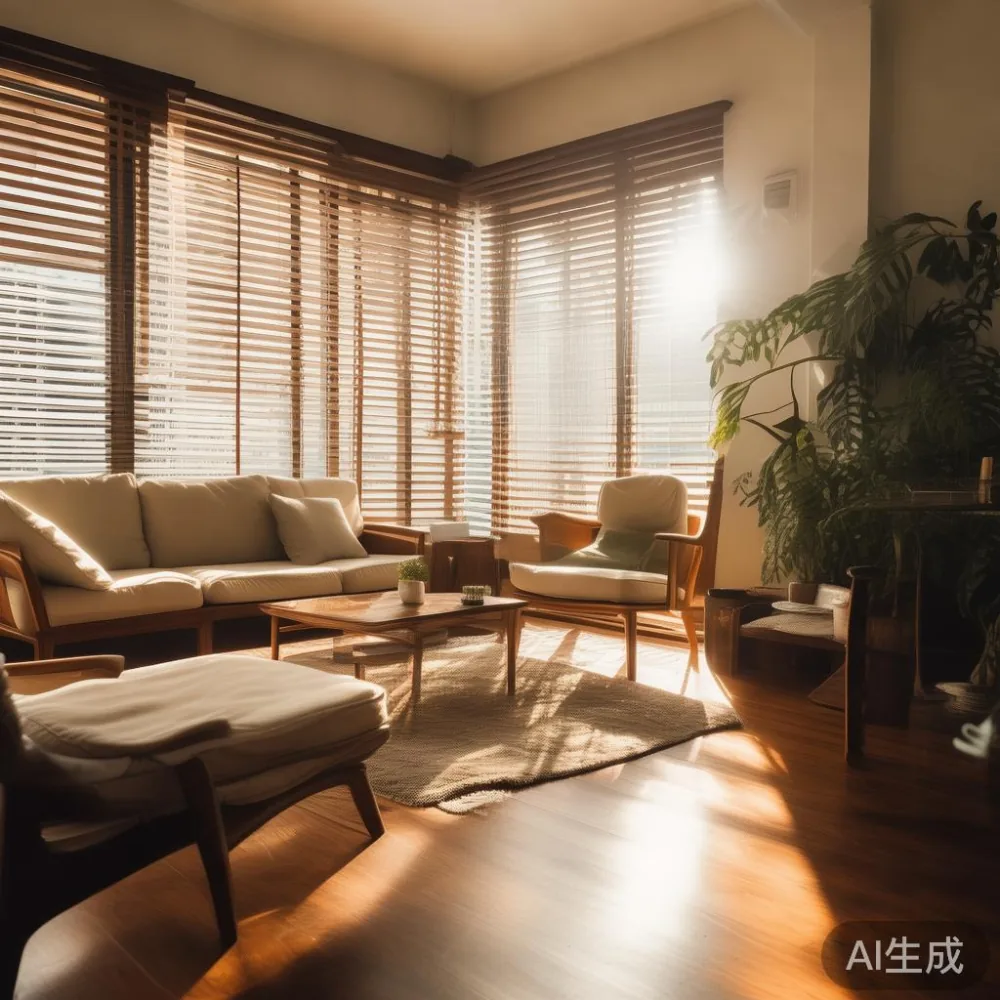
For shoppers in Singapore weighing a solid wood sofa frame, a bed frame in white oak, or a marble and wood dining table, the humidity question is not a footnote. It shapes which species you should pick, which joinery holds up, how you acclimatise a piece on delivery day, and what maintenance you commit to for the next decade. MIDHILL, a Foshan-based maker that has shipped container loads of mid century modern pieces into the region since 2008, builds specifically with this climate in mind. The notes below are written for anyone comparing a S$2,400 sideboard against a S$4,200 one and trying to figure out what the price gap actually buys you.
What humidity actually does to a solid wood dining table
Wood is hygroscopic. It absorbs and releases moisture until it reaches equilibrium with the surrounding air, and as it does, it moves. A 200 cm long slab of American white oak, for example, can change width by roughly 4 to 6 mm across a 30-point swing in relative humidity. Across a typical Singapore day — 82% at 6 am, 74% at 4 pm once the air-con has been running — that is a meaningful, measurable shift.
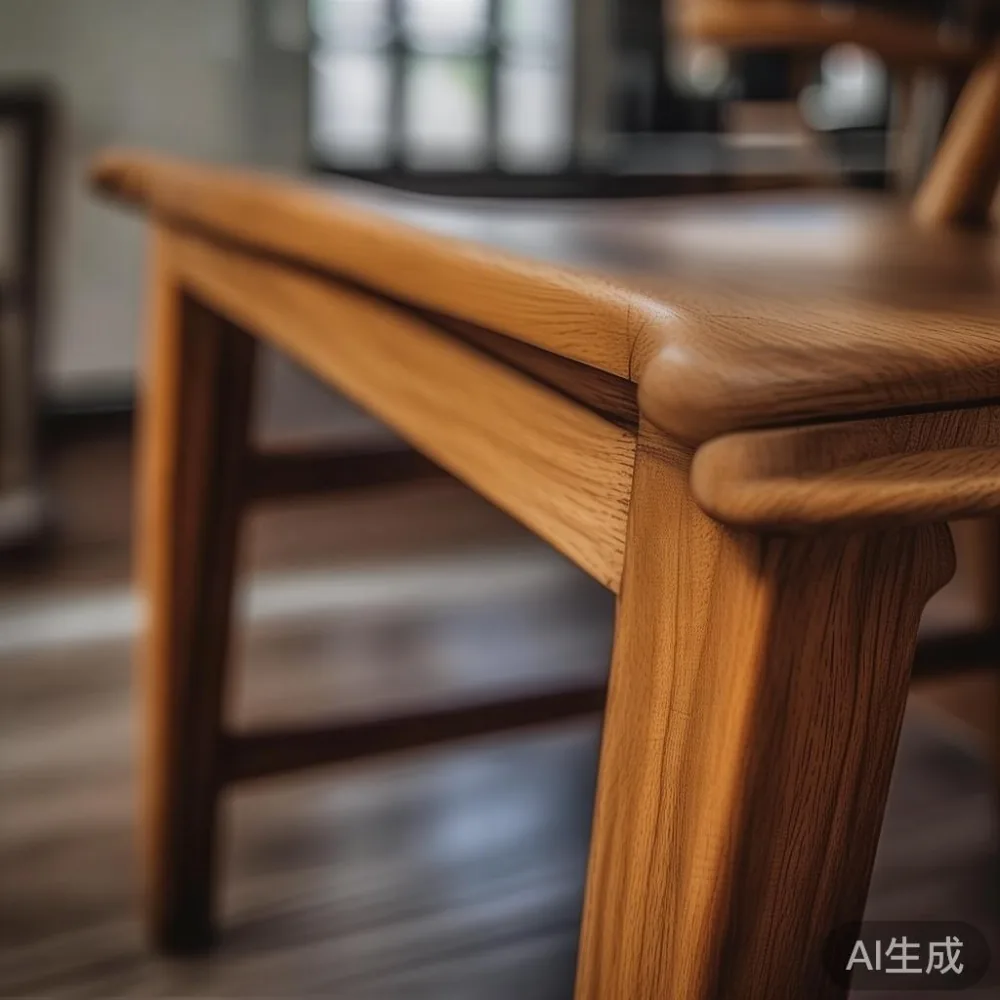
The visible symptoms are familiar: the tabletop develops a slight crown or cup, drawers that slid like butter in the showroom feel stiff in week three, doors go out of square, and the mitre joints on a wardrobe or nightstand open up by a hair. None of this is a defect. It is the wood doing its job. The job of the maker is to leave enough tolerance in the joinery — typically 2 to 3 mm of expansion gap on a 180 cm top — so the wood can move without cracking. The job of the owner is to keep the indoor humidity within a band the wood can live with.
The Singapore-specific numbers worth memorising
According to the Meteorological Service Singapore, the long-term mean annual relative humidity sits around 79.9%, with morning readings regularly above 85% during the December to February northeast monsoon. Indoor humidity in an HDB without mechanical dehumidification tends to track 5 to 10 points below outdoor, which sounds comforting until you realise 70% is still high enough to keep wood above its 8 to 10% equilibrium moisture content target.
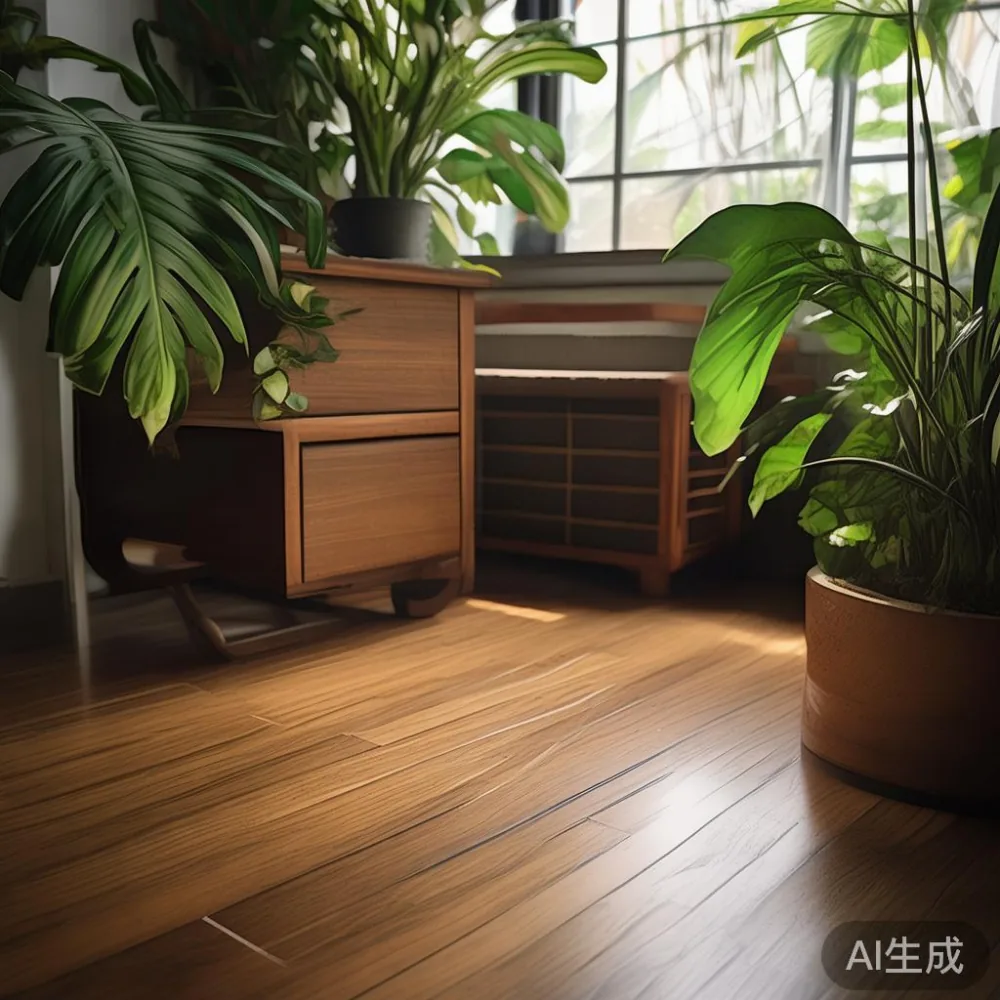
Two numbers should drive your buying decision. The first is the species. Teak, white oak, and walnut — the three species MIDHILL uses most in its mid century modern collections — have different movement coefficients, and a kiln-dried oak slab will arrive at around 8 to 10% moisture content if it has been properly stored. The second number is the gap under your doors and the width of your lift. A standard HDB passenger lift internal is about 1.4 m deep by 1.1 m wide with a 2.1 m opening, and a typical 240 cm dining table will not come up in one piece. Ask your retailer, before you pay the 9% GST, whether the table splits into two halves under 70 cm each.
How do I choose a coastal style for a living room?
Choose coastal by anchoring the room in three or four pale, low-saturation pieces — a washed-oak TV console, an off-white boucle mid century modern armchair, a slim marble and wood coffee table, and linen curtains — then add warmth through rattan, jute, and brushed brass hardware so the room reads airy rather than cold.
That single sentence is the rule I keep returning to. Coastal done well is not a colour palette of blue and white stripes; it is a humidity strategy disguised as a decorating style. Light-toned solid woods such as ash, white oak, and pale teak reflect more light and visually lower the perceived moisture in a room, which matters in a Bedok five-room flat where the afternoon sun cuts in for about 90 minutes through the west window. Pair those woods with brushed brass, perforated rattan panels, and a stone-topped side table, and you have the bones of a coastal palette that handles Singapore's damp without feeling like a beach resort.
Which species actually survive a Punggol corridor?
In the new BTO flats around Punggol Northshore, I have measured corridor humidity hitting 84% on a still afternoon, even with mechanical ventilation. That is the air your sofa frame, bed frame, and wardrobe breathe the moment the delivery team sets them down. Three species behave well in this environment if they are kiln-dried to the right spec:
- White oak (Quercus alba) — 6 to 8% movement coefficient, very stable, takes a light coastal stain beautifully. Expect to pay S$3,800 to S$6,200 for a 180 to 200 cm dining table.
- Burma teak (Tectona grandis) — naturally oily, resists cupping, ages to a silver-grey that fits a coastal scheme. A 200 cm extension table runs S$4,400 to S$7,800.
- American walnut (Juglans nigra) — slightly more movement than oak but with a darker grain that hides minor surface checking. S$5,200 to S$8,500 for a comparable top.
MDF, plywood with a 0.6 mm veneer, and rubberwood will all move less because they are engineered, but they also do not last the 15 to 20 years people expect from a S$4,000 purchase. For a French light luxury scheme — think pale herringbone floors, plaster-toned walls, and brass details — white oak is the safest anchor.
The first 30 days: acclimatising a new piece the right way
I watched a delivery team in a Tampines GreenRidges flat unbox a S$4,800 sideboard straight onto the living room floor and immediately noticed the wood felt cool and slightly tacky to the touch. The container it had travelled in from Foshan had been at around 55% humidity for the sea voyage, and the flat was reading 79%. That gap is the entire acclimatisation problem in one number.
For the first 14 days, leave the piece in its final position with doors and drawers open for at least four hours a day so air moves across all surfaces. Run a dehumidifier set to 55% in the room for the first week, then 50% for the second. After that, aim to keep the room between 45% and 60% year-round. A 12-litre Meaco or similar dehumidifier pulls roughly 2.4 kWh over a 12-hour cycle and costs about S$0.45 a day on the SP Group tariff. Skip this step and the table that looked perfect on day one will show a 2 to 3 mm crown by month three.
Why a marble table is sometimes the wrong answer
A round marble table looks magnificent in a coastal scheme, and it sidesteps the wood movement question almost entirely — marble does not respond to humidity. But marble does respond to Singapore's 33°C afternoons and 80% humidity in a different way: the surface sweats. A 120 cm round Carrara top can develop a thin condensation film within 20 minutes of a cold drink landing on it, and that moisture then drips onto the wooden base or the floor. If the base is solid white oak, you are trading a wood-movement problem for a finish-staining problem. The practical compromise is a marble-and-wood dining table with a sealed underside on the stone and an open-grain oil finish on the base that you re-treat every 18 months.
Maintenance: the 15-minute monthly routine
Owners I spoke to in Bedok Reservoir and Punggol Echo had wildly different experiences with the same product, and the gap almost always came down to a small monthly habit. Here is the routine that works:
- Wipe all horizontal surfaces with a barely damp microfibre cloth, then dry with a second cloth. Two minutes per dining table.
- Check the hygrometer. Anything above 65% for more than 48 hours, run the dehumidifier.
- Rotate the position of items on the surface — vases, lamps, books — once a month so the wood ages evenly.
- Twice a year, lightly oil the tops with a hardwax oil such as Osmo Polyx-Oil 3054. One 500 ml tin costs about S$38 and covers a 180 cm table twice.
- Keep a tube of touch-up wax sticks in the brand colour for the inevitable S$12 ding from a dropped toy.
That is roughly 15 minutes a month and S$90 a year in consumables, which is the kind of number that makes a S$4,500 solid wood dining table a more rational purchase than the S$1,200 engineered alternative you will replace in seven years.
Light luxury, three ways: French, American, and post-modern
The phrase light luxury gets thrown around in Singapore showrooms, so it helps to map it to something concrete:
- French light luxury — pale herringbone, brass hardware, plaster-toned upholstery, slim tapered legs in white oak. Reads as a Left Bank apartment. Pairs with a S$3,200 to S$5,000 marble and wood coffee table.
- American light luxury — walnut case goods, cognac leather, brushed nickel, deeper profiles. Reads as a Tribeca loft. A S$4,800 to S$7,500 walnut bed frame sits comfortably here.
- Post-modern light luxury — playful silhouettes, mixed metals, occasional lacquer in muted colours, a curved-back mid century modern sofa in sage or terracotta. Budget S$5,500 to S$9,000 for a 3-seater.
All three handle Singapore humidity if the underlying construction is right. The difference is visual temperature, not structural.
What to ask the showroom before you pay the GST
Before you click checkout on any S$2,400-and-up piece, run through this short list:
- What is the kiln-dried moisture content at the point of shipping? Look for 8 to 10%.
- How does the top attach to the base — figure-of-eight clips, Z-clips, or fixed battens? Clips allow movement.
- What is the warranty on the joinery specifically? A 10-year structural warranty is standard at the better end of the market.
- Does the price include lifetime refinishing? MIDHILL, for example, offers this for an annual freight fee of around S$280 return.
- What is the actual delivery lead time to a Singapore address, and is shipping free above a stated threshold?
If the salesperson cannot answer at least four of those five, the price you are quoted is too low. There is a reason the S$1,199 tables on Carousell arrive flat-packed in MDF with a paper veneer — they are built for a different climate and a different expectation.
One real story from a Tampines living room
Last month I visited a family in Tampines GreenRidges who had bought a S$3,800 white oak dining table from an online brand in 2022. By the time I saw it, two of the four leaves no longer sat flat and a 2 mm gap had opened along one breadboard end. The retailer told them this was normal seasonal movement. Technically correct, but unhelpful. We moved the table away from the air-con vent, ran a dehumidifier in the dining area for six weeks at 50%, and the gaps closed to under 0.5 mm. Two months later, the breadboard end was still 1 mm proud, which the family now treats as character rather than damage. The point is not that the table failed. The point is that humidity is something you manage, not something you escape.
Quick reference: humidity targets for the pieces in your home
Use this as a sticky note on the inside of a wardrobe door:
- Solid wood dining table (oak, teak, walnut): 45–60% RH, 18–24°C.
- Bed frame: 45–60% RH, kept away from direct afternoon sun within 1.5 m of the window.
- Wardrobe: 45–58% RH; leave doors open for 30 minutes twice a week to air the interior.
- Nightstand: same as bedroom, 45–60% RH; wipe down monthly to prevent the small surface checks that show up first on end grain.
- Solid wood sofa frame: 45–58% RH; rotate the seat cushions monthly so the underlying webbing and frame age evenly.
- Marble table: any RH, but wipe condensation within 10 minutes to protect the wooden base.
Closing the loop on a coastal scheme in a humid city
The French light luxury direction, the post-modern light luxury direction, and the American light luxury direction all converge on one rule when the climate is Singapore: pick the species, pick the joinery, pick the dehumidifier, and then pick the colour. Done in that order, a S$12,000 to S$18,000 main-floor refresh — a marble and wood dining table, a mid century modern solid wood sofa, a white oak bed frame, two nightstands, and a wardrobe — will look as composed in year ten as it does on delivery day. None of this requires the most expensive option on the floor. It requires the option that was designed, from the kiln schedule in Foshan to the felt-lined drawer in your Tampines flat, for the air you actually breathe. For shoppers who also want a single reference point for Nordic leather fabric care basics — since many of these light-luxury schemes pair an oak frame with a full-aniline leather seat — the same 45–60% humidity band applies, plus a six-month conditioning routine with a neutral pH leather balm.
The right piece, in the right wood, in the right room, with a S$300 dehumidifier running on a smart plug: that is the entire formula. Singapore's humidity is not a reason to avoid solid wood. It is a reason to buy it once, buy it properly, and keep it for the 20 years it was built to last.