How Southeast Asian Humidity Affects Mid Century Modern Furniture in Singapore
Singapore’s equatorial climate can place a surprising amount of stress on solid wood furniture. Outdoor relative humidity often shifts between 65% and 90%, while air-conditioned interiors may fall to 45% and 60%. For a solid wood dining table, bed frame, wardrobe, or nightstand, repeated expansion and contraction can open fine joints, encourage mould around damp contact points, and leave cloudy marks on finished surfaces. Understanding how humidity travels through a Singapore home is the practical starting point for keeping mid century modern furniture stable, clean, and usable for many years.
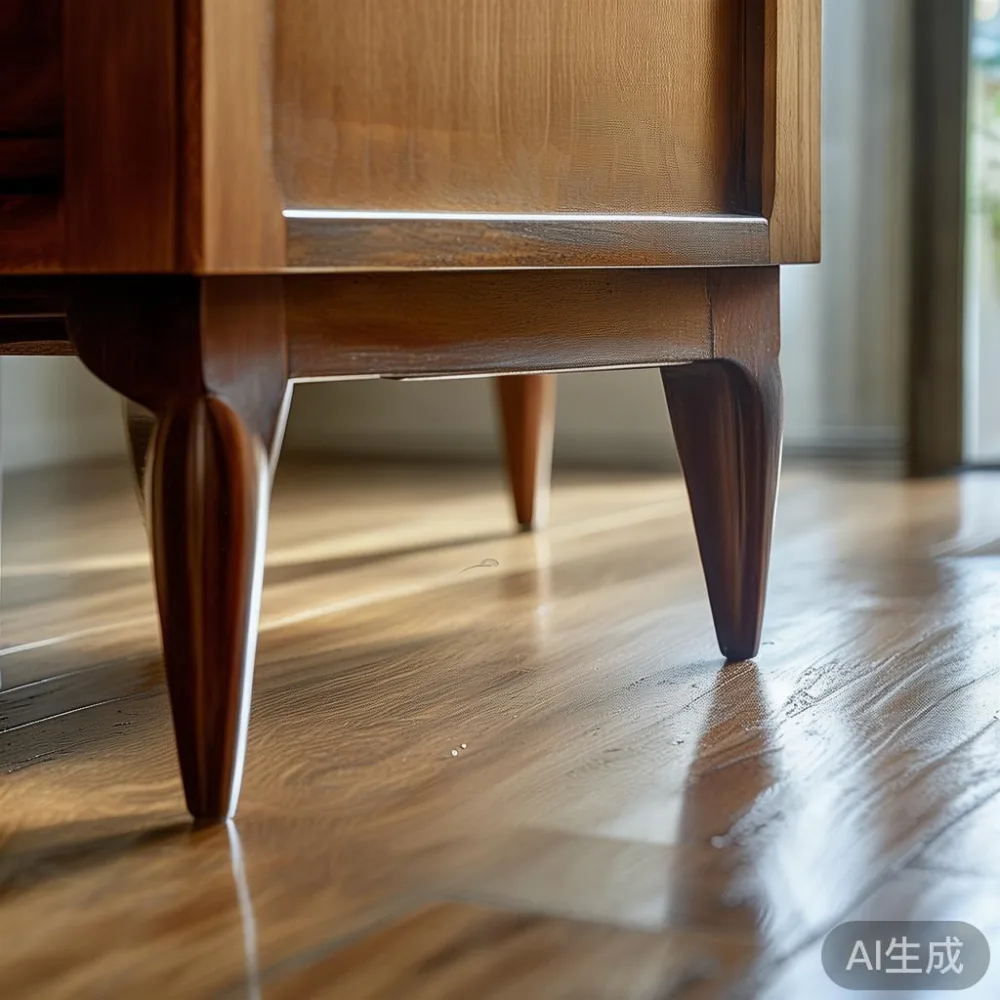
At MIDHILL, we build and export solid wood furniture for customers across 15 countries, with a 10-year structural warranty and lifetime refinishing support. Local conditions still matter: a 180 cm dining table that feels substantial in a Tampines HDB flat should not warp because its owner moves between a humid balcony and a dry bedroom. The same principle applies to a 200 cm solid wood sofa frame, a 160 cm bed frame, or a narrow wardrobe installed beside a Bedok condo’s service corridor.
The goal is not to treat wood as inert. Wood naturally responds to moisture, and strong differences in humidity can produce movement of several millimetres across wide panels. Instead, furniture selection, delivery acclimatisation, assembly, and maintenance should account for Singapore’s living conditions. That makes the difference between merely owning furniture and choosing pieces that can remain part of a well-used home.
How much humidity can Southeast Asian wood furniture absorb?
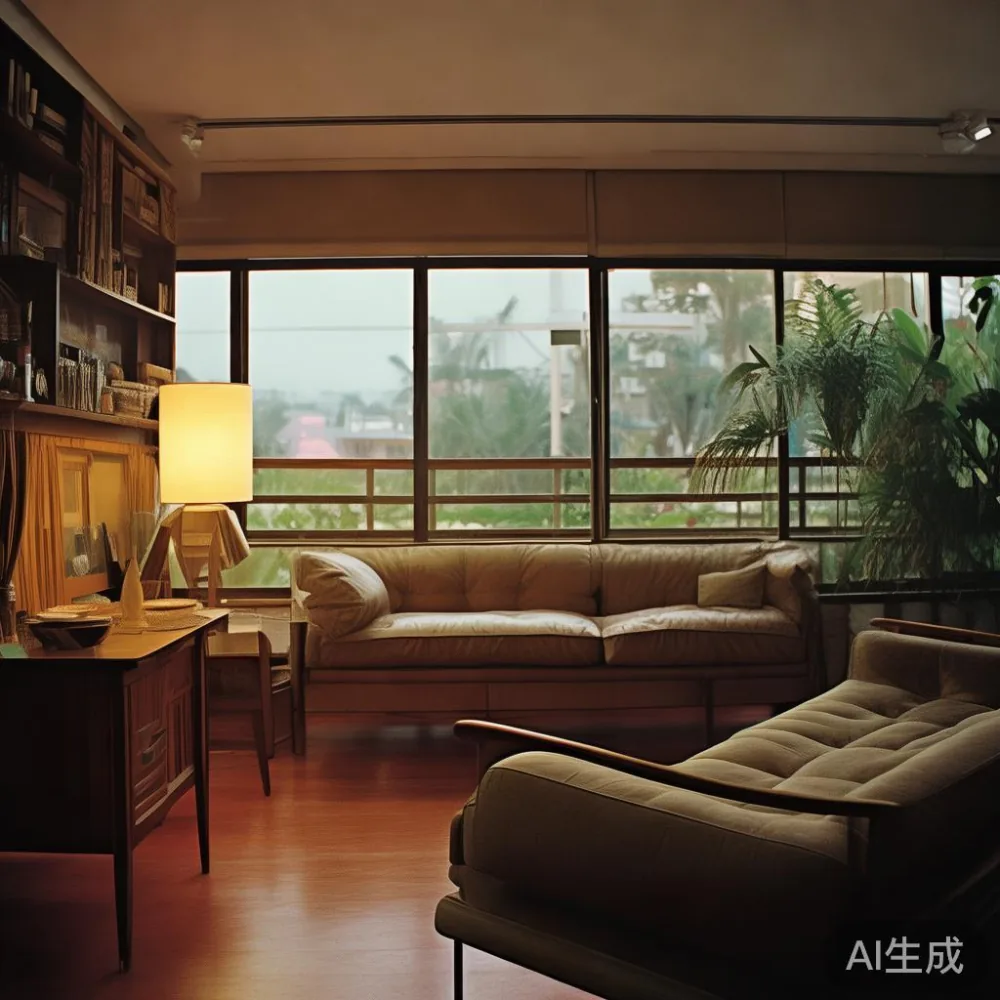
Wood usually reaches a balance with the surrounding air by absorbing or releasing moisture through its surface and exposed end grain. Southeast Asian humidity is not a single fixed number. In Singapore, a rainy afternoon may raise an outdoor sensor to 92%, while a room with air conditioning may settle near 52% after an hour. These fluctuations matter more than one high-reading night because repeated cycling stresses joinery, veneer edges, drawer runners, and finishing coats.
Common hardwoods used in mid century modern furniture include teak, oak, ash, and rubberwood. Teak’s natural oils offer useful resistance in humid settings, while oak and ash can move more visibly as their moisture content changes. A manufacturer may describe a finished panel as stable, yet the actual response depends on thickness, grain direction, cut, finish, and support. A 24 mm tabletop is not identical to a 18 mm top, and a solid wood sofa with a reinforced frame should behave differently from a loose decorative shelf.
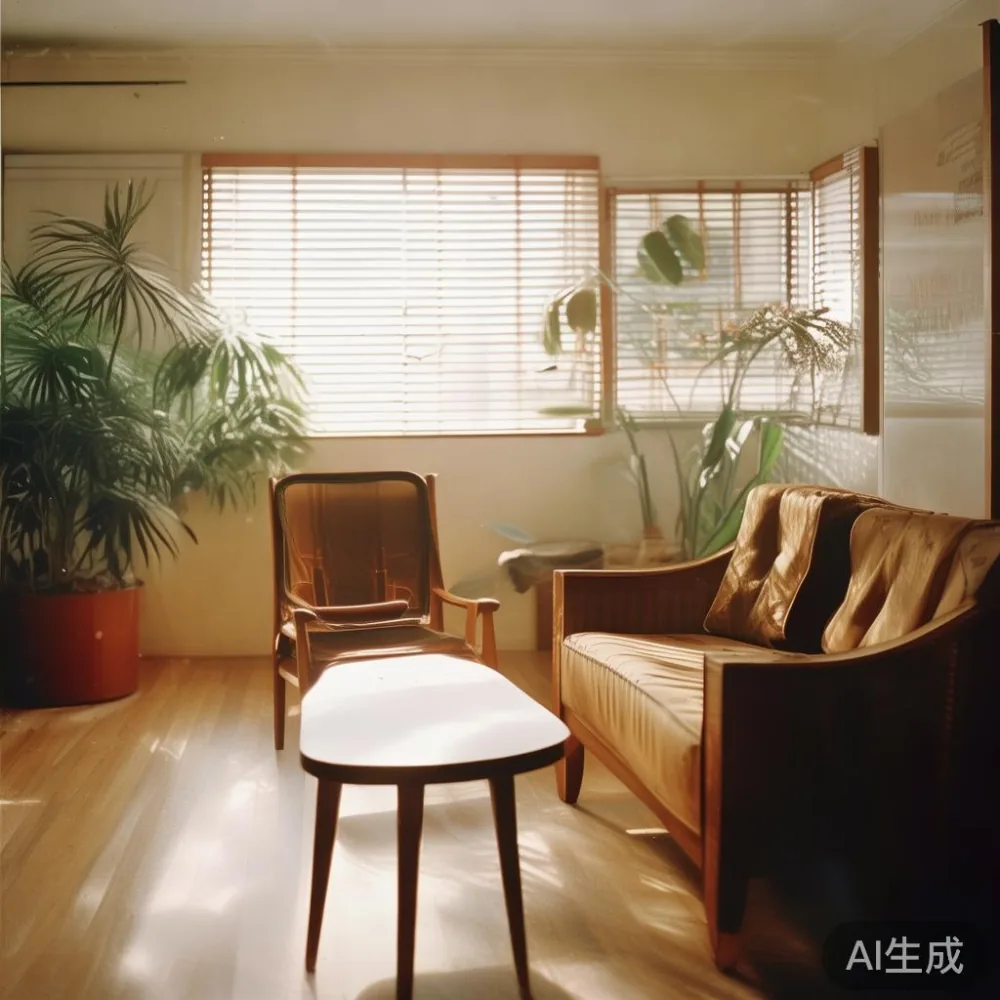
Local condensation adds another factor. Singapore’s lift shafts, corridors, and sheltered lobbies can trap warm vapour, and chilled surfaces develop visible water droplets. An unboxed wardrobe arriving at 9:00 p.m. after a 30-minute journey from the distributor may be exposed to another 8 hours in a humid common corridor. A marble table, by comparison, does not expand in the same way as timber, but its 20 mm stone slab can still show condensation and require careful handling.
Ideal indoor conditions for solid wood are generally around 40% to 60% relative humidity, with stable room temperature near 24°C. Singapore homes may sit outside that band much of the day. Air conditioning and dehumidification help, but a more reliable approach is to control exposure: keep furniture 30 cm away from windows, avoid direct airflow from vents, and do not place a nightstand against a bathroom wall where damp is common.
What does humidity do to a solid wood dining table?
A dining table receives moisture from several directions: humid air, warm meals, spillovers from drinks, wet dishes, mopping, and occasional balcony exposure. When timber swells, the movement is strongest across the grain rather than along it. A long solid wood dining table may gain several millimetres in width, which can stress the joint where the top meets its apron or base. Seasonal movement can also make a door rub, a drawer stick, or a fitted kitchen cabinet change shape.
For a mid century modern dining table, designers often use clean lines, tapered legs, warm timber, and a restrained pedestal or trestle structure. Those shapes should be paired with construction that accounts for movement. If a buyer searches for MIDHILL dining table options, useful questions include the wood species, top thickness, joint method, finish, underside ventilation gap, and recommended humidity range. For an HDB dining area with a 280 cm wall and a 220 cm table, allow at least 90 cm of total chair clearance when people need to pull out and sit down.
One frequently asked question is whether an Italian marble table is safer in a humid home. Marble is not hygroscopic in the same manner as timber, but its stone composition and protective treatment still need care. Wipe standing water promptly, use a neutral pH cleaner, and avoid acidic liquids such as lemon juice or vinegar. A 4 mm water ring can be stubborn even when the table is structurally sound. Neither stone nor solid wood should be treated as spill-proof.
For daily dining, place trivets beneath hot pans and use coasters under wet glasses. Wipe the surface rather than letting a puddle remain for 20 minutes. If the table sits directly beside an open balcony door, position a 150 cm indoor air screen or curtain between the furniture and the airflow, while ensuring that the screen does not trap persistent dampness against the wood.
How should I place a solid wood bed frame in a HDB flat?
Bedrooms in Tampines, Bedok, and Punggol often have compact layouts, and the bed may sit close to external walls, sliding doors, or air-conditioning outlets. A solid wood bed frame can handle normal household humidity well, but it should not share a damp exterior wall. Leave roughly 5 cm between the headboard and wall for ventilation, rising to 10 cm if condensation appears after rain. This small gap allows air to circulate and makes it easier to inspect for mould.
Some buyers evaluating a Scandinavian-style bedroom ask where to buy bed from MIDHILL, while others wonder if Italian light luxury bed is worth it for a Singapore flat. The style is only one part of the decision. A 160 cm queen bed may suit a 300 cm HDB bedroom more comfortably than a 180 cm king, leaving 120 cm at the sides rather than 60 cm. The selected bed should have a stable centre support, secure slats spaced no more than 5 cm apart, and ventilation beneath the frame.
For someone comparing Mid-century modern for bedroom layouts, the focus should remain on the core bedroom pieces: the solid wood bed frame, matching nightstand, slim wardrobe, and restrained bedside lighting. Search results for for sale Nordic furniture can be useful for visual comparison, though buyers should check whether a listing uses solid timber, veneer, or engineered board. A genuine solid wood bed with mortise-and-tenon joints and a supportive frame generally suits the demands of a humid-tropical interior better than a product described only as “wood-look.”
MATTRESS SUPPORT also affects humidity. Keep mattress and bed frame dry, remove bedding before an evening downpour, and check beneath the bed after mopping. A moisture meter can help; readings around 12% to 18% are often practical for many interior wood products, although the appropriate target depends on timber and service climate. If a reading exceeds 20% in a continuously damp location, improve ventilation and correct the source rather than applying more finish.
Can humidity damage a wardrobe or solid wood sofa?
A wardrobe has limited ventilation once it is closed, so any damp garment, leather bag, or damp mop left inside can raise local humidity. A solid wood wardrobe with 18 mm panels may be stable, but poor internal airflow can still encourage musty smells and mildew. Leave space between folded clothes and the back panel, and check the top and corners every 2 months. Adjustable feet can provide a 3 cm clearance from tiled floors; this is useful during mopping as well as for inspecting moisture.
A solid wood sofa requires the same controlled environment as a bed frame. Its timber rails, joints, and back supports should be kept away from wet upholstery and direct air-conditioner airflow. Clean the frame with a dry cloth and address spills beneath the cushions. Avoid pushing the sofa against an exterior wall that repeatedly develops condensation. In a narrow corridor, where the sofa may sit 10 cm from a wall, periodic checks are more practical than waiting for visible damage.
Light-luxury positioning is not about ornament alone. French light luxury often pairs pale woods, gentle curves, and tactile upholstery; American light luxury commonly uses larger proportions, warm walnut tones, and architectural forms; post-modern light luxury may combine clean lines with carefully selected stone or metal accents. MIDHILL’s solid wood sofa, bed frame, wardrobe, nightstand, and marble table collection can follow those cues while remaining relevant to Southeast Asian conditions. Weight, joinery, finish, and service should be judged alongside appearance.
For buyers who search for top 10 French furniture names, material disclosure is worth checking against delivery realities. A heavy 75 kg wardrobe may need a lift booking in an older HDB block, while a 120 cm marble table may be too wide for a 90 cm corridor turn. Confirm the packaged dimensions before purchase: allow 5 cm extra on each side when measuring a lift opening, and check whether the sofa’s carton can be tilted through a 80 cm doorway.
How long should new furniture acclimatise after delivery?
New solid wood furniture may arrive with a moisture level suited to its production or shipping environment. It should acclimatise gradually rather than move straight from a humid loading area into a highly air-conditioned room. For a Singapore delivery, unpack cartons if safe, remove protective film from breathable surfaces, and let the pieces adjust for 48 to 72 hours. Keep cartons off wet floors and away from direct air-conditioning vents. Avoid installing a wardrobe tightly against a wall during this period.
Delivery timing affects this process. A piece arriving between 10:00 a.m. and 3:00 p.m. can be inspected in daylight and positioned before the evening’s humidity rises. A late-night delivery is workable, but the owner should leave enough ventilation and check again the next morning. For pieces weighing over 60 kg, professional delivery is advisable because lifting an awkward solid wood component can injure a person or damage a corridor wall.
MIDHILL provides delivery support, with free shipping on qualifying orders over US$350, and a 14-day return period. Shipping terms should be checked in local currency and logistics context; Singapore purchases shown in SGD should make taxes, delivery dates, and return conditions clear before payment. A typical Singapore delivery window may be 7 to 14 days, depending on stock and assembly requirements. Lift access, parking, and the number of flights should be confirmed in advance.
The policy also reflects a long-use mindset. MIDHILL was established in 2008 and supports lifetime refinishing, which can restore colour and surface protection after years of exposure. Refinishing is not a cure for persistent dampness, however. If relative humidity regularly exceeds 80% next to a piece, address the environment before restoration work.
What care routine protects furniture in humid weather?
A simple routine prevents most moisture-related problems. Keep indoor relative humidity between 40% and 60% where possible, and use a hygrometer rather than guessing. Position furniture at least 30 cm from windows and exterior doors. Leave gaps behind wardrobes and headboards, avoid floor contact during wet cleaning, and wipe spills within 10 minutes. Use coasters and trivets, and do not place damp towels on timber or marble.
Inspect visible surfaces every 3 months. Look for lifting veneer edges, sticky drawer joints, musty odours, silvering around hardware, or paint that has faded unevenly. A dry white cloth should be used first; if cleaning is needed, use a lightly damp cloth followed by a second dry pass. Test an inconspicuous area over 24 hours before treating a large panel.
For waxed or oiled timber, reapply the approved care product according to its instructions, often after 12 to 24 months of regular use rather than on a fixed calendar alone. Avoid silicone-heavy sprays, which can collect dust and interfere with future refinishing. For lacquered or sealed surfaces, gentle washing and prompt drying are usually more suitable than repeated oiling.
Small repairs can prevent larger movements. Tighten a loose fitting only after checking whether humidity has swollen the joint; forcing an already tight drawer can damage the wood. If a panel is wet, dry it gradually with airflow and reduced room humidity rather than using direct heat above 35°C. Allow at least 7 days before judging whether the piece has stabilised.
Is light luxury bed worth it in Singapore’s climate?
The question is light luxury bed worth it depends less on a luxury label than on whether the bed suits the room, climate, and daily routine. A French light luxury solid wood bed frame can offer durable timber construction, refined proportions, and tactile finishes, but high humidity still calls for sensible placement. A 160 cm queen with a 28 cm headboard may be a practical choice in a compact HDB bedroom, provided there is at least 60 cm of walking space on the active side.
For warmer rooms, breathable bedding supports the furniture as well. Washable cotton or linen bedding dries more readily than heavy polyester, and a mattress protector should be lifted during cleaning. Do not cover a solid wood bed frame with a thick, moisture-retaining sheet that prevents air movement around the base.
Delivery and service deserve equal attention. Confirm that the frame can enter the lift, inspect packaging at arrival, and keep the structural warranty documentation. A 10-year structural warranty offers useful confidence, while lifetime refinishing can extend the furniture’s visual life. Neither replaces basic humidity control, yet both can make a well-chosen piece feel more worthwhile over 15 to 20 years of regular use.
In a Tampines HDB flat, a mid century modern dining table might occupy the central dining zone while the bed frame remains in an internal bedroom. In a Bedok condo, a wardrobe beside a cool corridor may need a 5 cm wall gap. In Punggol, a nightstand near a balcony door should be moved if condensation becomes visible. These practical adjustments allow mid century modern furniture to retain its character without neglecting the tropical environment around it.
Humidity does not make solid wood furniture unusable in Southeast Asia. It makes controlled placement and regular care more important. Select the correct timber and construction, acclimatise new pieces, monitor indoor readings, keep timber and marble dry, and choose delivery access carefully. MIDHILL’s approach—durable construction, structural assurance, and continuing refinishing—works best when paired with those habits. With sensible care, a solid wood dining table, sofa, bed frame, wardrobe, or nightstand can remain comfortable and visually strong for many years in Singapore homes.