Sofa Shopping Tips: A Singapore Homeowner's Checklist for Non-Sitters
Shopping for a new sofa is one of the most significant purchases for a Singaporean home. It's the centrepiece of the living room, a spot for family gatherings, and a place to unwind after a long day. Yet, in our compact city-state, with its narrow HDB corridors and condo lift lobbies, the process is often fraught with logistical challenges. You might fall in love with a sofa online or in a showroom display, only to face the harsh reality that it won't fit through your front door or up the lift. This guide is designed to arm you with the knowledge to make a confident decision, even when you can't physically test the comfort. We'll cover everything from measuring your space to understanding the materials, ensuring your new addition is a perfect fit for your lifestyle and your home.
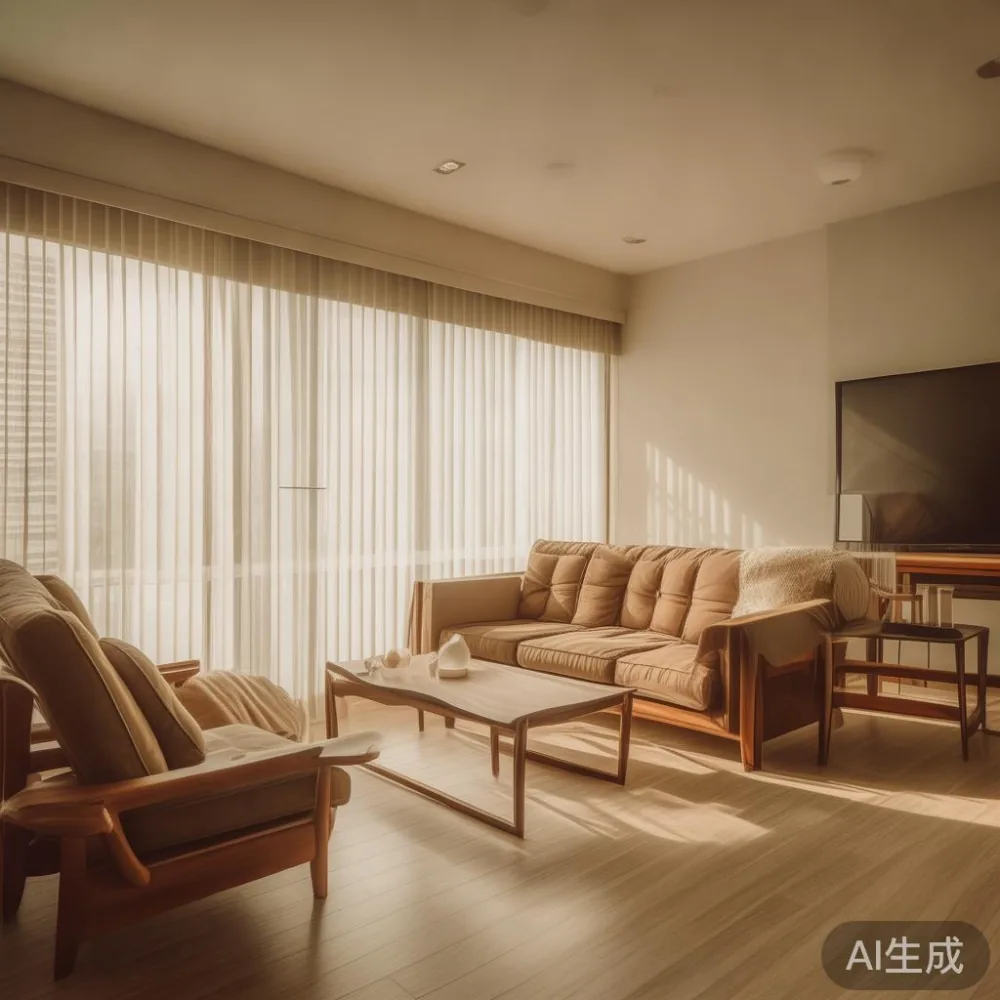
Why Can't I Sit on the Sofa Before Buying?
This is a common and valid question for many homeowners in Singapore. The reasons are often practical and space-related. Large furniture showrooms may not have a specific model on display, forcing you to rely on catalogues or digital renderings. For those living in apartments in areas like Tampines or Bedok, the sheer size of modern furniture can make it difficult to transport multiple samples. Also, the rise of online furniture shopping means you often make a purchase based on photos and specifications alone. While this might seem daunting, it's entirely possible to choose the right sofa by focusing on objective, measurable details rather than subjective feelings. The key is to shift your focus from 'how does it feel?' to 'what are its specifications?'.
Measure Twice, Buy Once: The Singapore Space Challenge
In Singapore, space is a premium, and nowhere is this more apparent than in our HDB flats and condominiums. A sofa that looks perfect on a website can become a nightmare if it doesn't work through the tight corners of a Punggol apartment or the narrow corridors of a Bedok HDB block. The first and most critical step is to measure your space with precision.
Start with the dimensions of your living room. Use a measuring tape to get the exact width, length, and height of the area where the sofa will go. Don't forget to account for the space needed to walk around it—aim for at least 60 cm of clearance on all sides to ensure the room doesn't feel cramped. Next, measure the sofa itself. When you see a sofa listed as '220 cm wide', this measurement typically refers to the outer frame, not just the seating area. Note the total width, depth, and height.
Now, measure your access points. This is where many Singaporeans encounter problems. Measure the width and height of your main entrance door, the internal doorways leading to the living room, and the dimensions of the lift if you live in an apartment building. Standard HDB door openings are usually around 80 cm wide, while condo lifts can be slightly larger, but not always. A sofa with a back that is 85 cm wide will not fit through an 80 cm door. It's that simple. My colleague last month learned this the hard way after purchasing a beautiful sofa for her new condo in Tampines; it had to be returned because the back panel was just 2 cm too wide to fit through her apartment door.

Decoding the Details: Frame, Foam, and Fabric
Since you can't sit on the sofa, you must become a detective of its construction. The quality of a sofa is determined by what's hidden beneath the upholstery. A well-built sofa will last for years, while a poorly constructed one may sag and warp within months.
Begin by investigating the frame. A high-quality sofa will have a frame made from kiln-dried solid wood, such as oak, beech, or mahogany. Kiln-drying is a process that removes moisture from the wood, making it stable and resistant to warping. Avoid frames made from particleboard or low-quality woods, as they can crack and break over time. Ask the retailer about the wood type. For instance, a MIDHILL European light luxury sofa often features a frame of solid American oak, known for its durability and fine grain.
Next, examine the cushioning. The comfort of a sofa comes from its foam and filling. Look for high-density foam, rated at 1.8 density or higher. This foam provides support and will retain its shape better than lower-density options. The cushions should also have a combination of foam and down or fibrefill. The down provides the soft, plush feel, while the foam offers structure. A good rule of thumb is to look for cushions with a 'core and wrap' design—a high-density foam core wrapped in a layer of down or fibrefill.
The fabric is the final piece of the puzzle. Consider both aesthetics and practicality. For homes with children or pets, a durable, stain-resistant fabric like Crypton or microfibre is a smart choice. For a more luxurious feel, consider fabrics like linen, velvet, or leather. Remember to ask about the fabric's durability rating, often measured in double rubs (the Martindale test). A fabric with 30,000+ double rubs is suitable for heavy domestic use, while one with 15,000+ is suitable for light to moderate use.
How to Choose Mid-century Modern Bed: Understanding Style and Scale
The style of your sofa should complement your existing decor and the scale of your room. While you can't physically test it, you can analyse its design elements to see if it will fit your home's aesthetic.
If you are drawn to the clean lines and organic forms of the mid-century modern style, look for sofas that embody these characteristics. This style typically features low, wide profiles, tapered legs, and minimal ornamentation. The upholstery is often in solid, neutral colours or bold, geometric patterns. A true mid-century modern sofa will have a distinct silhouette that is both functional and artistic. When considering this style, think about how it will interact with other mid century modern pieces in your home, such as a marble table or a solid wood sofa with a similar leg profile.
Scale is paramount. A large, overstuffed sectional sofa might overwhelm a small living room in a Bedok HDB flat, making the space feel even smaller. Conversely, a tiny, delicate-looking sofa will look lost in a spacious condo living room in Tampines. Use the measurements you've taken to visualise the sofa in your space. Create a template out of cardboard or use painter's tape on your floor to mark the sofa's footprint. This simple exercise can prevent a costly mistake and help you see if the size and proportions are right for your room.
Logistics and Longevity: Delivery, Warranty, and Returns
Once you've found a sofa that meets your spatial, comfort, and style requirements, the final hurdle is logistics and peace of mind. This is where a brand's policies become just as important as the product itself.
Delivery is a major consideration. Ask about the delivery process. Will the sofa be brought into your home, or just to the doorstep? For Singapore, this is critical. A reputable company will offer professional assembly and placement. Also, inquire about the delivery timeframe. A standard delivery might take 7 to 14 business days, while custom pieces could take longer. Factor this into your planning, especially if you have an old sofa to dispose of.
A warranty is a clear indicator of a manufacturer's confidence in their product. Look for a comprehensive structural warranty. A 10-year structural warranty, for example, covers the frame, springs, and cushions against defects. This is a significant commitment and shows that the company stands behind its craftsmanship. Also, inquire about a refinishing warranty. A lifetime refinishing warranty means that if the fabric or leather wears out prematurely, they will restore it for you. This is a proof of the quality of their materials and workmanship.
Finally, understand the return policy. Buying a large item online is a big decision. A 14-day return policy gives you a safety net. Ensure you know the conditions—Is the sofa in its original packaging? Are there any restocking fees? This policy protects you if the sofa, despite all your measurements, simply doesn't work in your space. For instance, a company like MIDHILL, which has been making furniture since 2008 and exports to over 15 countries, often has well-established logistics and customer service protocols to handle such situations efficiently.
What About the Price and GST in Singapore?
The price of a sofa can vary dramatically, from a few hundred dollars to several thousand. Understanding what you're paying for is key. A lower price might indicate a lower-quality frame, cheaper foam, or a less durable fabric. A higher price should reflect superior materials and construction.
In Singapore, all prices are subject to 9% Goods and Services Tax (GST). Ensure you know if the listed price is inclusive or exclusive of GST. This can significantly impact your final cost. When budgeting, don't forget to factor in potential additional costs, such as delivery charges (though some retailers offer free shipping over SGD 350) or the cost of professional assembly if it's not included.
Consider the long-term value. A well-made solid wood sofa might cost SGD 3,500, but it could last for 15-20 years. A cheaper sofa at SGD 1,200 might need to be replaced in 5-7 years. Over time, the more expensive option can be more economical. Also, think about versatility. Could the sofa work in another room in the future if your needs change? A timeless design is a better investment than a trendy one that might look dated in a few years.