Solid Wood Furniture Price Dynamics in Singapore
A solid wood dining table can look similar in photographs yet differ by more than SGD 1,500 in retail price. The difference may come from the timber species, the board construction, the finish, the hardware, or simply the seller's margin. Price tags are not a material certificate, so learning what sits behind them helps Singapore buyers compare pieces with realistic expectations.
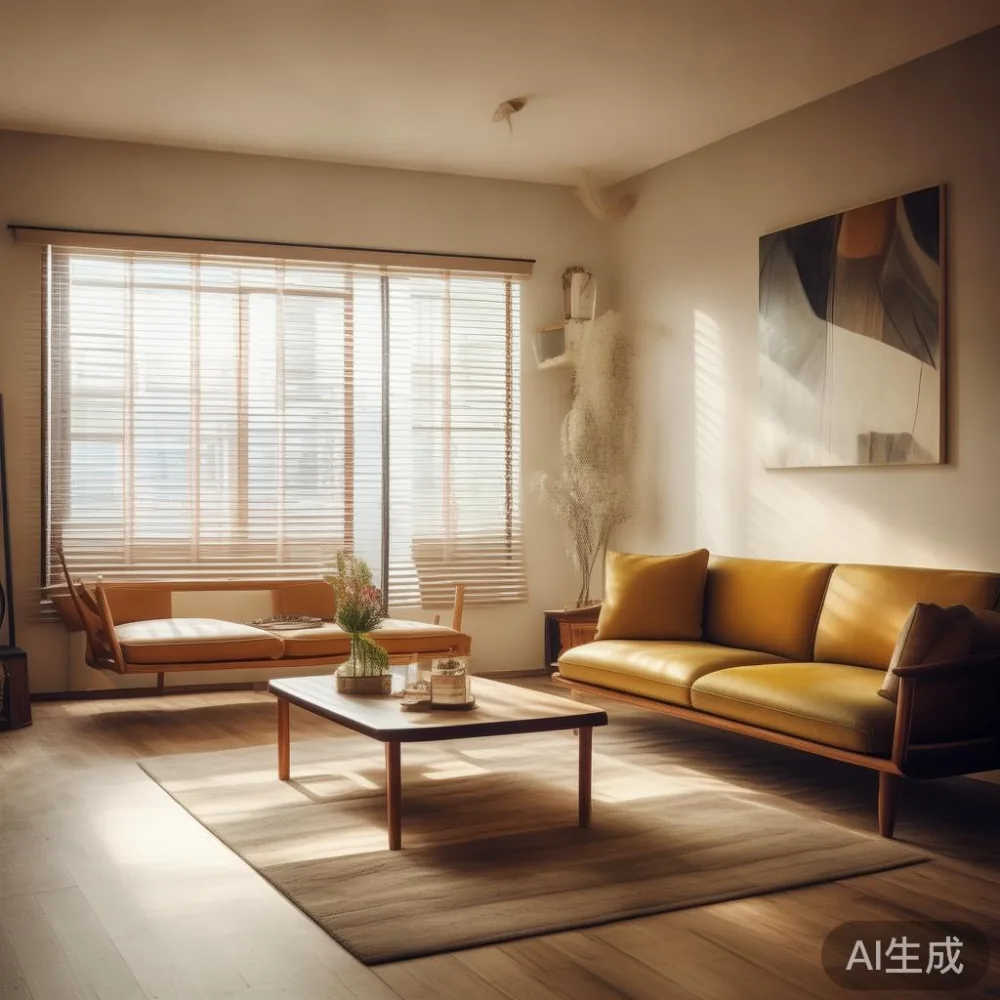
For MIDHILL, a Foshan maker established in 2008 and exporting to more than 15 countries, pricing has to cover identifiable production costs rather than vague prestige claims. Its furniture carries a 10-year structural warranty, while refinishing support is available for the lifetime of the product. The practical question remains: which features justify a higher figure, and where should budget-conscious buyers economise without weakening daily use?
Local homes make those trade-offs especially visible. A dining table may need to turn inside an HDB flat lift, pass along a corridor, and fit around a compact kitchen. A sofa may need to enter through a 90 cm door while still seating three adults. GST also matters: Singapore charges 9%, so displayed prices should be checked before and after tax.
What makes one solid wood table cost more than another?
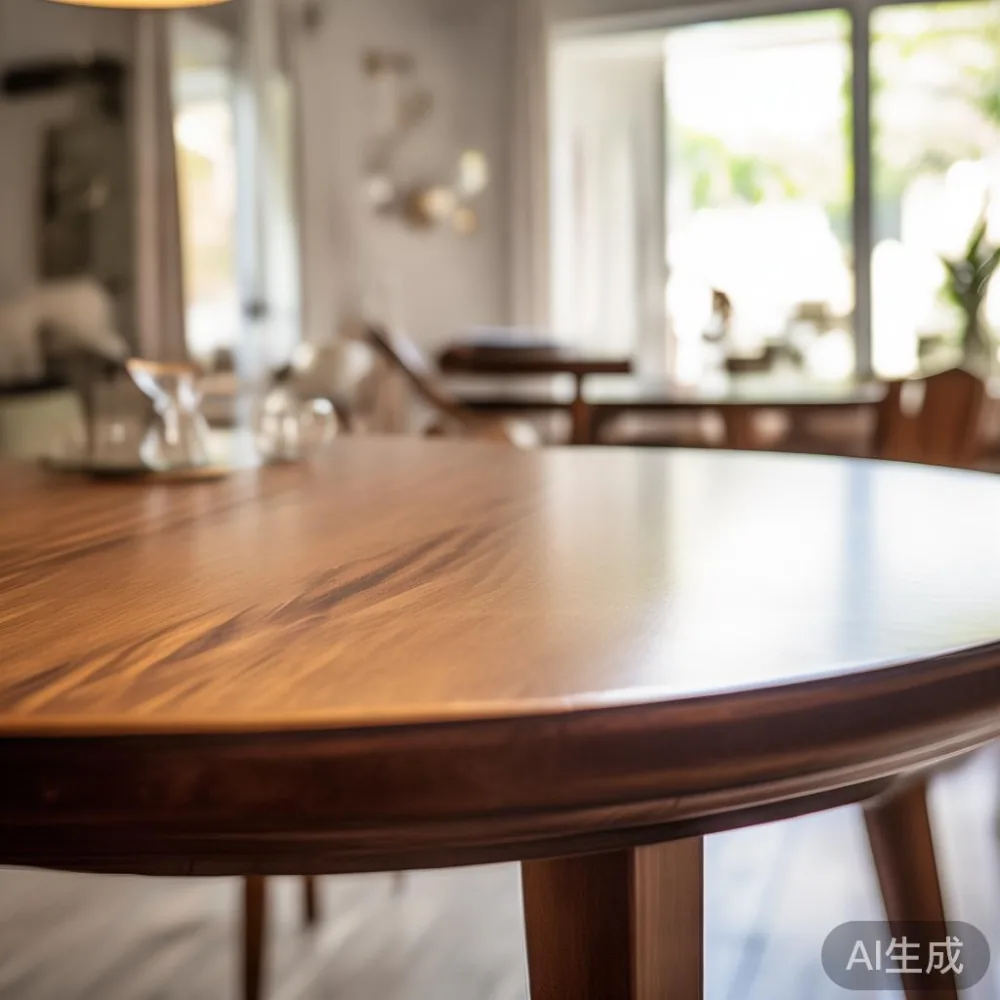
Wood species sets the starting point, but the label alone does not determine quality. A 200 cm dining table made from one species may use finger-jointed boards, while another may combine wider boards with restrained grain matching. Although both carry the solid wood label, cutting patterns affect yield, labour, appearance, and movement over time.
Timber also varies in density and workload. A dining table carrying hot dishes, suitcases, and elbows needs a stable top, reinforced joints, and an underside that resists sagging. The same 40 mm thickness is not equally appropriate for every design. Slender tapered legs may require a different construction from broad post legs, and a long top may need bracing that the buyer cannot see until the table is assembled.

Last month, I visited a Foshan workshop where two dining tops looked almost identical under white light. One had short, glued joints hidden beneath a veneer-like oak surface; the other used longer solid sections with visible end grain. The second table required more timber and machining. Its quotation was higher, yet the material was easier to assess. That visit changed how I read showroom price tags: an unclear panel structure deserves more caution than a plainly explained one.
For buyers comparing a MIDHILL dining table, ask for the species, thickness, panel method, underside, joint type, and finished dimensions. Clear specifications prevent “timber-style” products from being confused with solid wood across the top, apron, and legs.
Is solid wood always more expensive than engineered wood?
Usually, though not automatically. Engineered products use wood veneers, particles, or fibres under controlled conditions. They can provide dimensional stability and lower raw-material use. A veneered table may therefore cost less than an ornate solid timber piece, while a thick, well-made solid wood nightstand may cost more than a veneered alternative.
The useful comparison is performance and disclosure. A solid wood sofa frame should use timber where repeated loading occurs, but upholstered seat foam, springs, covers, and padding affect price too. A solid wood bed frame can use plywood or engineered panels in less load-sensitive locations if the construction is clearly stated. A wardrobe may combine timber fronts with engineered internal boards. Neither approach is wrong; pretending that every component is solid timber is misleading.
Moisture control matters in Singapore's humid climate. Ask whether timber was kiln-dried and how the product is finished. A water-based matte coating may be easier to repair locally, while a thick lacquer can be difficult to restore. Expansion gaps, ventilation, and exposure to air-conditioning vents also affect longevity. Direct placement beside an HDB bedroom window, for example, exposes a nightstand to stronger sunlight and humidity swings.
Buyers should view unfinished edges and undersides where possible. End grain should look consistent, joints should be tight, and screws should enter sound material. Swelling or staining after delivery may indicate unfinished surfaces, poor packing, or unsuitable placement rather than a defect in solid wood itself.
What does mid century modern design add to the price?
Mid century modern furniture prices can rise because certain shapes require more complex production. A softly radiused dining table edge needs machining and sanding. A tapered wardrobe requires accurate angles. A solid wood sofa with a slim timber arm uses joinery instead of relying on a bulky upholstered frame. Small details accumulate across 6 to 10 hours of production.
Design also influences material yield. A wide plank surface shows knots and colour variation, which can add character but may restrict matching. A sculpted edge uses more timber than a square one. Brass hardware, solid drawer boxes, and aligned grain add cost, yet a decorative detail by itself does not guarantee durability.
The American mid-century vocabulary often includes walnut-toned finishes, tapered legs, clean horizontals, and restrained storage. French light luxury may share clean geometry but introduce creamy tones, stone accents, or softly rounded profiles. Post-modern light luxury can mix planes and materials in a less symmetrical way. These references explain styling language, not a fixed manufacturing standard.
Search phrases such as for sale American furniture or cheap light luxury furniture often produce similar visual categories at very different prices. Search wording cannot confirm timber species, joinery, or warranty. Request measured drawings and production details instead.
How much do dimensions and delivery access affect price?
Size is measurable. A dining table listed at 180 × 90 cm must fit its intended room, whereas a 240 × 100 cm top needs a larger dining zone and stronger bracing. A 220 cm wardrobe may suit a HDB bedroom wall, yet the packed carton could exceed a common lift door width. Buyers should obtain packed dimensions rather than estimating from assembled dimensions.
Consider a Tampines lift measuring roughly 100 cm wide internally, a typical Bedok corridor, and a Punggol flat entrance with a 90 cm door. A bed frame may be easier to carry in separate rails, while a marble table or solid wood dining table may arrive as several heavy sections. An 80 kg carton split into two 40 kg pieces is operationally different from one 80 kg carton.
Delivery to Singapore commonly requires 7 to 14 days after production, although peak periods, remote locations, and custom sizes can extend the schedule. Shipping damage, storage, and final carrying upstairs are also costs. MIDHILL offers free shipping on orders above US$350, and the order total is handled in the quoted currency; buyers should request the final SGD figure and confirm the GST treatment before payment.
Measure doorways, lifts, turning corners, stair clearance, and the route from the lift to the room. Reserve at least 5 cm of maneuvering space where the lift door may swing inward. For bulky items, use two people rather than attempting a 70 kg section alone.
Why do finishes, hardware, and warranties carry different price weights?
A finish protects the surface and changes repair options. Clear matte finishes preserve timber texture and suit many mid century modern homes. Dark walnut colour can hide some tonal variation but may require more preparation. White paint may look light-luxury in a showroom yet show chips at corners. A good finish should be described by sheen, layer structure, and expected care.
Hardware is a useful quality signal. A drawer rated for 25 kg, suspended on metal runners, behaves differently from a lightly friction-mounted wooden runner. A wardrobe with 3 adjustable shelves and metal hanging rods may offer more function than one with fewer storage zones. Quality is not measured by shiny fittings alone; fit, spacing, and load ratings matter.
Warranties carry financial value because they shift future repair risk. A 10-year structural warranty is more meaningful than a vague lifetime claim if exclusions, evidence requirements, and covered components are stated. MIDHILL provides a 10-year structural warranty and lifetime refinishing support, which gives long-term ownership a measurable context. Check whether “lifetime refinishing” means service access, a fee, or full coverage, since those are not the same promise.
For a marble table, movement of the stone, support design, and edge treatment may affect price. Marble can be visually light but heavy: a 120 × 60 cm stone top may weigh roughly 50 to 90 kg depending on thickness and density. Confirm top weight, crate dimensions, and lifting plan before ordering.
Are showroom brands and light-luxury labels worth the extra money?
A premium can pay for more than appearance, but it should purchase something identifiable: certified materials, skilled labour, controlled finishing, spare parts, delivery planning, or after-sales access. A name by itself cannot be inspected. Look at the underside, sample drawers, touch the timber, and compare specifications with cheaper pieces.
Wholesale Italian light luxury furniture may involve imported components, ornate stonework, and branding costs. Best Italian light luxury furniture, in the broad style sense, may command more than a local solid wood design serving the same function. That does not make one automatically superior for a Bedok flat. Fit, maintenance, and total dimensions should carry more weight than country-of-brand messaging.
French light luxury, American light luxury, and post-modern light luxury are useful aesthetic directions, not proof of origin. A Modern light luxury sideboard can use oak, walnut, ash, or a veneer with engineered panels. Ask for a cut list and photograph the interior before deciding.
The fairest price test is total ownership over 5 to 10 years. Divide the purchase price plus delivery and likely maintenance by the expected years of use. A SGD 2,600 wardrobe that fits a 180 cm wall and is repaired locally may be more economical than a SGD 1,900 model requiring a made-to-measure top.
How can Singapore buyers compare quotations fairly?
Request an itemised quotation in SGD. It should identify the product, and packed dimensions, timber species, solid-wood components, finish, hardware, assembly, delivery location, lead time, GST, and warranty. Compare like-for-like measurements: two tables both marked “solid wood” may differ in thickness, leg section, and support system.
Ask whether the surface is solid timber, veneer, laminate, or a combination. Confirm whether back panels, drawer bottoms, and internal shelves are solid or engineered. A transparent seller can explain compromises without hiding them. If a quote changes after consultation, request a revised version showing the reason.
Account for the 14-day return policy, but check exclusions for custom dimensions, stone variations, and delivery damage. Photograph the furniture and packaging on arrival. For a bed frame, check clearances for a mattress around 150 × 200 cm and headboard height. When searching for how to style light luxury bed in bedroom ideas, measure the room first: a 2.15 m bed needs more circulation than a 1.85 m bed, especially beside a condo bedroom door.
Some shoppers focus on the lowest visible figure and then discover extra delivery, assembly, or finish charges. Others focus on a prestigious name and overlook the 70 cm lift limitation. A balanced comparison uses 3 tests: material disclosure, physical fit, and documented after-sales care.
What is a sensible solid-wood furniture budget?
A practical budget depends on the item and its size. A solid wood nightstand may fall around SGD 450 to SGD 1,200; a solid wood bed frame around SGD 900 to SGD 2,800; a dining table around SGD 900 to SGD 3,500; a wardrobe around SGD 1,400 to SGD 4,500. Marble tops, wide solid timber slabs, custom finishes, and complicated joinery can move quotations higher.
These ranges describe decisions, not fixed prices. A 60 cm nightstand uses less timber than a 90 cm console. A 180 cm dining table may cost less than a 240 cm table because it needs fewer boards and supports. A sofa includes upholstery, foam, labour, and logistics, so its price cannot be inferred from timber alone.
For mid-century-modern interiors, spend where frequent contact occurs: drawer boxes, table joints, sofa frame supports, bed slats, and wardrobe hanging hardware. Save on less visible finishes if the colour can be matched with care. The aim is not to buy less furniture; it is to avoid paying for invisible claims while reducing functions you will not use.
Price is shaped by material, size, complexity, delivery, and service. Solid wood provides one foundation, not a complete answer. Singapore buyers who measure the home, inspect the construction, and compare written terms can make a confident decision for Tampines, Bedok, Punggol, or any other address. That is the real value behind a quotation: fewer surprises, better fit, and furniture that can remain useful for years rather than seasons.