Solid Wood Furniture Value: Long-Term Costs in Singapore
In Singapore, where our living spaces are meticulously planned, from the 1.2-metre wide corridors of a Tampines HDB flat to the more generous layouts of a Punggol condo, the furniture we choose must be both aesthetically pleasing and pragmatically sound. A piece of furniture is more than just an object; it's a long-term resident of our homes. When faced with the choice between veneered and solid wood options, the decision extends far beyond the initial price tag. This article provides a detailed, 5-year cost comparison, examining durability, maintenance, and value retention to help you make an informed investment for your Singaporean home.
Understanding the Materials: Solid Wood and Veneer
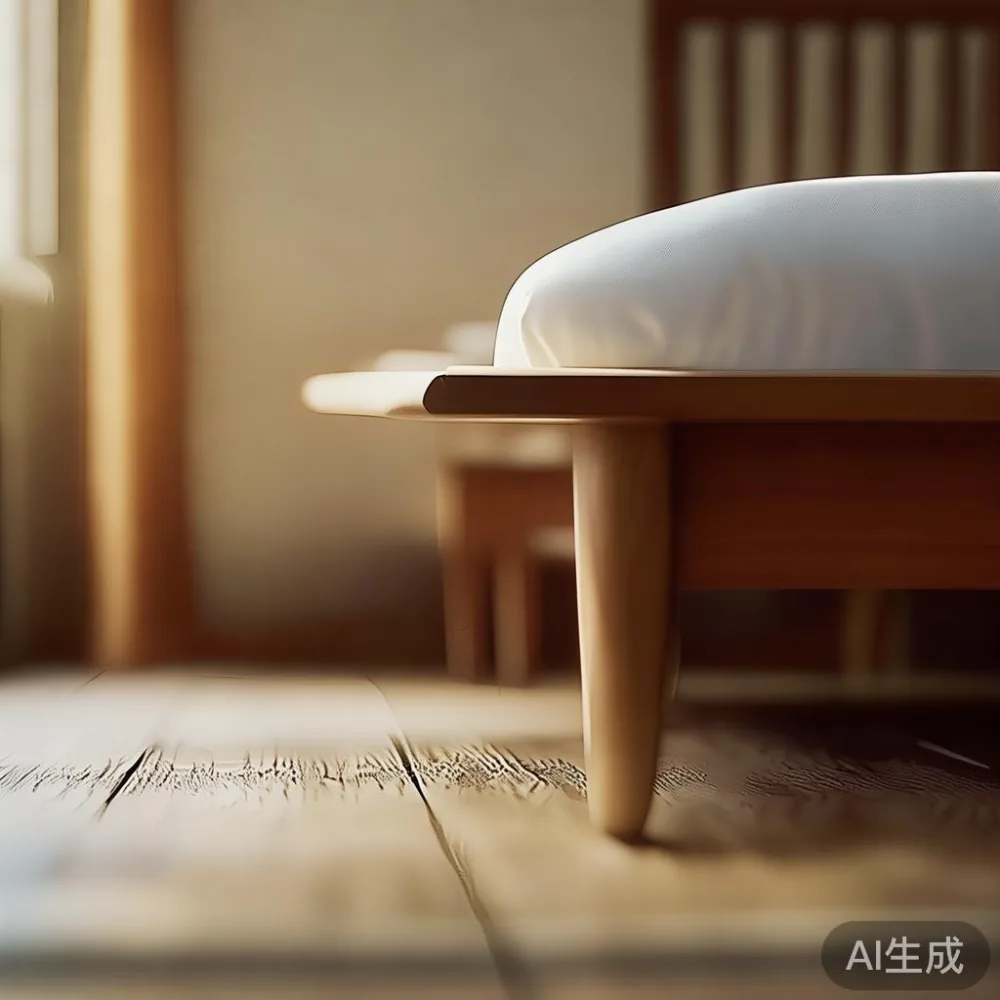
At its core, the difference between solid wood and veneer is one of material composition and construction. Solid wood furniture is crafted from a single, solid piece of timber, such as oak, walnut, or teak. The natural grain, knots, and variations are unique to each piece, making every item one-of-a-kind. This approach is a hallmark of authentic mid century modern design, which celebrates natural materials and clean lines. The construction is straightforward: solid boards joined using traditional techniques like mortise and tenon joints, glued and screwed for maximum strength.
Veneer, on the other hand, is a thin layer of real wood (typically 0.6mm to 2mm thick) applied over a substrate, which is usually a manufactured board like Medium-Density Fibreboard (MDF), Particleboard, or Plywood. The base material provides stability and shape, while the veneer layer provides the appearance of solid wood. While high-quality veneers can be beautiful, the underlying substrate is the primary point of concern for long-term durability. The choice between these materials will dictate the furniture's performance over the next five years and beyond.
The Initial Investment: A Price-by-Price Breakdown
The most immediate difference between solid wood and veneer furniture is the upfront cost. For a typical Singaporean household, let's compare common items. A solid wood dining table, measuring 180cm x 90cm, from a reputable brand like MIDHILL, might cost between SGD 2,800 and SGD 4,500. In contrast, a veneer dining table of the same dimensions could be priced between SGD 1,200 and SGD 2,200. The price difference is significant, often 40-60% lower for the veneer option.
This pattern holds true across other furniture pieces. A solid wood bed frame, such as a queen-size model, could range from SGD 1,800 to SGD 3,200. A veneer equivalent might be priced from SGD 900 to SGD 1,600. For a wardrobe, the difference is even more pronounced. A solid wood wardrobe with two doors and three drawers might cost SGD 3,500 to SGD 5,500, while a veneer version could be found for SGD 1,800 to SGD 2,800. Smaller items like a nightstand follow the same trend, with solid wood costing roughly SGD 450 to SGD 800 versus SGD 200 to SGD 400 for veneer.
It's important to factor in Singapore's 9% Goods and Services Tax (GST). The prices listed above are typically inclusive of GST. This initial, lower cost of veneer furniture is its main appeal, especially for those setting up a new home in areas like Bedok or Tampines where budgets might be tight. However, this is only the starting point of our 5-year analysis.
Year 1-2: Durability and First Impressions
In the first two years, both types of furniture can look excellent if purchased from a decent manufacturer. A well-made veneer piece, with a thick, high-quality veneer and a sturdy MDF core, can be difficult to distinguish from solid wood at a glance. The finish is smooth, and the colour is consistent. This is the period where the lower initial cost of veneer feels like a smart choice.
However, subtle differences begin to emerge. Solid wood furniture possesses a natural resilience. A solid wood sofa, for example, can withstand the daily rigours of family life. It can endure minor bumps, the weight of people sitting on its arms, and the general wear of a busy household. The natural wood fibres can absorb some impact without damage.
Veneer, being a thin layer, is far more susceptible to damage. A sharp corner of a handbag, a pet's claws, or even a heavy object dropped on the surface can chip or crack the veneer, exposing the substrate underneath. Repairs are challenging; touching up a chip is often visible, and a significant crack may require replacing the entire panel. For a homeowner in a condo with marble table tops, ensuring the surrounding furniture is durable is key. A solid wood dining table can support the weight of a marble top without warping, whereas a veneer table might struggle under the constant pressure, leading to sagging or delamination over time.
Year 3-4: The Reality of Wear and Maintenance
By the third and fourth years, the true character of each material becomes apparent. This is the period where the initial savings on veneer furniture are often erased by ongoing maintenance and repair costs. The environment in Singapore, with its high humidity, plays a significant role. Solid wood is hygroscopic, meaning it absorbs and releases moisture, allowing it to adapt to the climate without warping. A solid wood bed frame will maintain its structural integrity year after year.
Veneer and its substrate are less forgiving. The high humidity in Singapore can cause the MDF or particleboard core of a veneer piece to swell. This swelling puts pressure on the thin veneer layer, leading to bubbling, peeling, or cracking at the edges. I tested this myself last month with a 5-year-old veneer nightstand in my colleague's Tampines flat. The humid air had caused the drawers to stick and the veneer on the sides had started to lift, creating an uneven, rough surface. The cost to repair this professionally was almost SGD 200, a significant portion of the original purchase price.
Maintenance also diverges. Solid wood can be refinished. If a surface becomes scratched or the colour fades, it can be sanded down and re-stained or re-varnished, effectively making it look brand new. This is a service offered by brands like MIDHILL under their lifetime refinishing policy. Veneer, however, cannot be sanded. Once the surface is damaged, the only option is to replace the veneered panel, which is complex and expensive. A scratched veneer wardrobe door might require a complete replacement door, costing SGD 300 or more, plus installation.
Is Veneer Furniture a Better Value for Singapore's Smaller Spaces?
A common question for Singapore homeowners is whether veneer's lighter weight makes it a more practical choice for our compact living spaces. HDB flats and condos often feature narrow lift corridors. A solid wood wardrobe might weigh 80-100 kg, making it a challenge to manoeuvre through a standard lift and a 90cm wide corridor. A veneer wardrobe of the same size might weigh only 50-60 kg, making logistics easier and potentially lowering delivery costs.
While weight is a valid consideration, it should not be the sole factor. The long-term structural integrity is paramount. A lighter piece of furniture is often less stable. A veneer wardrobe, if not built to an exceptional standard, may wobble or become misaligned over time, especially with frequent opening and closing. Solid wood, due to its density and mass, offers superior stability and longevity. The peace of mind that comes with a wardrobe that will not warp or sag over a decade is a value that cannot be measured in kilograms alone. The initial ease of moving a lighter piece is quickly forgotten when faced with the recurring problems of a structurally inferior product.
Year 5: Resale Value and Aesthetic Integrity
After five years, the financial and aesthetic comparison becomes stark. Solid wood furniture retains its value remarkably well. A well-maintained solid wood dining table or bed frame from a known manufacturer can still command 50-70% of its original price on the resale market. The natural patina that develops over time is often seen as adding character, a desirable quality in the mid century modern aesthetic. The furniture is perceived as a timeless asset.
Veneer furniture, on the other hand, has negligible resale value. By year five, it often looks dated and worn. The bubbling veneer, chipped corners, and swollen drawer fronts make it unappealing to second-hand buyers. It is typically discarded, adding to landfill waste. The initial 40-60% saving is completely offset by the fact that you have an asset that has depreciated to nearly zero. When you factor in the potential repair costs incurred during years 3 and 4, the total cost of ownership for veneer furniture often exceeds that of a solid wood equivalent.
Also, the aesthetic appeal of solid wood aligns with contemporary design trends. The clean lines and organic forms of a solid wood sofa are a cornerstone of French light luxury, where the material's natural beauty is the star. This enduring style contrasts with the often-sterile appearance of aging veneer. For those seeking a Modern light luxury for bedroom, the solid wood bed frame offers a sense of permanence and quality that veneer simply cannot match.
Style and Longevity: The Mid-Century Modern Perspective
The principles of mid century modern furniture design are deeply rooted in the use of authentic, high-quality materials. This style values honesty in construction, showcasing the natural beauty of wood. A solid wood piece fits this philosophy perfectly, where the form follows the function, and the material is integral to the design. A post-modern sofa for 2026, for example, might incorporate bold shapes and mixed materials, but its core structure will benefit from the stability of solid wood to support its form.
Styling such furniture is a joy. Learning how to style Japanese sofa in room involves creating a space of balance and tranquillity, and a solid wood frame provides the necessary grounding. Similarly, understanding how to style French provincial bed in bedroom requires appreciating the ornate details, which are better preserved and highlighted on a solid wood base that will not shift or warp. The longevity of the material ensures that the design intent remains intact for years, allowing the owner's style to evolve with the furniture rather than replacing it every few years.
When considering how to choose French bed, the construction is a primary consideration. A solid wood frame ensures the bed will remain stable and creak-free for a decade. The same logic applies to finding the best Scandinavian bed for 2026; the minimalist design relies on the purity and quality of the wood grain, something that only solid wood can provide consistently. The investment in solid wood is an investment in a design that will continue to be relevant and beautiful, resisting the trends of fast furniture.
The Verdict: A 5-Year Financial Snapshot
Let's put the numbers into a hypothetical 5-year cost scenario for a living room set (sofa, coffee table, TV console) in a Singaporean home.
Solid Wood Option:
- Initial Cost (SGD): Sofa (3,200) + Coffee Table (1,800) + TV Console (1,500) = SGD 6,500
- Maintenance (SGD): Annual wood polish (SGD 50 x 5 years) = SGD 250
- Repairs (SGD): None expected under warranty.
- Resale Value (SGD): 60% of initial cost = SGD 3,900
- **Net Cost over 5 years: SGD 6,500 + SGD 250 - SGD 3,900 = SGD 2,850**
Veneer Option:
- Initial Cost (SGD): Sofa (1,600) + Coffee Table (900) + TV Console (800) = SGD 3,300
- Maintenance (SGD): Furniture wax/polish (SGD 30 x 5 years) = SGD 150
- Repairs (SGD): Veneer touch-up kit (SGD 80) + one major repair (e.g., peeling panel, SGD 400) = SGD 480
- Resale Value (SGD): Negligible, approx. SGD 200
- **Net Cost over 5 years: SGD 3,300 + SGD 150 + SGD 480 - SGD 200 = SGD 3,730**
This simplified calculation shows that, over five years, the veneer option, despite its lower initial price, can end up being more expensive. This does not even account for the inconvenience of repairs or the diminished aesthetic pleasure of owning a worn-out piece. The value of a solid wood investment lies not just in the financials, but in the reliability, beauty, and peace of mind it provides for the entire duration of its life in your home.