How to Match Mid-Century Modern Furniture to a Warm Minimal Interior
Warm minimal interiors are not the same as empty rooms. They rely on proportion, texture, light, and a small number of carefully chosen pieces to feel composed rather than bare. In Singapore, that balance must also work within the practical dimensions of HDB flats and condos in Tampines, Bedok, Punggol, and newer developments where storage is compact and lift access can limit furniture delivery.
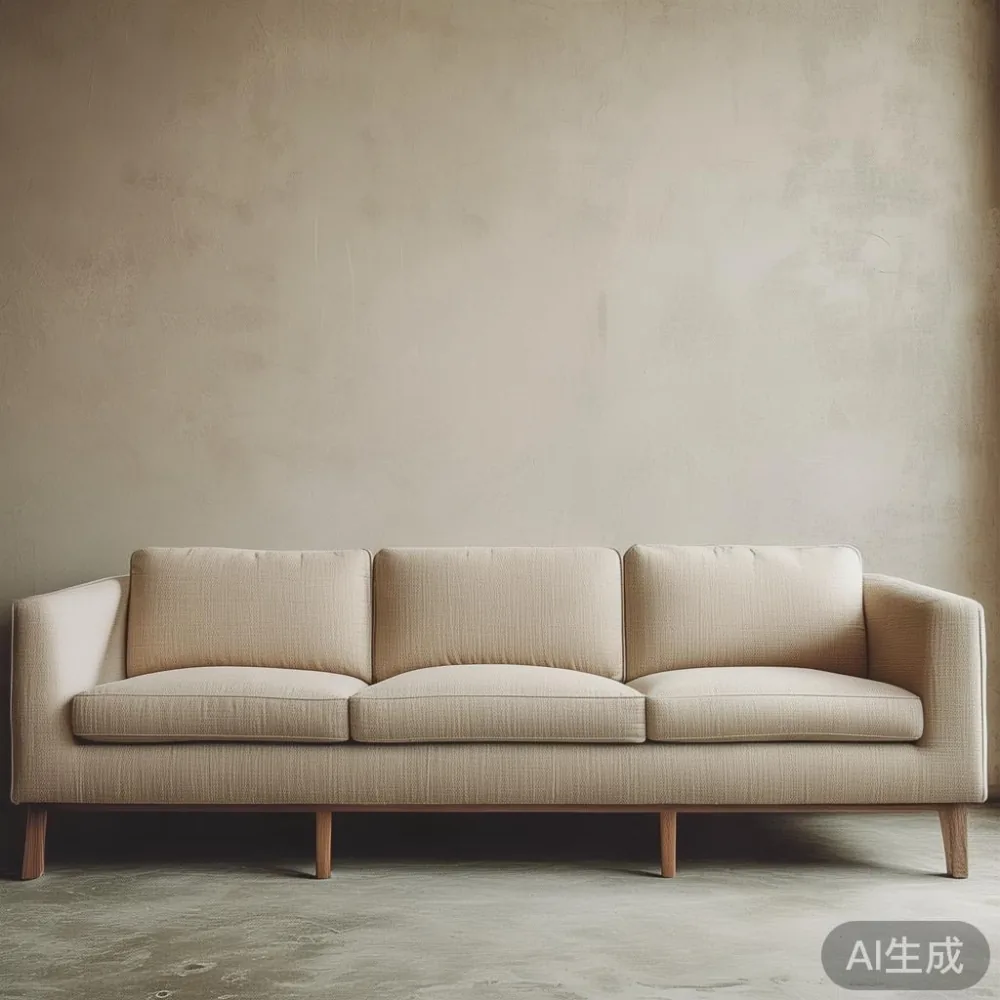
Mid-century modern furniture suits this brief because its tapered legs, clean silhouettes, warm timber, and restrained ornament can make a room feel more spacious. The objective is not to fill every wall. It is to create visual breathing room while using a solid wood sofa, bed frame, dining table, wardrobe, nightstand, or marble table to establish warmth and function.
MIDHILL was established in Foshan in 2008 and now exports to more than 15 countries. Its solid wood collections are designed around practical dimensions, a 10-year structural warranty, lifetime refinishing, delivery in 3–21 business days depending on the piece and destination, and 14-day returns. In Singapore, orders above US$350 qualify for free shipping under the stated policy, although local GST and delivery charges should still be checked at checkout.
How Do You Make a Warm Minimal Interior Feel Lived-In?
Begin with a repeatable scale. Choose 3 main timber tones and repeat them in at least 3 places. For example, pair a medium-oak dining table with a lighter ash bed frame and a walnut-toned nightstand. A neutral wall in warm white, oat, or soft beige allows the grain to provide the visual interest. Keep large expanses clear, but do not remove every object: a 45 cm ceramic lamp, a 30 cm book stack, or a 60 cm framed print can make a room feel finished without creating clutter.
For an HDB living room, seating depth and circulation matter more than decorative excess. Leave at least 90 cm beside a sofa for a walking route, 75 cm in front of it where possible, and 60 cm between a dining chair and a wall. These figures may need adjustment in compact units. The same logic applies in a 2-room or 3-room flat: use low-profile furniture, reduce the number of occasional chairs, and choose pieces whose legs visually lighten the floor area.
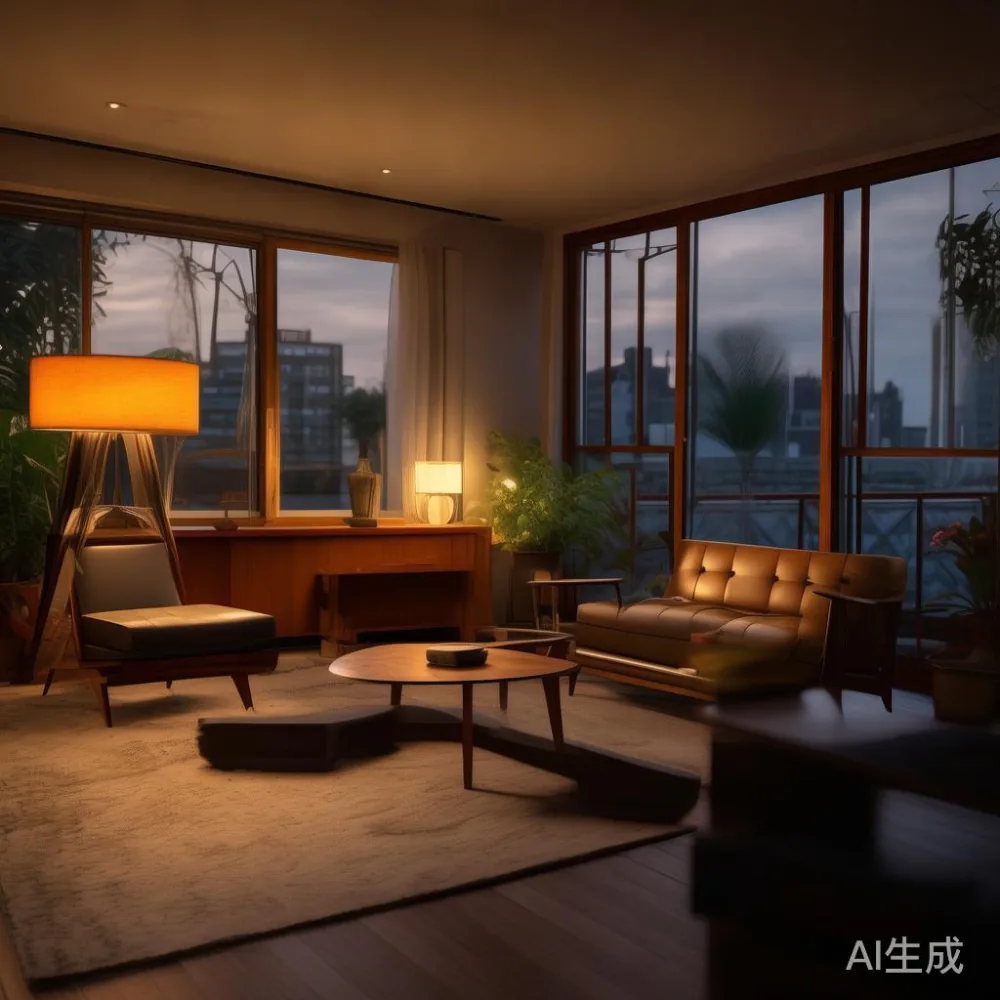
Warm minimalism also works best with a limited palette. Restrict upholstery to 2 families of colour, such as oatmeal and camel, and introduce black or dark brown in controlled accents rather than spreading it across every item. A solid wood sofa in a textured beige weave will soften the straight lines of a timber dining table, while a marble table can add cool contrast without making the room feel cold.
What Dimensions Should You Check Before Buying?
Measure the room, the route into it, and the furniture in its assembled state. Standard HDB lift doors may measure roughly 80–90 cm wide, while some condo service lifts are larger. A solid wood dining table of 180 × 90 cm can enter a standard lift when turned on edge, but a 220 × 100 cm table may not. Ask the supplier for the packed dimensions and weight rather than relying on the assembled dimensions alone.
For a dining table, allow at least 90 cm of clear space around the outer edges. Place 60 cm from the table edge to the wall on straight runs and 90 cm on serving sides where possible. A 160 × 80 cm table seats 4 people comfortably; 200 × 100 cm seats 6; and 240 × 100 cm can accommodate 8, subject to chair spacing. The exact chair size can change the result, so physical measurements are valuable.
Beds require another set of checks. A 150 × 200 cm queen bed frame needs about 60 cm at the foot and 60 cm beside it for a usable passage. A 180 × 200 cm king bed frame may require at least 90 cm at the foot in a condo bedroom. The frame must fit through corridors and turns, and the mattress should be measured after any door or lift clearance is resolved. A headboard adds depth, so compare its position with the final wall rather than the empty room.
Delivery access should be planned in days, not hours. Allow 3–21 business days for production and transport, plus 1–3 days for a scheduled local delivery where the supplier supports it. If the building has a loading bay reservation system or lift booking requirements, coordinate the delivery slot before the furniture arrives. Large pieces weighing more than 80 kg may need 2-person handling.
Which Mid-Century Modern Pieces Create the Strongest Foundation?
Start with the largest visible item and build around it. A 200–220 cm solid wood sofa can anchor a living room, but it should relate to the television wall rather than float in the middle. A 140–160 cm dining table works in many HDB dining areas, while a 180–200 cm table suits an open-plan condo. A 120–150 cm wardrobe can provide full-height storage in a bedroom without overwhelming the wall, provided the door opening and 60 cm approach remain available.
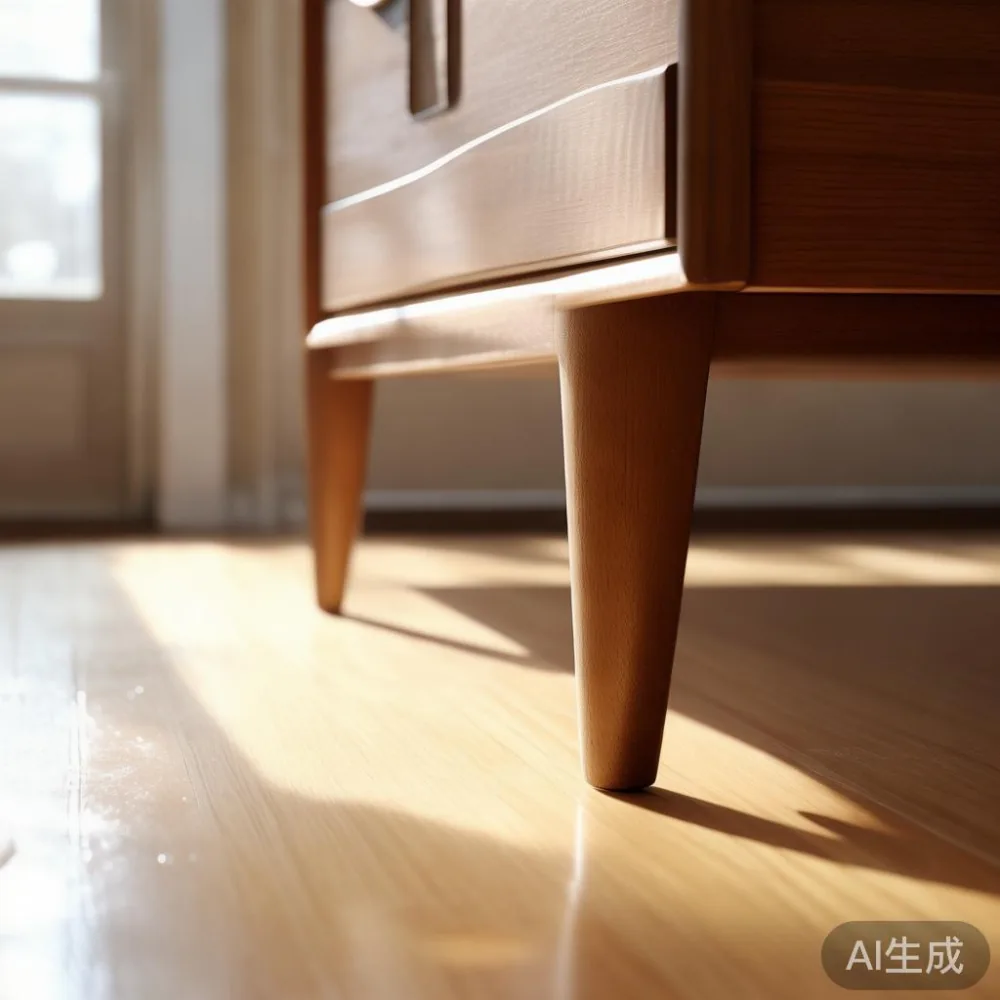
Mid-century modern silhouettes usually gain character from exposed legs and visible joinery, not exaggerated decoration. A dining table with a 4 cm top and tapered legs will look different from a thick, monolithic model. A solid wood bed frame with a 105–115 cm high headboard can create a strong focal point in a master bedroom. A nightstand placed within 50–60 cm of the bed helps the composition feel intentional.
For more textured rooms, a marble table can be the accent that prevents timber from becoming repetitive. A 90 × 55 cm marble side table next to a solid wood sofa is often easier to accommodate than a large coffee table. Use one cool surface rather than several, and balance it with warm materials such as wool, leather, woven cotton, or oak. This is a restrained approach associated with post-modern light luxury: classic forms are simplified and combined with contemporary proportions.
It also helps to understand the terminology used in international furniture guides. A search for top 10 American furniture often leads to oversized sofas, deep recliners, and substantial wooden storage, all of which can overpower a small Singapore flat. French light luxury tends to emphasize fabric, curvature, and softer edges. American light luxury often focuses on generous scale and plush comfort. Post-modern light luxury mixes familiar forms with cleaner lines. Select the comfort level and silhouette that suit the room, not simply the label.
Is a Solid Wood Sofa Better for Warm Minimalism?
A solid wood sofa is not automatically warmer than a metal or upholstered frame. The effect comes from the combination of frame material, upholstery, and finish. A timber frame with visible grain can make a room feel grounded, while a bouclé, linen, or cotton cover adds tactile softness. Warm minimal interiors usually favour seat heights around 40–45 cm, slim arms, and legs that lift the body roughly 15–20 cm above the floor.
In a compact Tampines flat, a 180–200 cm three-seat sofa may be more manageable than a 240 cm version. In a larger Punggol or Bedok condo, a sectional can work if the main section remains under 250 cm and leaves at least 75 cm of clear circulation. Avoid forcing a large sofa into a room where the route to the balcony narrows below 60 cm. A smaller 160 cm sofa with 2 movable chairs can provide more flexibility and make the space appear more deliberate.
Fabric selection should be judged under Singapore conditions. Light colours show dust and stains, while darker colours absorb heat. A medium oatmeal tone, tightly woven upholstery, and washable covers offer a practical balance. For leather, conditioned care every 6–12 months can preserve the surface. Curtain and rug placement can soften the feeling of a hard floor: a rug extending 20–30 cm beyond the front legs of the sofa helps unify the seating area.
How Do You Choose a Bed Frame for Different Bedroom Styles?
The bed frame sets the bedroom's visual character, but its width and access requirements are equally important. A low platform frame in solid wood suits mid-century modern rooms because it reduces visual mass. A 100–110 cm headboard works well behind a queen bed, while a 120 cm upholstered panel can feel more French and more substantial. Keep the headboard about 5–10 cm away from the wall if a slim timber or marble nightstand is used.
Searching for French bed vs Modern bed highlights a difference in detail. A French-inspired bed may use a rounded upholstered headboard, curved corners, or a softer envelope, whereas a modern bed is more likely to use flat panels, simple lines, and concealed storage. Neither style has to be cold: warm timber and beige bedding can connect the two.
A comparison of European bed vs Japandi bed is also useful. European forms often include carved edges, decorative mouldings, or tailored headboards, while Japandi beds are pared back and combine pale timber with simple textiles. A European bed with carved detailing can work in a warm minimal room if the remaining furniture is quiet. A Japandi bed suits compact HDB rooms because its low visual weight leaves more floor area visible.
For a multipurpose room, Mid-century modern for guest room is a useful design direction. A 120 × 200 cm solid wood daybed or guest bed can serve as seating by day and sleep by night, provided the mattress type allows both uses. Add a slim 40 cm side table, a wall-mounted 30 cm shelf, and a 45 cm lamp rather than a cluster of bulky pieces. Maintain at least 60 cm beside the bed and avoid blocking the room's main door swing.
What Should You Know About Storage and a Wardrobe?
In warm minimal interiors, storage should disappear into the composition rather than become the main visual event. A 150–180 cm solid wood wardrobe with flat-front doors and recessed handles can look calm against a warm wall. Sliding doors can reduce the space required for opening, which is useful in tight bedroom corners. Painted or light-oak finishes also make a large cabinet feel lighter than a dark veneer.
Measure the wardrobe's projection before checking access. Allow 60 cm in front of hinged doors, or 15–30 cm for sliding doors depending on the track arrangement. A 55–60 cm depth is generally practical for hanging garments, while a 60 cm depth offers more flexibility for shelves. Internal fittings should match actual clothing: roughly 45 cm is useful for folded items, and hanging rails commonly sit 150–165 cm from the floor.
For a dining area, a 90–120 cm sideboard can store tableware while adding another timber surface. A 45 cm buffet is enough for a bar setup; a 160–180 cm sideboard can act as a media console. Avoid lining every wall with cabinets in a small flat because that can make circulation feel pinched. One well-sized storage piece often gives the clean appearance associated with warm minimalism.
How Do Light Luxury Details Work Without Clutter?
Light luxury is expressed through material quality, proportion, and careful finishing rather than a large number of accessories. French light luxury can be suggested through linen, rounded silhouettes, and ceramic objects. American light luxury may bring deeper cushions, leather touches, and broader proportions. Post-modern light luxury often combines a solid wood sofa or dining table with a marble table and contemporary lighting. In a warm minimal room, use one defining detail in each category.
Lighting should be layered. A 35–45 cm table lamp provides task lighting on a nightstand, while a pendant over a dining table should hang roughly 70–80 cm above the surface. A floor lamp with a 150 cm shade can soften a reading corner. Warm light around 2700–3000K complements oak, walnut, beige, and brass. Dimmers rated for at least 150–300 W-equivalent LED loads add control without adding furniture.
Decorative scale should remain deliberate. Choose 1 large artwork around 90 × 120 cm or 2 smaller pieces, not 7 small frames with competing borders. A bowl of 25–35 cm diameter, a 20 cm vase, and 2–3 books can fill a surface without creating a crowded still life. Leave roughly 20–30% of a sideboard or nightstand surface clear. The aim is a room that feels relaxed, not staged.
What Should You Check Before Delivery?
Request photographs of the actual finish, a dimension drawing, and the packed measurements. Review the finish for the intended light exposure; direct afternoon sun can alter some timber tones. Confirm the frame construction, drawer movement, door alignment, and assembly requirements in writing. For a dining table, check that the top and base are securely joined, and for a bed frame, verify the centre support and slat spacing.
Last month I visited a colleague's new 3-room HDB flat in Tampines to assess a 200 × 90 cm dining table. The table looked generous in the showroom, yet the 80 cm lift door and 90 cm corridor turn created a tight delivery path. We compared the table with a 180 × 80 cm model, booked the lift for a weekday morning, and had the driver turn the carton on edge. The smaller table still seated 4 and left about 75 cm to the opposite wall. It was a useful reminder that room photography and delivery engineering are separate tasks.
At handover, inspect packaging, corners, joints, and finish before the crew leaves. Photograph the unpacking process and note any damage. For international orders, the stated MIDHILL policy includes a 10-year structural warranty and lifetime refinishing; check the local terms for what refinishing covers and how claims are processed. Keep the order record for at least 3 years, and retain care instructions for upholstery, timber, and marble surfaces.
A warm minimal interior works when scale is disciplined and texture is allowed to speak. Select 1 large anchor, 2 supporting timber tones, 3 material accents, and a restrained number of accessories. Whether the result is a solid wood sofa, bed frame, dining table, wardrobe, nightstand, or marble table, the strongest scheme is one that fits the actual lift, corridor, circulation, and daily habits of the home.