Preserving the Shine: Caring for Lacquered Furniture in Singapore's Tropical Climate
Owning a piece of mid-century modern furniture is like possessing a piece of design history. The clean lines, organic forms, and functional elegance are timeless. But when you bring a beautiful lacquered surface—a high-gloss finish on a solid wood dining table or a vibrant nightstand—into the unique environment of a Singapore HDB flat or condo, a new set of challenges arises. The constant heat and humidity of our tropical climate can be unforgiving, potentially dulling that perfect shine over time. Caring for these pieces requires a specific approach, blending gentle maintenance with an understanding of your local living conditions.
Understanding Your Lacquered Finish
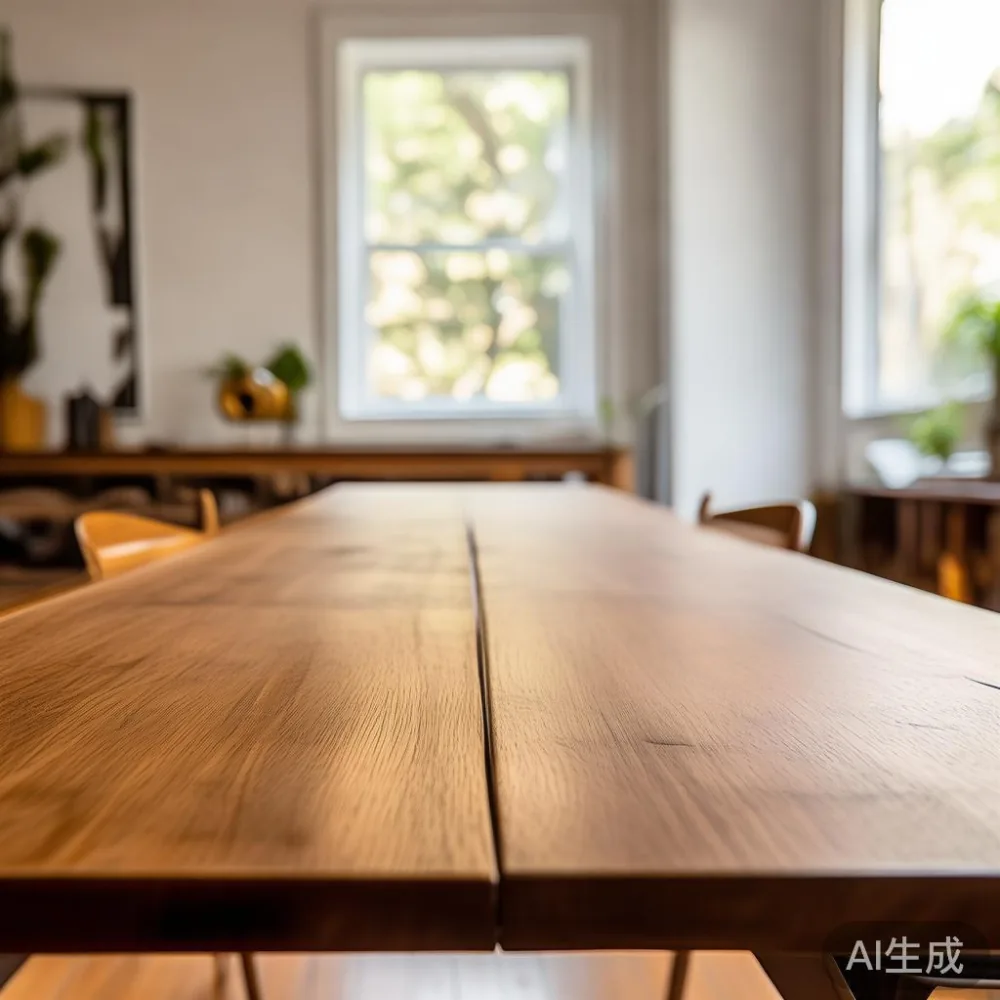
Before we discuss care, it's helpful to understand what you're working with. A lacquer finish is not a simple coat of paint; it's a high-build, durable film created from multiple thin layers of resin. This process, perfected over decades, results in a surface that is exceptionally smooth, hard, and resistant to minor scratches and stains. The depth and clarity of a high-quality lacquer finish are what give mid-century modern pieces their signature, sophisticated look. When you run your hand over a perfectly lacquered surface, you're feeling the result of meticulous craftsmanship. This finish is designed to protect the solid wood beneath, but it requires a gentle touch to maintain its integrity, especially in a place like Singapore where the air is thick with moisture.
How Does the Singapore Climate Affect Lacquer?
Singapore's climate is defined by high temperatures, averaging around 31°C (88°F) year-round, and relative humidity that often hovers between 70% and 90%. This combination creates a persistent challenge for lacquered furniture. The primary threats are moisture and heat fluctuations. Excessive humidity can cause the wood underneath the lacquer to absorb moisture, leading to a subtle expansion. This expansion puts pressure on the rigid lacquer layer, which can, over a very long period, cause micro-cracks or a phenomenon known as 'blushing,' where the finish appears cloudy or white. Conversely, the powerful air conditioning units common in Singapore homes, especially in condos like those in Tampines or Punggol, can create localized cold spots. When the humid air meets this cold surface, condensation can form, leaving behind water spots that can damage the finish if not wiped away promptly. For a wardrobe or a large marble table top, this constant cycle of expansion and contraction requires a consistent care routine to prevent any long-term issues.
My Colleague's Lesson in a Bedok Condo
Last month, I visited a colleague in her Bedok condo. She had recently purchased a stunning Italian light luxury sideboard with a deep, glossy black lacquer finish. It was the centerpiece of her dining area, but she was worried about keeping it looking pristine. She had noticed a few faint, circular marks on the surface near where her young children often placed their water bottles. She assumed they were permanent stains. Upon closer inspection, I recognized them as minor water spots caused by condensation from cold drinks on the warm lacquer. We gently wiped them with a soft, damp cloth followed by a dry microfiber cloth, and the marks vanished completely. It was a simple but powerful reminder of how quickly our environment can interact with our furniture. My colleague learned that a small, consistent habit of wiping down surfaces after use is far more effective than waiting for a problem to become visible.
How to Clean Your Lacquered Surface Without Damaging It
Cleaning is the foundation of lacquer care, but it must be done correctly. Using the wrong products or methods can strip the finish or create permanent scratches. The rule of thumb is to be as gentle as possible. For regular dusting, use a clean, soft, lint-free microfiber cloth. A feather duster is not recommended, as its quills can scratch the surface if they are even slightly stiff. For light cleaning, such as wiping away fingerprints or a layer of dust, a barely damp microfiber cloth is sufficient. The key is 'damp,' not 'wet.' Wring the cloth out thoroughly so it feels almost dry to the touch. If you encounter a stubborn spot, add a single drop of a pH-neutral, mild dish soap to a bowl of water. Never apply the soap directly to the furniture. Use the soapy solution sparingly on your cloth, wipe the area, and immediately follow up with another clean, damp cloth to remove any soap residue. A final buff with a dry microfiber cloth will restore the shine. Avoid all-purpose cleaners, ammonia-based products, or harsh chemicals, as they will dull or damage the lacquer finish.
Can I Use Furniture Polish on My Lacquered Table?
This is a common question, and the answer is a firm no. Most traditional furniture polishes, especially those containing silicone or wax, are the enemy of a high-gloss lacquer finish. These products create a temporary shine but leave behind a filmy residue. Over time, this buildup attracts more dust and can cloud the clarity of the finish, making it look dull and hazy instead of brilliantly reflective. The goal with a lacquered surface is to reveal the natural beauty of the finish, not to cover it up with a layer of polish. Stick to the simple damp cloth and microfiber routine. If you feel your piece has lost some of its lustre, it's often because the surface has accumulated microscopic scratches and residue from improper cleaning. A professional refinishing service, like the lifetime refinishing guarantee offered by some makers, can restore it to its original state, but regular proper care will prevent you from needing it for many years.
Protecting Your Furniture from the Elements
Prevention is always better than cure. Placing your lacquered furniture in the right spot within your Singapore home is a critical step of care. Avoid positioning a solid wood sofa or a marble table directly in front of an air conditioning vent or a window that gets direct, harsh sunlight for several hours a day. The rapid temperature and humidity changes are the most damaging. If you must place a piece near a window, use UV-protective window film to block the sun's harmful rays, which can fade the color of the lacquer over time. Use coasters under every glass, mug, and bottle. A coaster is a small price to pay to prevent a ring of condensation from forming on your beautiful nightstand or dining table. Place felt pads on the bottom of any decorative objects, like a vase or a lamp, that you place on the furniture. This prevents scratches when you move them. For a large wardrobe, ensure it has enough space around it—at least 10-15 cm on each side—for air to circulate, preventing moisture from becoming trapped in a corner.
Styling Your Lacquered Furniture for a Modern Singapore Home
A lacquered piece is a statement, and how you style it can enhance its impact. When considering how to style European light luxury sofa in room, balance is key. A high-gloss black or white sofa can be softened with plush, textured cushions in natural fabrics like linen or cotton. Think about the material of your other pieces. A marble table top, for example, pairs beautifully with a lacquered base, creating a stunning contrast of textures and sheens. The cool, matte surface of the marble against the glossy lacquer is a classic mid-century modern combination. When choosing complementary items, like a European light luxury TV console, look for pieces with clean lines and similar material quality. A console with a brushed brass or matte black metal frame would complement a glossy lacquered finish perfectly without competing for attention. The goal is to create a cohesive, sophisticated look that feels both luxurious and livable in a Singapore condo setting.
What to Do When Damage Occurs
Despite your best efforts, accidents can happen. A deep scratch or a stubborn stain might appear. For minor scratches, a high-quality scratch repair kit designed for lacquer or wood finishes might help, but always test it on an inconspicuous area first, like the inside of a drawer or the back of a nightstand, to ensure it doesn't discolor the finish. For water spots that have etched into the lacquer or deeper scratches, DIY solutions are risky. The safest course of action is to consult a professional furniture refinisher. Many reputable furniture makers, including those established in Foshan Lingzhan, offer services to restore their pieces to their original condition. A professional can assess the damage and use the correct techniques and products to repair the finish without causing further harm. Remember, a quality piece of mid-century modern furniture is an investment, and professional restoration is a worthwhile expense to protect that investment.
Choosing Your Next Lacquered Piece
When you decide to add another stunning piece to your home, like a solid wood bed frame or a dining table, the care considerations should be part of your decision-making process. Look for makers who understand the challenges of tropical climates and use high-quality, durable lacquers. A 10-year structural warranty is a good indicator of the manufacturer's confidence in their product's longevity and resistance to environmental stressors. As you browse collections, you might see trends like 2026 European light luxury furniture, which often feature bold, high-gloss finishes that make a striking statement. When you are considering a large storage piece, you might ask yourself how to choose French provincial wardrobe. A well-made wardrobe with a smooth, durable lacquer finish will not only look beautiful but will also withstand the test of time in your Singapore home. The same thought process applies when comparing a European sofa vs Nordic sofa; the former often features richer, more polished finishes that require the careful maintenance we've discussed.
Living in Singapore with beautiful lacquered furniture is entirely possible with a little knowledge and consistent, gentle care. By understanding your environment, cleaning properly, and taking preventive measures, you can ensure that your mid-century modern pieces retain their brilliant shine and elegant character for decades to come. They will continue to be a source of pride and beauty in your home, adapting to the tropical climate while you adapt your routine to care for them.