The Silent Conversation: Understanding Humidity and Your Solid Wood Furniture in Singapore
Living in Singapore means embracing a lifestyle defined by vibrant neighbourhoods, from the tree-lined avenues of Tampines to the modern canals of Punggol. Our HDB flats and condominiums are more than just homes; they are personal sanctuaries. We furnish them with pieces that reflect our taste, whether it's a sleek mid century modern sofa for the living room or a sturdy solid wood bed frame for the master bedroom. We spend thousands of Singapore Dollars on these items, expecting them to last for years, if not a lifetime. But there's a silent, constant force at work in our homes that most of us never consider: humidity. This invisible element has a direct and profound conversation with your furniture, and understanding it is the key to preserving its beauty and integrity.
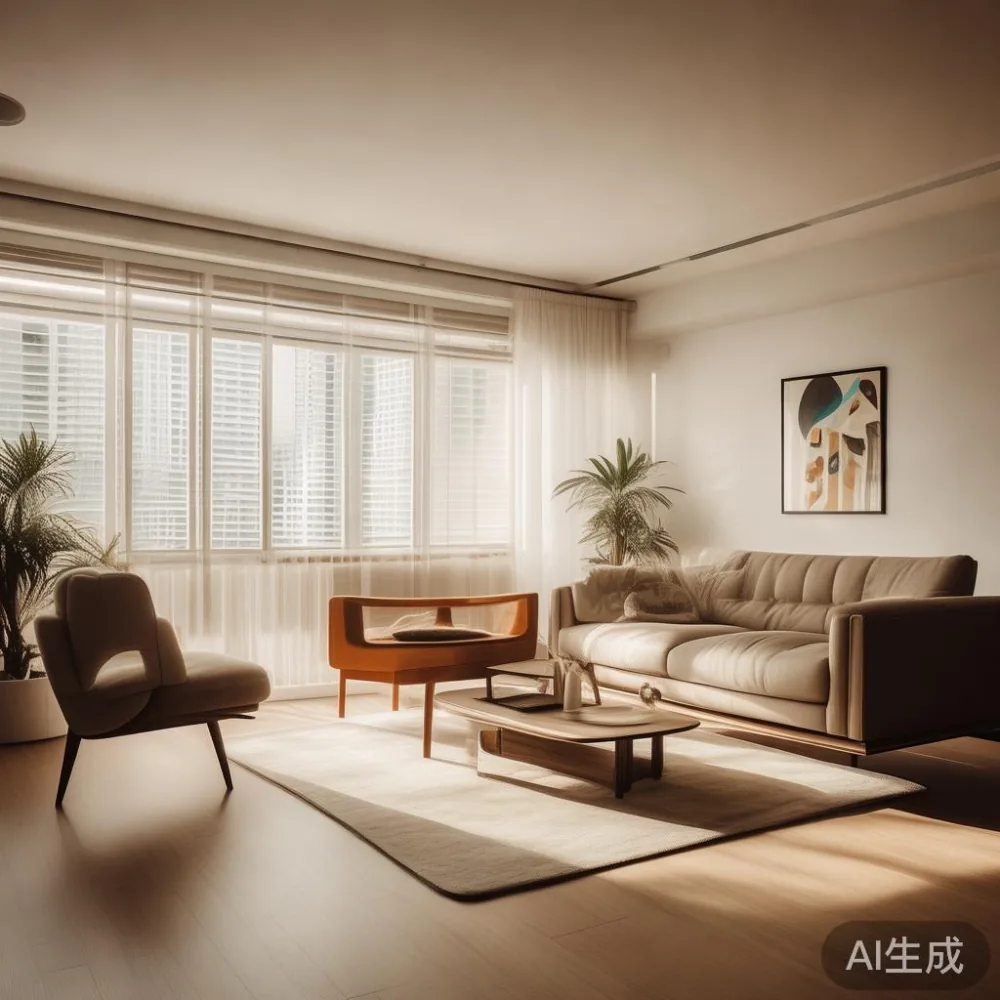
Why Your Wood Furniture is Breathing: A Lesson in Material Science
At its core, wood is a natural, hygroscopic material. This scientific term simply means that wood absorbs and releases moisture from the surrounding air. Think of it like a living organism, albeit a very slow-moving one. The cellular structure of wood is filled with tiny pores and vessels that act like a microscopic sponge. When the humidity in your home rises, these pores draw in moisture, causing the wood fibres to swell. Conversely, when the humidity drops, the wood releases that moisture and contracts. This natural expansion and contraction is completely normal. The challenge arises when the swings in humidity are too extreme or too frequent, forcing the wood to work overtime and potentially leading to long-term damage.
Singapore's climate presents a unique case study for this phenomenon. Our ambient humidity levels rarely dip below 60% and can soar to over 90%, especially during the monsoon seasons. This persistent high humidity means your furniture is almost constantly in a state of slight expansion. The air is so saturated with moisture that wood rarely has a chance to contract significantly. This constant saturation is different from the dramatic seasonal changes seen in temperate climates, but it poses its own set of challenges for the long-term health of your solid wood dining table or wardrobe.
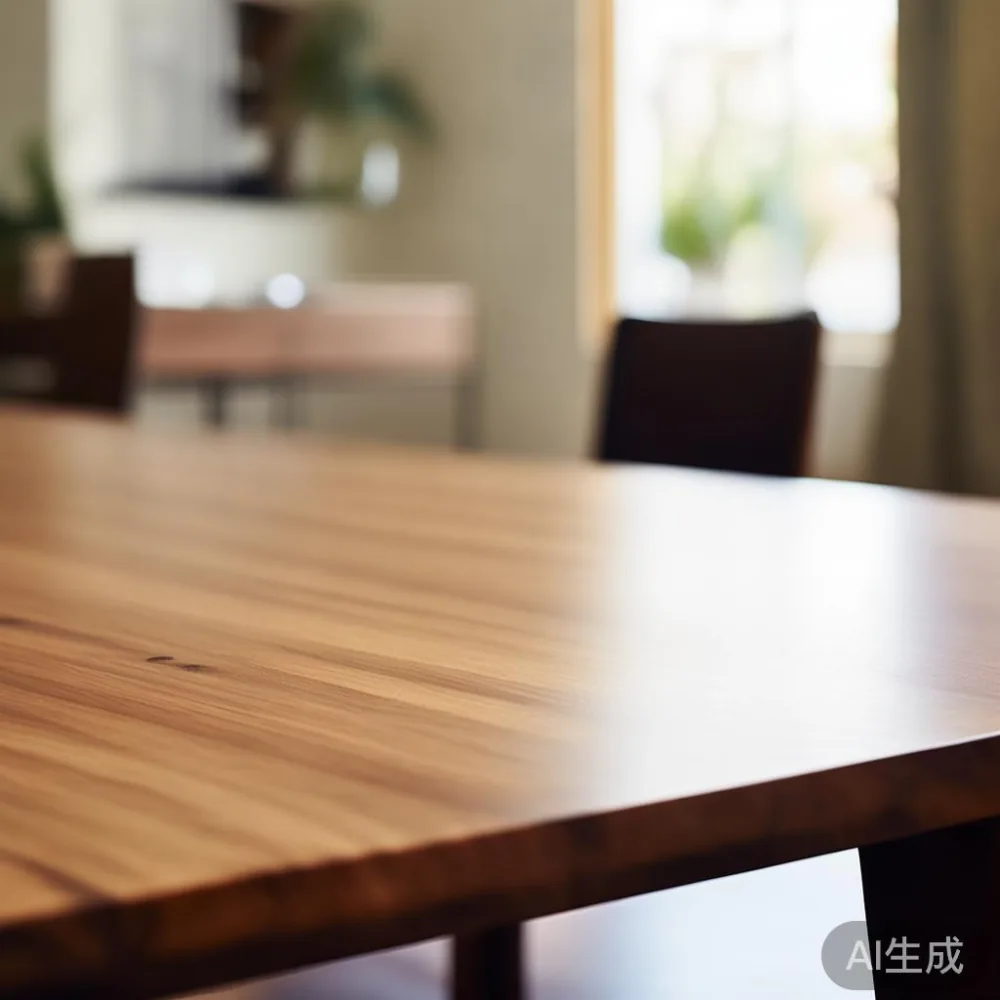
Visible Signs of Humidity Stress on Your Furniture
So, how does this silent conversation manifest in the physical world? The signs can be subtle at first, but they become more apparent over time. The most common issue is a phenomenon known as 'cupping' or 'crowning'. This is when the edges of a wooden tabletop or cabinet door rise up, creating a concave or convex shape. This happens because the top surface of the wood absorbs moisture faster than the bottom, causing it to expand more and warp. For a solid wood dining table that seats six, this can become a problem, as the surface may no longer be perfectly flat, affecting both aesthetics and functionality.
Another tell-tale sign is the appearance of small cracks, known as 'checking,' on the surface of the wood. As wood expands under high humidity, the internal stresses can cause these fine fissures to form. They are most common on flat surfaces like tabletops or the sides of a nightstand. While small checks are often superficial, they can become gateways for deeper moisture penetration over time. You might also notice that drawers in your MIDHILL French provincial wardrobe become harder to open and close. This is because the wood panels of the drawer itself and the frame of the cabinet have expanded, creating a tighter friction fit. In severe cases, doors can warp to the point where they no longer align with the frame.
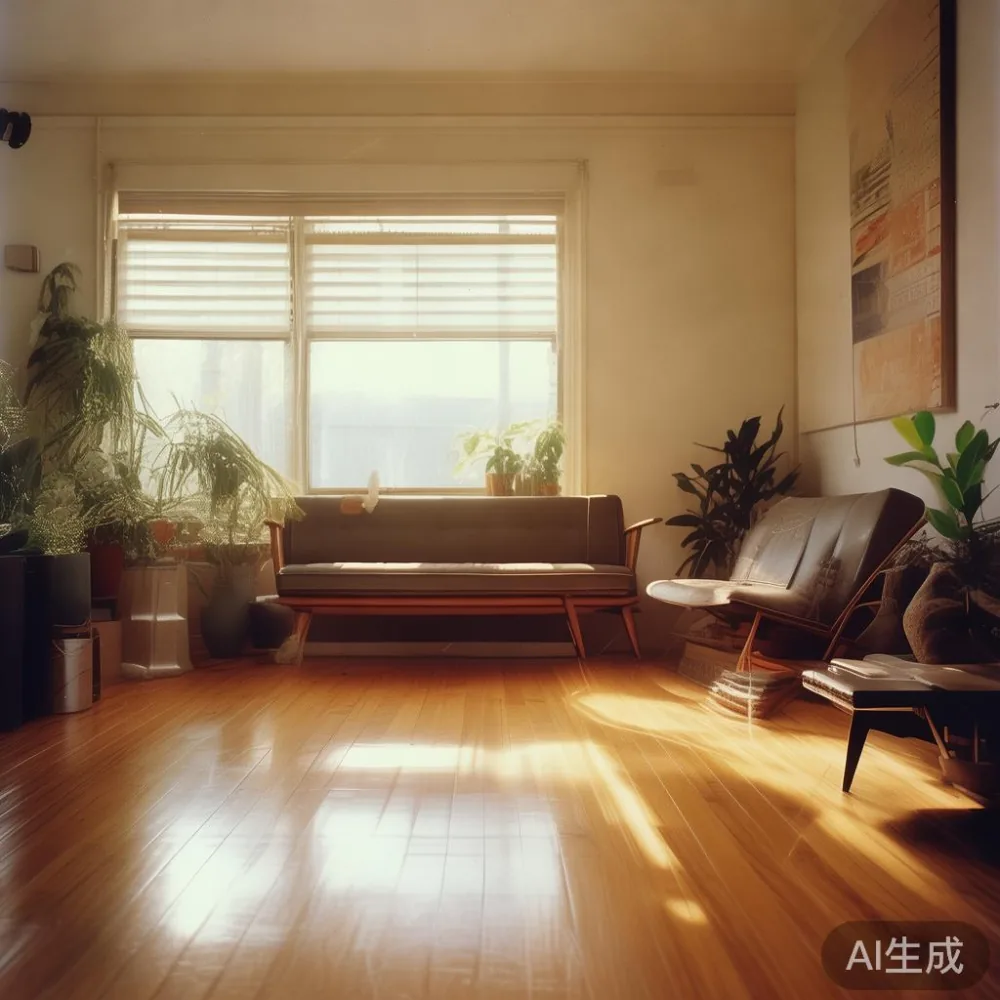
How Singapore's Specific Living Conditions Amplify the Problem
Our living spaces in Singapore add another layer of complexity. Many of us live in high-rise apartments where air-conditioning is a daily necessity. While AC is a blessing for comfort, it creates microclimates within our homes. Air-conditioning units act as dehumidifiers, significantly lowering the humidity in the rooms they cool. This means that a living room with an AC unit can have a humidity level of 55%, while an un-air-conditioned bedroom might hover at 80%. Your furniture is in effect being subjected to a daily cycle of high humidity and rapid, artificial drying, which is one of the most stressful conditions for wood.
Consider the logistics of moving furniture into an HDB flat in Bedok or a condo in Tampines. The standard lift in most HDB buildings has internal dimensions of approximately 110 cm by 140 cm. A large solid wood bed frame might measure 180 cm by 200 cm, meaning it often needs to be maneuvered through the corridor and into the apartment at an angle. This process can be tricky on a dry day, but on a humid one, the challenge is compounded. More importantly, it highlights the importance of proper acclimatisation. A piece of furniture that has been stored in a dry warehouse and then moved directly into a humid Singaporean home is under immense stress from the moment it arrives.
How to Choose a European Wardrobe That Can Handle the Humidity
When selecting furniture for your Singapore home, especially larger pieces like a wardrobe, the construction and material quality are paramount. The question is not just about style, but about durability in a high-humidity environment. This is where understanding the difference between solid wood and other materials becomes critical. For those looking for how to choose European wardrobe, the focus should be on solid wood construction and thoughtful design.
Look for furniture made from hardwoods known for their stability. Teak, for instance, is naturally rich in oils that make it highly resistant to moisture and decay. Oak and walnut are also excellent choices, though they require proper care. The joinery is another important factor. A well-made wardrobe will use traditional joinery techniques like mortise and tenon or dovetail joints, which are mechanically strong and allow for the natural movement of wood without compromising the structure. Avoid furniture that relies solely on staples, nails, or cheap glue, as these will fail as the wood expands and contracts.
The finish is your furniture's first line of defence. A high-quality, multi-layered lacquer or oil finish seals the wood pores, slowing down the rate of moisture absorption. For a mid century modern aesthetic, look for pieces with a natural, matte oil finish that highlights the wood's grain while providing protection. The interior of the wardrobe is just as important. Solid wood shelves and hanging rods will last longer than particleboard or MDF, which can swell, warp, and disintegrate in humid conditions. A MIDHILL TV console, for example, often features solid wood construction and a protective finish specifically designed to withstand the rigours of a Singaporean living room.
Practical Care and Maintenance for Your Investment
Once you've brought your beautiful furniture home, a little ongoing care can go a long way in ensuring it weathers the humidity gracefully. The simplest and most effective step is to maintain a stable environment. Using a dehumidifier in bedrooms or storage areas can help keep humidity levels more consistent, especially during the wetter months. Aim to keep the indoor humidity between 45% and 55% for optimal wood health.
Regular dusting with a soft, dry cloth is important. Dust particles can act like an abrasive, scratching the finish and potentially creating tiny pathways for moisture. For cleaning, use a slightly damp cloth followed immediately by a dry one to wipe away any residual moisture. Never let water or cleaning solutions sit on the wood surface. For pieces like a solid wood dining table, using placemats and coasters is non-negotiable. They prevent condensation from cold glasses and spills from directly contacting the wood, which can cause permanent water rings and damage the finish.
Positioning is also key. Avoid placing furniture directly in front of or on top of air-conditioning vents, as the rapid, cold airflow can cause the wood to dry and contract too quickly. It's also wise to keep furniture away from direct sources of heat, such as radiators or sunny windows, which can cause uneven drying and cracking. Last month, I visited a customer in a Punggol condo who had placed a beautiful marble table on a rug directly under a powerful AC vent. The finish on the table's base had begun to crack and peel. Simply moving the table to a more stable spot and applying a fresh coat of wood conditioner resolved the issue. This simple act of mindful placement can prevent significant damage.
Styling Your Home for Humidity: Smart Furniture Choices
Living with humidity doesn't mean you have to compromise on style. In fact, the right choices can enhance your home's aesthetic. For smaller living spaces, the concept of Vintage for small living room is a fantastic approach. Vintage pieces, especially those from the mid-century era, were often crafted from solid wood with a focus on timeless design. A compact, vintage-inspired solid wood sofa or a set of nesting side tables can add character without overwhelming the space. Their solid construction makes them more resilient to humidity than modern, flat-pack alternatives.
The guest room is another area where smart choices pay off. A Modern light luxury for guest room doesn't have to be complicated. A simple, elegant solid wood bed frame with clean lines, paired with high-quality linen, creates a sophisticated and welcoming atmosphere. The key is to focus on quality over quantity. Instead of a large, ornate wardrobe, consider a well-made French provincial for apartment style wardrobe. These pieces often feature elegant, simple lines and solid wood construction, offering both style and durability. The light luxury aesthetic, whether French, American, or post-modern, often values natural materials and fine craftsmanship, making it a perfect fit for a climate-conscious homeowner.
For those on a tighter budget, it's possible to find cheap Mid-century modern furniture that is still well-made. The key is to scrutinise the construction. Even a more affordable piece should be made from solid wood, not veneers over particleboard. Check the joinery and the finish. A well-made, solid wood piece might cost more upfront, but its longevity and resistance to humidity make it a smarter investment in the long run. A poorly made piece, regardless of style, will quickly succumb to the Singaporean climate, becoming a source of frustration rather than a point of pride in your home.
Ultimately, your furniture is a long-term investment in your quality of life. By understanding the silent conversation between humidity and wood, you can make informed decisions that protect your investment for years to come. Choosing solid wood, appreciating quality construction, and providing simple, consistent care are the foundations of a home that remains beautiful and functional, no matter the weather outside.