What Actually Drives the Price of Solid Wood Furniture
The world of solid wood furniture is a treasure trove of aesthetics, durability, and comfort, especially for homeowners in Singapore, particularly those living in HDB flats and condos in areas like Tampines, Bedok, and Punggol. The allure of quality furniture is undeniable, yet the question often lingers: What truly determines the cost? Moving beyond simple explanations, we explore the granular factors that set a SGD 800 dining table apart from a SGD 4,500 one, using concrete numbers and real-life examples from the Foshan factory to your living room.
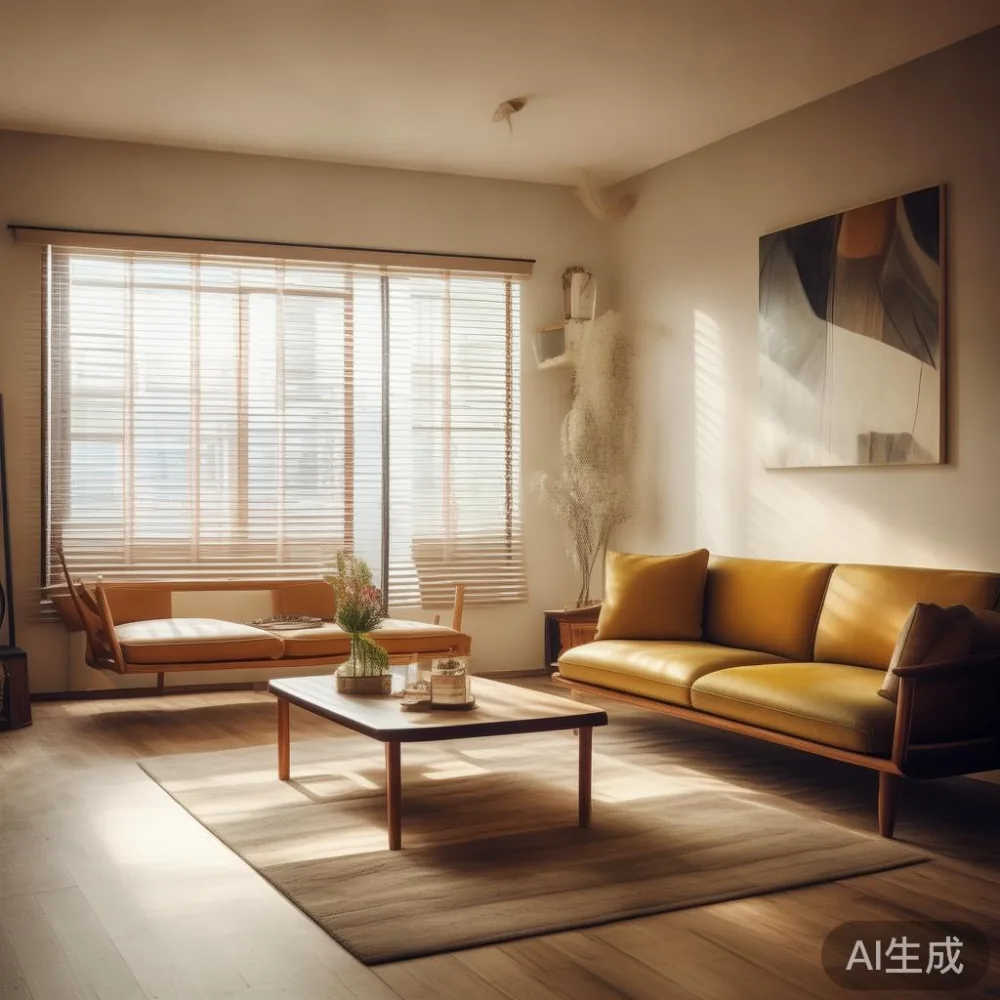
Understanding Solid Wood: More Than Just a Label
First, let's clarify what 'solid wood' actually means. Unlike particleboard, MDF, or veneer that uses a thin layer of real wood over a cheaper core, solid wood furniture is constructed from solid planks of lumber, typically joined together using techniques like mortise and tenon or dowels. This material is renowned for its natural strength, ability to be refinished over time, and the unique grain patterns that no two pieces share. A solid wood dining table, for instance, might weigh between 45 kg to 70 kg and measure 150 cm by 90 cm, making it a substantial piece of furniture that requires careful consideration for Singapore's standard lift widths of 1.1 meters to 1.5 meters.
Why Does Wood Species Make Such a Big Price Difference?
The single most significant factor in the cost of solid wood furniture is the species of wood used. The price is determined by a combination of scarcity, growth rate, density, and aesthetic appeal. Hardwoods, which come from deciduous trees, are generally denser and more durable than softwoods from coniferous trees.
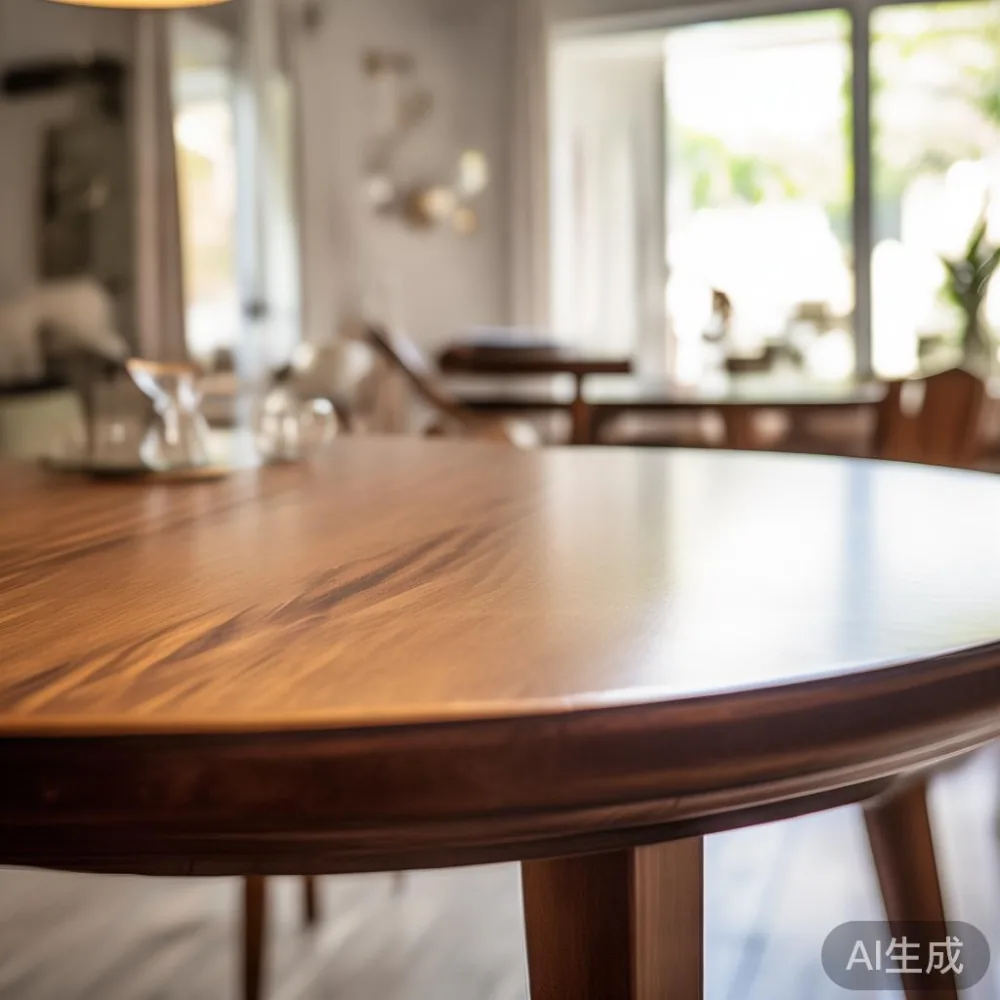
Common, fast-growing woods like Rubberwood or Acacia are more affordable. A solid wood dining table in Acacia might be priced around SGD 1,500 to SGD 2,200. As you move up the spectrum to slower-growing, denser hardwoods, the price increases substantially. American Black Walnut, prized for its rich, dark colour and straight grain, can push a dining table into the SGD 4,000 to SGD 6,000 range. Exotic species like Teak, known for its natural oils that make it highly resistant to rot and insects, can command prices of SGD 5,500 and upwards for a single dining table. The choice of wood directly impacts the final price and the longevity of the piece.
Is Handcrafting Really Worth the Extra Cost?
The difference between a machine-cut, mass-produced piece and a handcrafted one is often visible in the details. This is where the value of true craftsmanship comes into play. Handcrafted furniture involves skilled artisans using traditional tools and techniques to create joints that are stronger and more aesthetically pleasing than those made by machines.
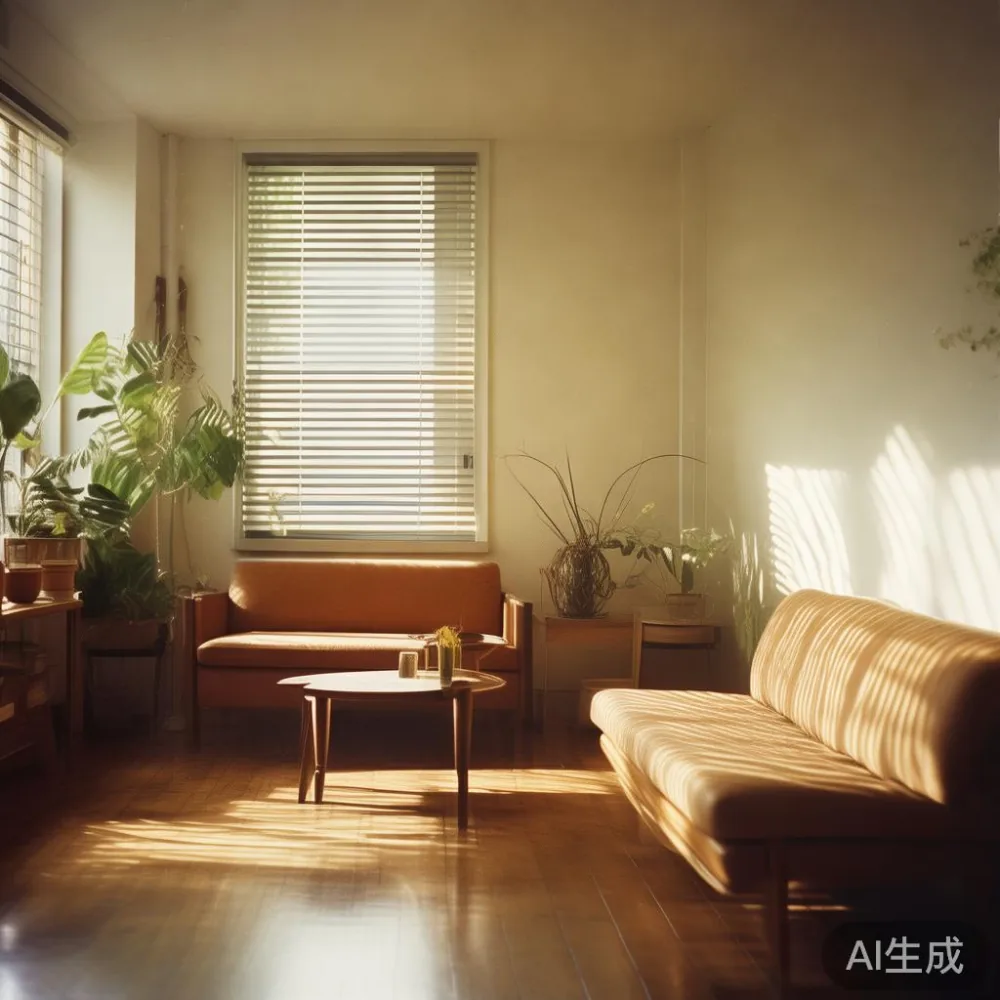
Consider a solid wood sofa. A mass-produced version might use simple butt joints and staples, costing around SGD 3,500 to SGD 5,000. In contrast, a handcrafted sofa from a maker like MIDHILL, featuring dovetail joinery on all corners and hand-finished surfaces, could be priced from SGD 7,000 to SGD 12,000. The labour involved is immense; a single complex joint can take a skilled craftsman 30 minutes to an hour to perfect, compared to seconds on an automated production line. This human investment is a primary driver of the price for high-end furniture.
How Does the Size and Scale of Your Furniture Affect the Price?
It might seem obvious, but larger furniture requires more material and more labour. A simple queen-sized bed frame might be priced at SGD 1,800, but a king-sized version of the same design could cost SGD 2,500 or more. The difference isn't just the extra 30 cm of wood; it's the increased volume of timber, the larger surface area to be sanded and finished, and the additional structural support required.
In the context of Singaporean homes, this scale is a critical consideration. A wardrobe for a master bedroom in a Punggol condo might need to be 220 cm wide to accommodate sufficient hanging space, whereas a wardrobe for a smaller HDB bedroom might only be 160 cm wide. The price difference between these two wardrobes could be SGD 1,500 to SGD 2,000, reflecting the significant increase in materials and the complexity of fitting the larger piece into standard Singaporean lift and corridor dimensions.
Does the Mid-Century Modern Design Command a Premium?
Absolutely. Design is not just about aesthetics; it's about engineering and intellectual property. A mid-century modern style, with its clean lines, tapered legs, and functional form, requires precise execution. A simple, boxy dining table is easier and cheaper to make than one with the iconic splayed legs of a mid-century modern design.
When a brand like MIDHILL produces a mid-century modern dining table, the price reflects the design's legacy and the precision needed to achieve the look. A standard rectangular dining table might cost SGD 2,500, but its mid-century modern counterpart, with its refined silhouette and specific joinery for the legs, could be priced at SGD 3,800 to SGD 5,500. This premium is for the design itself, which has stood the test of time and remains highly sought after in the light luxury segment.
What Role Do Materials and Finishes Play in the Final Price?
The base material is wood, but many pieces incorporate other materials that significantly increase the cost. A solid wood table with a marble top, for instance, combines two expensive materials. The marble slab itself can cost between SGD 800 to SGD 1,500, depending on the type (Carrara, Calacatta Gold) and size. This is in addition to the cost of the solid wood base and the labour required to precisely mount and finish the marble.
An Italian light luxury coffee table featuring a solid oak base with a honed marble top could easily cost SGD 7,000 to SGD 10,000. Similarly, the finish on a piece is a major cost factor. A simple lacquer or oil finish is relatively inexpensive. A multi-layered French polish, which involves building up dozens of thin coats of shellac for a deep, lustrous finish, is a labour-intensive process that can add hundreds or even thousands to the price of a wardrobe or a solid wood bed frame.
Why Does a French Provincial Bed Cost More Than a Simple Scandinavian Bed?
This question gets to the heart of design complexity versus material simplicity. When comparing a European light luxury bed vs a Nordic bed, the price difference is often due to the volume of material and the intricacy of the carving.
A Scandinavian bed, like the best Scandinavian bed for 2026, is defined by its minimalism. It uses clean lines, simple forms, and often less wood. A queen-sized Scandinavian-style solid wood bed frame might weigh around 55 kg and cost SGD 2,200 to SGD 3,500. A French provincial bed, on the other hand, is characterized by its ornate details, curved headboard, and extensive use of wood. It might weigh 75 kg and cost SGD 4,500 to SGD 7,000. The price difference is for the additional material and the many hours of skilled labour required to shape and carve the decorative elements.
How Does Singapore's HDB Context Influence Furniture Pricing?
Living in Singapore, especially in HDB flats and condos, imposes unique constraints that furniture designers and manufacturers must account for. This directly impacts the price you pay. For example, a standard corridor width in many HDB blocks is 1.2 meters, and a lift is 1.1 meters wide. A wardrobe that is 120 cm deep is impossible to get through the door. Furniture must therefore be designed to be narrower, often no more than 60 cm deep for a nightstand or 80 cm deep for a sideboard.
These space-efficient designs require more complex engineering. A standard nightstand might be 50 cm deep, but one designed for a Singaporean bedroom might be only 40 cm deep to fit beside a bed that is already pushed against the wall. This reduction in depth often means using more expensive joinery to maintain stability, adding to the cost. A compact solid wood nightstand for a Bedok HDB flat might cost SGD 650, while a standard, deeper one could be SGD 450. The price premium is for the specialized design that solves a real local problem.
Are You Paying for the GST or for Quality?
A common question for Singaporean shoppers is: When buying a solid wood dining table, are you paying a premium for the brand name or for the tangible quality and warranty? The answer is usually a mix of both, but the warranty is a concrete value that should be factored into the price.
A 9% Goods and Services Tax (GST) is applied to the final price, but this is a standard levy. The real value lies in the post-purchase support. A reputable brand like MIDHILL offers a 10-year structural warranty and a lifetime refinishing service. This means if a joint on your dining table fails within a decade, they will repair or replace it. If the finish becomes worn over 20 years, they can refinish it for you. This level of assurance is a significant part of the product's value. A cheaper table with no warranty might save you SGD 1,000 upfront, but that saving is lost if the piece needs to be replaced in 5 years.
A Real-World Example: The Price of a Solid Wood Sofa
To put all these factors together, let's look at a personal experience. Last month, I visited a showroom to compare sofas for my new condo in Tampines. I was looking at a light luxury sofa vs Nordic sofa to understand the price difference.
The Nordic-style sofa was beautiful. It was made from light Ash wood, featured clean, straight legs, and had a simple, understated design. The price was SGD 4,800. It was well-made, but it was a straightforward design.
Next to it was a post-modern light luxury sofa from a different brand. It was made from American Walnut, had a more complex curved back, and featured a combination of leather and fabric cushions. The price was SGD 9,200. I asked a colleague who is a furniture specialist to explain the difference. He pointed out that the walnut itself was 40% more expensive than the ash. The curved back required custom-milled wood, adding labour hours. The combination of materials required more complex upholstery. Most importantly, the brand offered a 10-year warranty on the frame, whereas the Nordic brand offered only a 2-year warranty. The price difference was justified by the superior materials, more complex design, and significantly longer warranty period.
What About Value for Money and Long-Term Investment?
When considering a piece of furniture that costs several thousand dollars, it's wise to think of it as a long-term investment rather than an expense. A well-made solid wood sofa can easily last 30 years or more. A cheaper, mass-produced sofa might need to be replaced in 7-10 years.
Let's do a simple calculation. A solid wood sofa from MIDHILL costs SGD 7,500 and lasts 30 years. The annual cost is SGD 250. A cheaper sofa costs SGD 2,500 and lasts 8 years. The annual cost is SGD 312.50. Over 30 years, you would need to buy the cheaper sofa four times, spending a total of SGD 10,000. The more expensive sofa costs less in the long run. This doesn't even account for the hassle of replacing furniture or the aesthetic value of having a beautiful, timeless piece in your home.
Key Factors to Consider Before You Buy
When shopping for solid wood furniture, keep these concrete factors in mind:
- Wood Species: Ask what type of wood it is and where it's sourced. A solid wood dining table in Sheesham will have a different price and feel than one in Teak.
- Joinery: Look for dovetail, mortise and tenon, or dowel joints. Avoid staples or nails, which are signs of lower quality.
- Weight: A heavier piece generally indicates denser wood and more substantial construction. A solid wood wardrobe should feel solid and heavy, not flimsy.
- Warranty: Check the terms. A 10-year structural warranty is a strong indicator of quality. A lifetime refinishing service is a major plus.
- Delivery and Returns: Confirm the delivery time (e.g., 14-21 days from the Foshan factory) and the return policy. Free shipping over SGD 350 is a standard offer from good brands.
A Breakdown of Price Ranges for Common Furniture Pieces
To give you a clearer picture, here is a table outlining the typical price ranges for solid wood furniture in Singapore, reflecting the factors we've discussed:
| Furniture Item | Wood Species & Style | Price Range (SGD) | Key Price Drivers |
|---|---|---|---|
| Solid Wood Dining Table | Acacia / Standard Design | SGD 1,500 - 2,500 | Common wood, simple construction |
| Solid Wood Dining Table | Walnut / Mid-Century Modern | SGD 4,000 - 6,500 | Premium wood, complex design, brand warranty |
| Solid Wood Queen Bed Frame | Rubberwood / Scandinavian | SGD 1,800 - 3,000 | Common wood, minimal design |
| Solid Wood King Bed Frame | Walnut / French Provincial | SGD 5,000 - 8,500 | Premium wood, ornate carving, larger scale |
| Solid Wood Wardrobe | Oak / Standard Design | SGD 2,500 - 4,200 | Good quality wood, standard internal fittings |
| Solid Wood Nightstand | SGD 500 - 1,200 | Smaller scale, specialized design for space constraints |
Final Thoughts: The True Cost of Ownership
Understanding what drives the price of solid wood furniture allows you to see beyond the sticker shock. The cost is a composite of material quality, human labour, design complexity, and the assurance of longevity. For homeowners in Singapore, where space is a premium and homes are long-term investments, choosing a well-made piece of furniture is a decision that pays dividends for years to come. It's about finding a balance between aesthetic appeal, functional needs, and the peace of mind that comes with a quality product that will withstand the test of time.